Diagonal Shots: How to Add Movement and Depth to Phone Photos
Published Jun 27, 2026
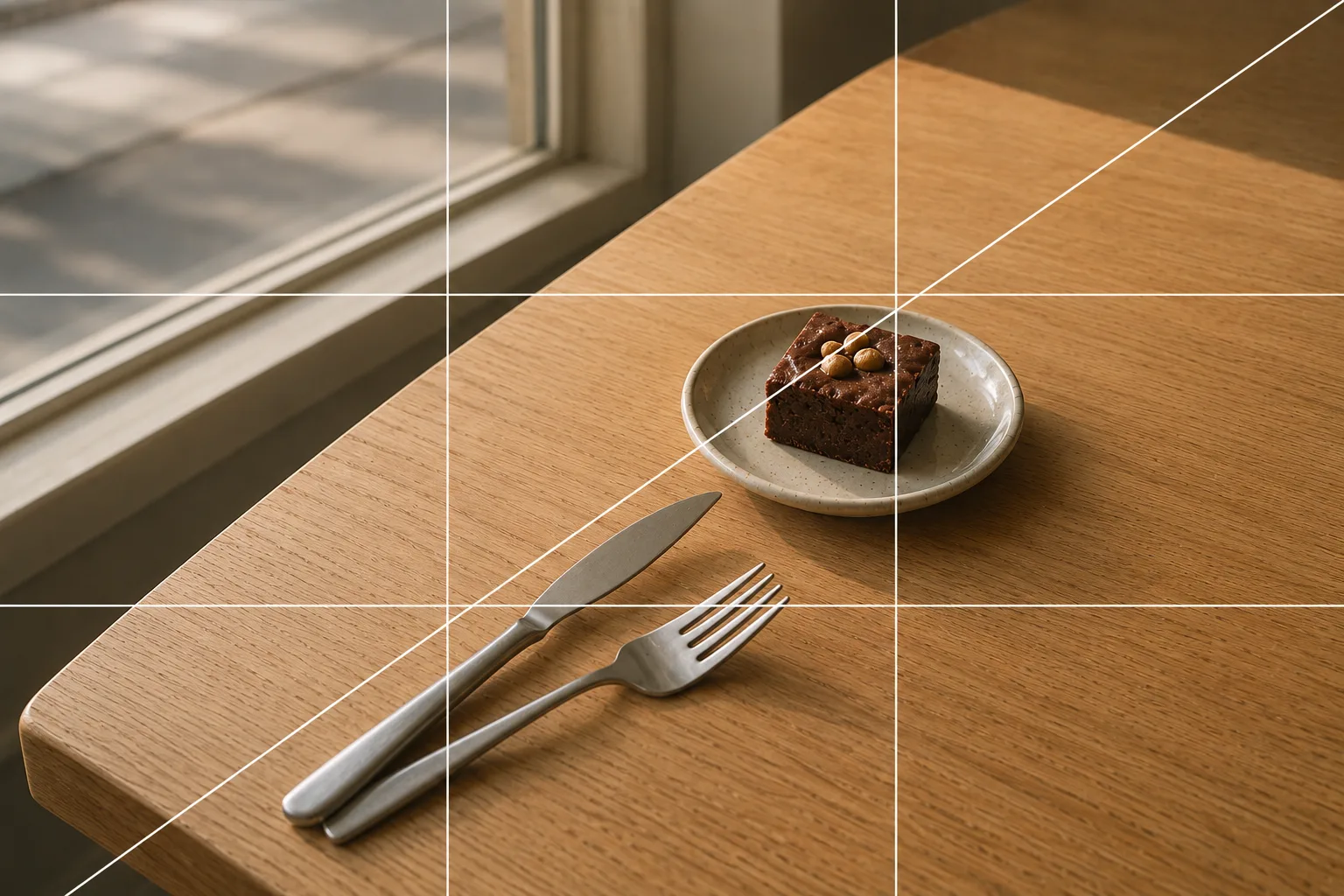
Want to try this composition live on your camera?
Try with this frame →A diagonal composition arranges a subject or line corner to corner across the frame on a slant. Build a shot from only horizontals and verticals and it feels calm and settled; add a slanted line and the eye starts moving, giving the photo energy and depth.
Why a slant creates movement
The eye follows lines. Horizontal and vertical lines feel stable and static, but a diagonal line creates a sense of “heading somewhere.” So the same subject, simply placed on a slant, reads as lively and alive.
How to use it
First, look for a “line” within your subject — pasta or cutlery, a row of small objects, a table edge, a road or staircase. Adjust your angle and where you stand so that line flows diagonally toward a corner of the frame. Place the subject partway along the line, ideally near a rule-of-thirds intersection, and you get both movement and balance (→ Rule of thirds).
 Composition guideRule of thirdsSee the full guide for this composition →
A note of caution
Lean too hard into the slant and the shot can just look tilted and unsteady. A “missed horizon” and an “intentional diagonal” are different things. Check that background horizontals (a horizon, a table edge) aren’t tilted by accident, and keep clear in your mind which lines you’re slanting and which you’re keeping level.
Start with just this
Find one line within your subject and run it diagonally toward a corner of the frame. Place the subject on the line, near an intersection. That alone brings movement to a photo that felt flat.
FAQ
What makes a diagonal composition distinct?
A diagonal composition arranges a subject or line corner to corner across the frame on a slant. Horizontals and verticals alone feel calm and settled; add a slanted line and the eye starts moving, giving the shot energy and depth. You can either find an existing line or create one by angling small objects.
What's a composition mistake to avoid in photos?
The common slip with diagonals is leaving the shot only slightly tilted, around 10 degrees. That reads as a missed horizon rather than an intentional diagonal. Once you decide to go diagonal, commit to roughly 45 degrees, and keep background horizontals — a horizon, a table edge — level.
How is this different from a merely tilted shot?
A diagonal composition deliberately runs a subject or line corner to corner. A shot that's just tilted lacks that intent. Because a shallow tilt (around 10 degrees) reads as a mistake, commit to roughly 45 degrees when you want it to read as an intentional diagonal.
What subjects suit a diagonal composition?
Anything with a line or flow — pasta and noodles, cutlery, a row of small objects, roads and stairs. A slanted line gets the eye moving and adds energy to a shot that might otherwise feel flat.
Can I combine it with the rule of thirds?
Yes. Running a slanted line across the frame while placing the subject on a rule-of-thirds intersection works really well. You get both movement (the diagonal) and balance (the intersection).
How do I create a diagonal on a tabletop?
Even without moving the subject, turning your phone at a slight angle brings chopsticks, cutlery or a placemat's edge in on a diagonal — the easiest trick for an overhead tabletop shot. Laying a placemat or cloth at an angle is another effective way to "create" the line.
This composition across subjects
Related reading
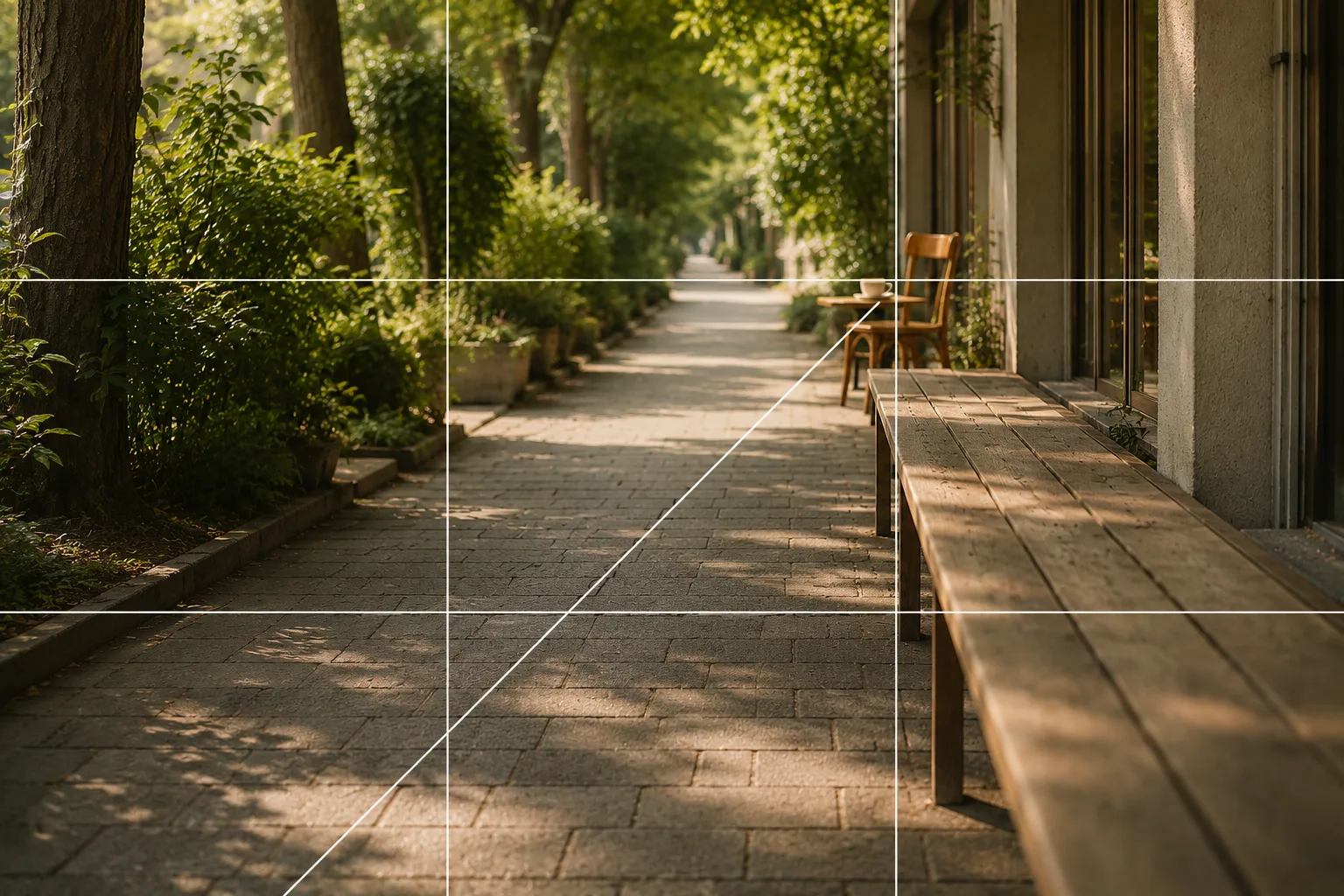
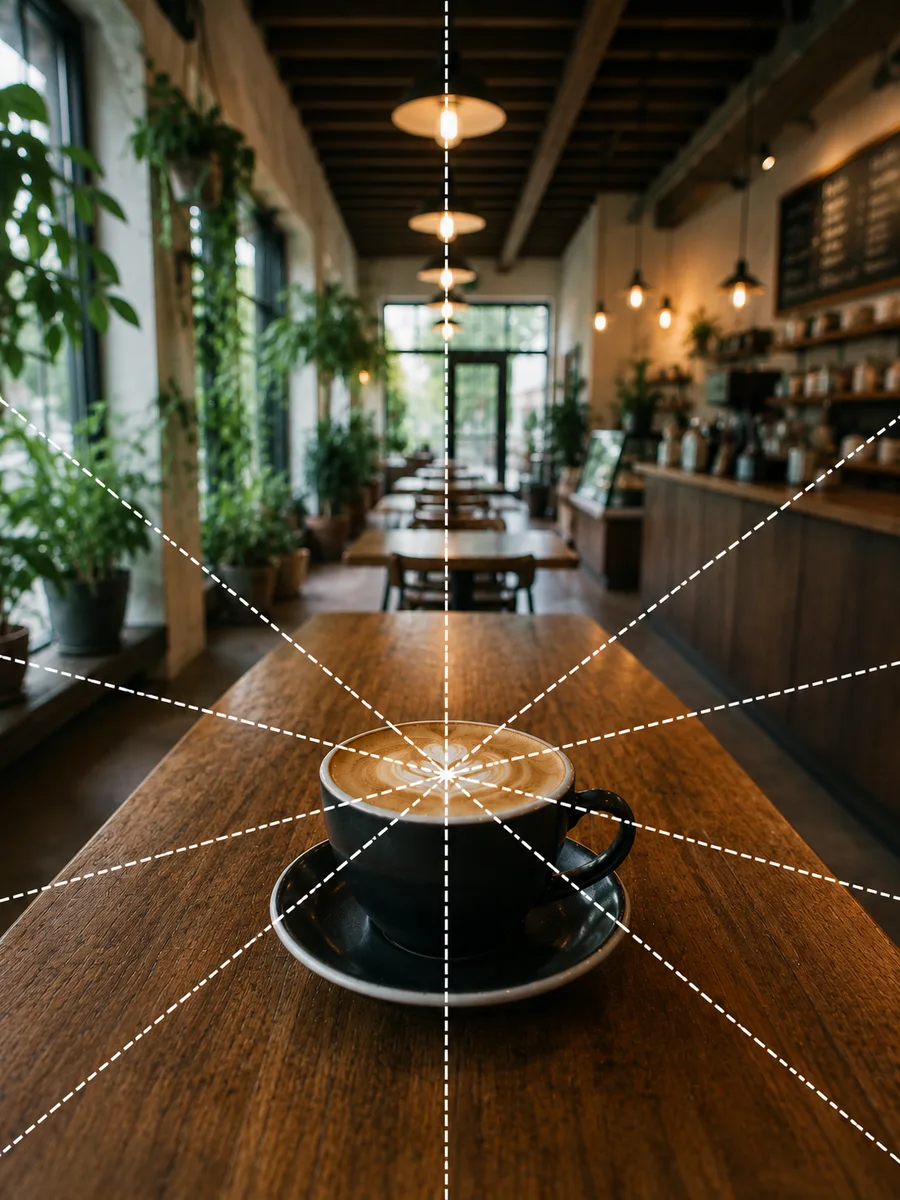
Compositions used
Related subject guides
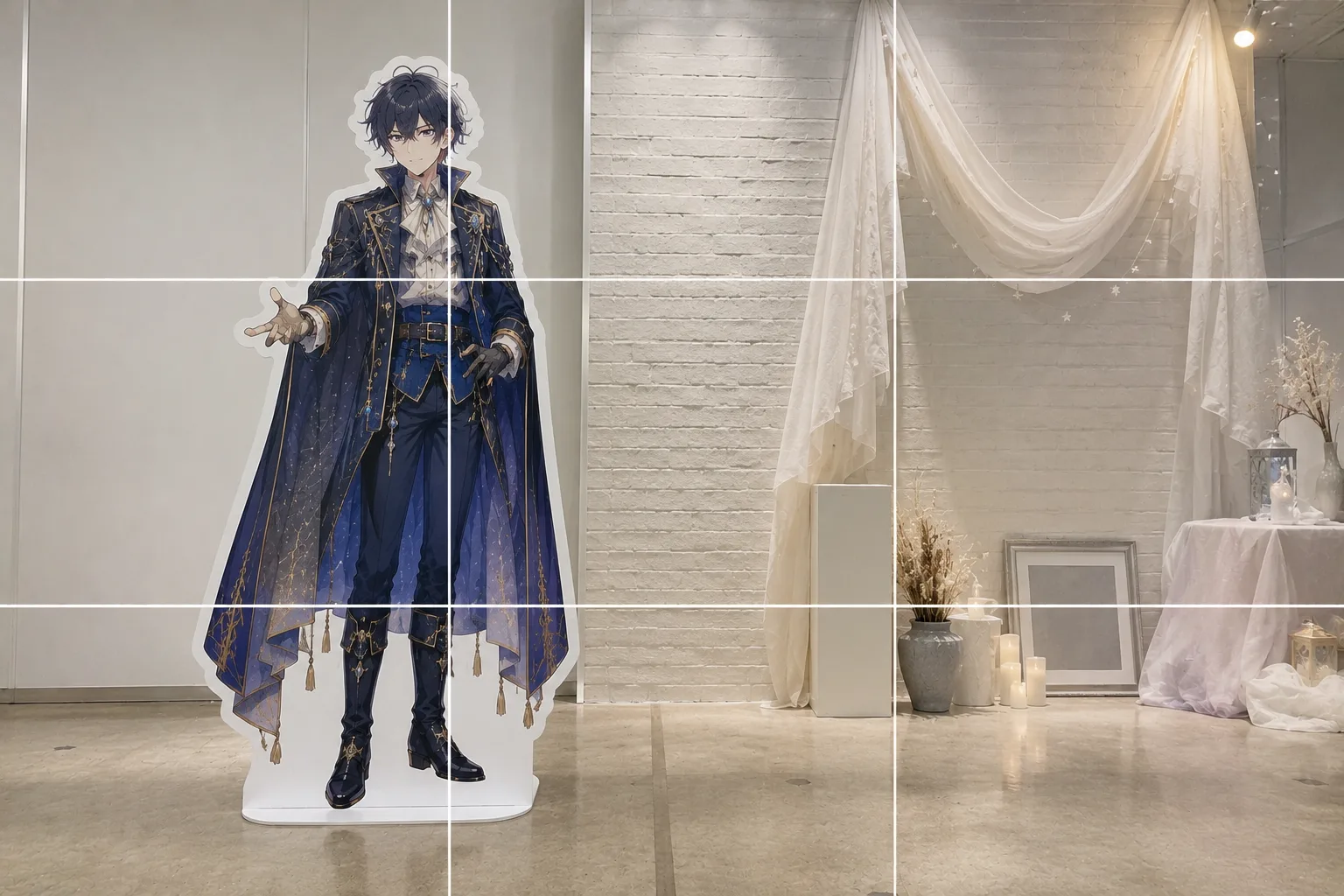
How to Pose With a Life-Size Standee — Tilt and Awkward Scale, Fixed
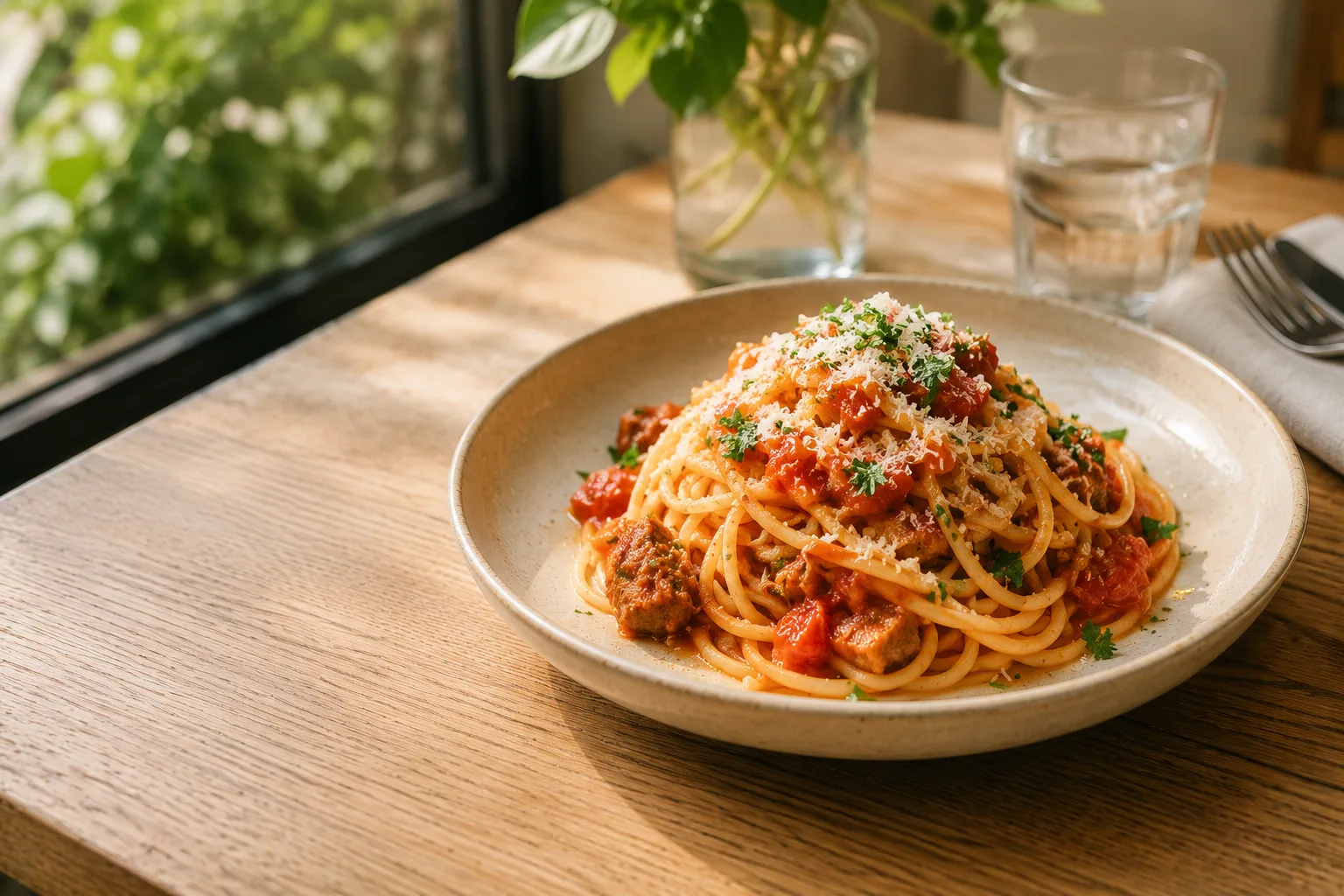
How to Make Food Look Delicious — Why It Looks Bland and How to Fix It
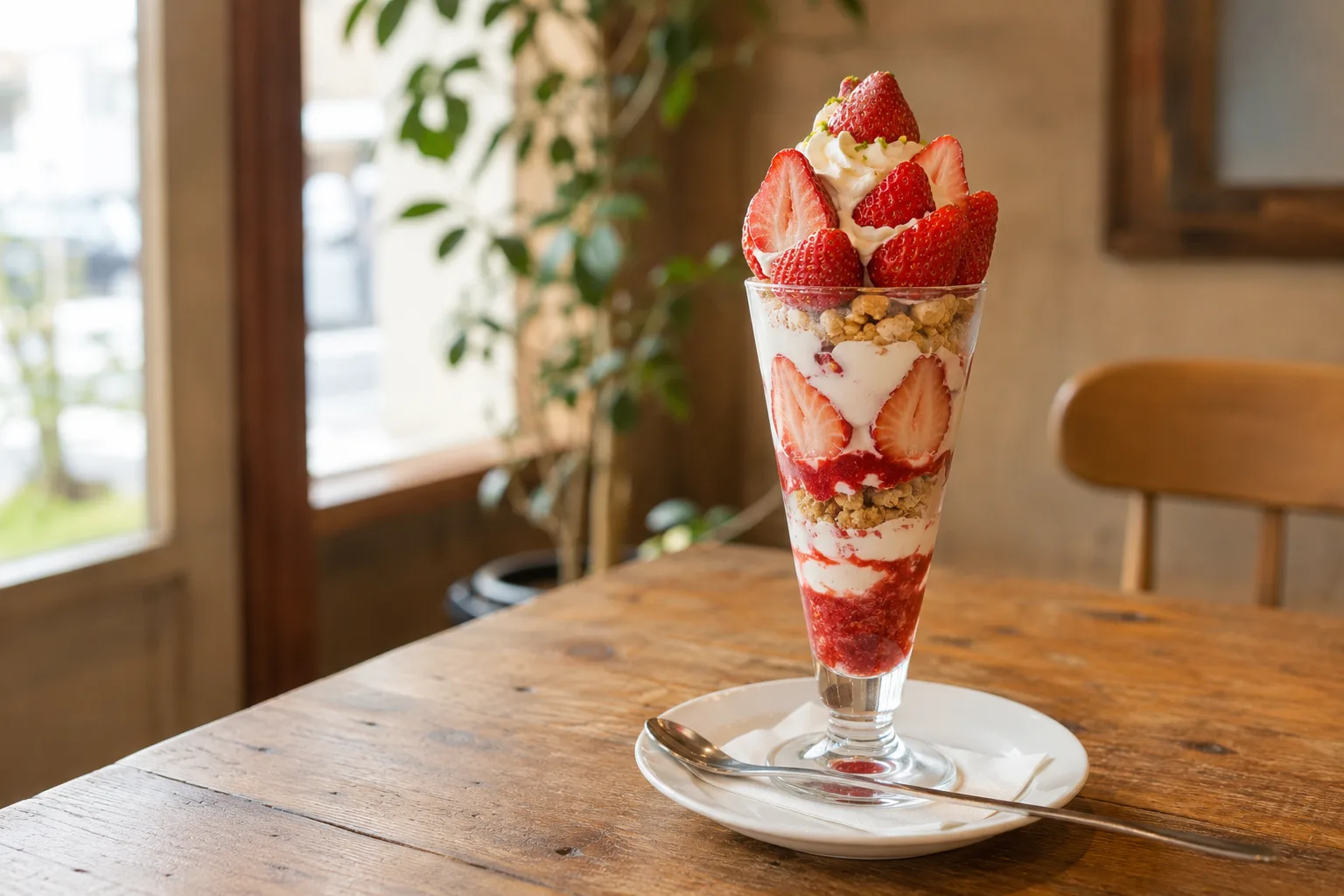
Composing Sweets and Parfaits That Pop — Showing Height and Gloss

Making Drinks and Lattes Pop — Sorting Out Light and Composition
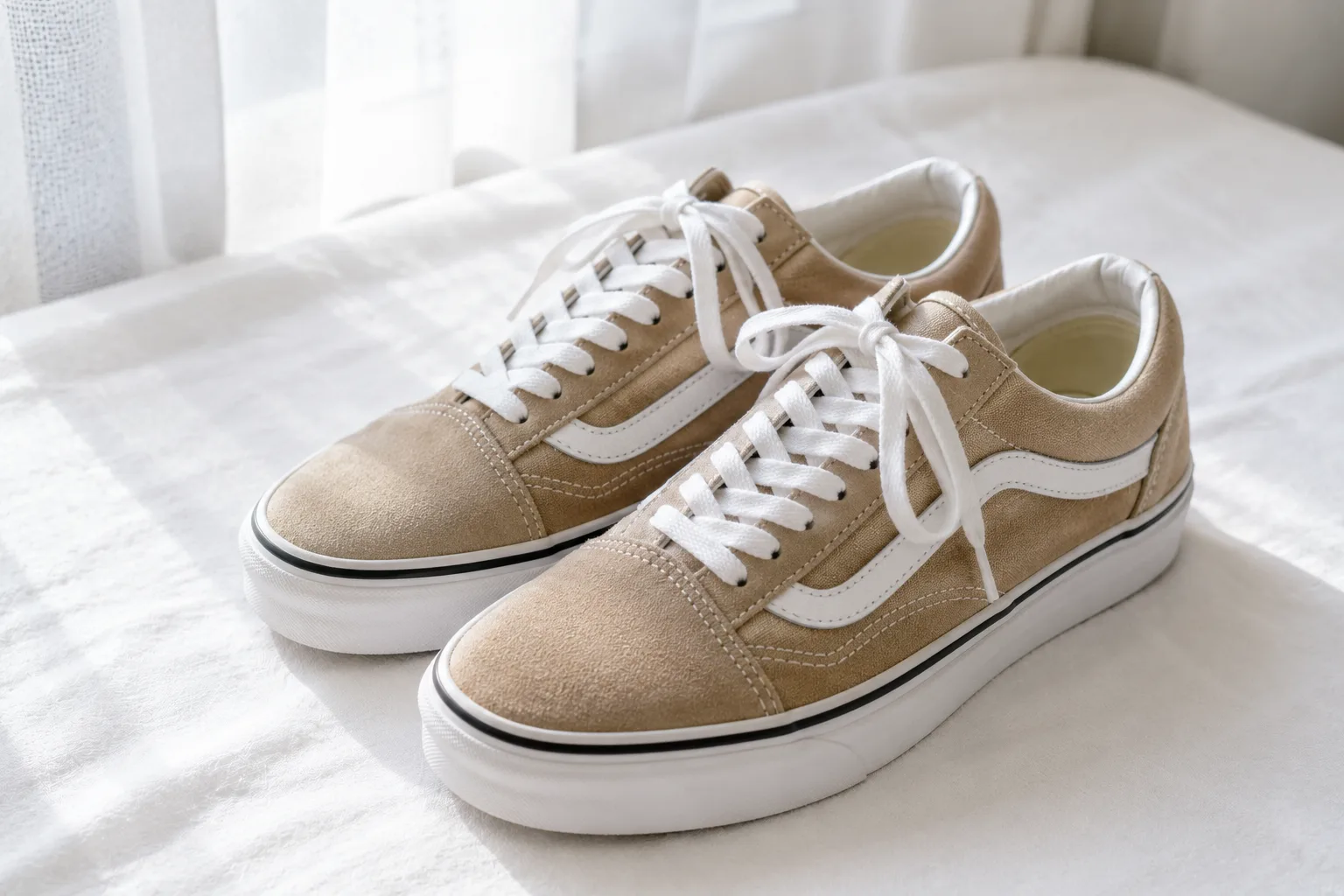
Reselling Photos of Shoes and Bags — Showing Dimension and Texture on a Phone
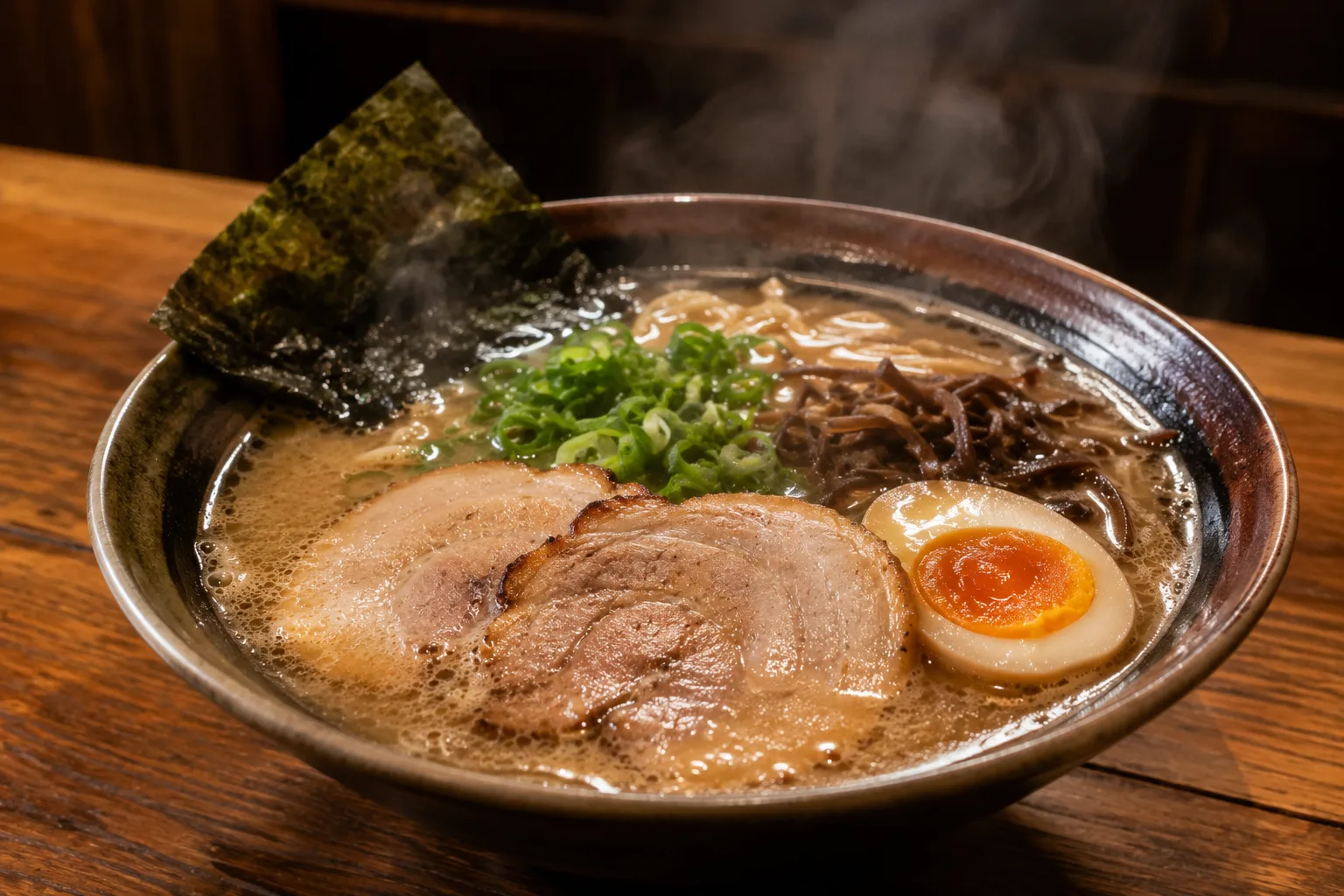
Shooting Ramen and Noodles That Look Mouthwatering — Steam, Toppings, Angle

Travel Photos Worth Remembering — Why They Look Like Postcards, and Cropping
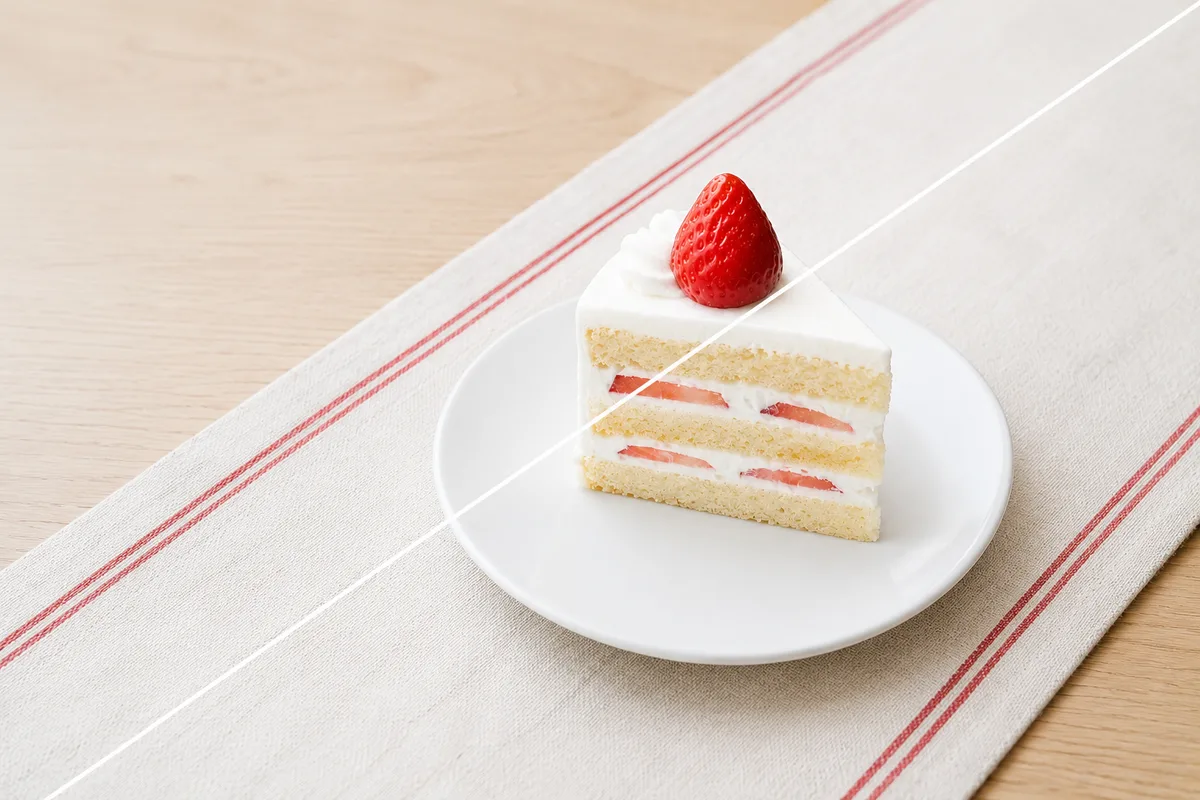
Sweets Photos Gain Movement with a Diagonal — Using the Slant
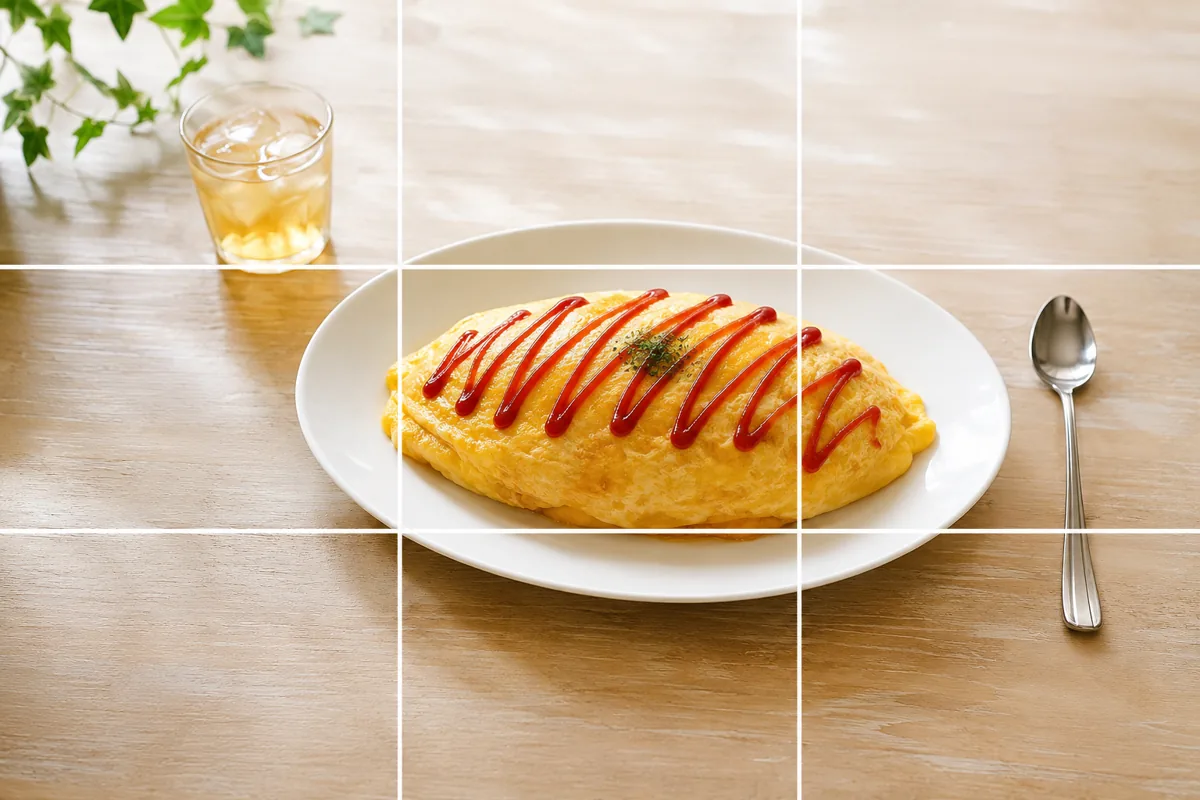
Food Photos Look Tastier with the Rule of Thirds — Placing the Subject
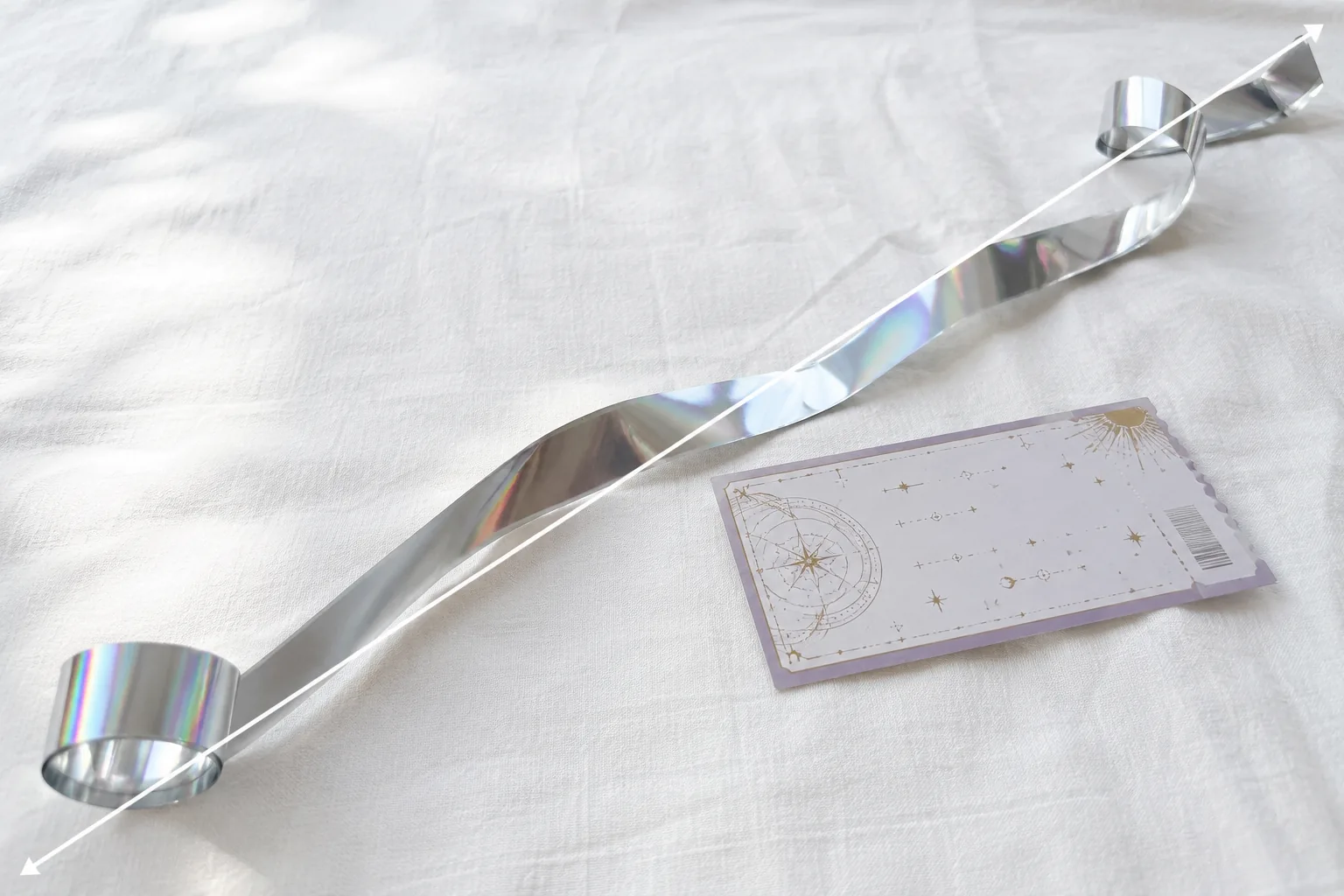
Photographing Silver Tape and Tickets — Dull Color and Lost Sparkle, Fixed
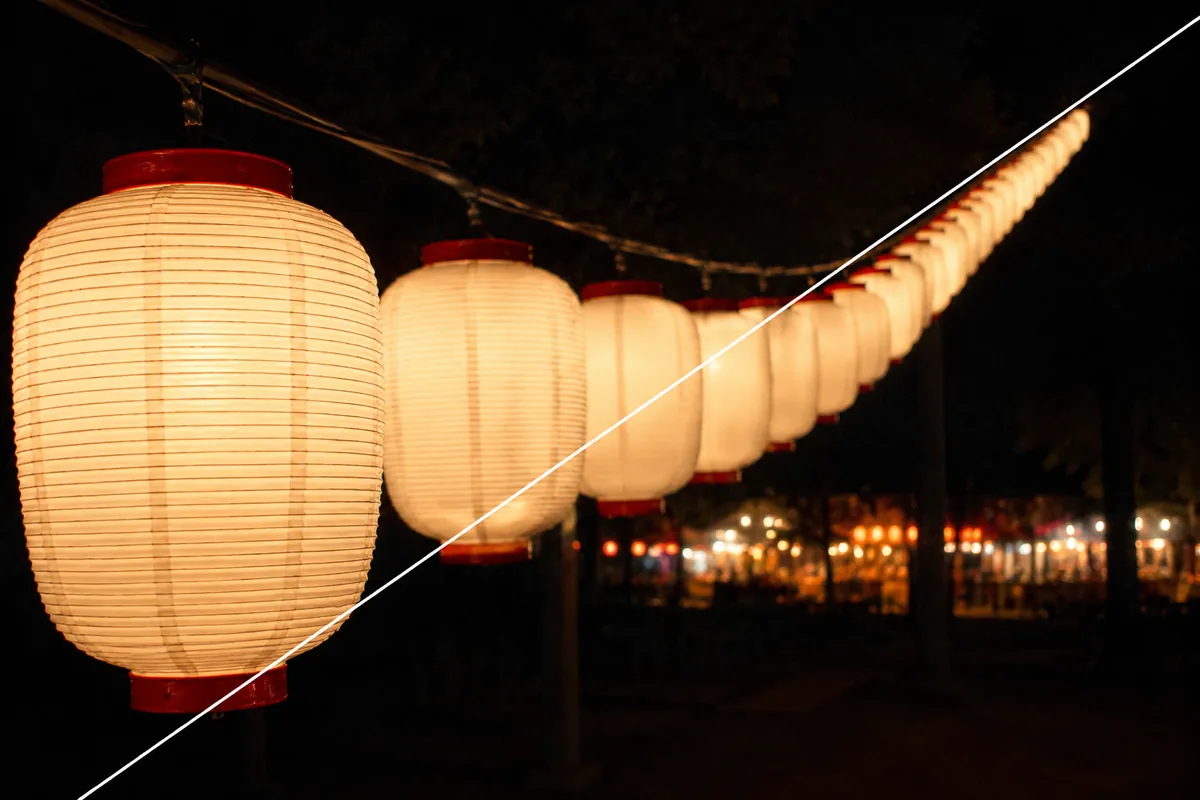
Summer Festivals — Why Night Shots Blur, and Shooting Lanterns and Stalls
Halloween — Why It Looks Cluttered, and Shooting Decorations and Costumes
Photographing a Moon-Viewing Display — Why the Dumplings Blow Out