Solutions
Subject-by-subject fixes for the photos you actually take — plushies, fan goods, food, products and more. Spot why a shot looks "almost there," then fix it with composition on your phone.
Other & basics78
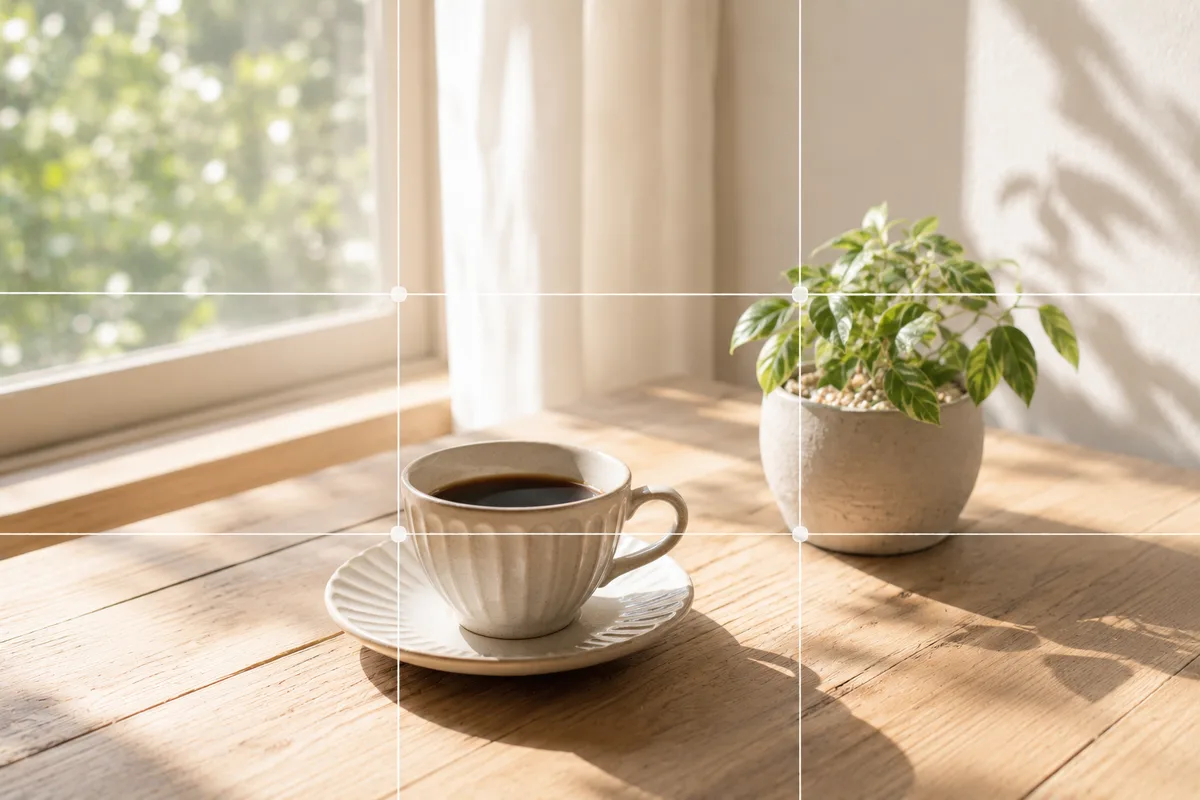
Fix the "Almost There" in Phone Photos With Composition — Using SmaPhoto Tips
Most "almost there" phone photos come down to composition, not gear. Here's how to navigate SmaPhoto Tips' three categories, plus the grid lines and brightness to try first.

How to Make Food Look Delicious — Why It Looks Bland and How to Fix It
Compose food to look delicious with your stock camera. Why it looks bland — angle mismatch, vague centering, too little space, darkness — then fix angle, placement and brightness.
What to Photograph in July: Today's Picks and a Seasonal Subject Calendar
Sunflowers, shaved ice, beaches, festivals — July is full of subjects at their best. A monthly guide with daily photo picks, July observances, and how-to articles for each.

Composing Marketplace Listing Photos That Sell — Clearing the Background
How to compose listing photos that sell on Mercari, eBay or Poshmark. Why they're hard to read — clutter, darkness, a small subject — then use white and shoot big and level.

The 8-Photo Listing That Tells the Whole Story — What to Shoot, in What Order
How to build a marketplace listing as an 8-photo set: give each photo a role — overall, back, close-up, size, flaws, accessories — and answer buyers' questions in advance.
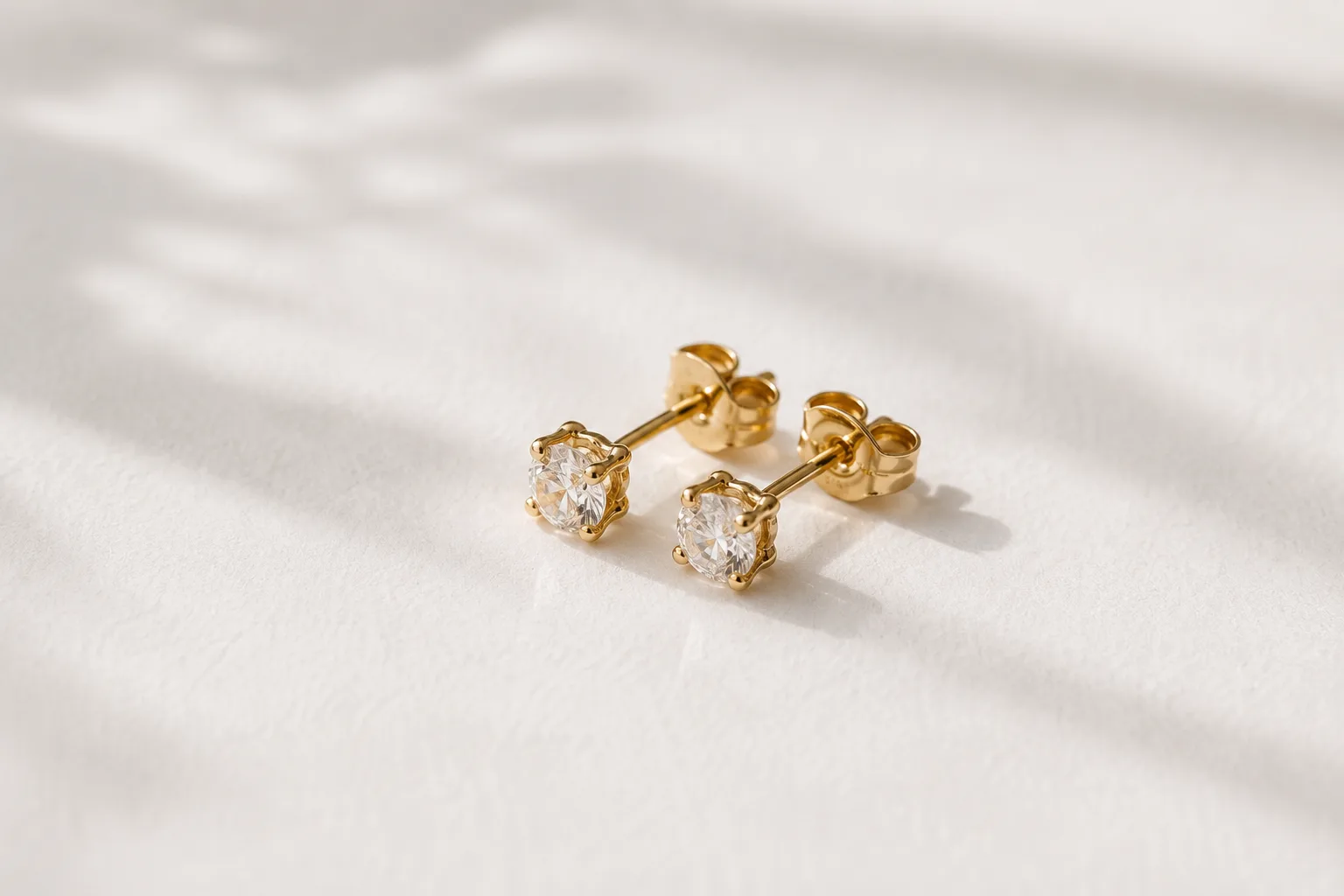
Composing Small Items and Accessories — Why They Look Dull and How to Fix It
Compose small items and accessories so they pop on a phone. Why they look dull — pulling back too far, space, placement — then fix it with closeness, space and a clean background.
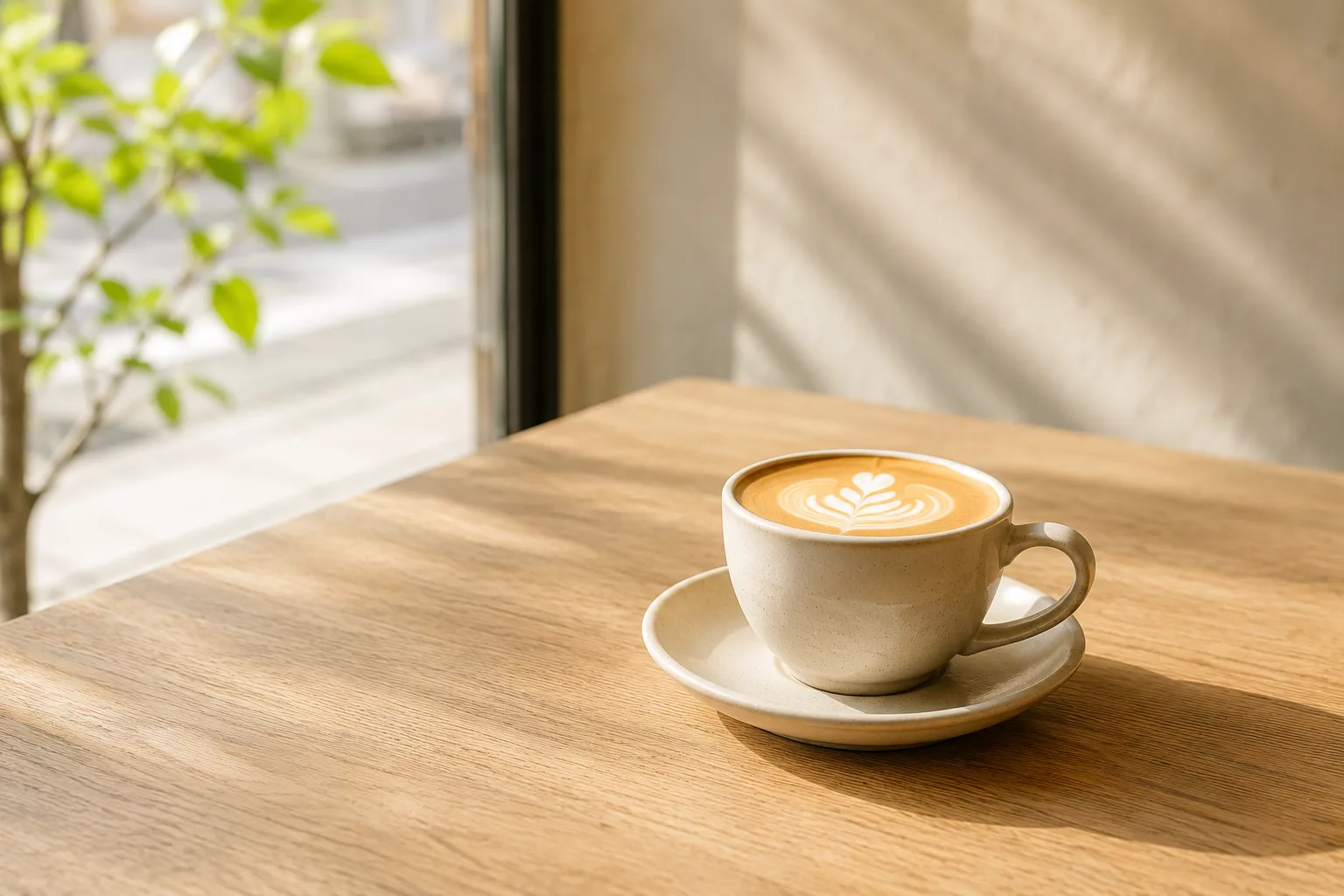
Composing Stylish Café Photos — Why They Don't Pop and How to Fix It
Compose stylish café photos with your stock camera. Why they don't pop — crammed in, too little space, light, a missed level — then narrow to one subject and use light and space.
Composing a Polished Social Media Icon — Making a Good Impression
Compose a polished social media icon on a phone. Why it looks unpolished — a small subject, busy background, darkness, no crop planning — then narrow to one subject and lift it.

Shooting Faces and Food Bright Even in Backlight — Why It Goes Dark and the Fix
Shoot faces and food bright even in backlight. Why they go dark — exposure pulled to the bright background — then lift the subject and use backlight to your advantage.
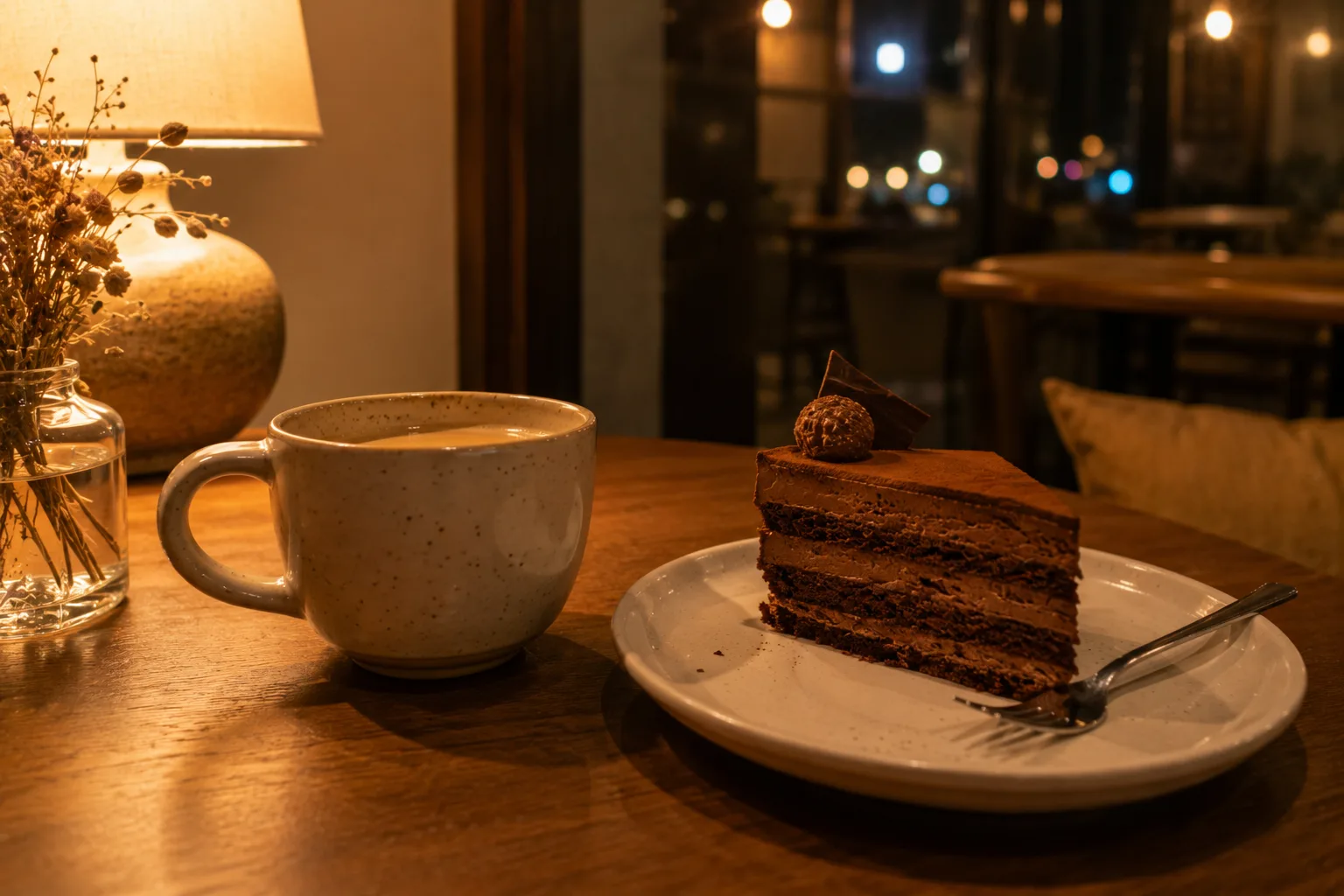
Shooting Cleanly in a Dark Room — Why It Blurs and Goes Dark, and the Fix
Shoot cleanly in a dark room on a phone. Why it blurs and goes dark — a slow shutter prone to shake — then use exposure, Night mode, two-hand bracing and a spot with light.
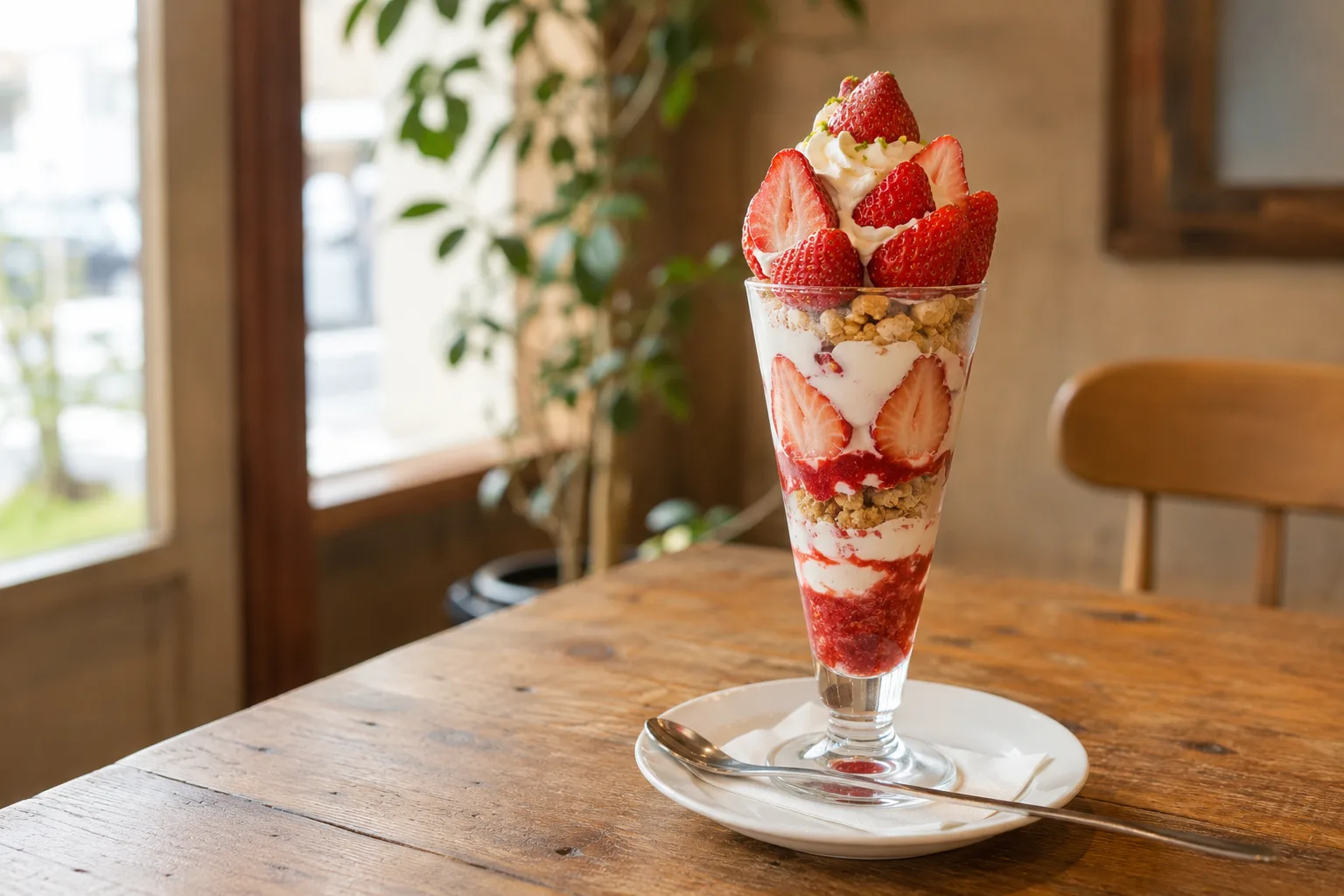
Composing Sweets and Parfaits That Pop — Showing Height and Gloss
Compose sweets and parfaits that pop on a phone. Why they don't — overhead on tall sweets, a small subject, too little light, a busy background — then show height and gloss.
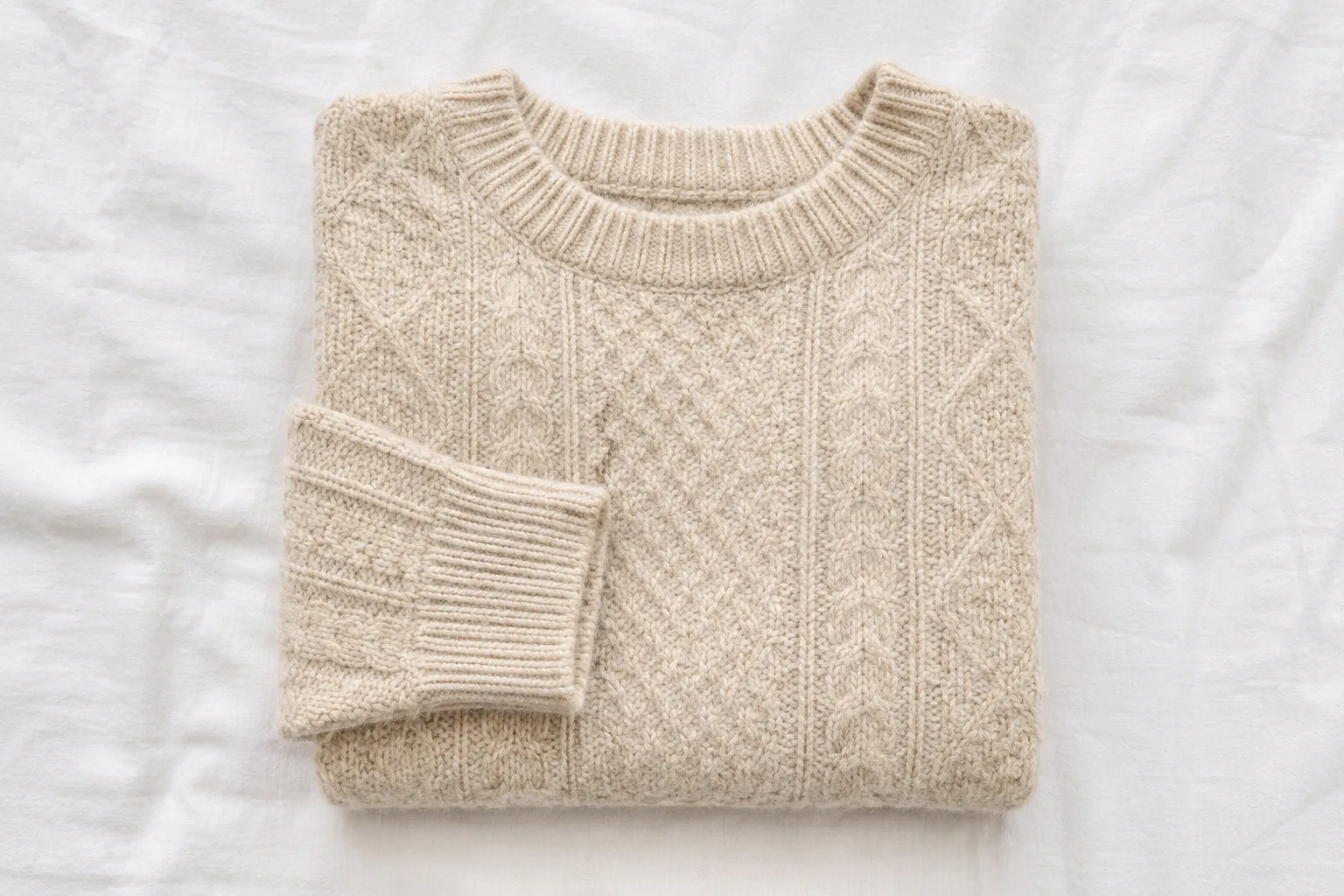
Shooting Clothing That Sells on Poshmark and Depop — Presentation and Background
How to shoot clothing that sells on Poshmark or Depop. Why it doesn't — wrinkles, darkness, clutter, off color — then smooth wrinkles, use white cloth and window light.

Flattering Selfies, Naturally — Why They Look Awkward, Plus Angle and Light
Take flattering selfies naturally on a phone. Why they look awkward or your face looks big — a low angle, too little light, over-centering — then fix angle, light and space.

Capturing Dogs' and Cats' Expressions — Fixing Motion, Darkness and Blur
Capture dogs' and cats' expressions on a phone. Why they blur or won't make eye contact — speed, high angle, darkness, focus — then crouch to eye level, focus the eyes, and burst.
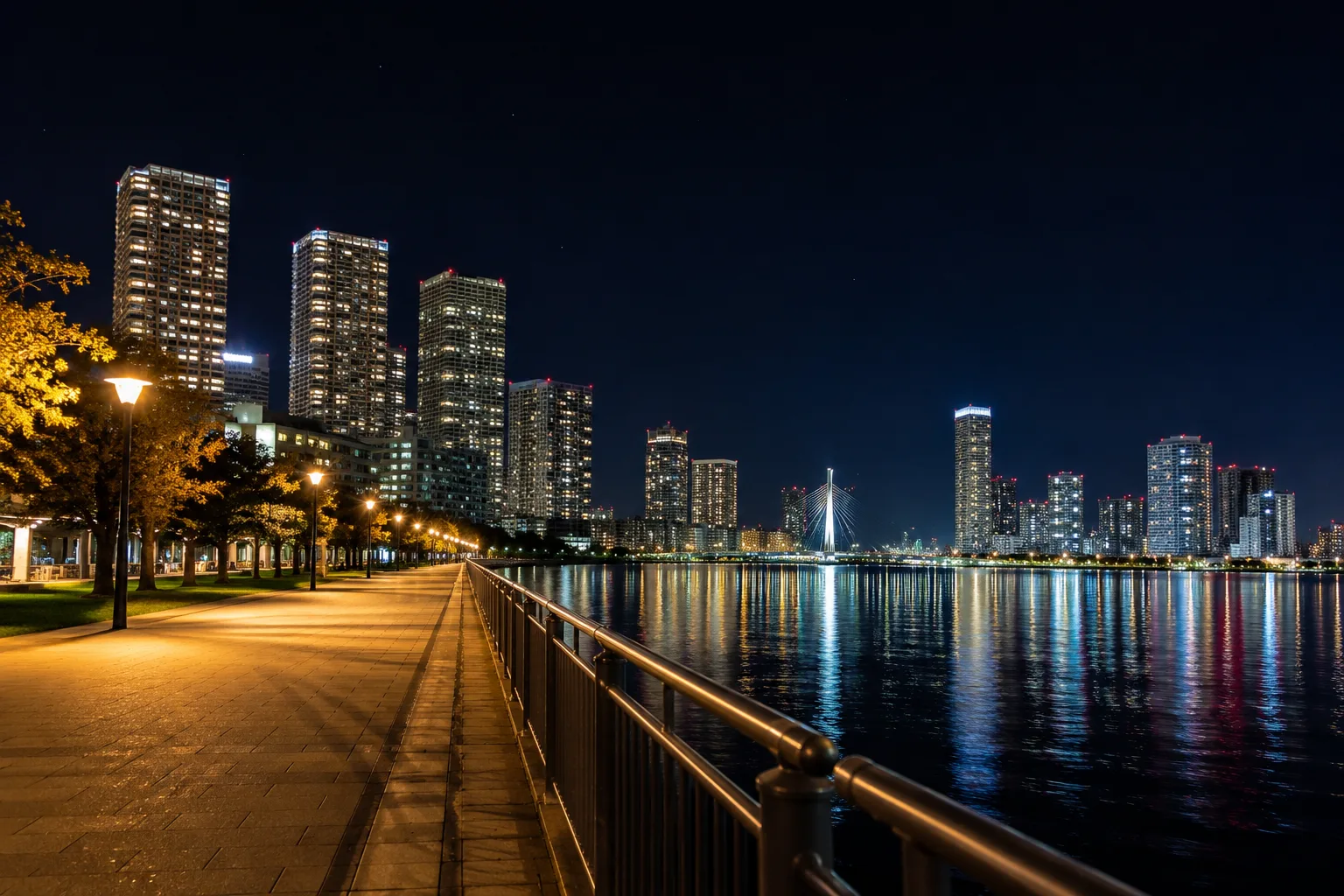
Shooting Night Views and Illuminations Crisp — Why They Blur, and Night Mode
Shoot night views, illuminations and fireworks crisp. Why they blur — shake, too little light, a dirty lens — then fix the phone, hold still in Night mode, and wipe the lens.
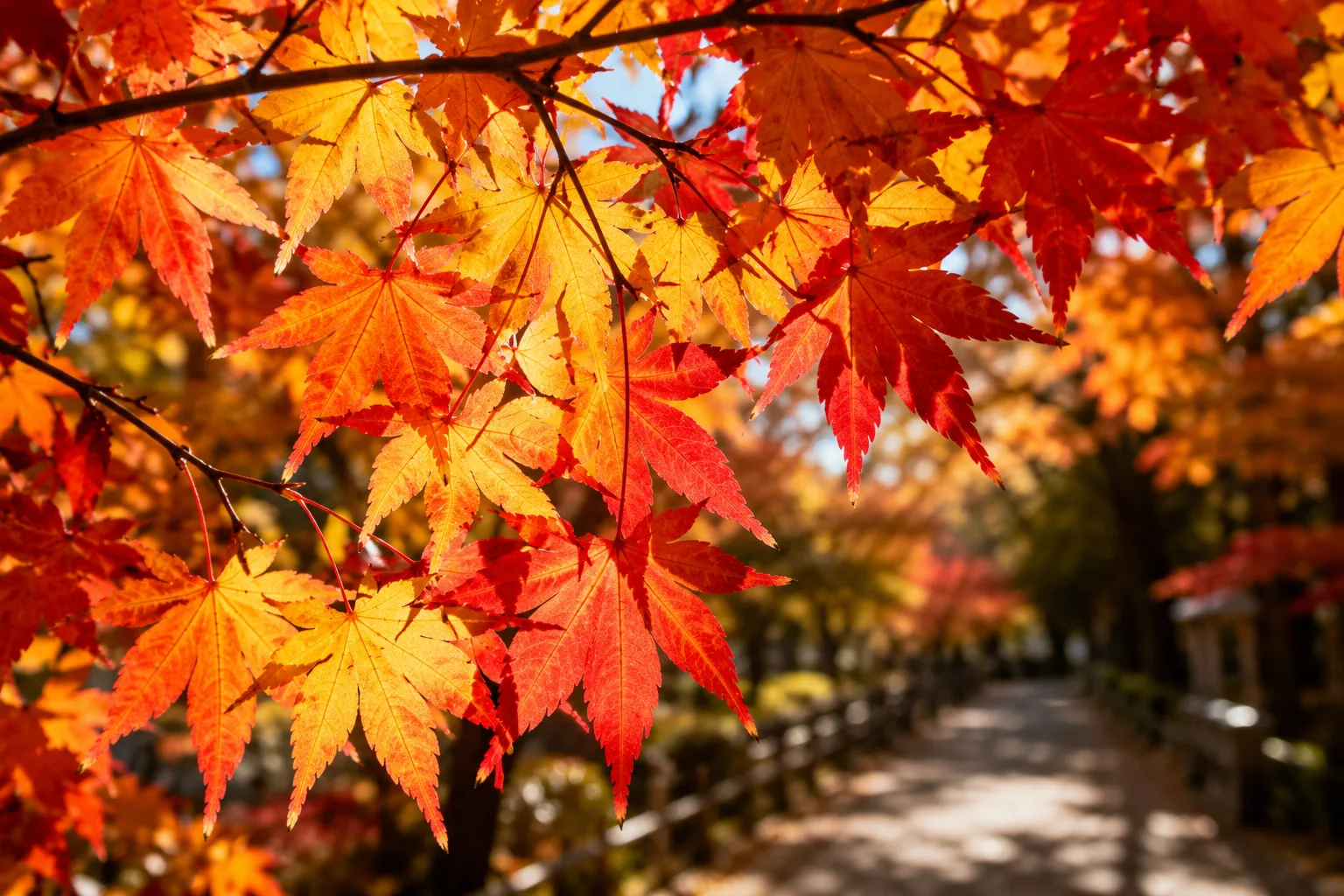
Shooting Vivid Autumn Leaves — Why They Look Flat, and Adding Dimension
How to shoot fall foliage vivid and dimensional. Why it looks flat — front light, not moving in, a blown-out sky — then catch light through the leaves and move in for depth.
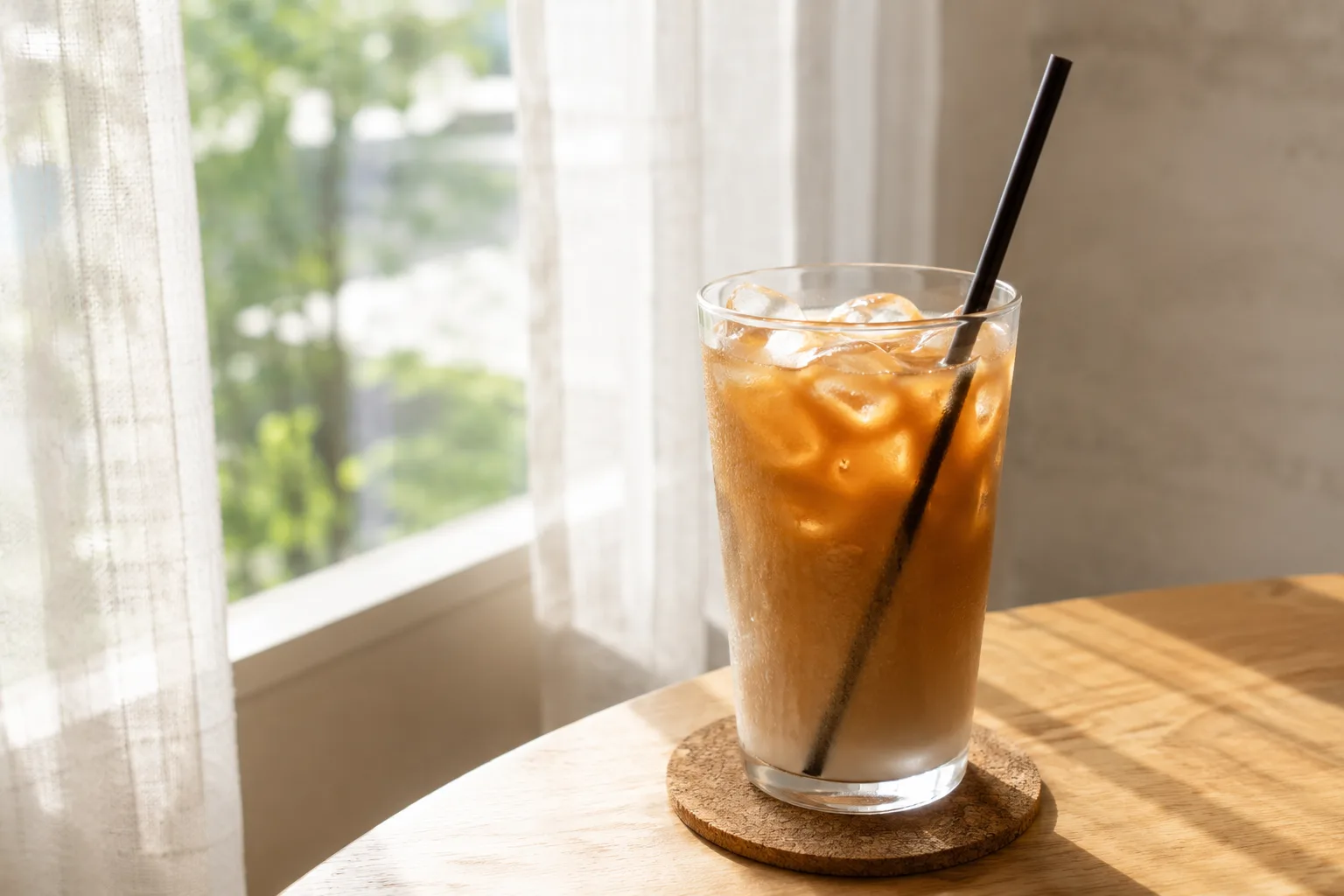
Making Drinks and Lattes Pop — Sorting Out Light and Composition
Make drinks and lattes pop on a phone. Why they don't — front light, a missed level, a busy background — then use semi-backlight for clarity and level your latte art.
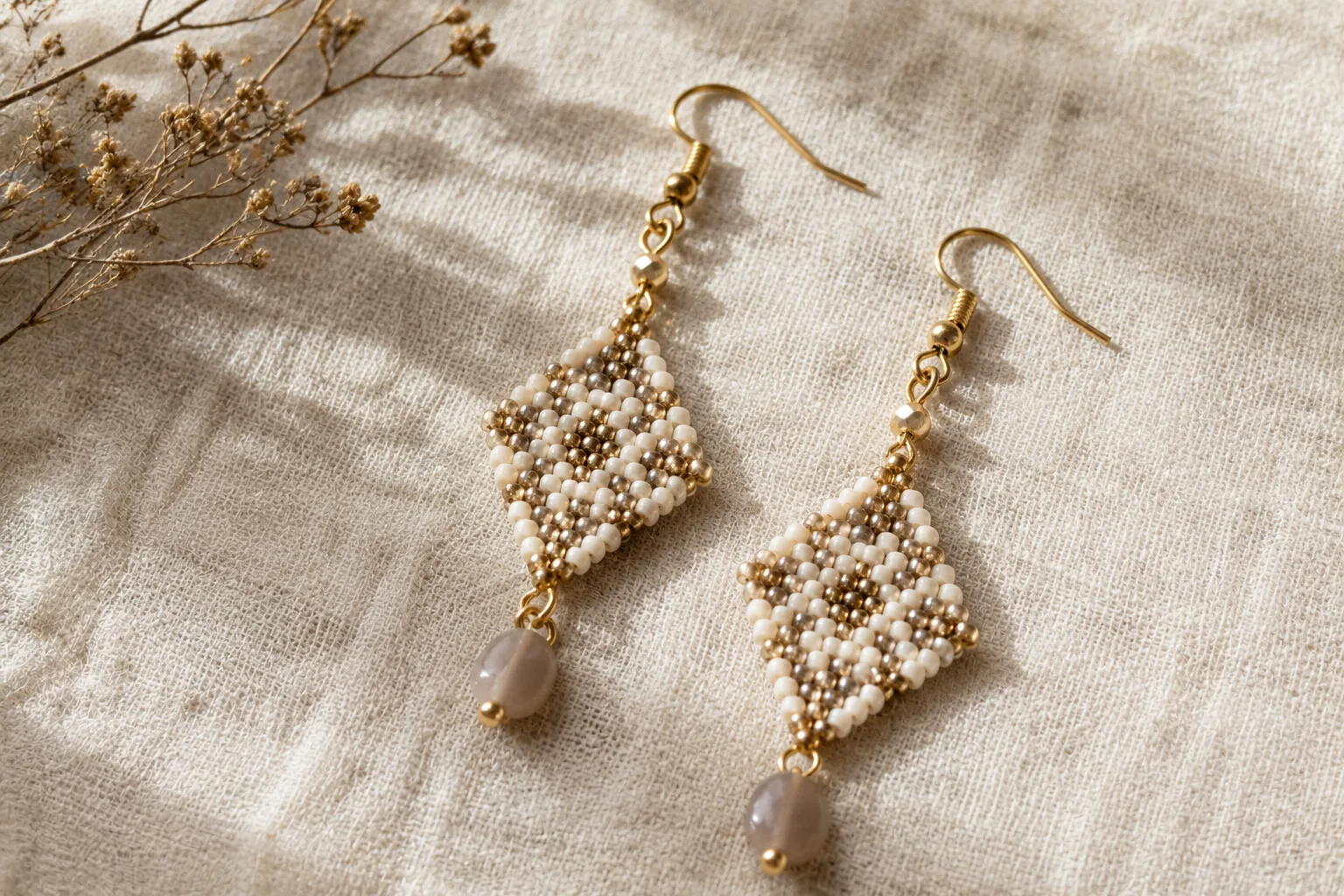
Shooting Handmade Pieces Beautifully for Etsy — Why They Look Cheap, and the Fix
How to shoot handmade pieces beautifully for Etsy. Why they look cheap — clutter, harsh light, not moving in — then lay a plain surface, use soft window light, move in on texture.

Capturing Kids' Natural Expressions — Fixing Blur and Darkness
Capture kids' natural expressions on a phone. Why they blur or you miss the look — speed, high angle, darkness, focus — then lower your eye level, burst, and focus the face.

Fitting Everyone in a Group Photo — Fixing Tilt, Darkness and Framing
Fit everyone cleanly in a group photo on a phone. Why it tilts, darkens or won't fit all — level, backlight, cramming, angle — then use the grid, timer, arrangement and space.
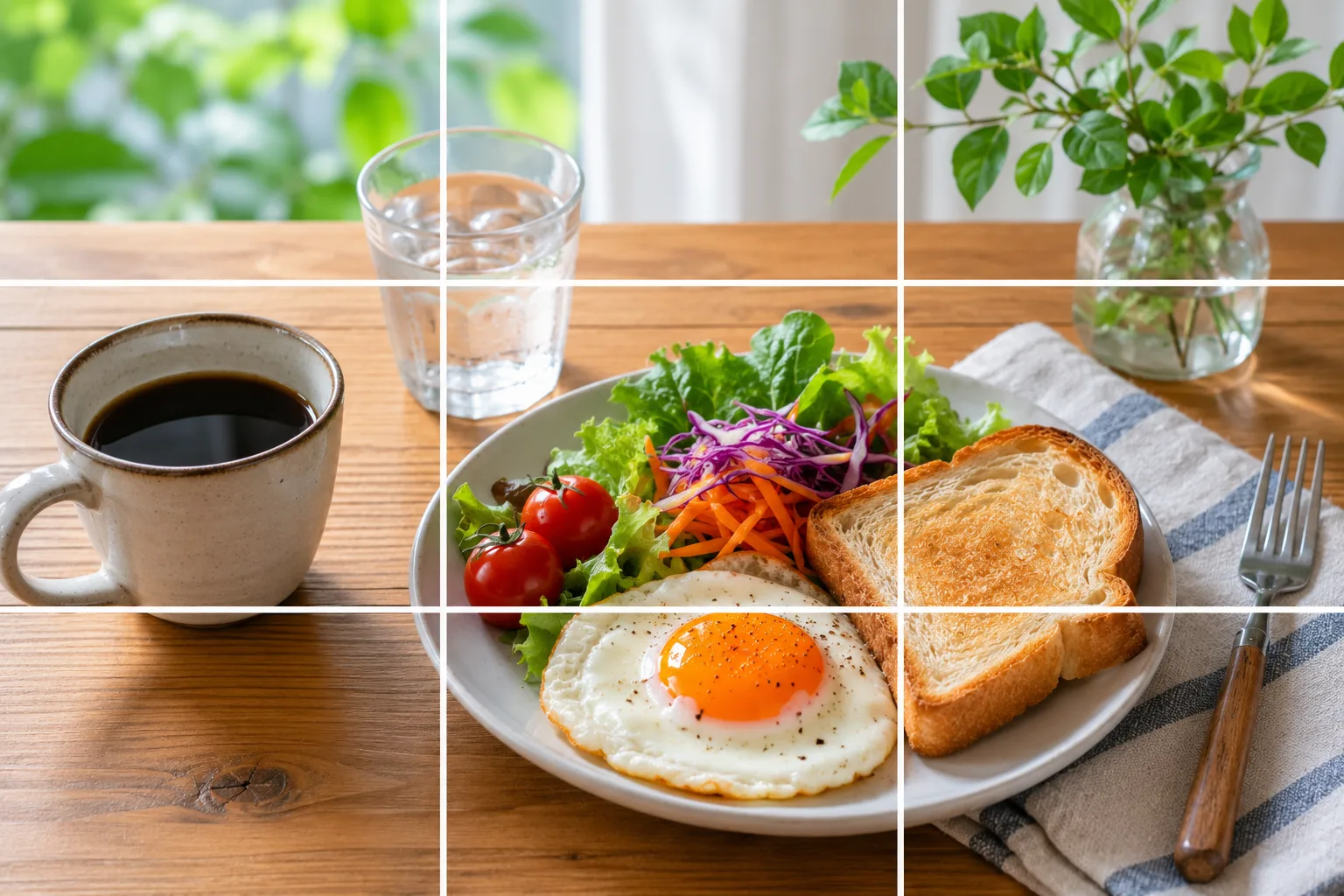
How to Keep Photos Level — Why They Tilt and How to Fix It
Keep photos level on a phone. Why they tilt — no level reference while shooting — then line a horizontal grid line up, use the level for overhead shots, and straighten afterward.
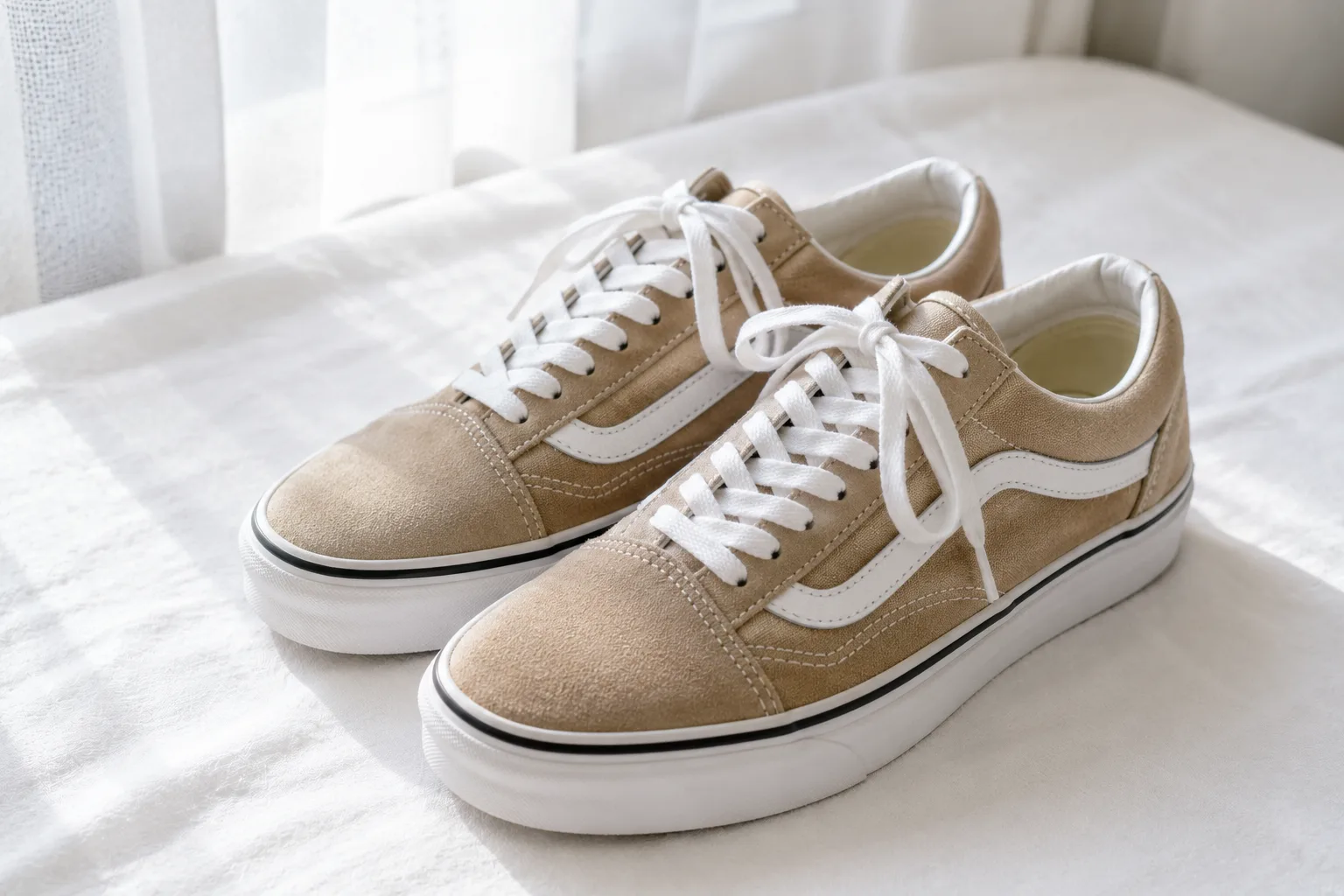
Reselling Photos of Shoes and Bags — Showing Dimension and Texture on a Phone
How to shoot shoes and bags with dimension for reselling. Why they look flat — head-on, darkness, lost shape — then shoot front-diagonal, set the shape, use bright window light.
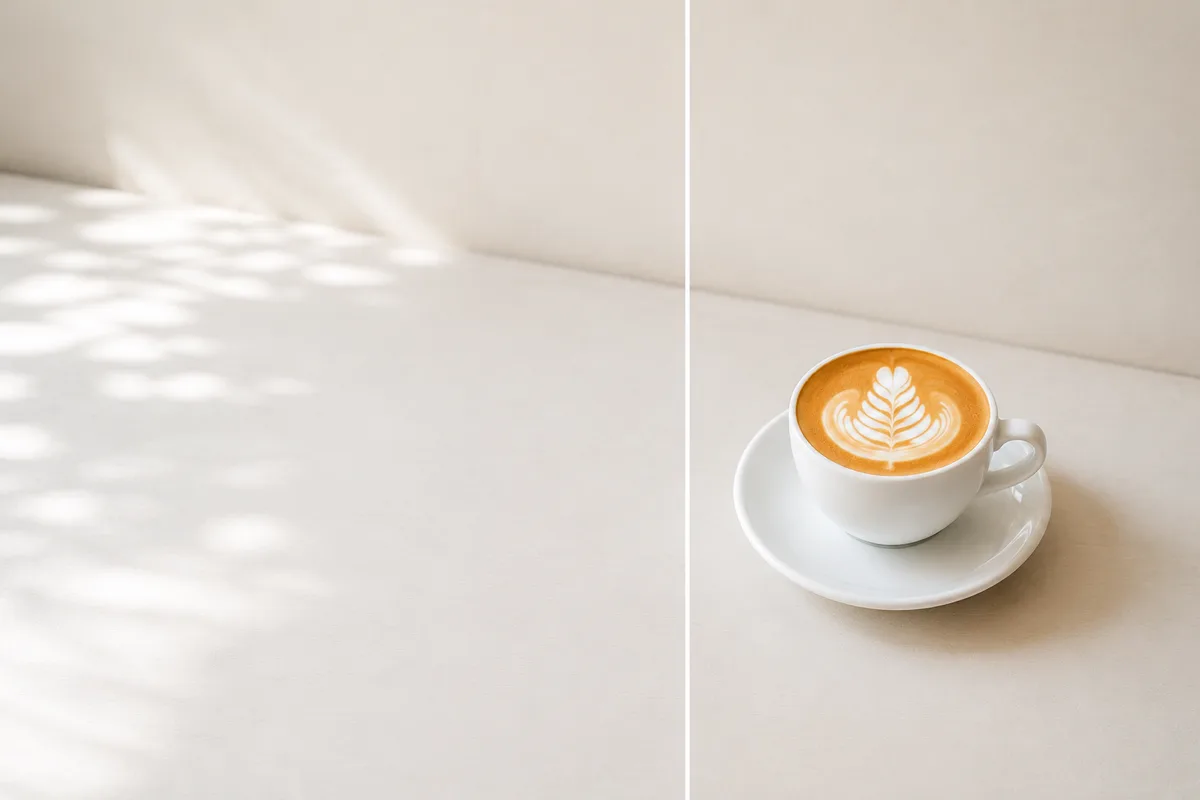
Café Photos Look Stylish with Negative Space — Clearing the Clutter
Café photos look busy when you cram in too much. Use negative space to narrow to one subject and open bright empty room — grid steps, mistakes, and a before/after.
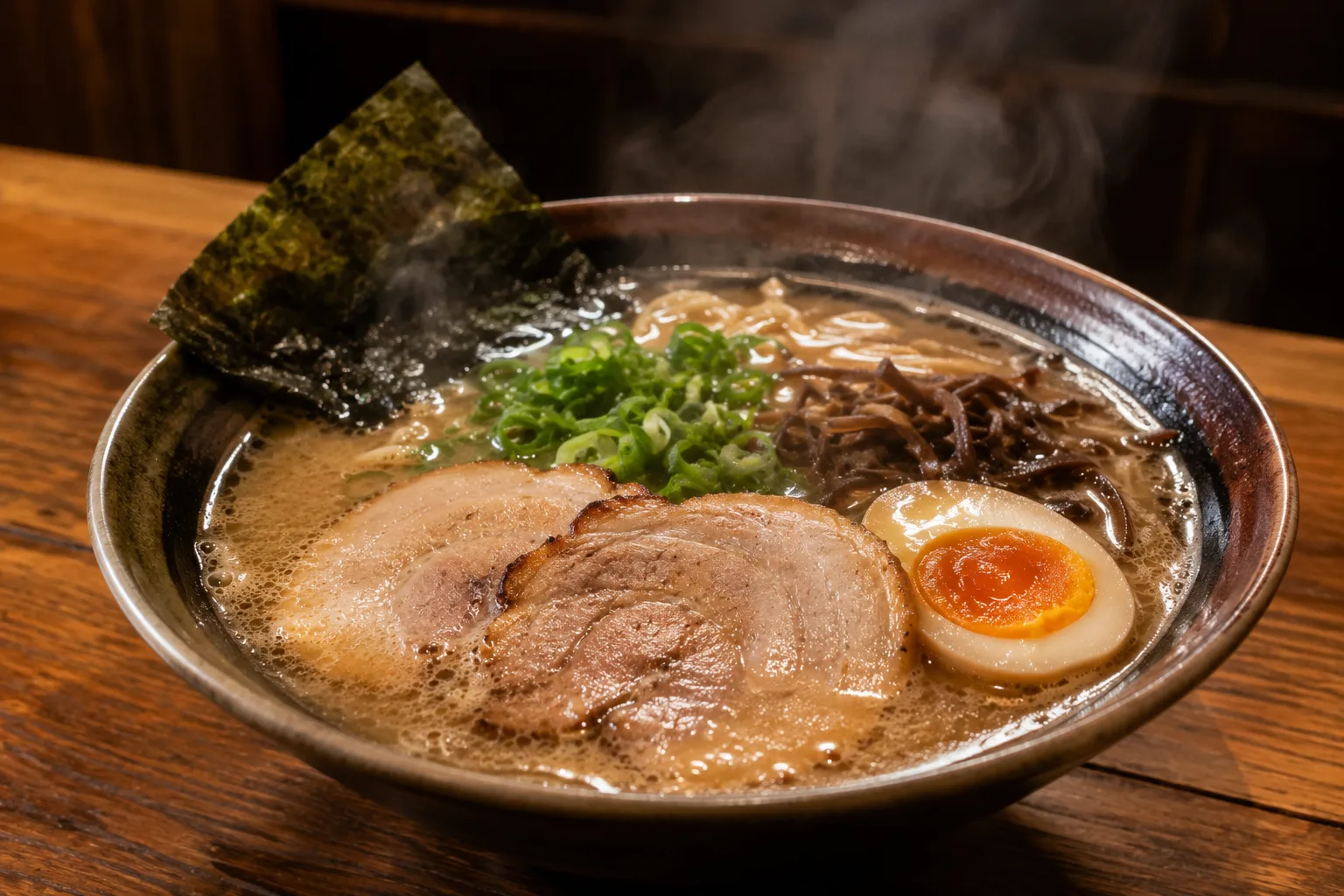
Shooting Ramen and Noodles That Look Mouthwatering — Steam, Toppings, Angle
Shoot ramen and noodles to look mouthwatering on a phone. Why they look dull — overhead on a tall bowl, darkness, toppings, steam — then shoot at 45° and use the steam.
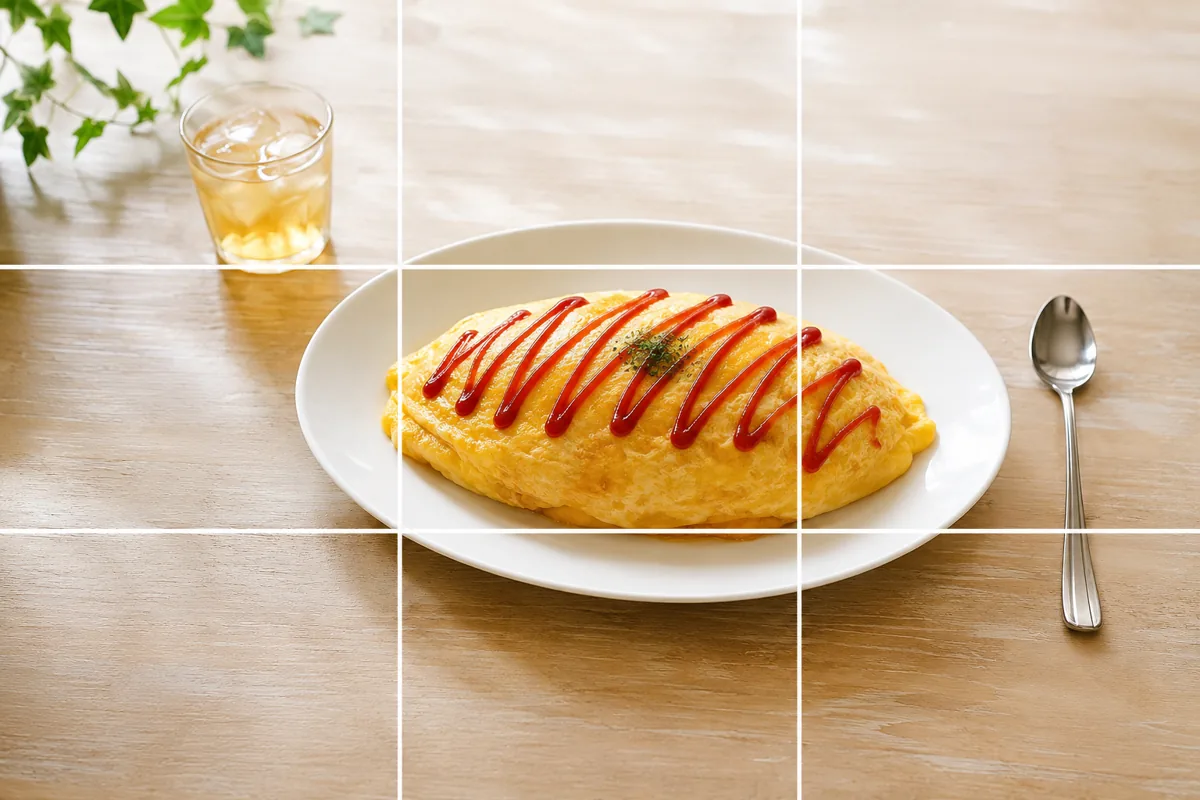
Food Photos Look Tastier with the Rule of Thirds — Placing the Subject
Bland food photos are often the plate planted dead center. Use the rule of thirds to place the subject on an intersection — grid steps, mistakes, and a before/after.

Shooting Landscapes With Depth — Why They Look Flat and How to Level
Shoot landscapes with depth on a phone. Why they look flat — a missed level, no foreground, the sky — then level, add a foreground and a line into the distance, balance the sky.
A Center Composition Is the Right Call for Social Icons
Social icons suit a center composition — the subject stays put even cropped small and round. Center-placement steps: background, space, level, plus mistakes and an example.

Travel Photos Worth Remembering — Why They Look Like Postcards, and Cropping
Make travel photos worth remembering on a phone. Why they look like a brochure — pulling back, no subject, people and light — then crop with frames, depth and close-ups.
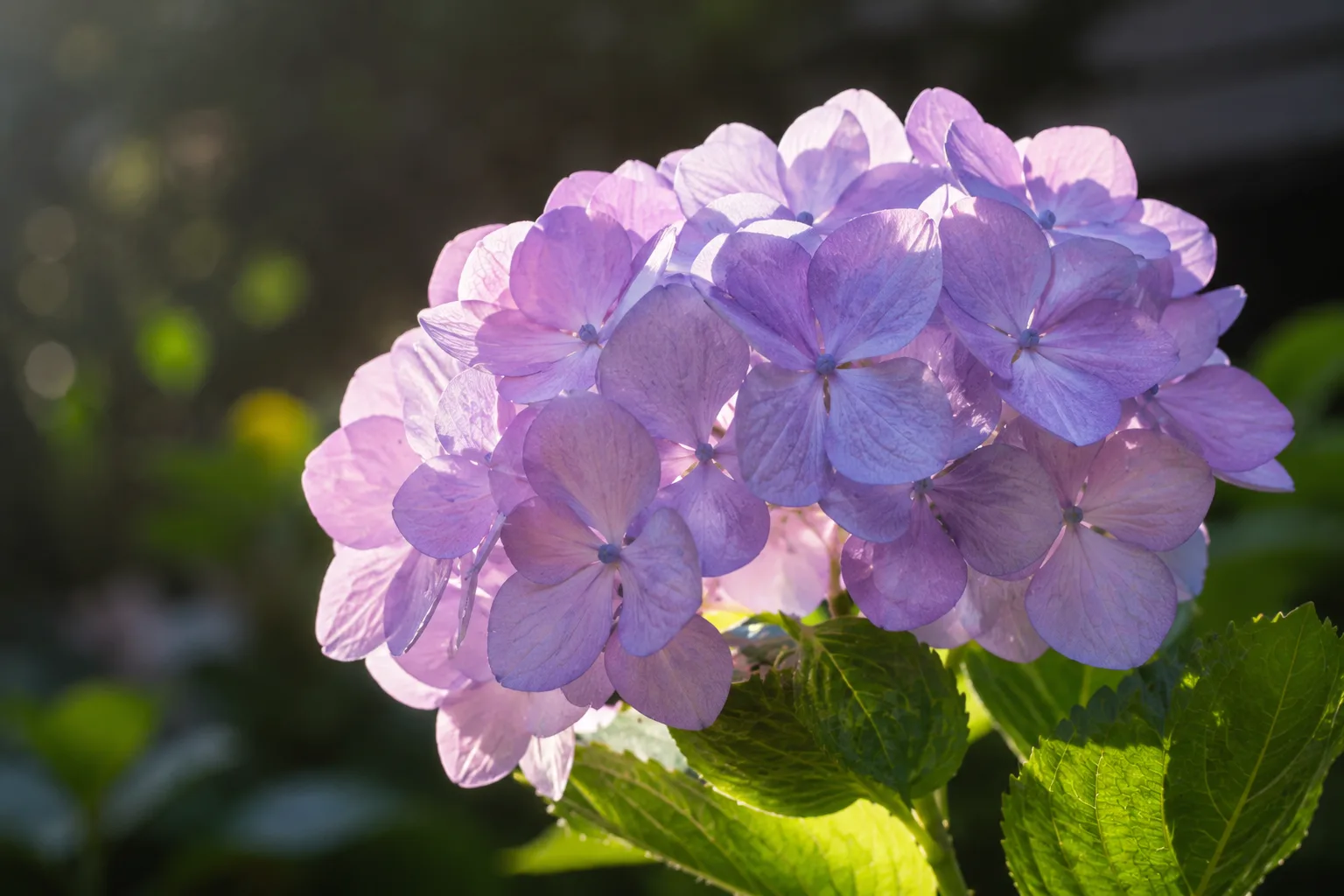
Composing Flowers That Stand Out — Closeness, Light and Background
How to compose flowers that stand out. Why they look plain — pulling back, a busy background, light — then move in on one bloom, tidy the background and use transmitted light.
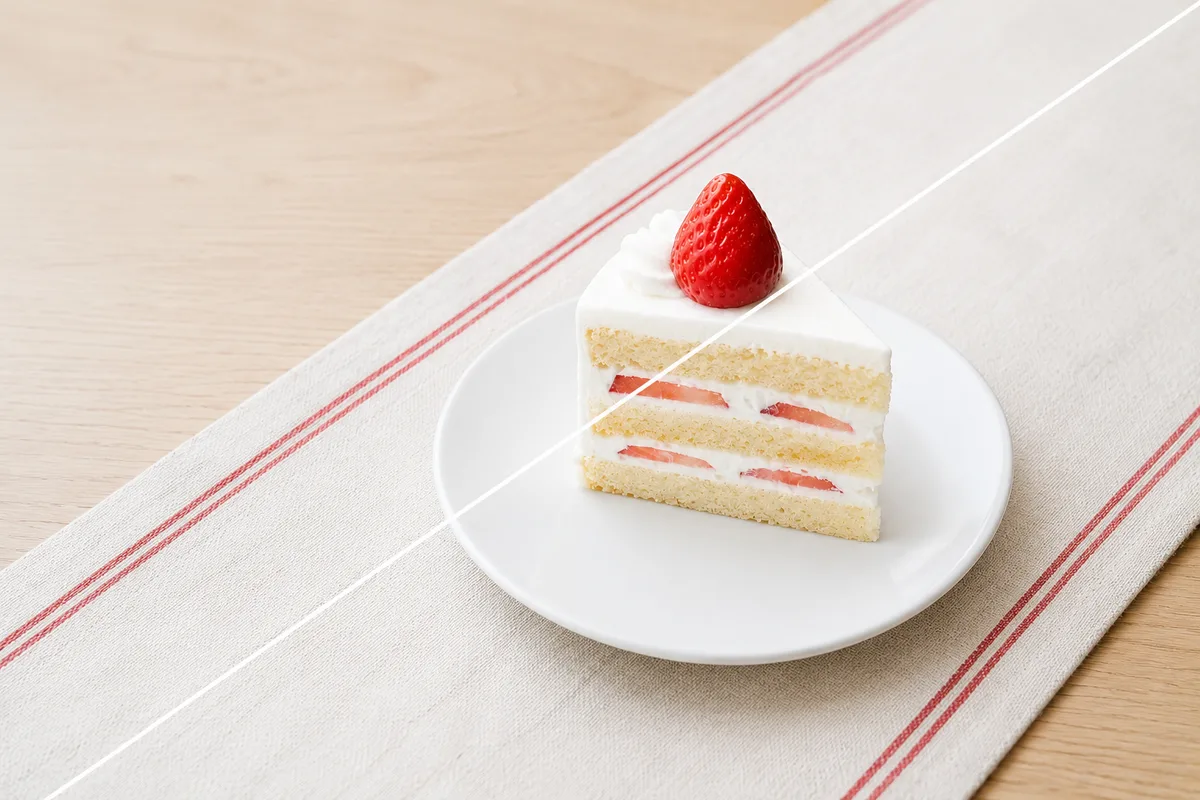
Sweets Photos Gain Movement with a Diagonal — Using the Slant
Sweets look flat shot straight-on. Use a diagonal to run a spoon or plate edge across the frame for movement and depth — grid steps, mistakes, and an example.
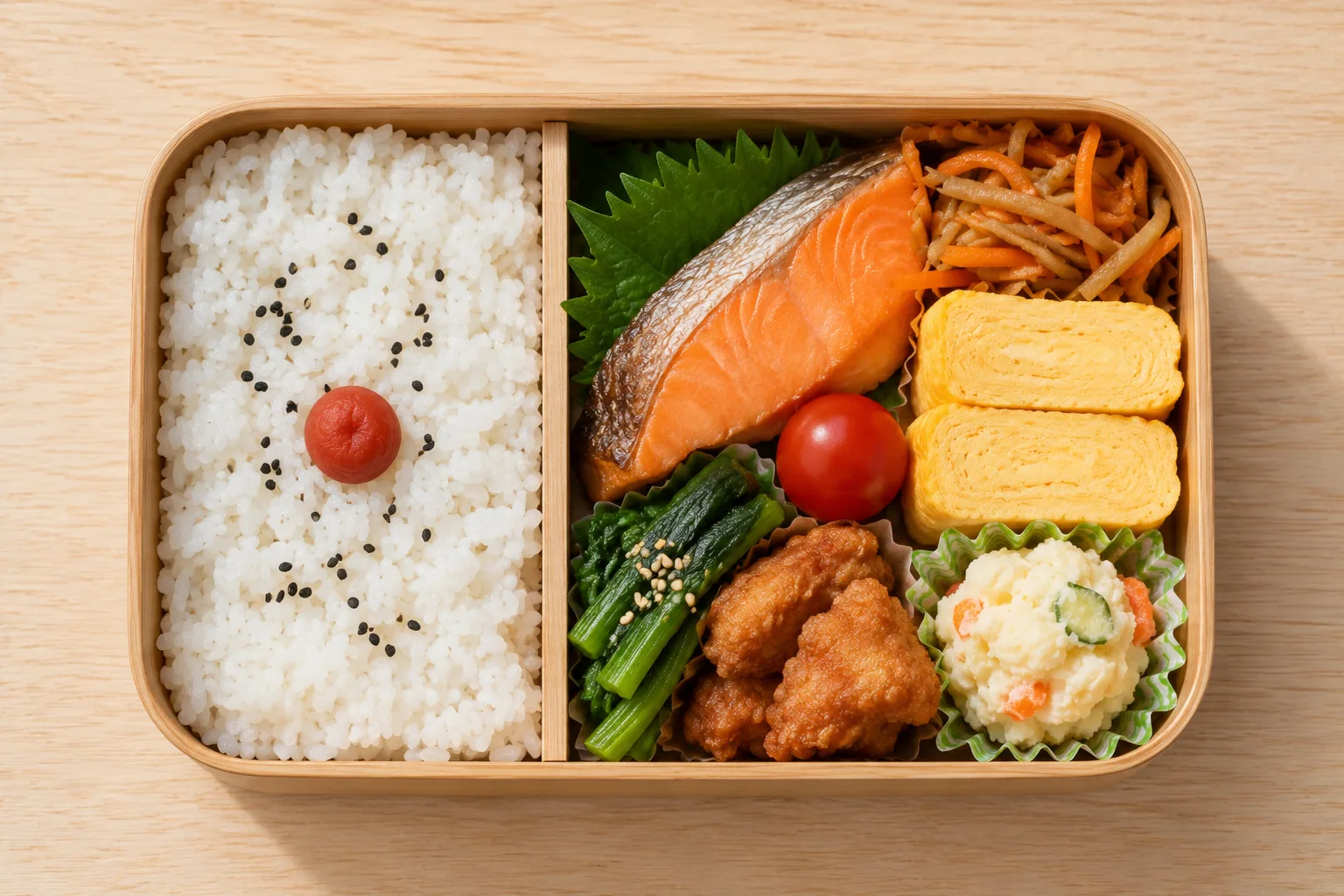
How to Photograph Bento to Look Delicious — Color and the Overhead Shot
Photograph bento to look delicious on a phone. Why it looks brown and dull — an angled view, too little color, darkness — then shoot flat bento level from overhead and add color.
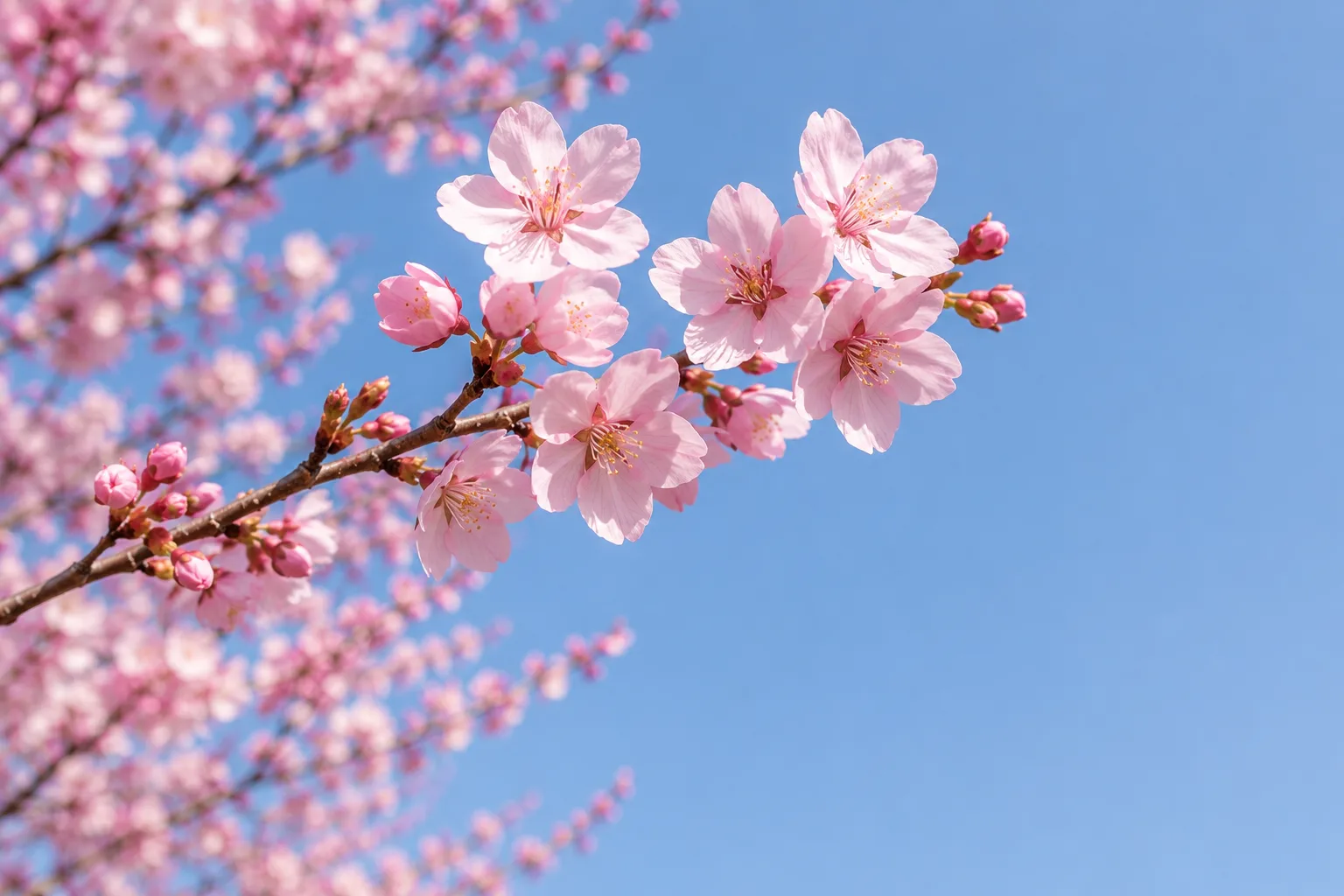
Shooting Cherry Blossoms Strikingly — Why They Wash Out, and Using Color and Sky
How to shoot cherry blossoms (sakura) vivid and striking. Why they wash out — sky exposure, not moving in, a busy background — then lower brightness and move in on one branch.
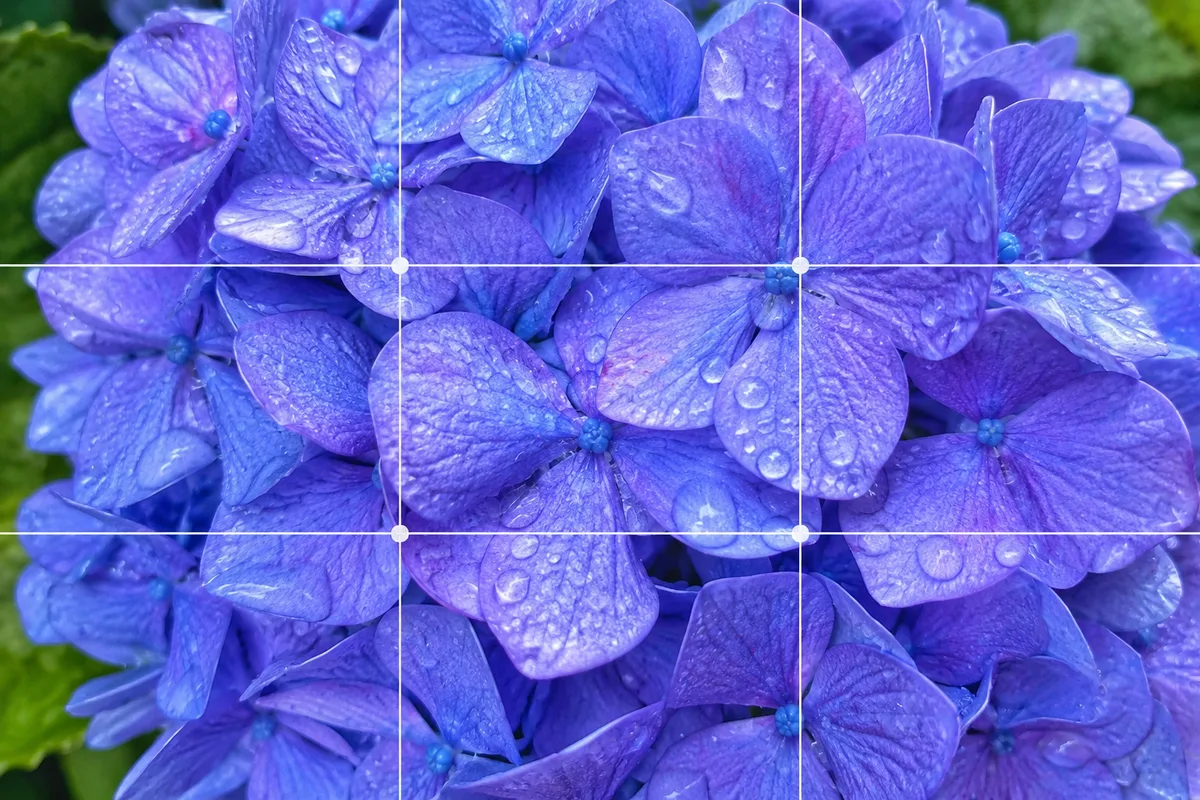
Shooting Fresh, Dewy Hydrangeas — Why They Look Hazy, and Bringing Out Color
How to shoot hydrangeas fresh and vivid. Why they look hazy — exposure to a gray sky, pulling back, clutter, dull color — then lower brightness and use soft light and water drops.
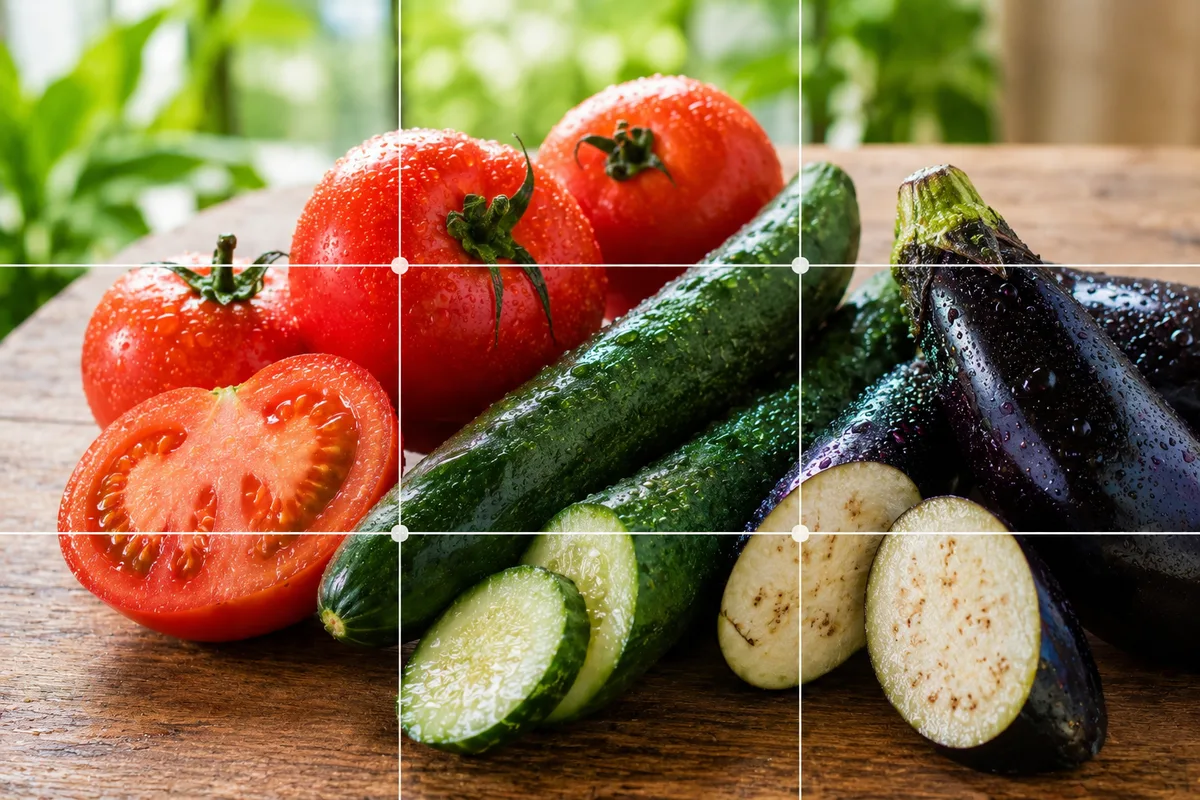
Shooting Fresh, Dewy Summer Vegetables — Why They Look Dull and How to Fix It
How to shoot summer vegetables fresh and dewy. Why they look dull — flat light, whole-only framing, clutter, darkness — then bring out gloss and the cut face.
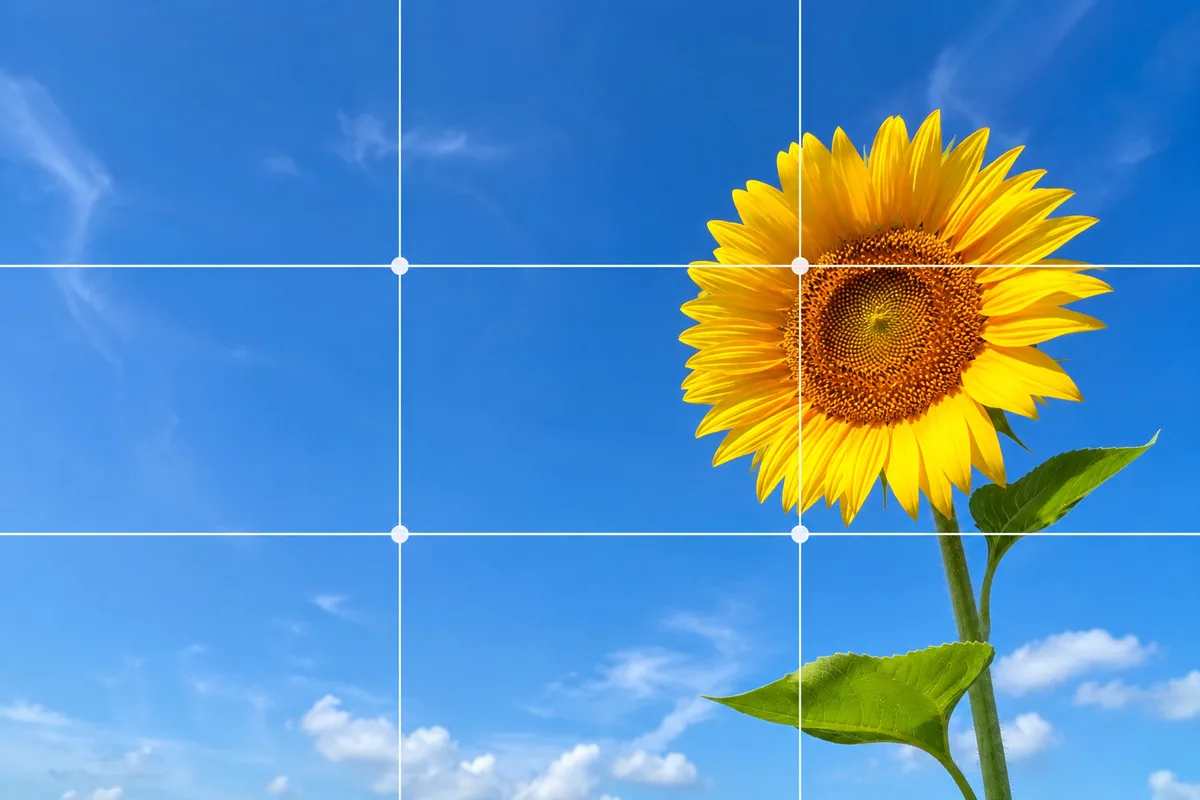
Shooting Sunflowers Full of Energy — Why They Look Plain, and Using Blue Sky
How to shoot sunflowers full of energy. Why they look plain — flat front light, exposure to the sky, no subject, always centered — then use blue sky and make a subject stand out.
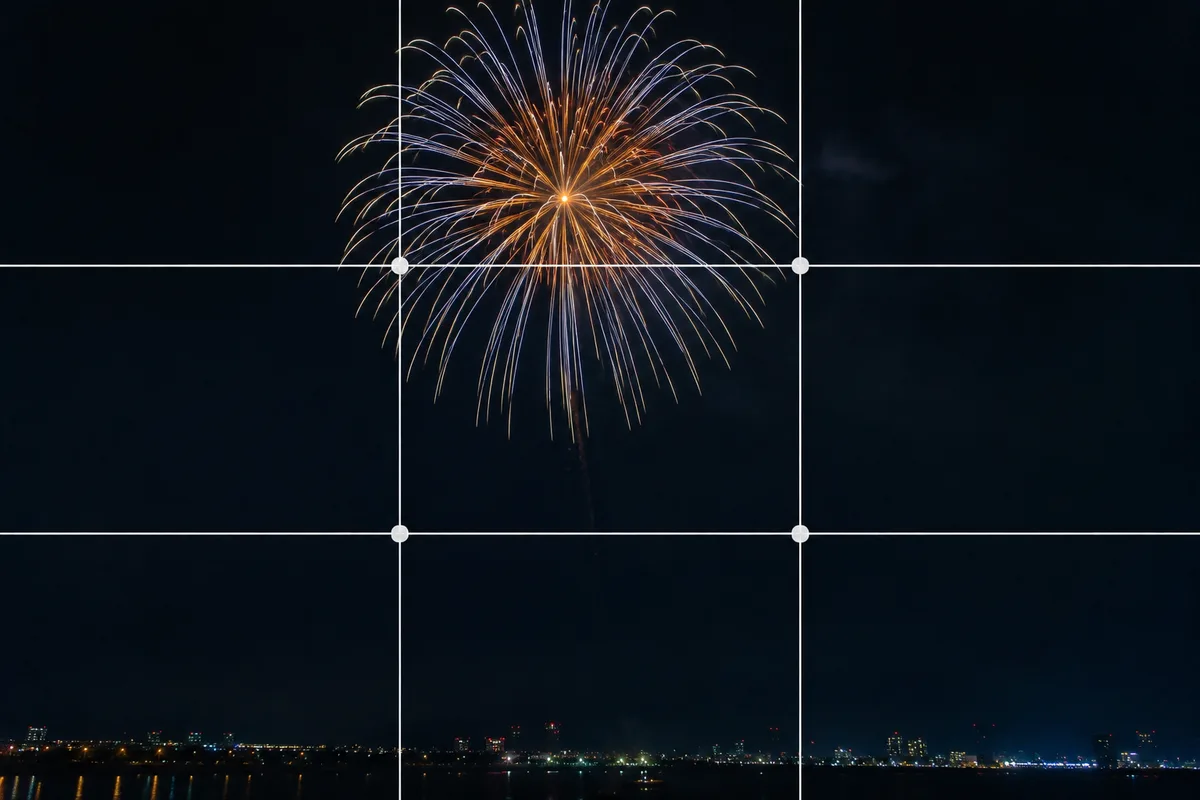
Shooting Fireworks Big and Crisp — Fixing Blur and Timing
How to shoot fireworks big and crisp. Why they don't work — shake, missed timing, dark smear, pulling back — then fix the phone, time it, and use Night mode or burst.
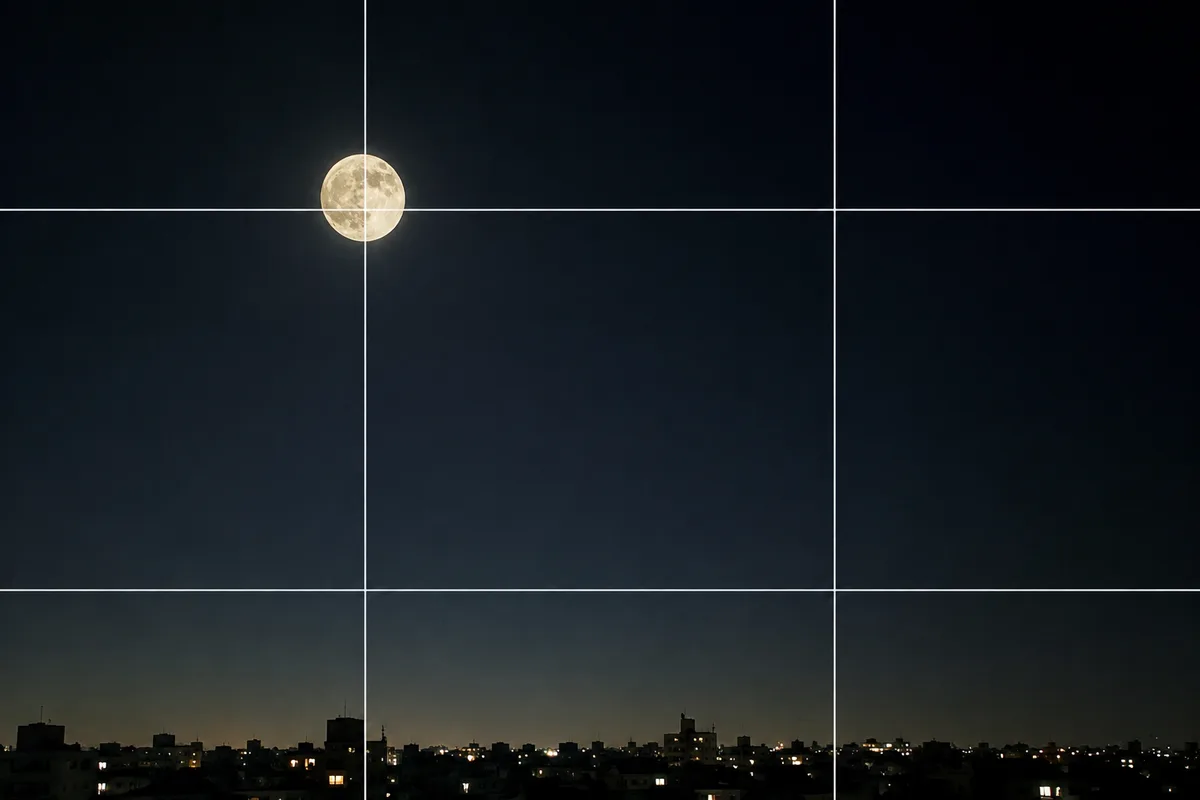
Shooting the Moon Clearly — Why It Becomes a White Dot, and What a Phone Can Do
How to shoot the moon on a phone. Why it becomes a white dot (auto exposure for the dark sky), tap and lower brightness, fix the phone, know the zoom limit — honestly.
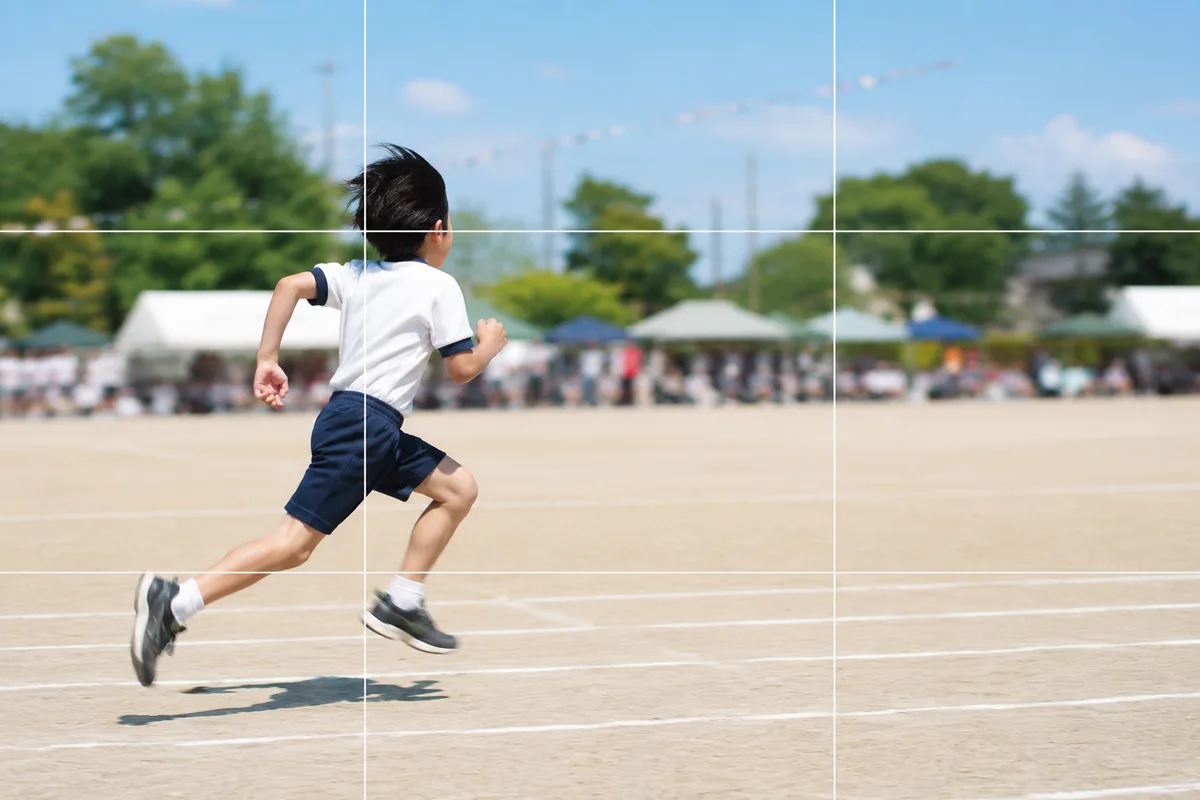
Shooting Kids Sharp at Sports Day — Fixing Blur, Distance and Backlight
How to shoot running kids sharp at sports day. Fix blur with burst and pre-focusing, find the zoom compromise, make light work for faces — plus where to stand.
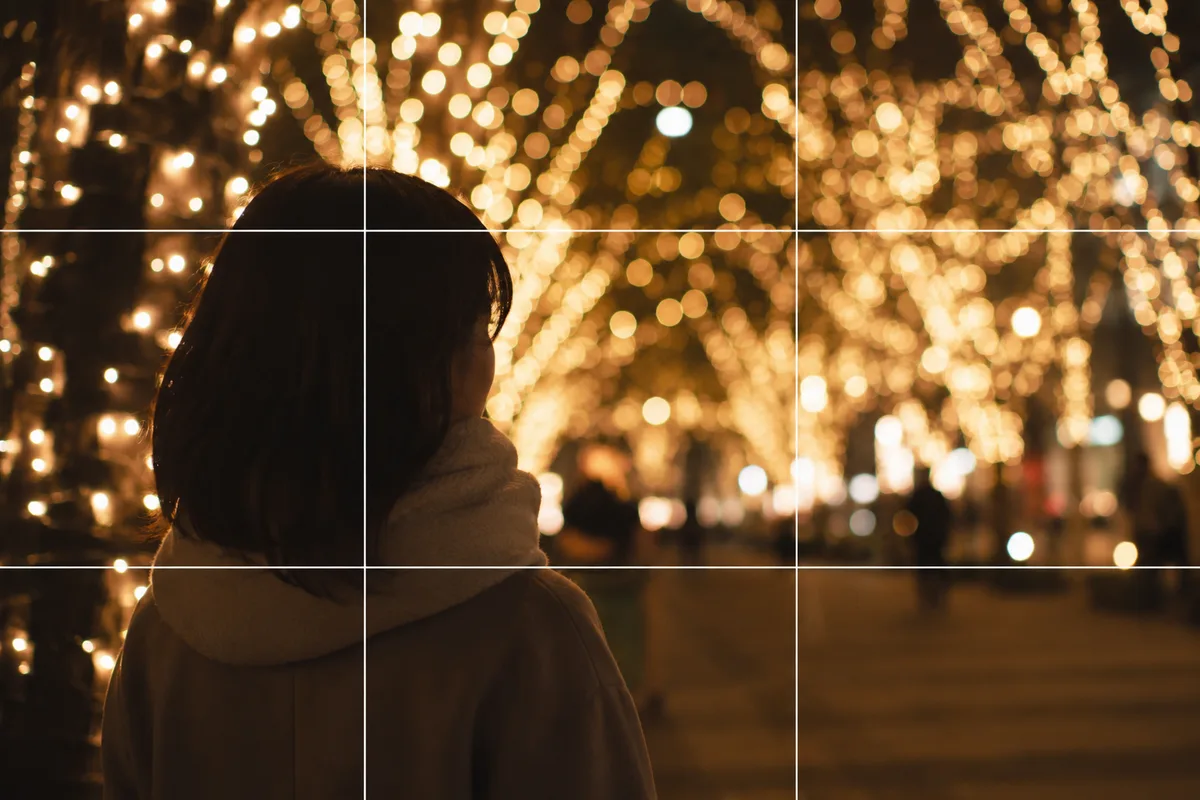
Shooting People with Holiday Lights — Fixing Dark Faces and Vanished Lights
How to photograph someone in front of holiday lights. Why faces go dark or lights vanish, then tap the face, use position, and turn lights into bokeh with Portrait mode.
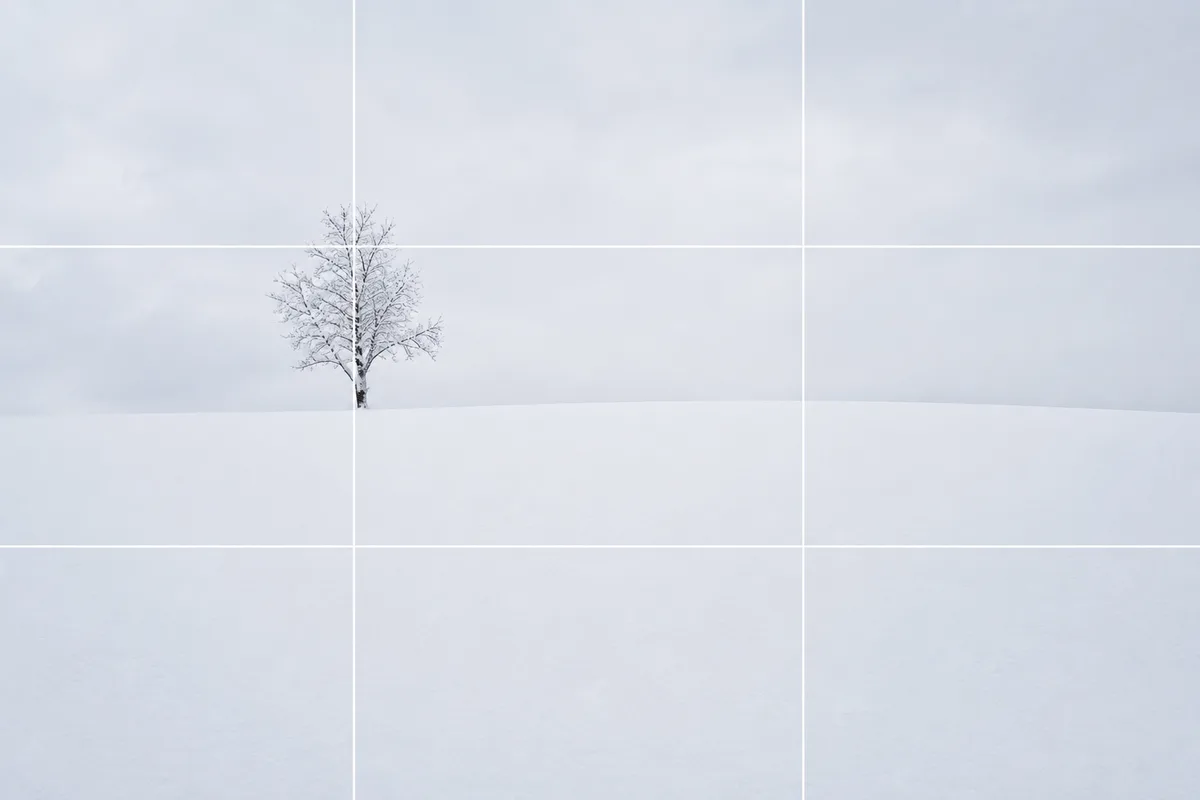
Shooting Snow Truly White — Why It Turns Gray, and the Fix
How to shoot snow white on a phone. Why it comes out gray, then raise brightness a notch, catch falling snow with burst, and handle condensation and cold batteries.
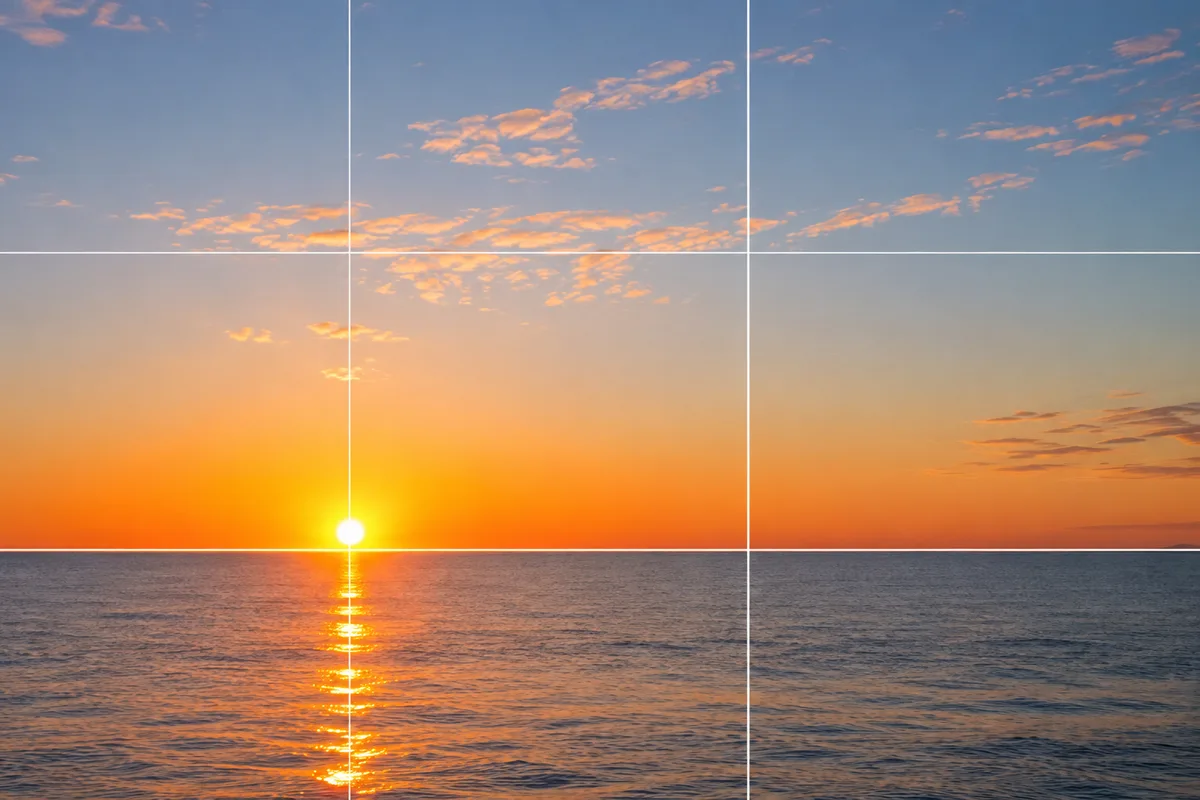
Shooting the New Year's First Sunrise — Fixing the Blown-Out Sun and Tiny Sun
How to shoot the year's first sunrise on a phone. Why the sun blows out or looks tiny, then lower brightness for the dawn colors, use silhouettes and the light path.
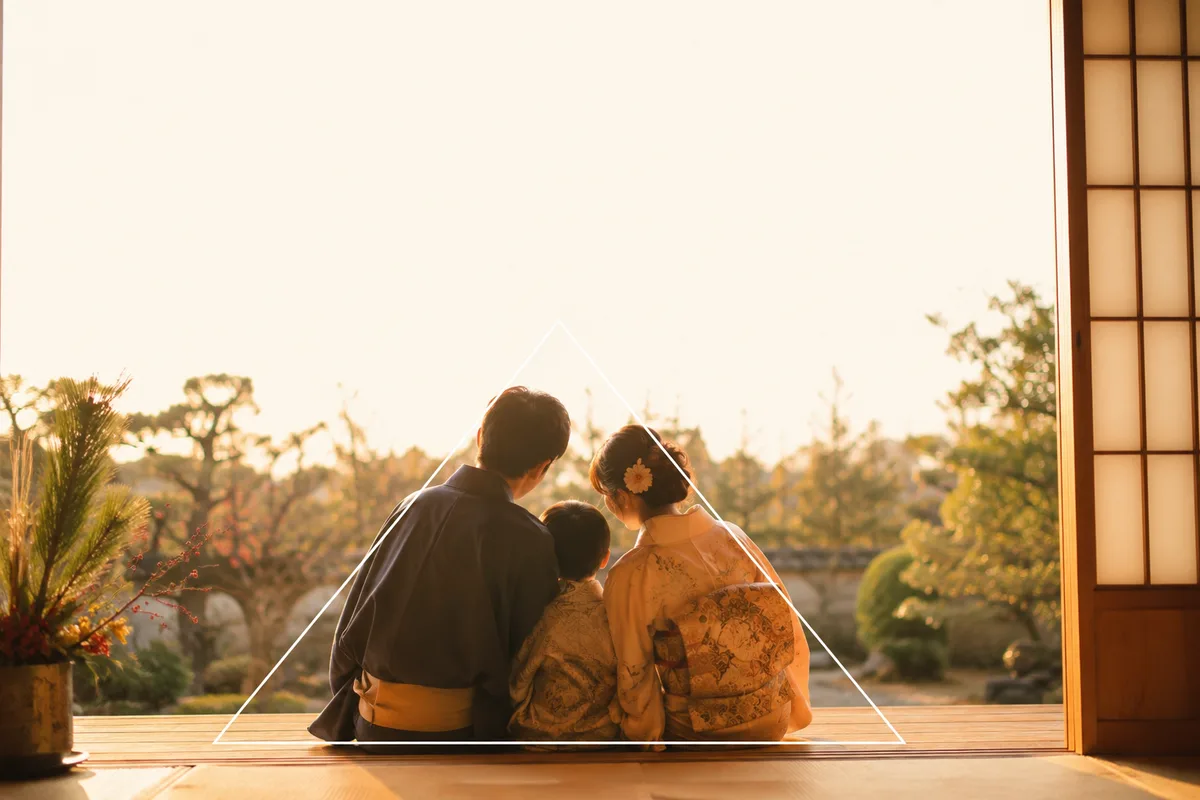
A Family Photo for New Year's Cards — Everyone In, Bright, with Room for Text
How to shoot a family photo for New Year's cards on a phone. Fix the phone with self-timer and burst, arrange the family in a triangle, and leave space for the greeting.
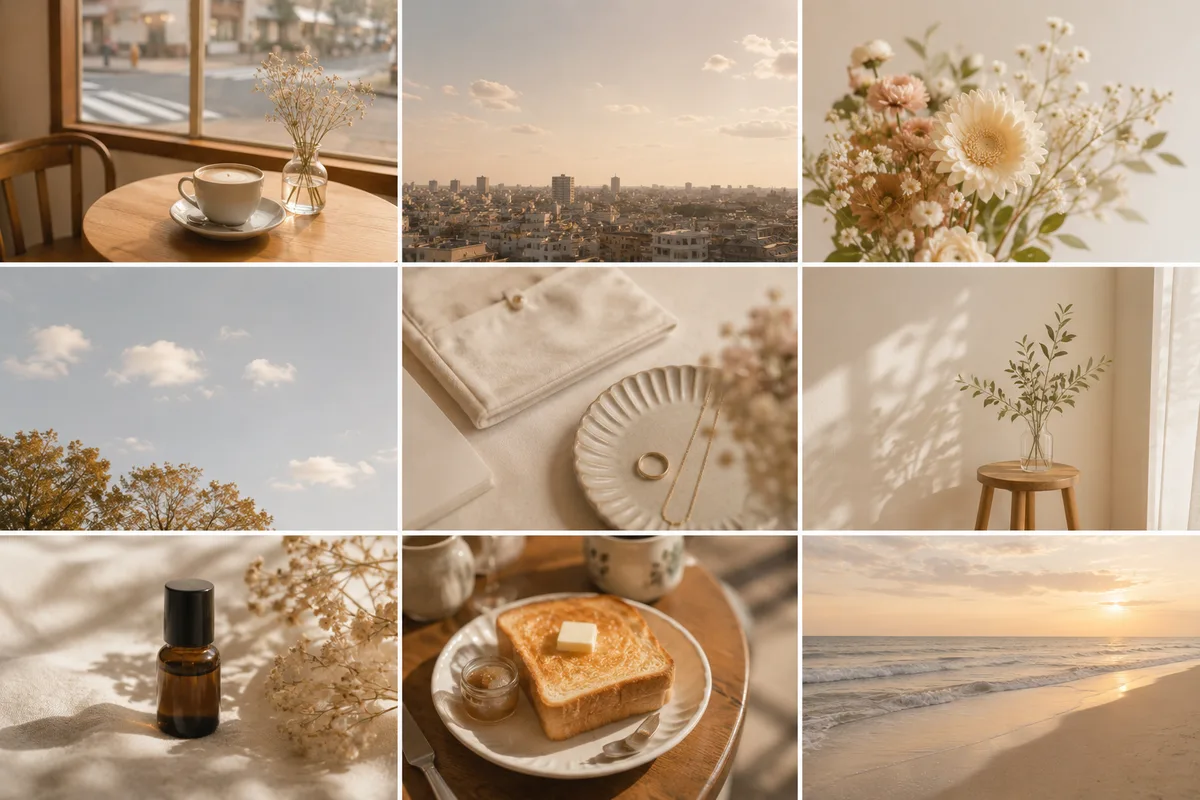
Shooting for a Beautiful Instagram Grid — Think in a "Nine-Photo Surface"
How to shoot for a cohesive Instagram grid. Why good photos look messy side by side, framing that survives the 3:4 crop, matching light, and a wide–close–airy rhythm.
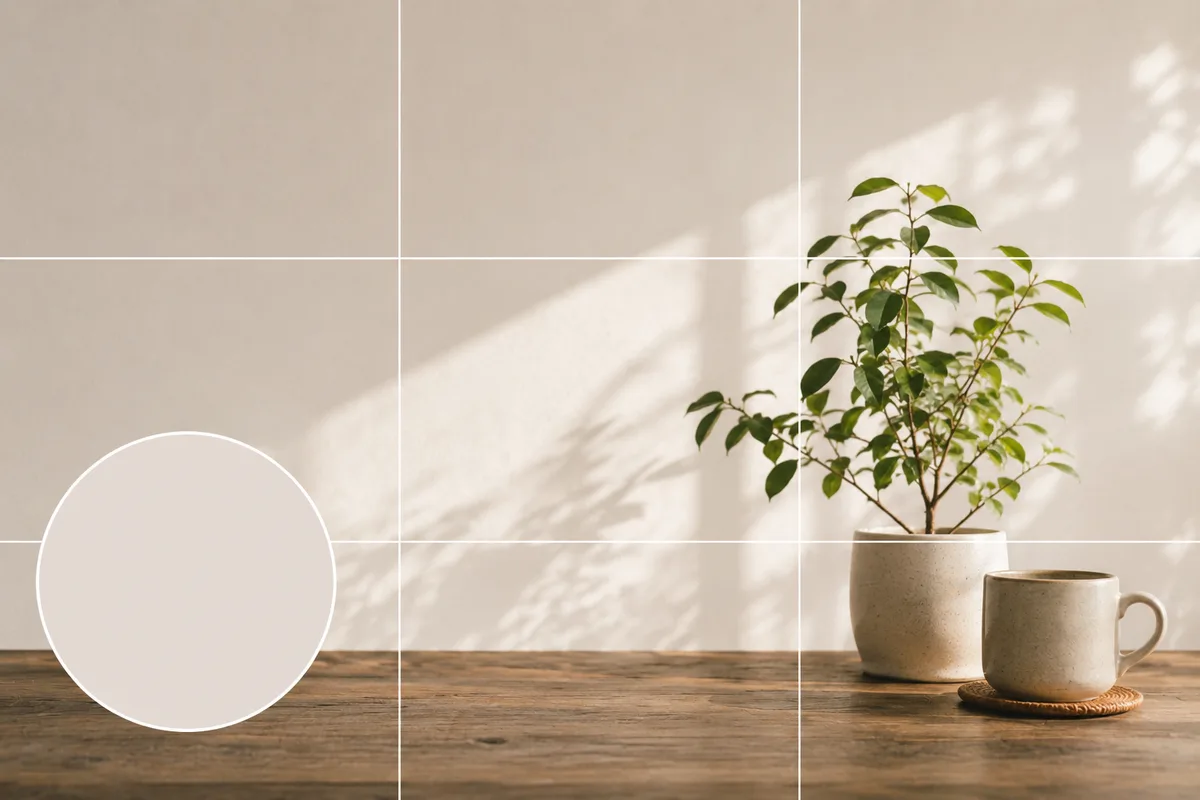
Shooting and Choosing an X Header Photo — Beat the Crop and the Icon Overlap
How to shoot and choose an X (Twitter) header. Why the top and bottom get cropped and the icon hides your subject, framing for an extreme wide band, and finishing with a crop.
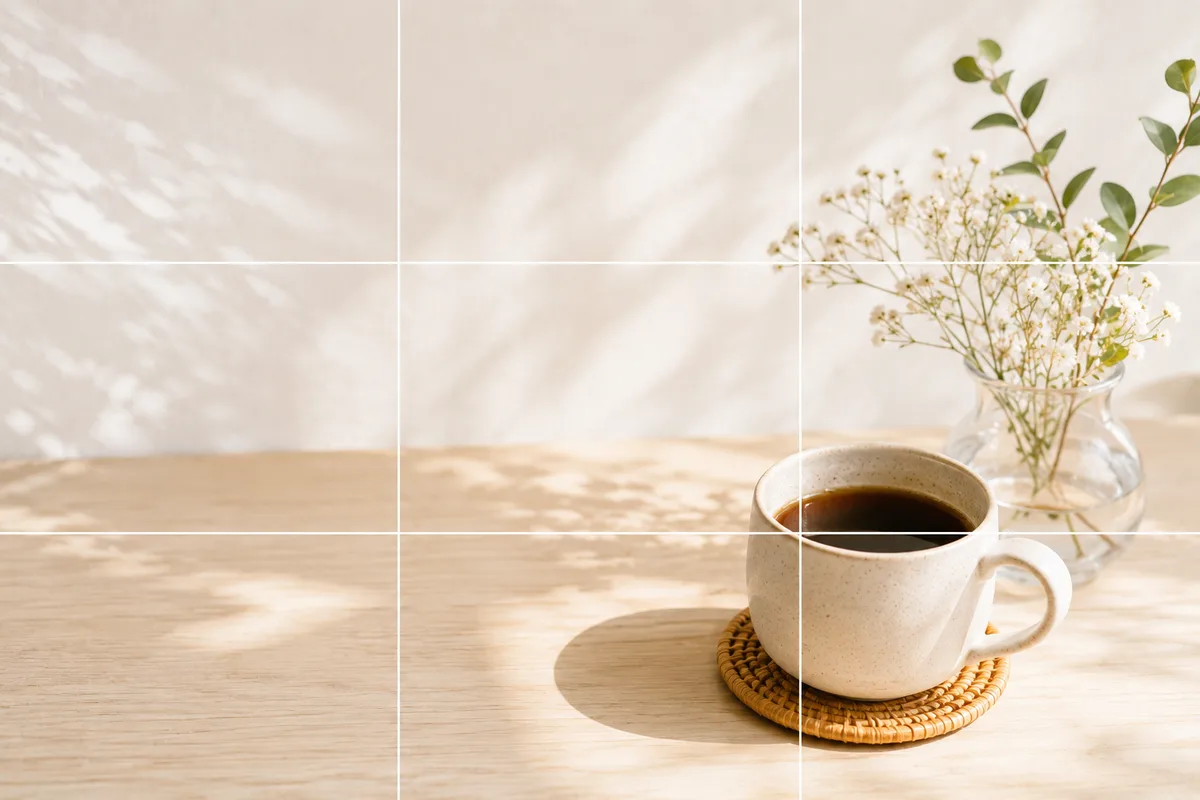
Shooting Photos for a note Eyecatch — Leave Room for the Title Text
How to shoot and choose photos for a note eyecatch. Why the title collides with your subject, leaving deliberate space for text, sizing for tiny thumbnails, and the wide crop.
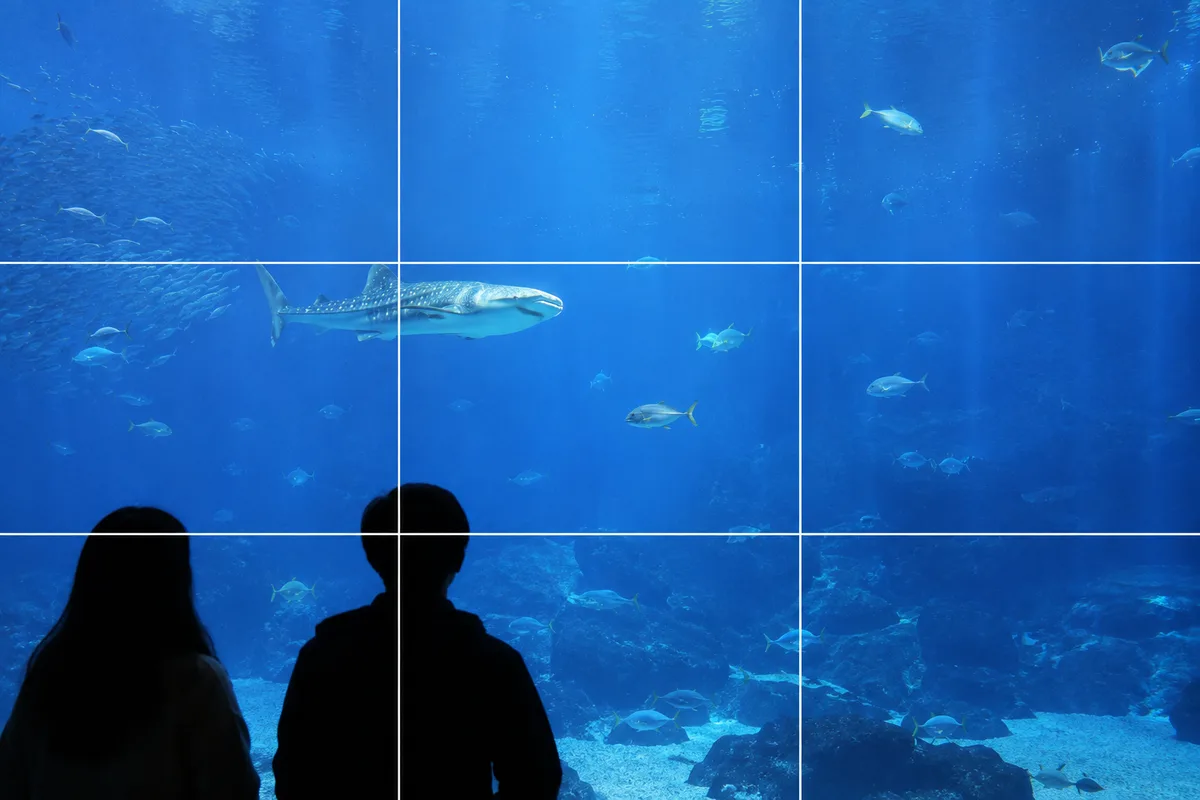
Shooting at Aquariums and Zoos — Fixing Glass Reflections and the Dark Indoors
How to shoot through glass at aquariums and zoos. Why reflections wash photos out, pressing the lens to the glass, blocking light, burst mode for movement, and honest limits.

How to Photograph Plushies as the Star — Fixing Tiny, Blurry, Busy Shots
Make your plushie the star on a phone. Why nuigurumi look small, blurry or lost — then focus on the face, move in close, and tidy the space. Plus café, home and travel guides.
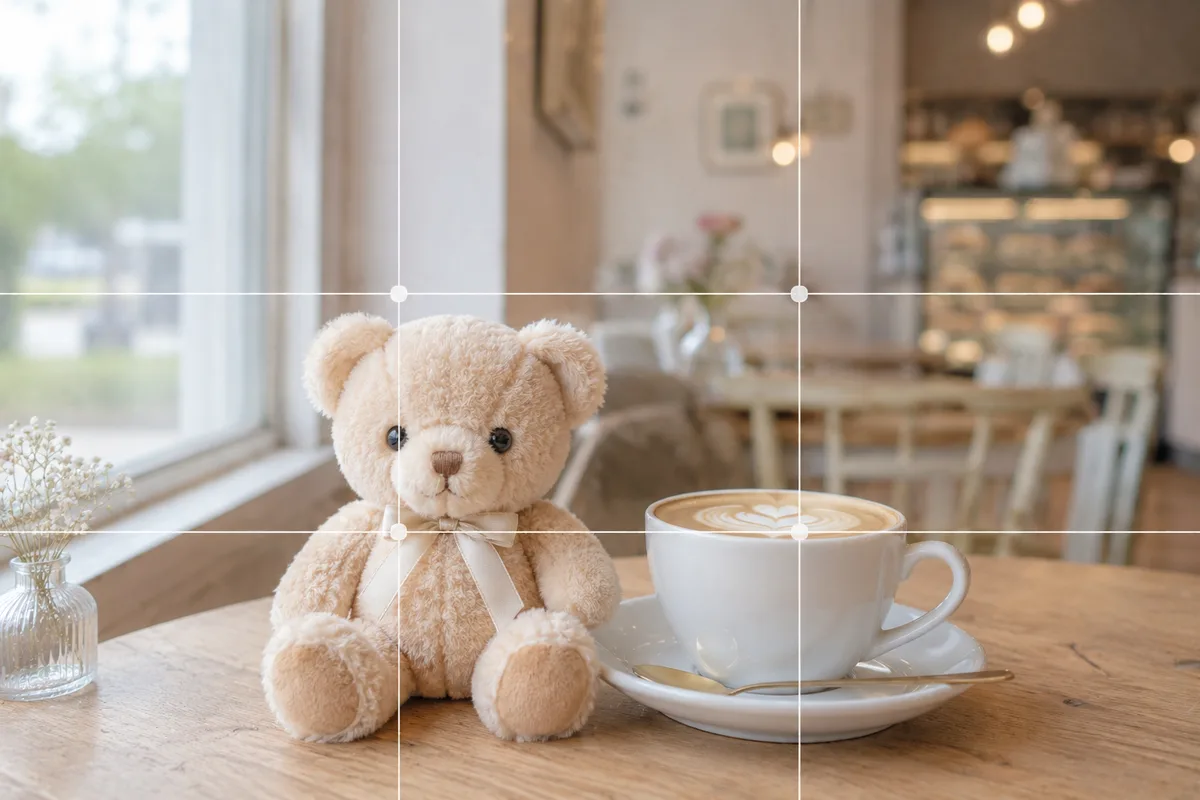
How to Make Your Plushie Pop at a Café — Busy Backgrounds and Lost Subjects
Make your plushie pop at a café on a phone. Why the background gets busy and the star sinks — then lock focus on the face and use window light and space to lift it.
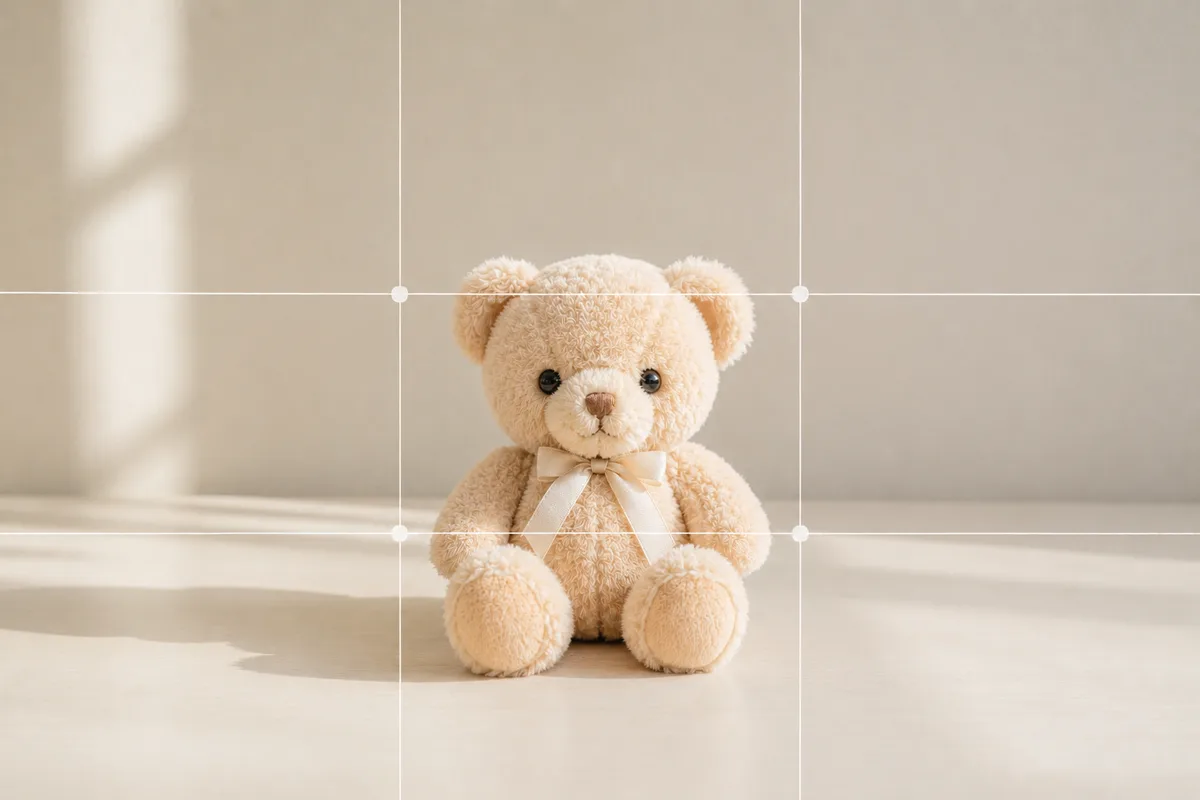
How to Photograph Plushies Cutely on a Table at Home — Taming Clutter
Photograph plushies cutely on a home table. Why clutter creeps in and shots go flat — then cut the background to one color, shoot by a window, and center or triangle it.
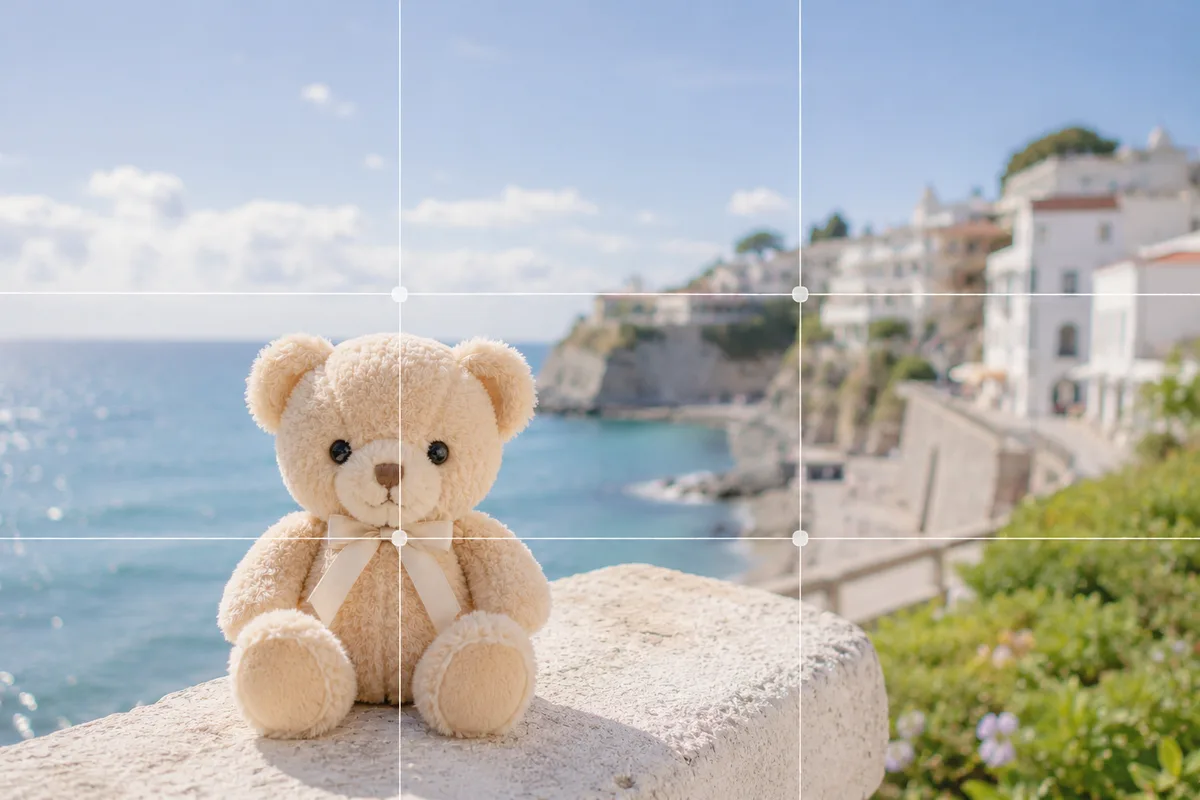
Plushie Photos While Traveling — When the Plush Loses to the Scenery or Tilts
Photograph plushies with the scenery on a trip. Why the plush loses to the view or tilts — then lock focus on its face, use an intersection, and blend in with frames and paths.
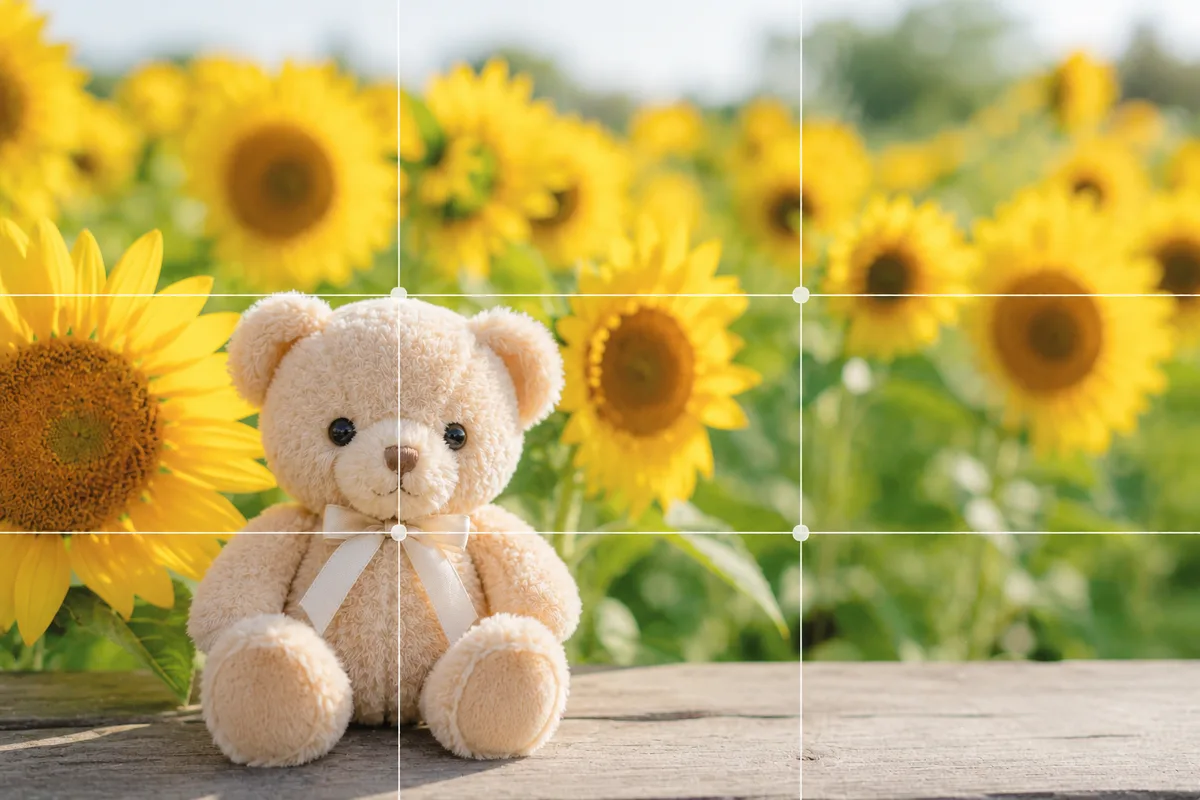
Photographing Plushies With Seasonal Flowers — When the Plush Gets Buried
How to photograph plushies cutely with seasonal flowers. Why the plush gets buried or blurs — then lock focus on its face and blur the flowers, or use them as a frame.
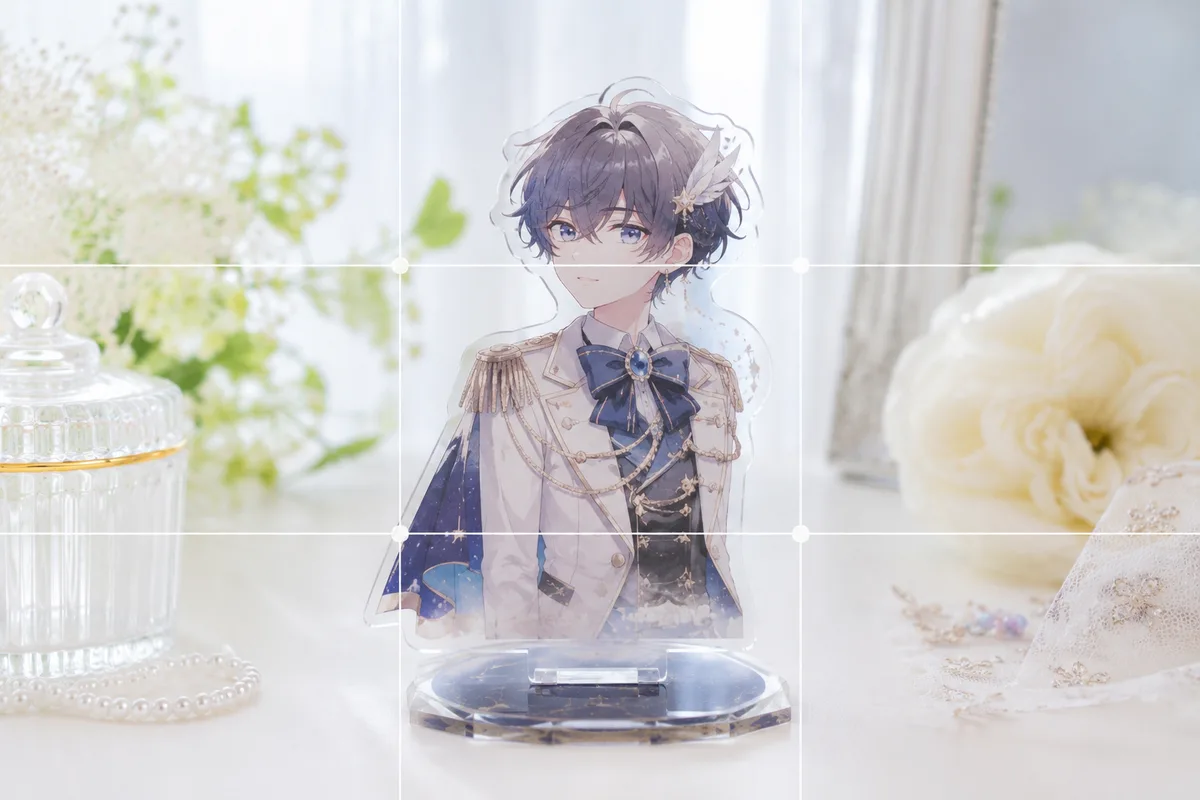
How to Photograph Fan Goods — Glare and Blur on Acrylic Stands & Photocards
Photograph fan goods — acrylic stands, photocards, can badges — cleanly. Why they glare, blur or sink in color — then avoid strong light, lock focus, and use white plus space.
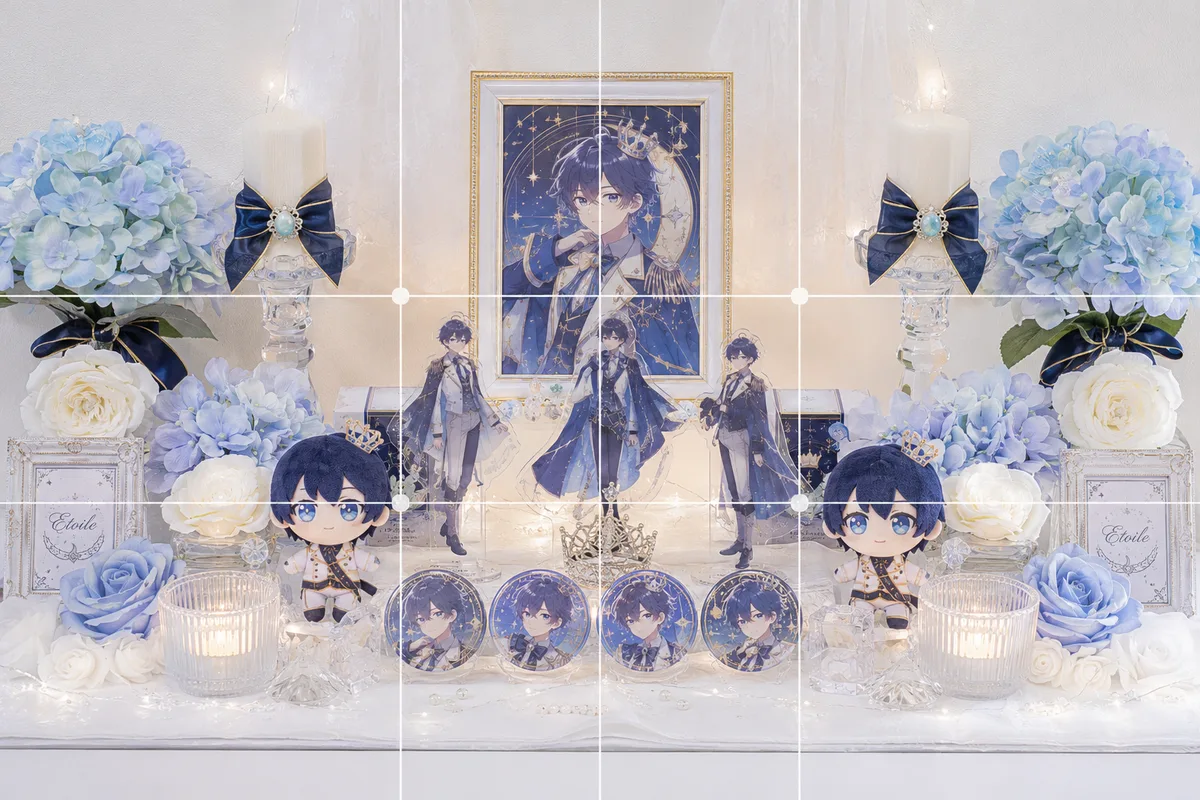
How to Photograph an Oshi Shrine Cleanly — Clutter, Darkness and Tilt
Photograph an oshi shrine for your fave cleanly. Why it looks cluttered, dark or tilted — then arrange it symmetrically head-on, raise brightness, and shoot whole and detail.
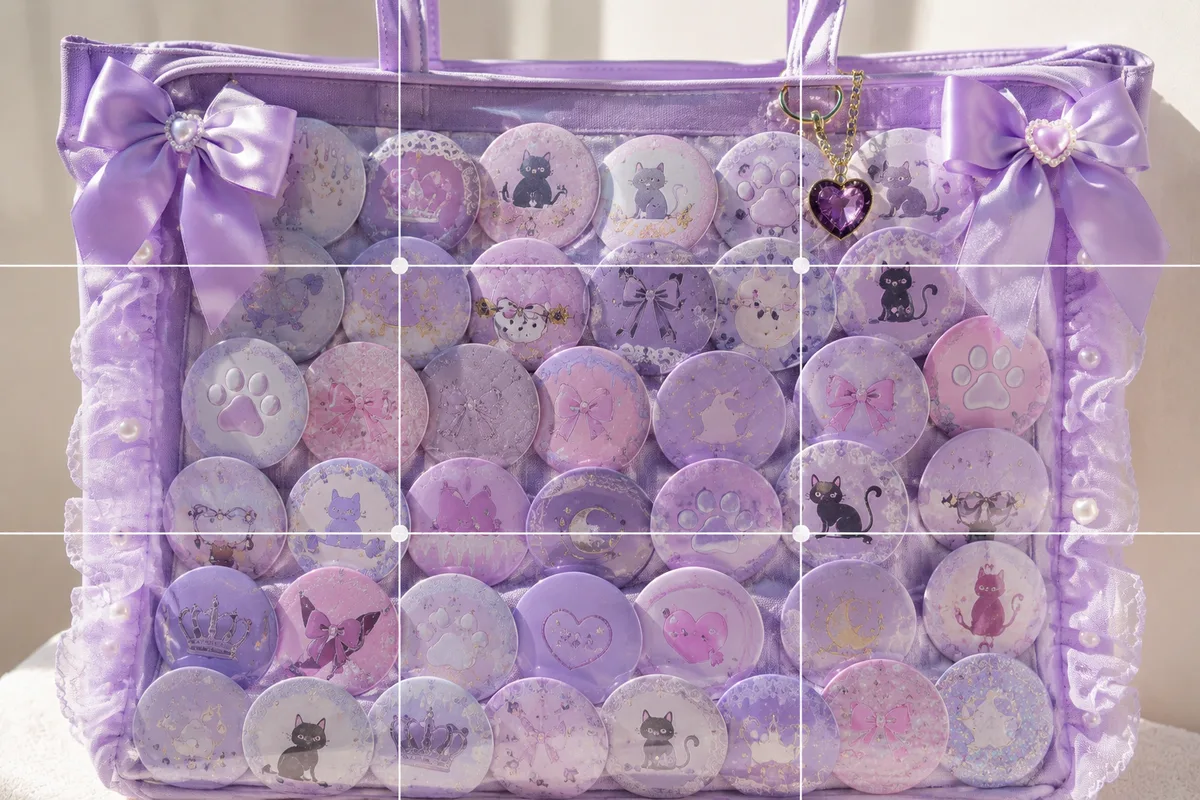
How to Photograph an Ita Bag Cutely — Flat, Glare-y Shots and How to Show It Off
Photograph an ita bag (covered in can badges) cutely. Why it looks flat, glares or won't fit — then light from the side and fill the frame or center it to show the density.
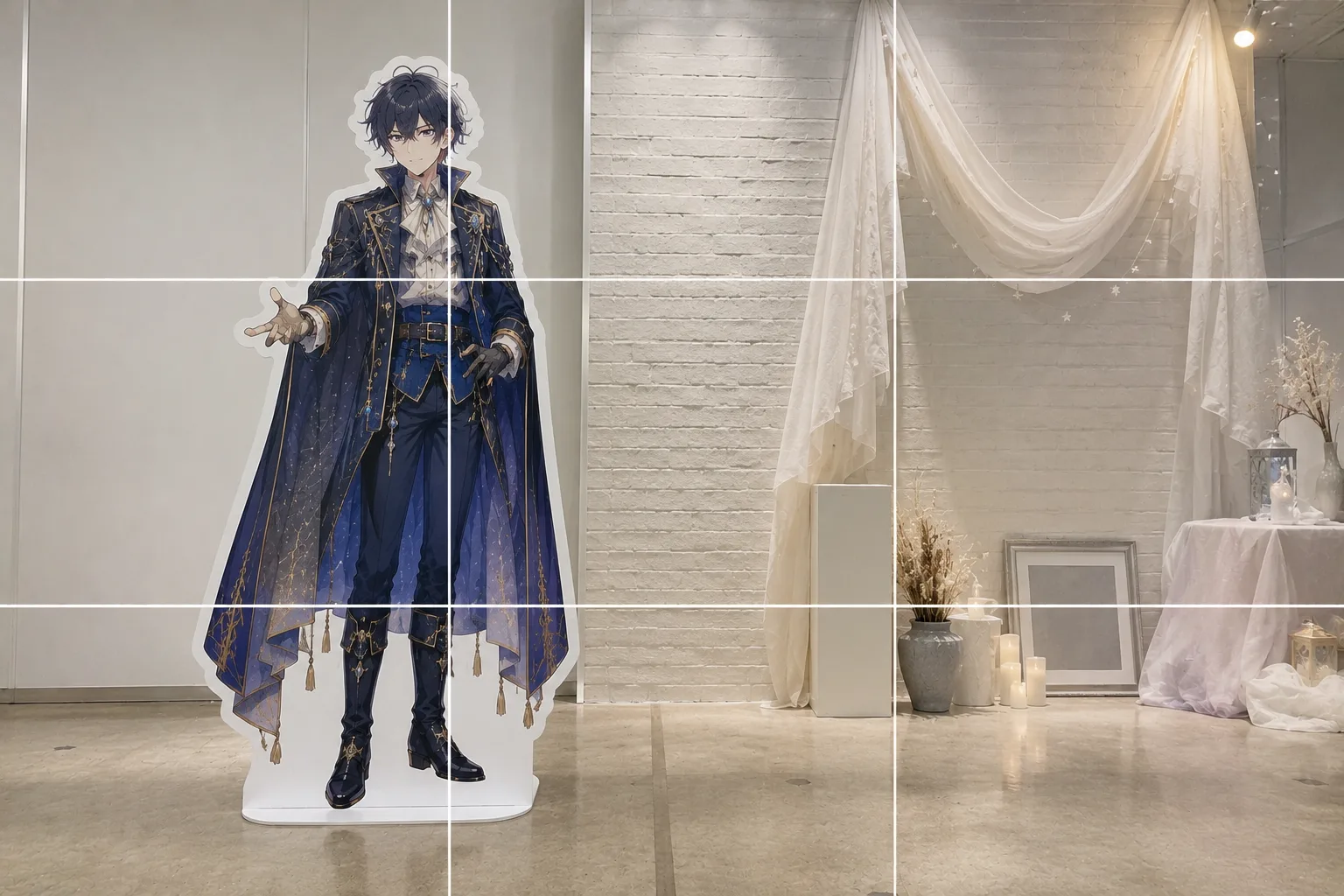
How to Pose With a Life-Size Standee — Tilt and Awkward Scale, Fixed
Pose naturally with a life-size standee. Why it tilts, the scale feels off, or it's cut off — then level with the grid and use the rule of thirds or framing to stand beside it.
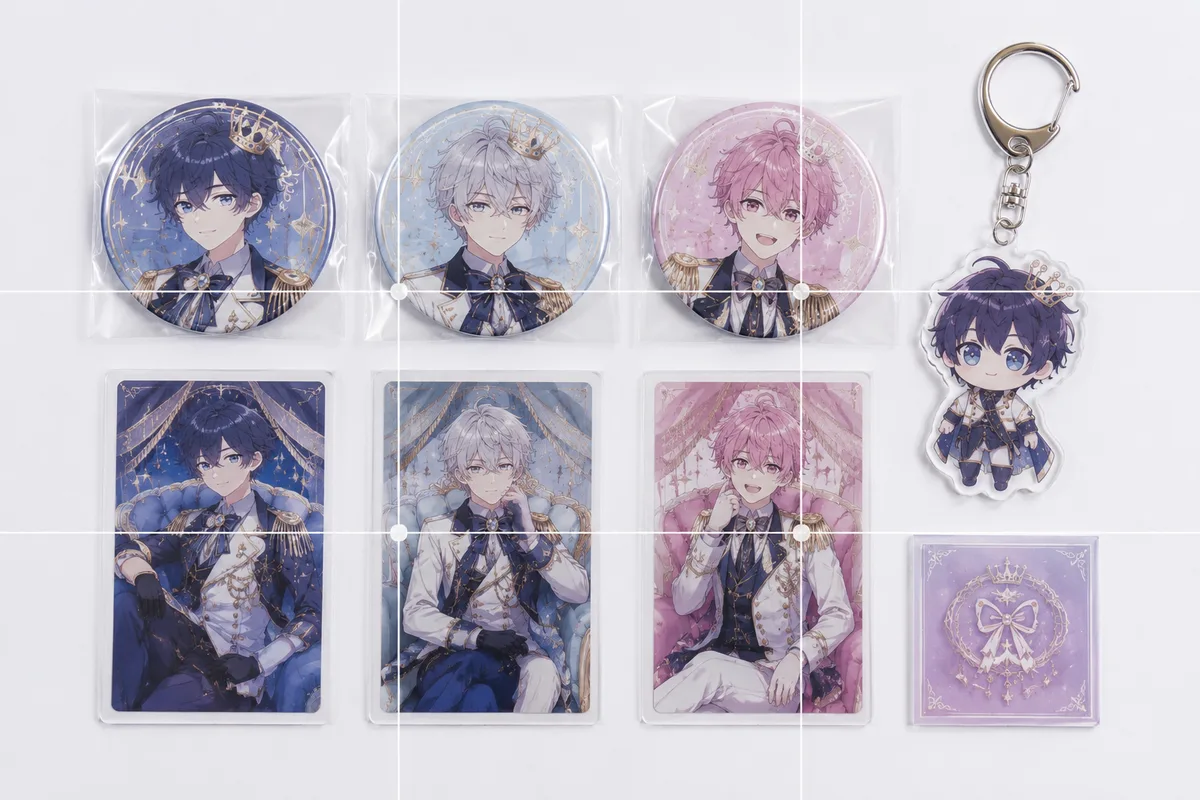
Photographing Fan Goods for Reselling — When Condition Doesn't Come Through
Photograph fan goods accurately for reselling. Why condition doesn't come through, or shots look dark — then shoot big and level on white, splitting whole and detail shots.
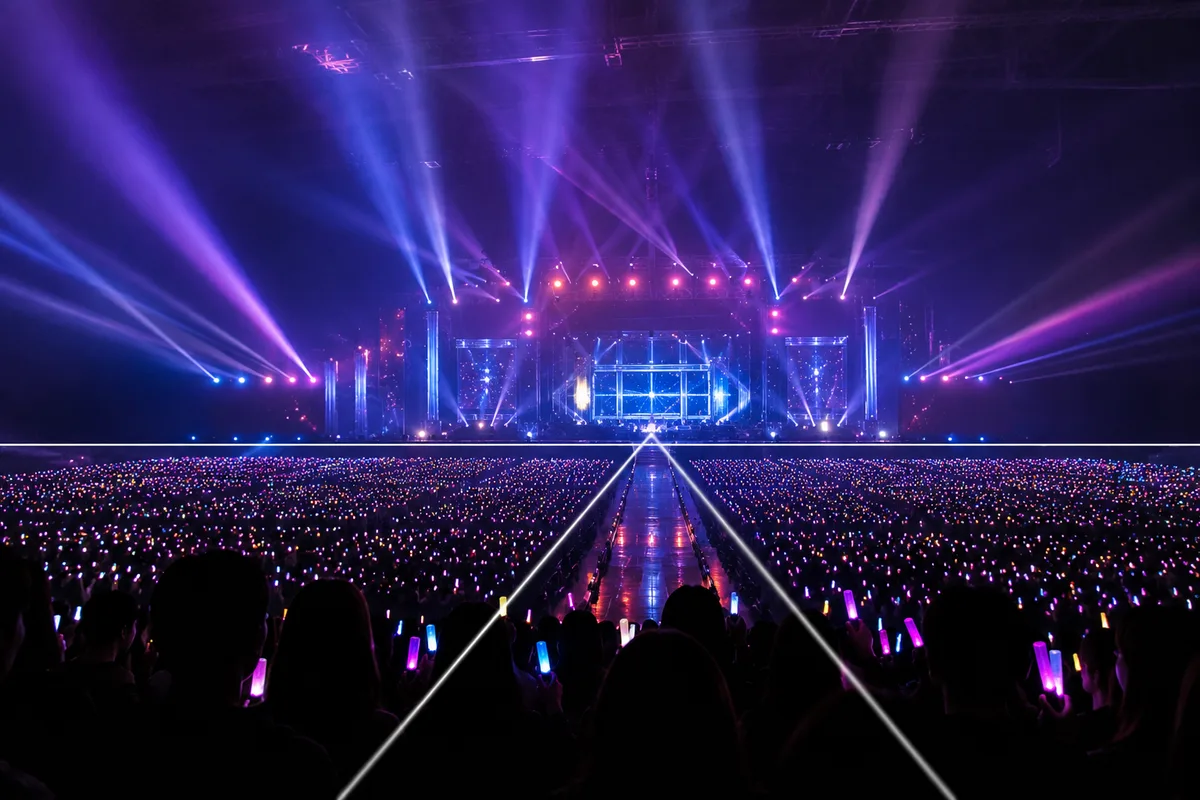
Shooting at Photo-OK Concerts — Fixing Black Frames, Blur, and the Tiny Stage
How to shoot at photo-OK concerts. Check the rules first, fix the stage-light backlight by tapping your subject, respect the zoom limit, and keep the venue's atmosphere in frame.
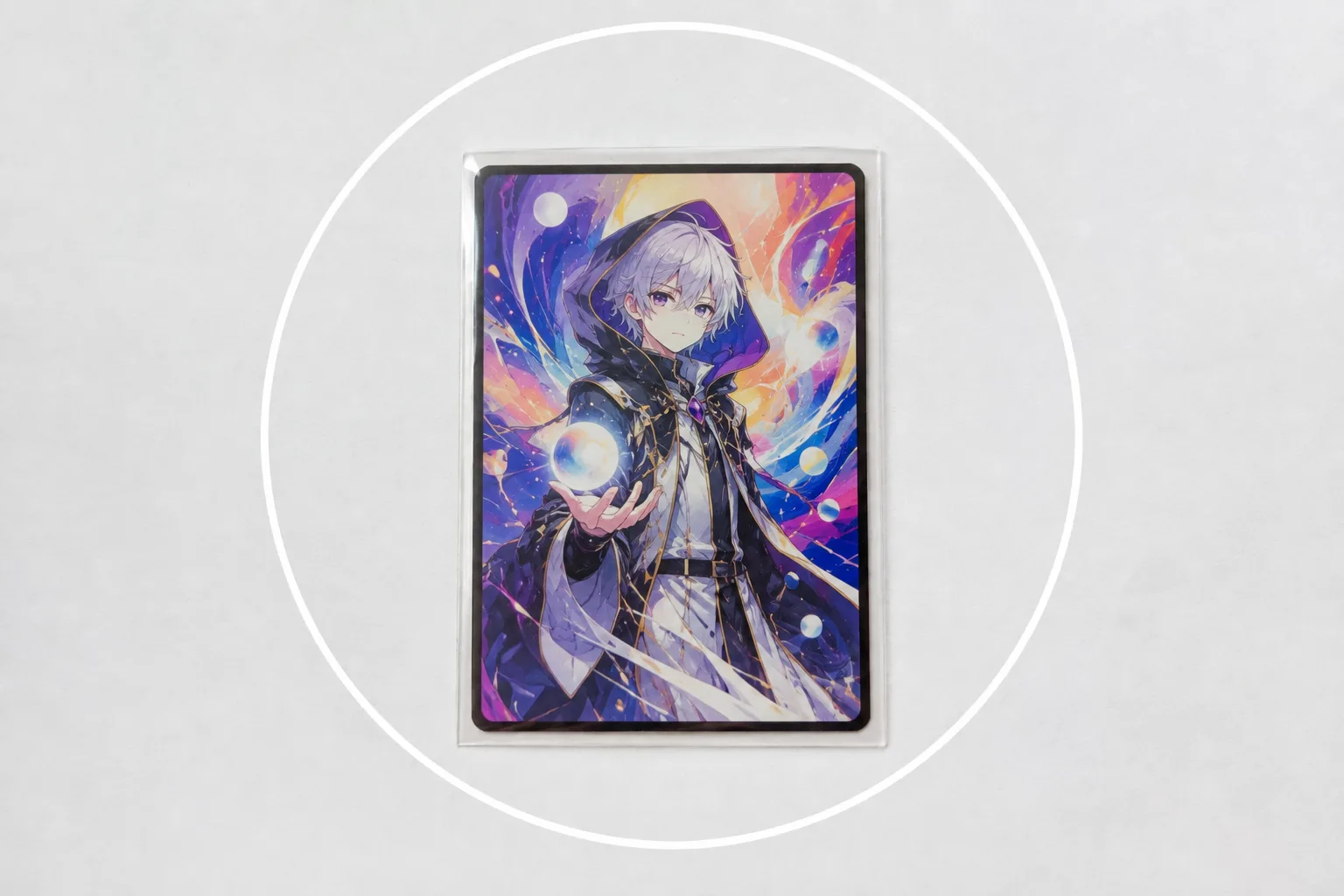
Photographing Trading Cards — Sleeve Glare and Lost Holo Shine, Fixed
Photograph trading cards cleanly with your phone. Why sleeves glare and holo shine vanishes — slide the light aside, lock focus from above, and let one card be the star.
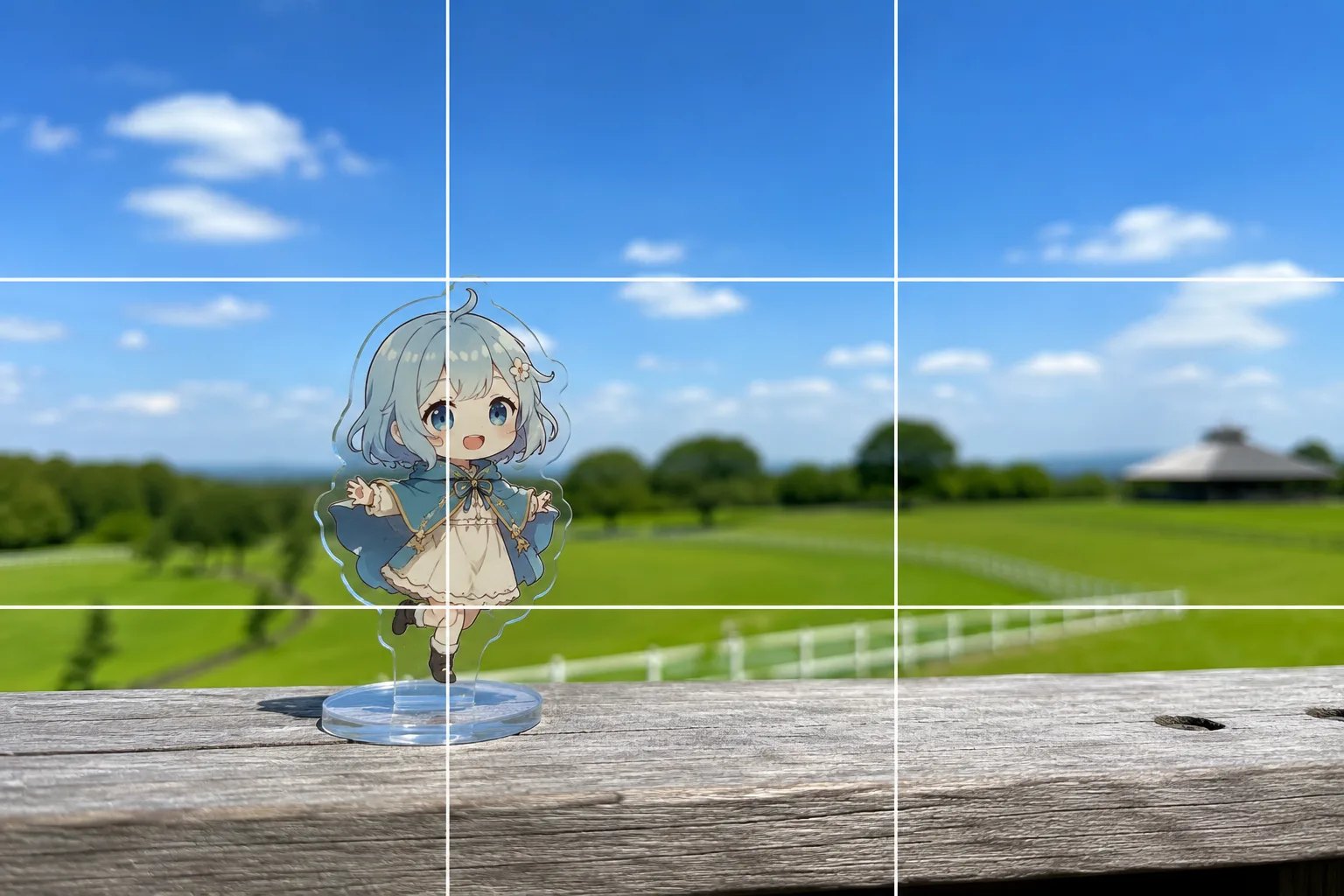
Acrylic Stand Photos With the Scenery — Focus Misses and Melting Edges, Fixed
Shoot your acrylic stand with the scenery on trips. Why focus wanders, clear edges melt into the background, or fingers show — lock focus on the face and use an intersection.
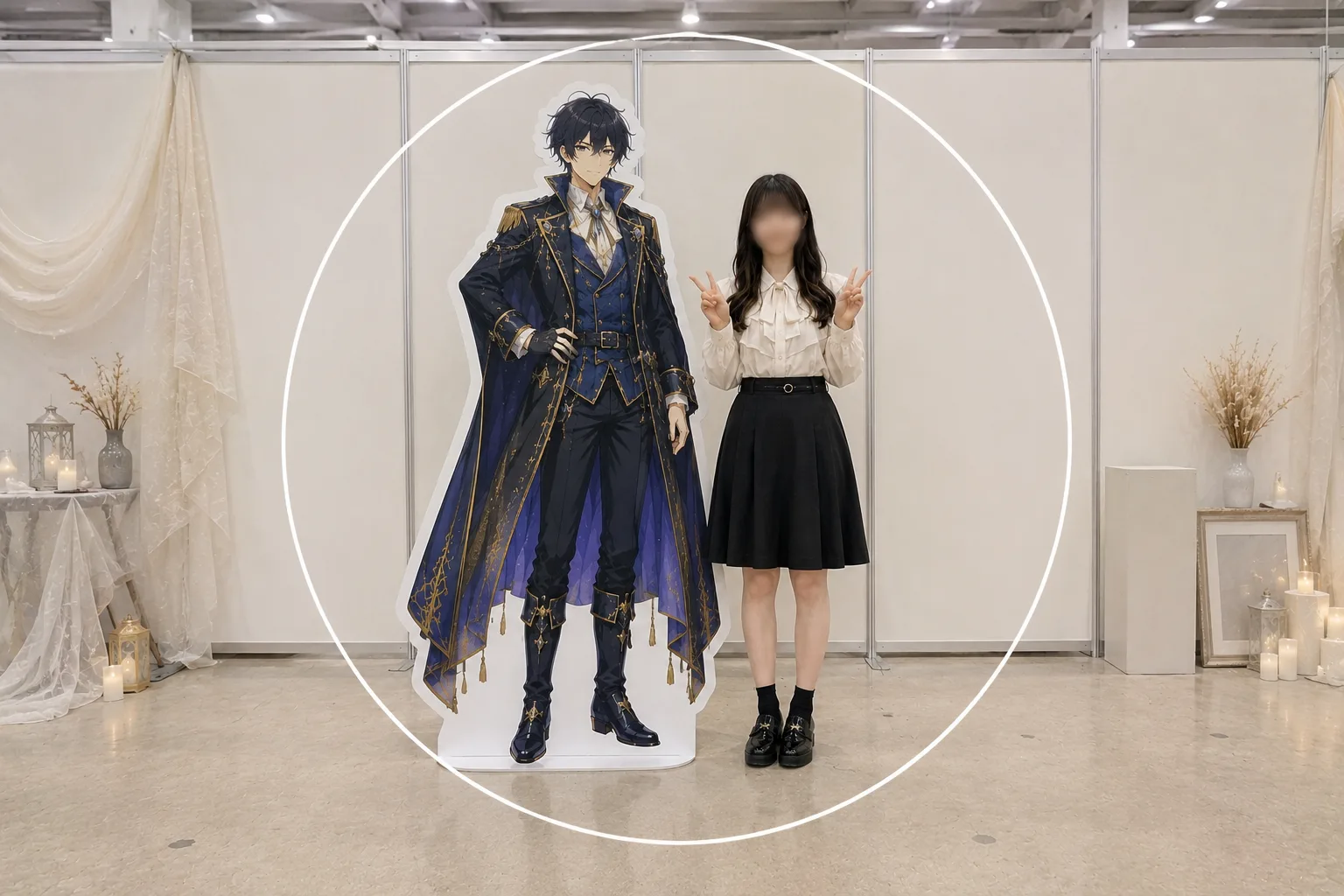
Selfies With a Life-Size Standee — Big Face and Cut-Off Panel, Fixed
Take selfies and two-shots with a life-size standee alone. Why your face looms and the standee gets cut off — stand at its depth, match face height, and use the self-timer.
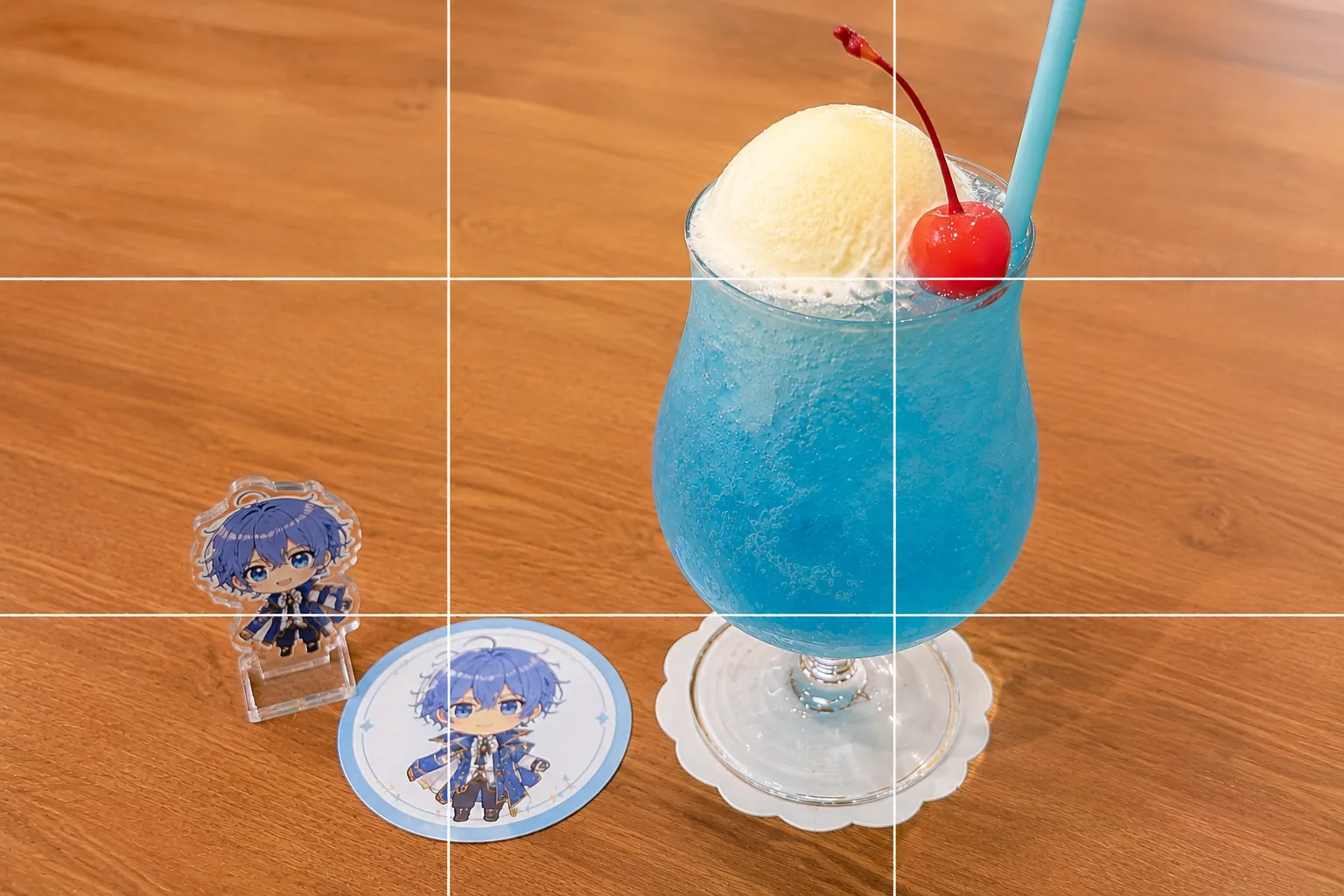
Collab Cafe Photos — Dim Light, No Time, Cluttered Table, Fixed
Photograph collab cafe menus, bonus coasters, and freebies with your phone. Beat dim light, the race against melting desserts, and table clutter with a pre-order plan.
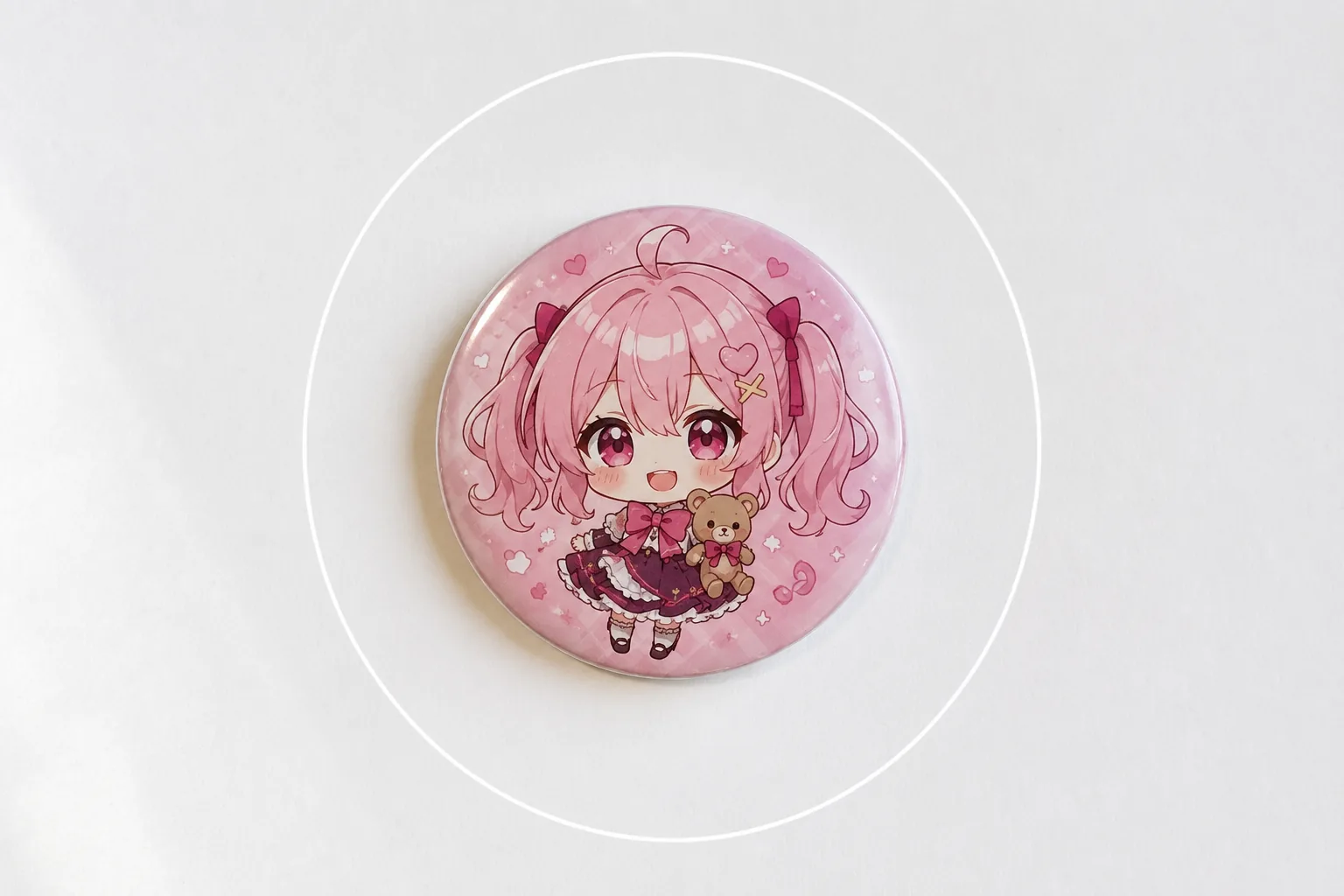
Photographing Can Badges and Acrylic Charms — Glare and Reflections, Fixed
Photograph can badges and acrylic keychains without white glare. Slide the light to the side, tilt slightly to push reflections out of frame, and center your fave on white.
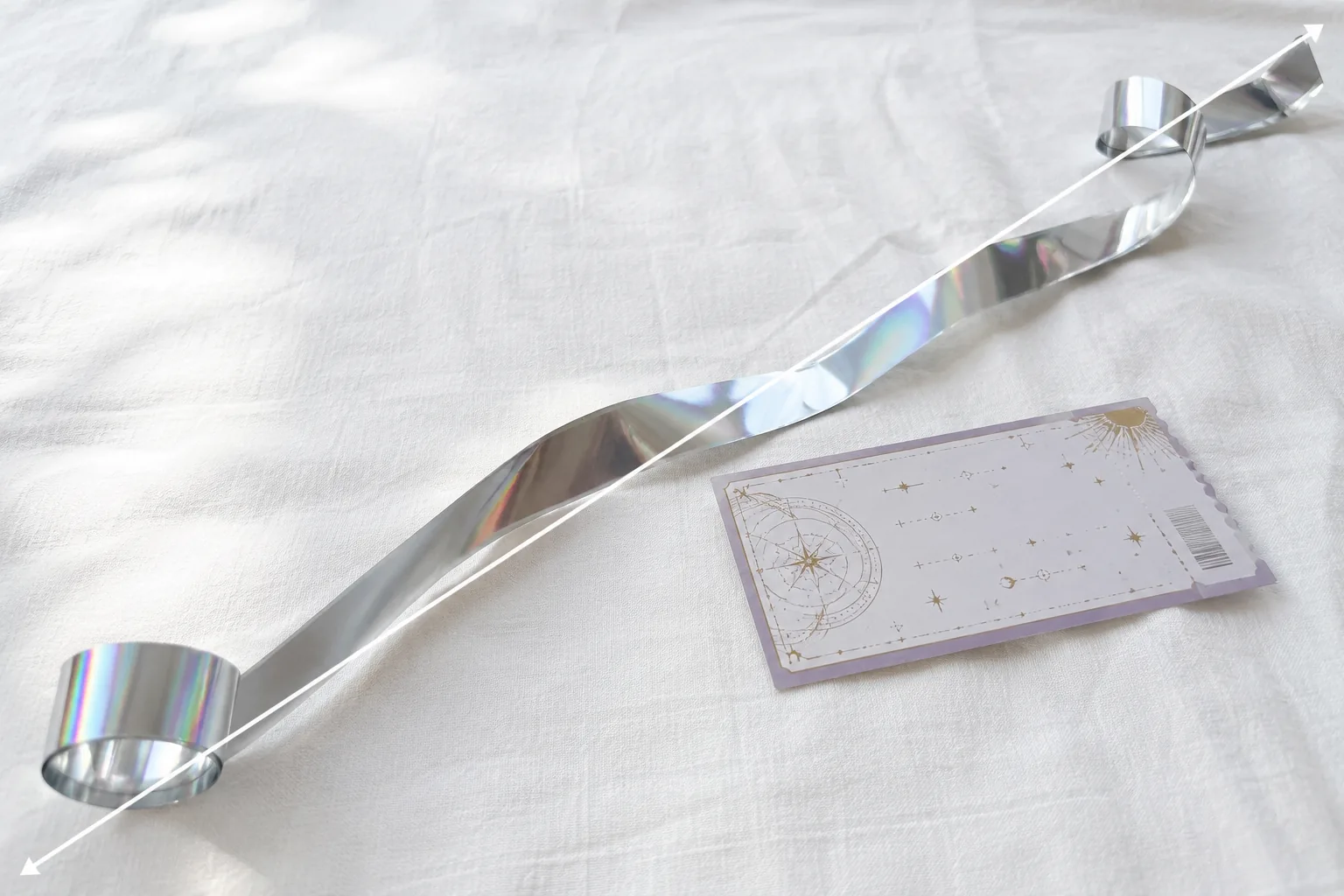
Photographing Silver Tape and Tickets — Dull Color and Lost Sparkle, Fixed
Record concert keepsakes with your phone — silver tape, tickets, setlists. Use window light for the shine, run the tape on a diagonal, and shoot text straight from above.

Group Goods Photos at Fan Meetups — Clutter, Shadows, and Uneven Layouts, Fixed
Photograph everyone's goods and plushies together at a fan meetup. Beat clutter, your own shadow, and lopsided layouts with radial or symmetrical layouts shot from above.
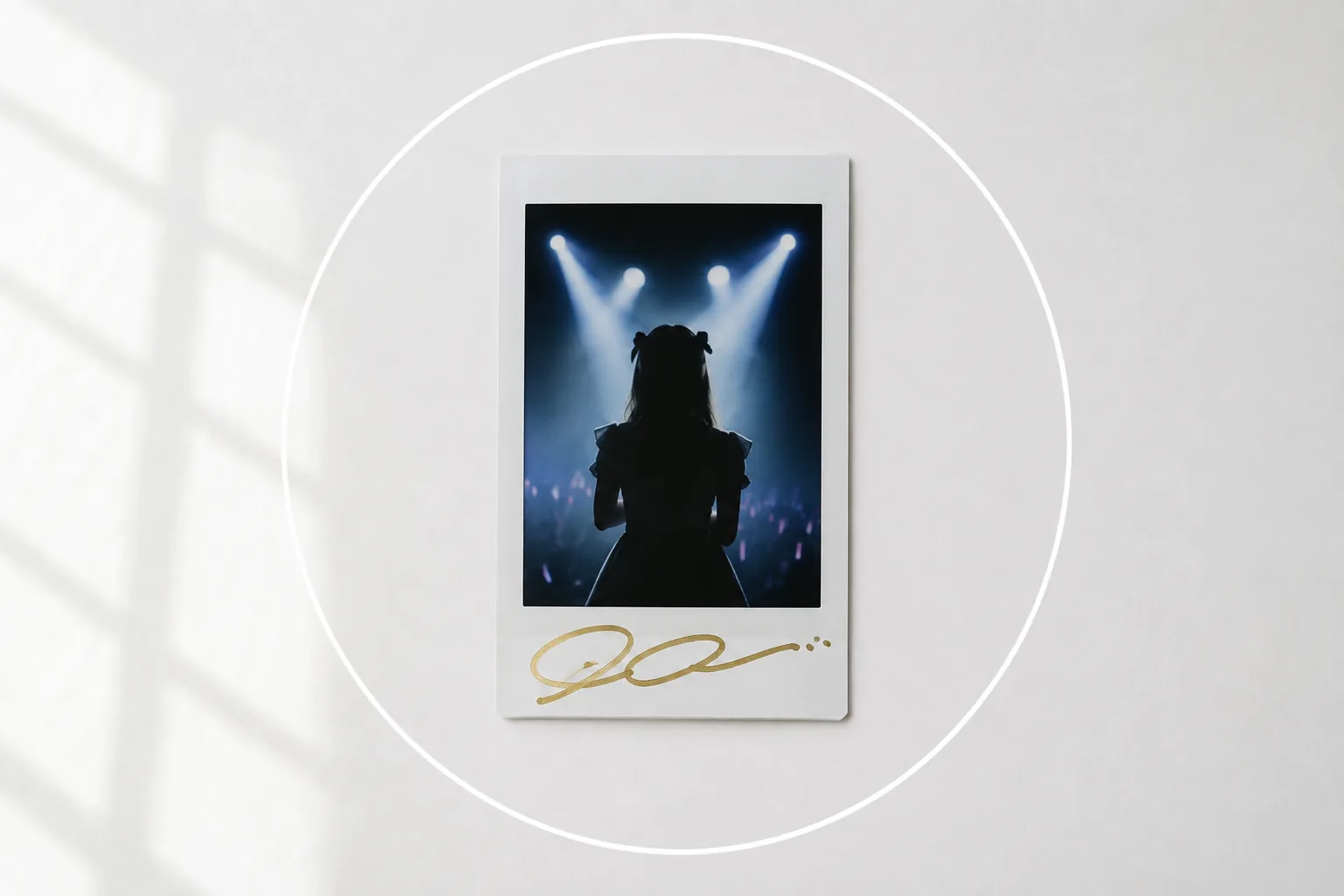
Photographing Cheki (Instax) Prints — Glare, Faint Signatures, and Fading, Fixed
Keep cheki (instax) prints safe with your phone. Why the gloss glares white and signatures vanish — slide the light aside, shoot from above, and digitize before colors fade.
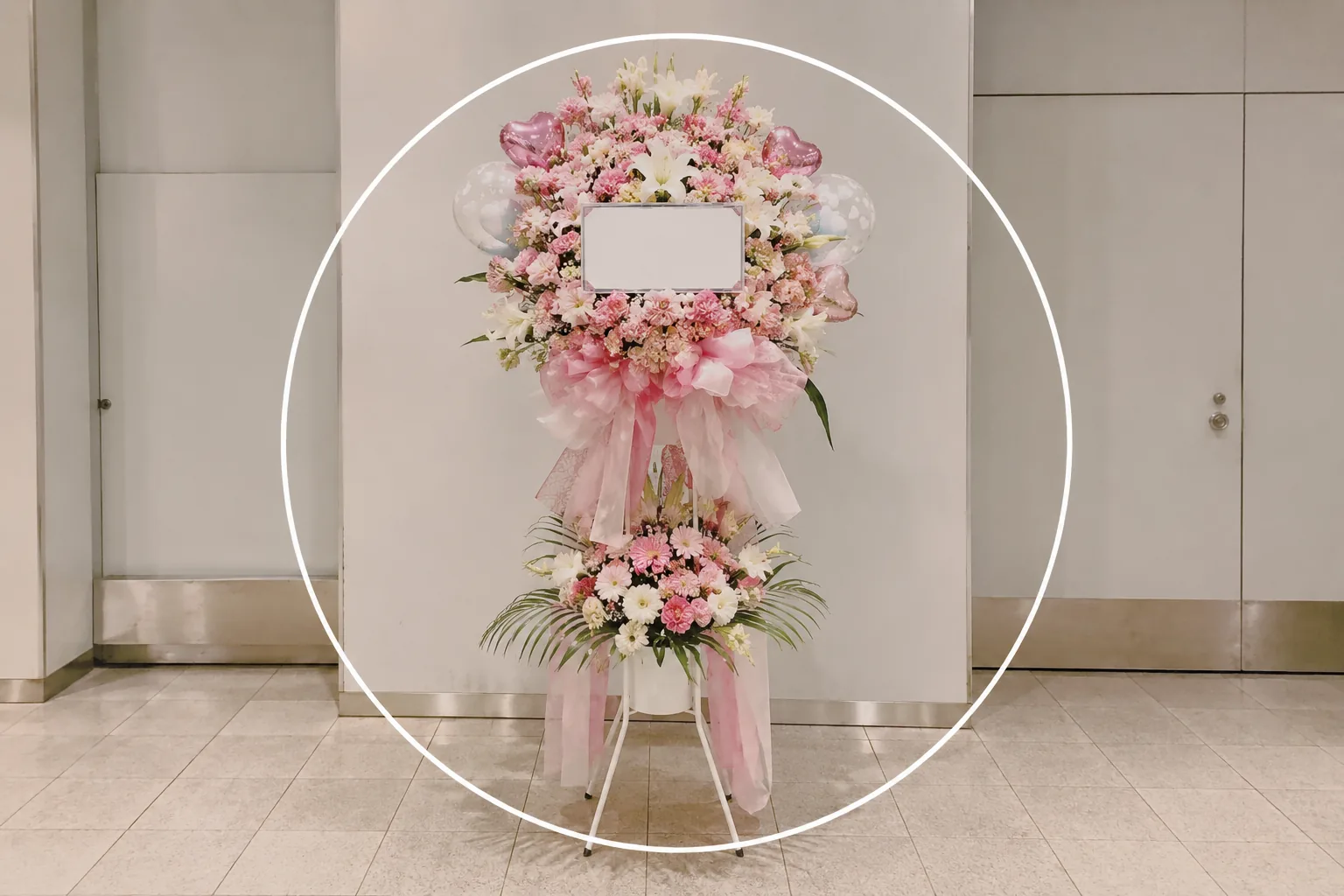
Photographing Fan Flower Stands — Won't Fit the Frame and Dull Colors, Fixed
Photograph event flower stands with your phone. Why they won't fit and colors sink — go vertical from a few steps back, shoot the name plate up close, and mind venue etiquette.
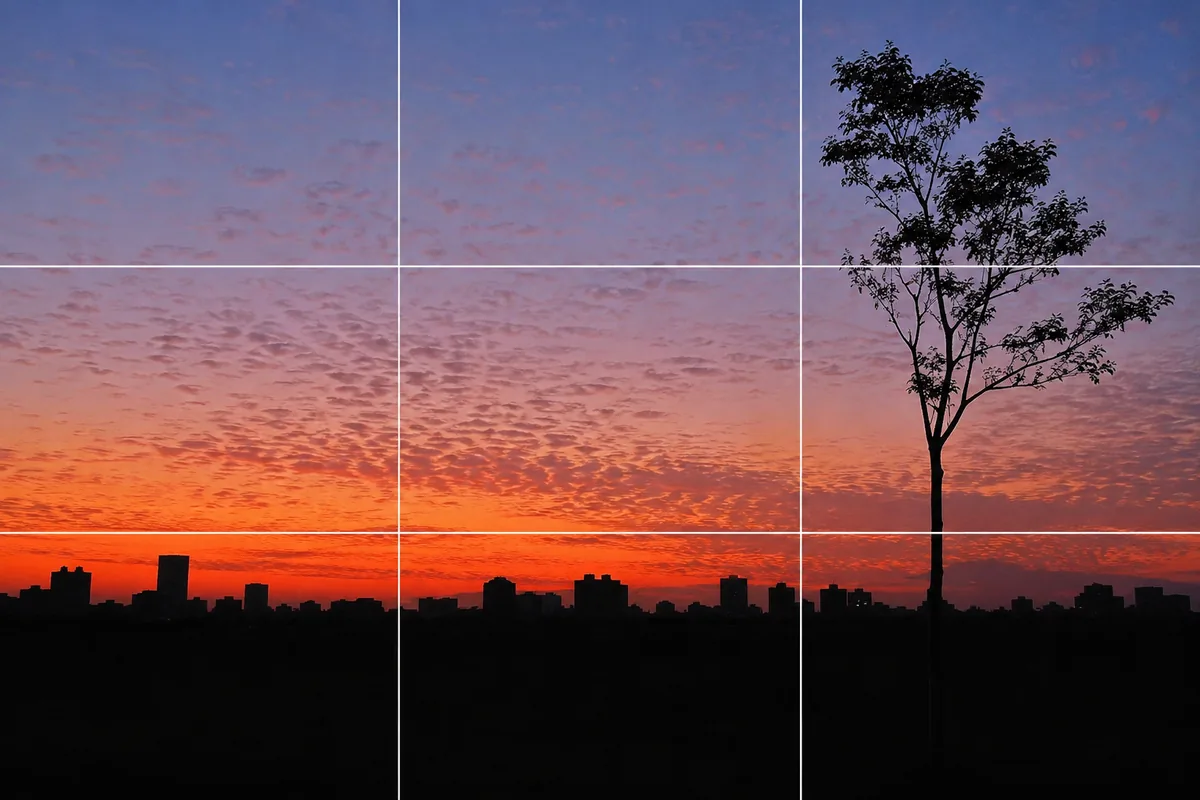
Shooting Sunsets — Why Sky-Only Shots Fall Flat and How to Catch the Magic Hour
Why a sunset looks duller in the photo than in person. Pick the right window, set brightness for the sky, add a silhouette, and decide the sky-to-ground ratio.
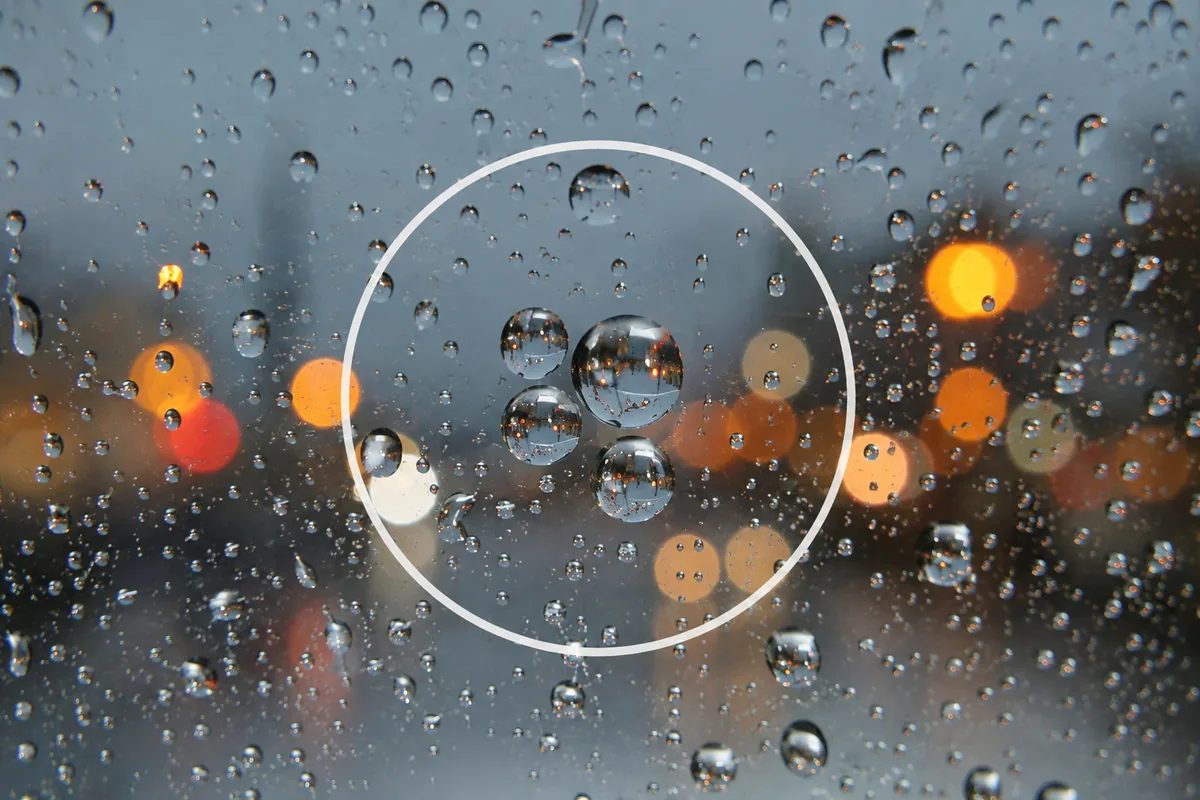
Photographing Rainy Days — Why They Look Gloomy, and Droplets as the Subject
Why rainy-day photos sink into gloom. Lock focus on window droplets, lift the brightness, and use umbrellas and wet-street reflections.
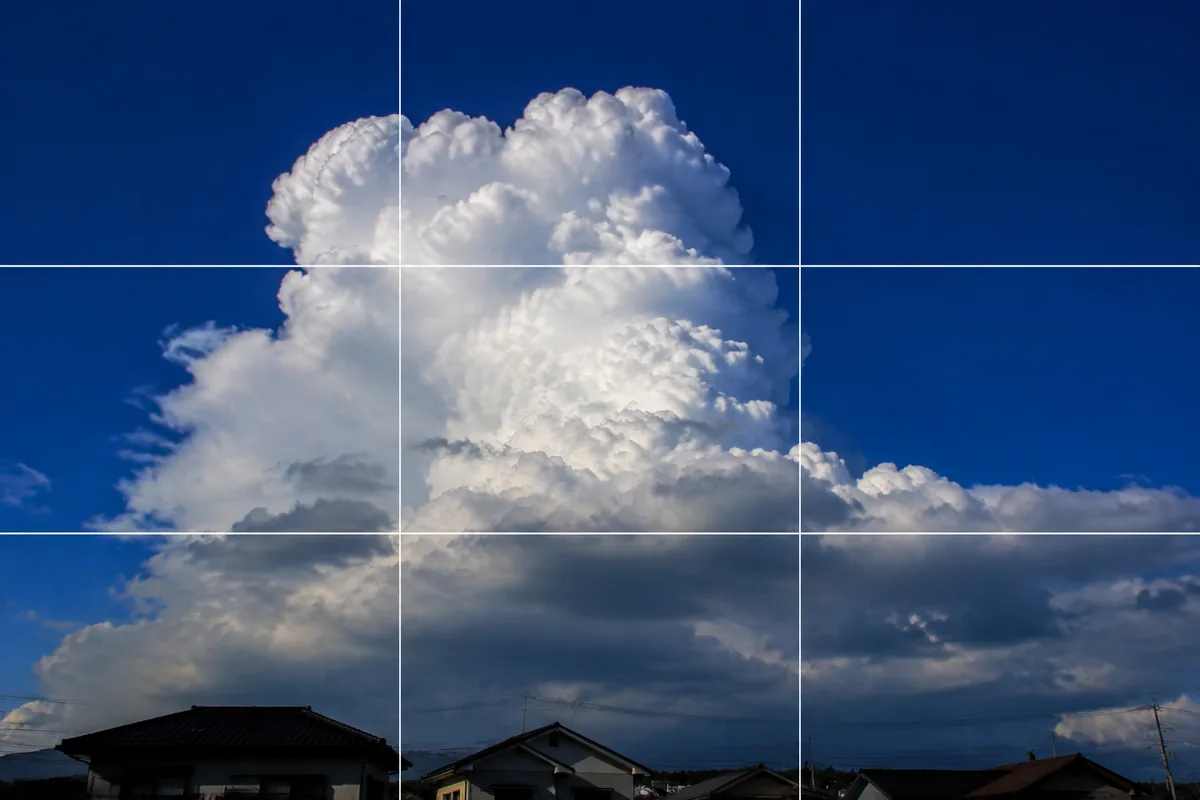
Summer Skies and Towering Clouds — Why They Shrink in the Frame
Why a towering summer cloud looks small in a phone photo. Use the ultra-wide, drop the sky's brightness to deepen the blue, and let a little ground in for scale.
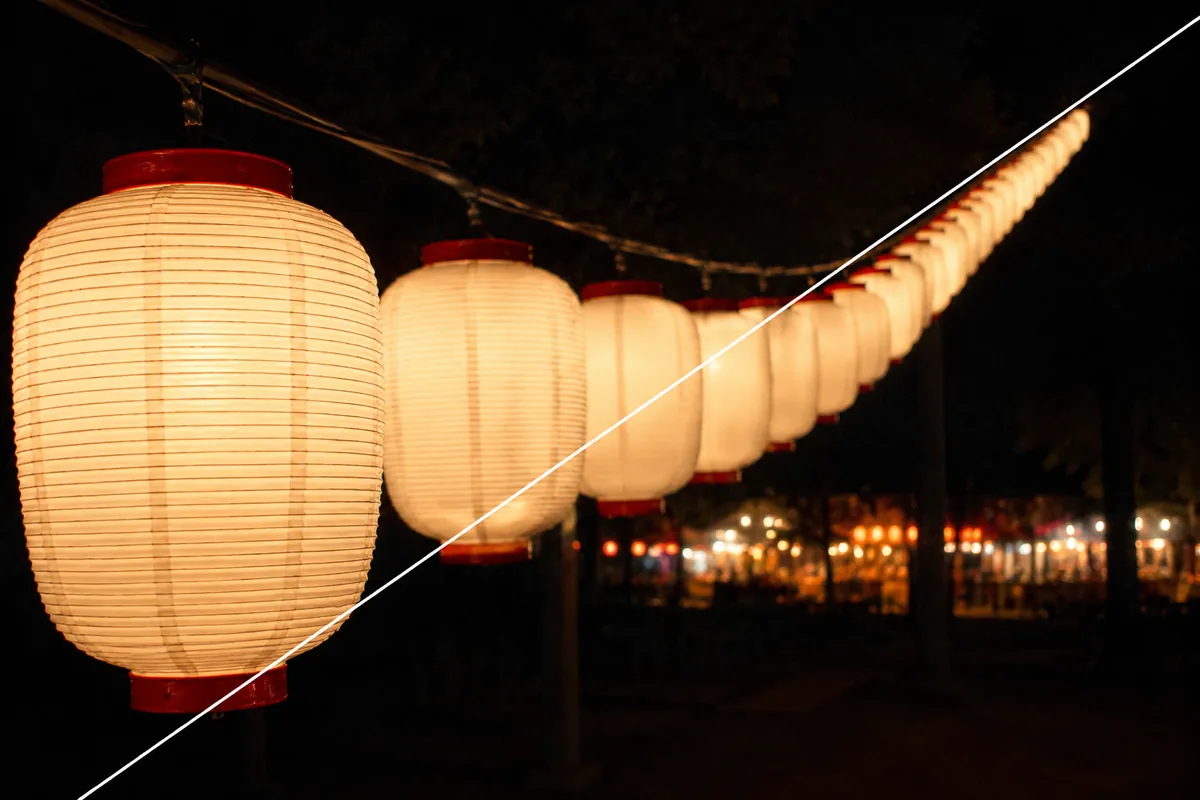
Summer Festivals — Why Night Shots Blur, and Shooting Lanterns and Stalls
Why summer festival photos come out dark and blurred. Meter for the lantern light, pick one subject and move in, and let back views carry the atmosphere.
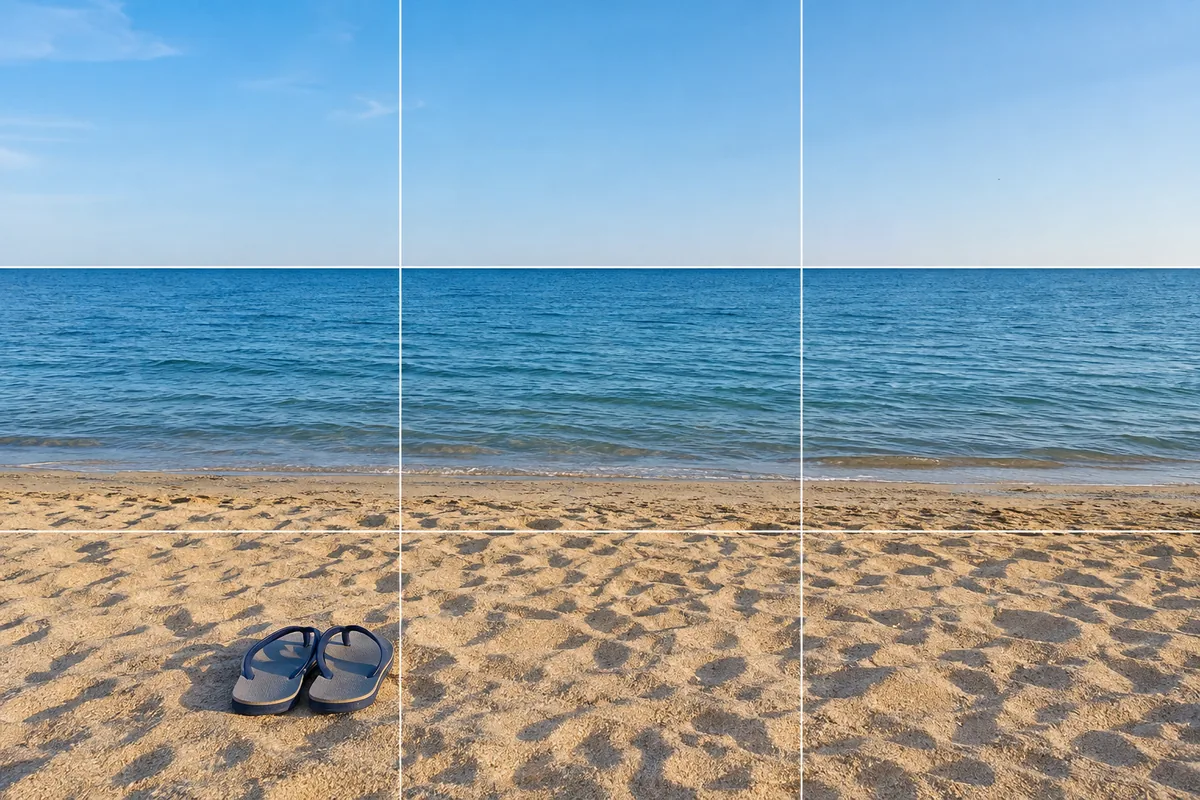
At the Beach — Why It Blows Out, and Fixing Level and Backlight
Why beach photos wash out pale. Meter for the sand and sea, keep the horizon straight with grid lines, and lift faces shot against the light.
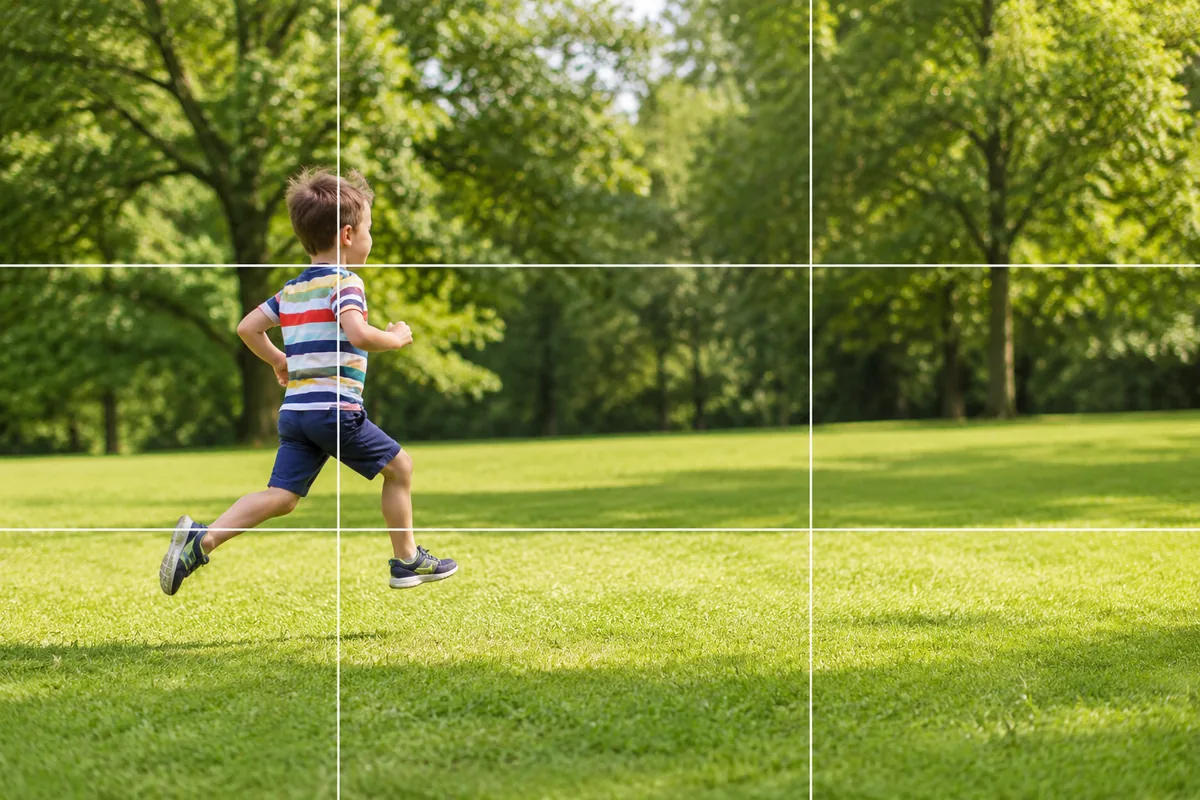
Kids and Pets in Motion — Why They Blur and How Burst Mode Fixes It
Why running kids and restless pets blur on a phone. Stop chasing one shot: pre-focus where they're heading, move somewhere brighter, and pick the keeper from a burst.
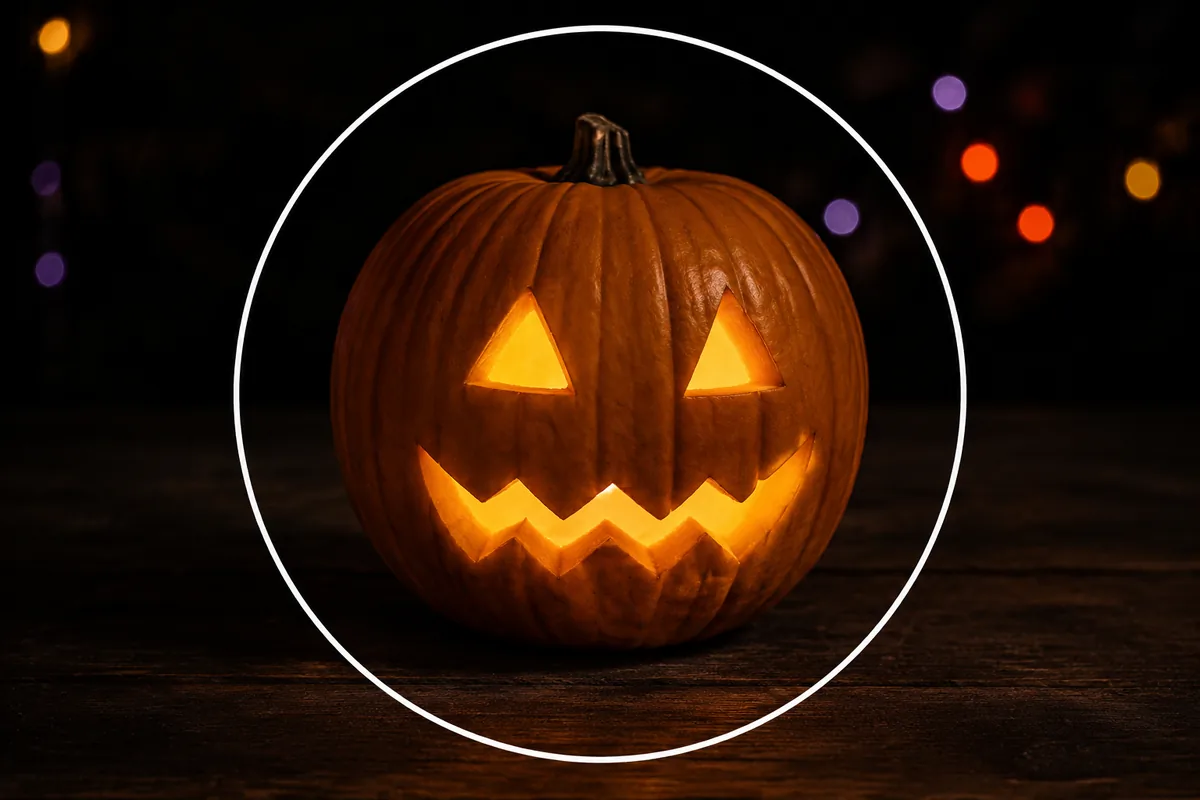
Halloween — Why It Looks Cluttered, and Shooting Decorations and Costumes
Why Halloween photos come out cluttered or dark. Pick one decoration and move in, meter for the glow of a carved pumpkin, and get down to eye level for kids in costume.
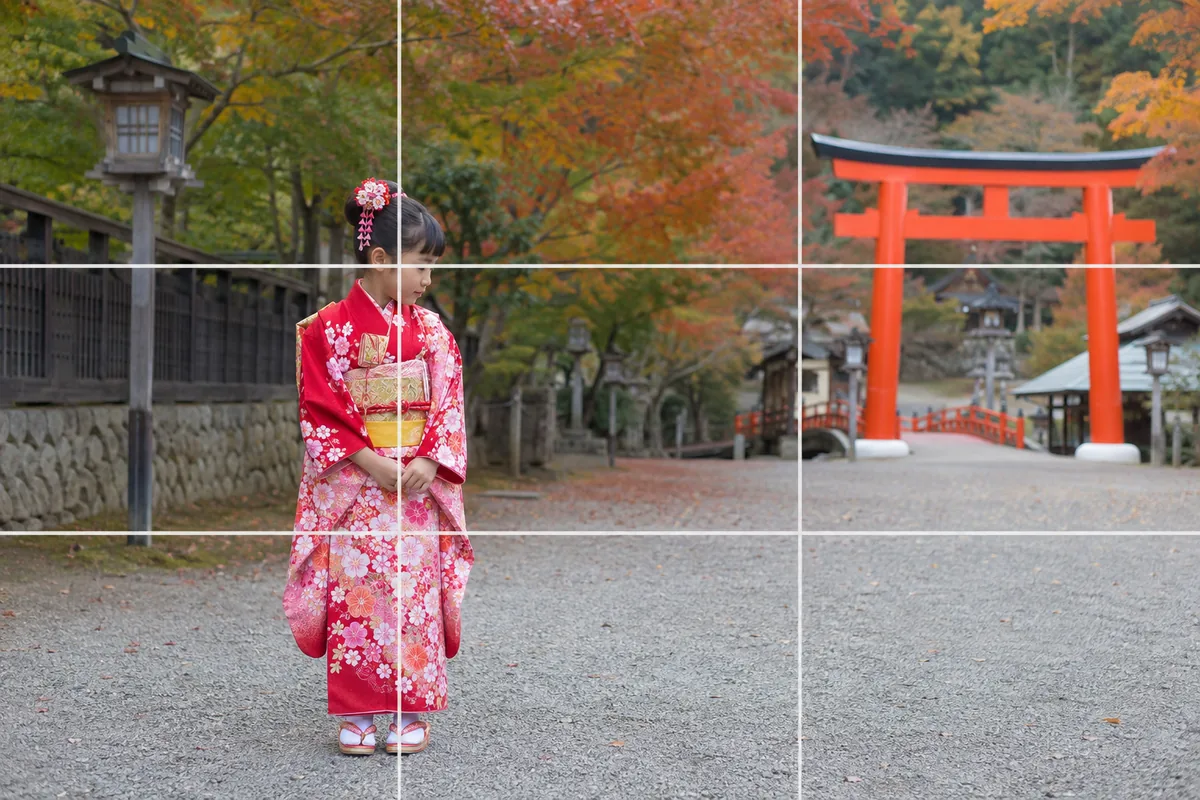
Photographing Shichi-Go-San — Why Faces Go Dark and How to Show the Kimono
Why faces fall dark and kimono patterns don't read at Shichi-Go-San. Handle shrine shade and backlight, shoot the outfit as three frames, and burst for natural expressions.
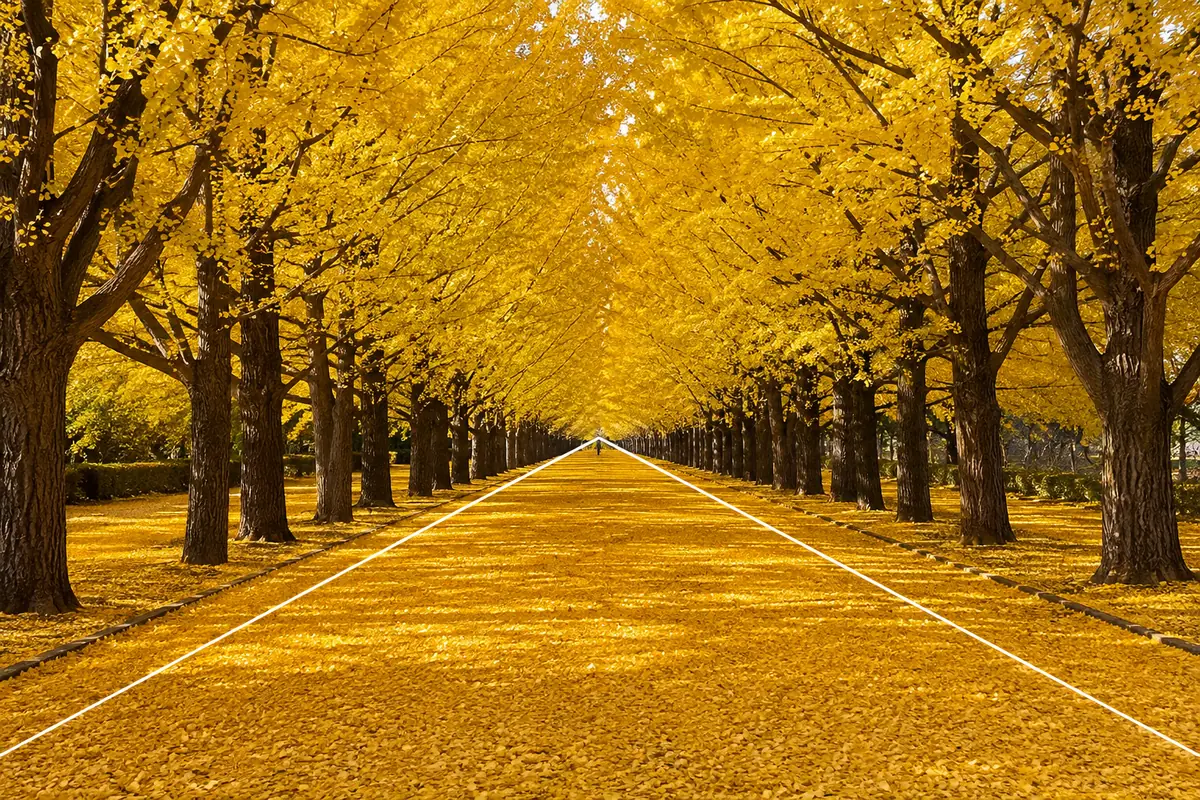
Photographing Ginkgo Avenues — Why They Look Flat and How to Use the Rows
Why a golden ginkgo avenue turns ordinary in photos. Use the rows as a line into the distance, look up to fill the frame with yellow, and meter to deepen the color.
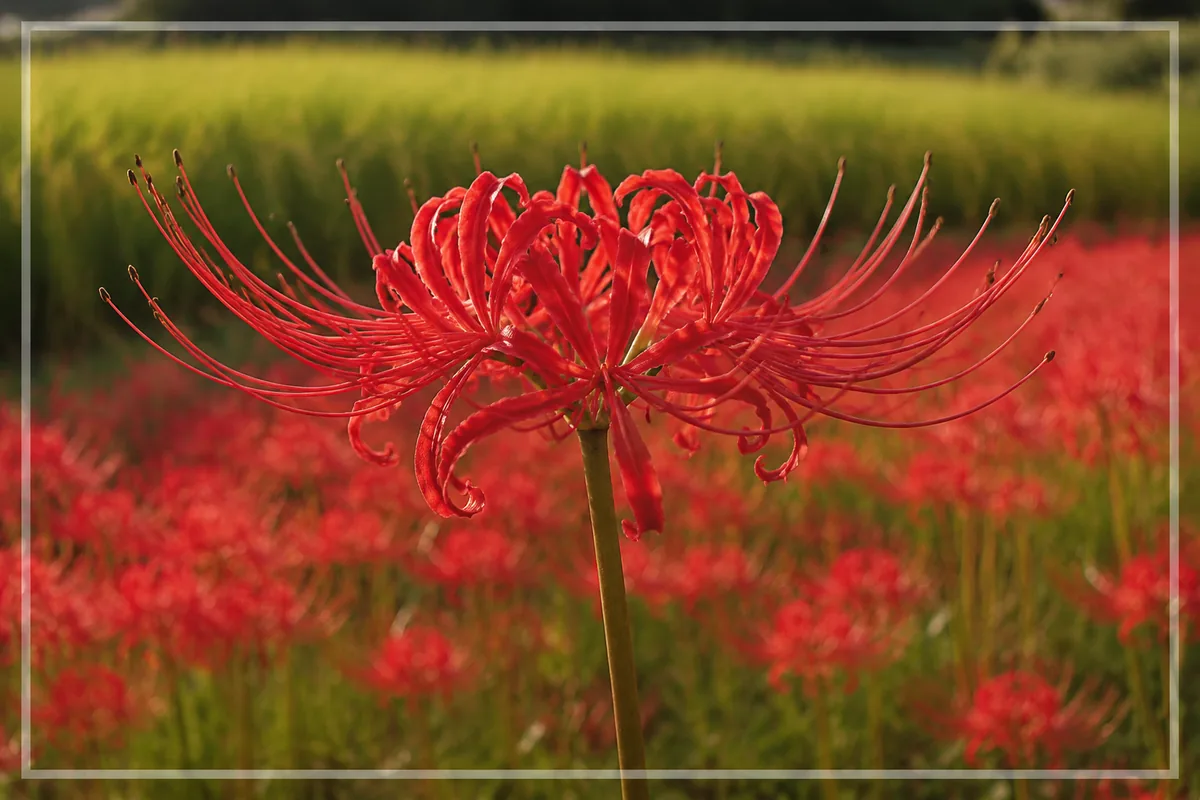
Photographing Red Spider Lilies — Why the Red Blocks Up and How to Shoot Drifts
Why red spider lilies turn into a flat block of red. Drop the brightness a step to keep the texture, backlight the petals, move in low on a single bloom, and use drifts as a line.
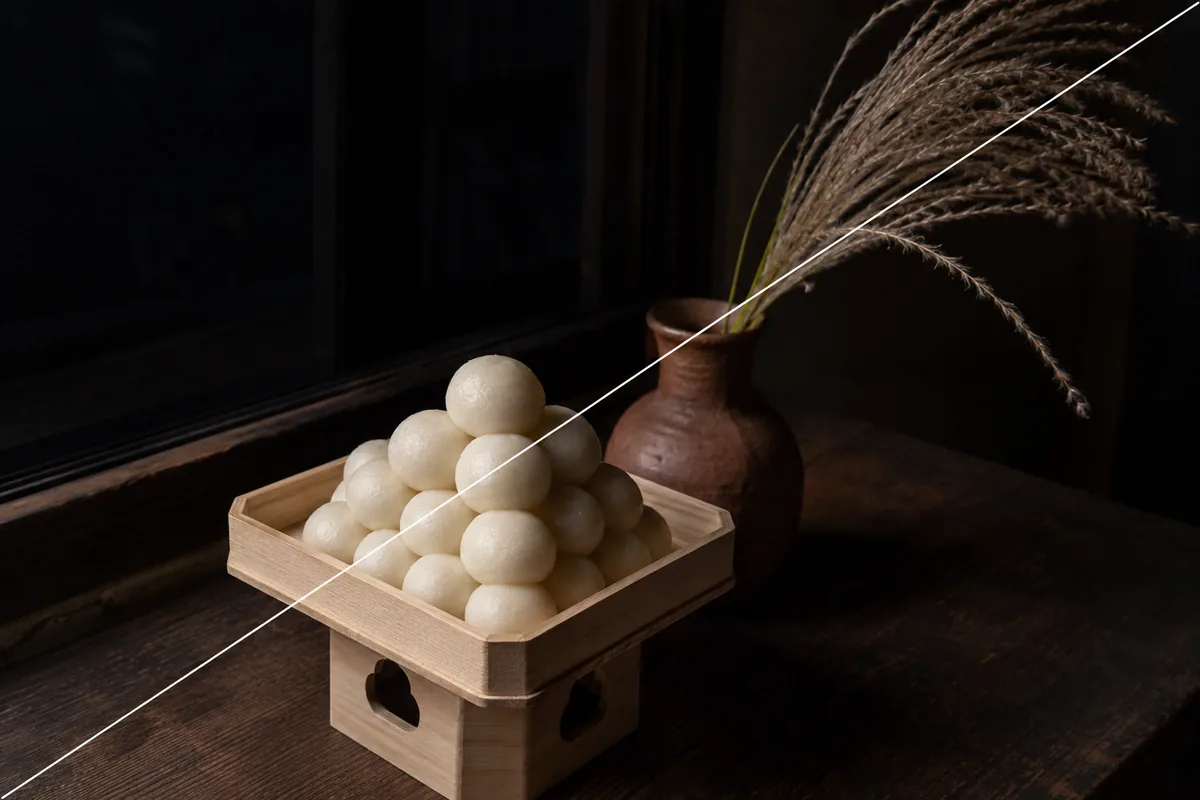
Photographing a Moon-Viewing Display — Why the Dumplings Blow Out
Why tsukimi dumplings blow out white and pampas grass vanishes into the background. Meter for the dumplings, darken the background, and shoot the moon separately.
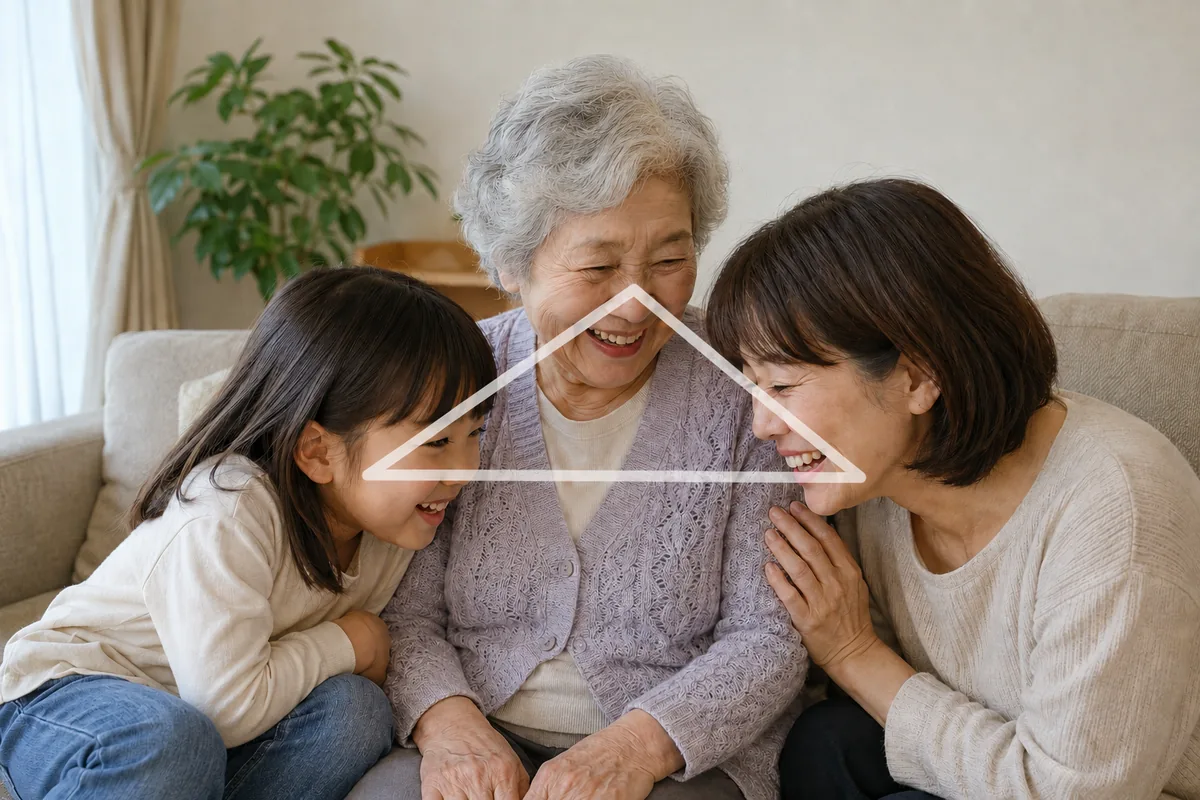
Three-Generation Family Photos — Why Everyone Stiffens and How to Arrange Them
Why three-generation family photos come out stiff. Seat the grandparents and gather around them, keep shooting after the posed frame, and get yourself in with the timer.