Shooting Sunsets — Why Sky-Only Shots Fall Flat and How to Catch the Magic Hour
Published Aug 27, 2026
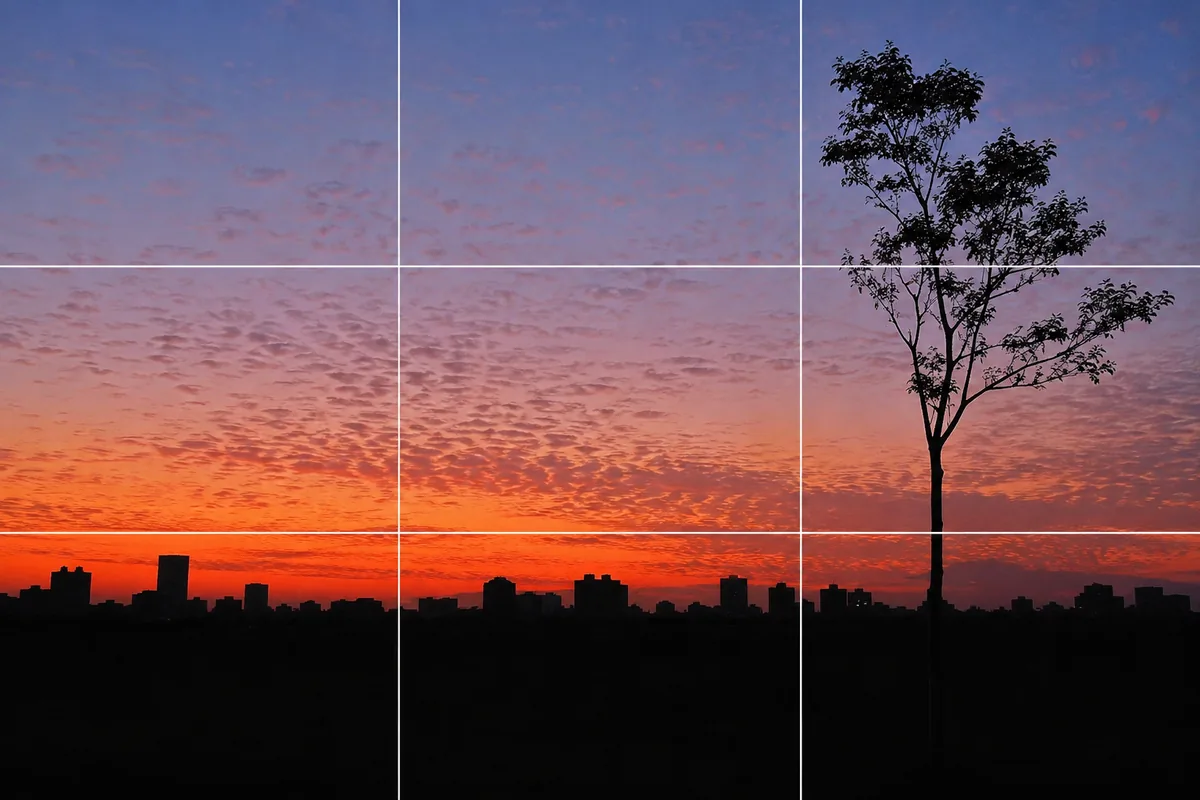
A sunset is at its best while you’re standing in it. Then you take the photo and the color is thin, and it’s just sky. The cause isn’t your skill or your phone — it’s timing, brightness, and the lack of a subject. The stock camera app gets you most of the way there.
Sky alone falls flat
The main reason a sunset photo feels like it’s missing something is that there’s no subject in the frame. The sky may be beautiful, but there’s nowhere for the eye to land. Put a tree, a building, a lamp post or a person in front and that becomes the subject, which lets the sky settle into the role of background. Once the roles are clear, the frame suddenly holds together (→ How to photograph landscapes).
The window is the half hour around sunset
A sunset reads richest just before the sun drops and just after. Together, that stretch is the magic hour.
- The 20 to 30 minutes before sunset (the golden hour): light turns golden, warming the street and people’s faces
- The 15 to 30 minutes after sunset (the blue hour): the sky moves from pink into deep blue and balances against streetlights
Most people pack up the moment the sun disappears, but after it drops is the real show. The color changes every few minutes, so take several frames from the same spot and pick your favorite later. Your weather app has the sunset time — being there 40 minutes early lets you catch the golden light without rushing.
Set brightness for the sky, slightly dark
Left alone, the camera tries to give the whole frame a comfortable brightness, which thins out the sky’s color. Tap a bright part of the frame (the sky), then swipe down to go slightly darker and the sunset color comes back (→ Adjusting brightness).
Going darker sinks the buildings and people in front, and that’s fine — a silhouette with only its outline left actually sets off the sky better. When you want both the foreground and the sky to hold up, the approach to backlight applies (→ Shooting into the light).
Decide the sky-to-ground ratio
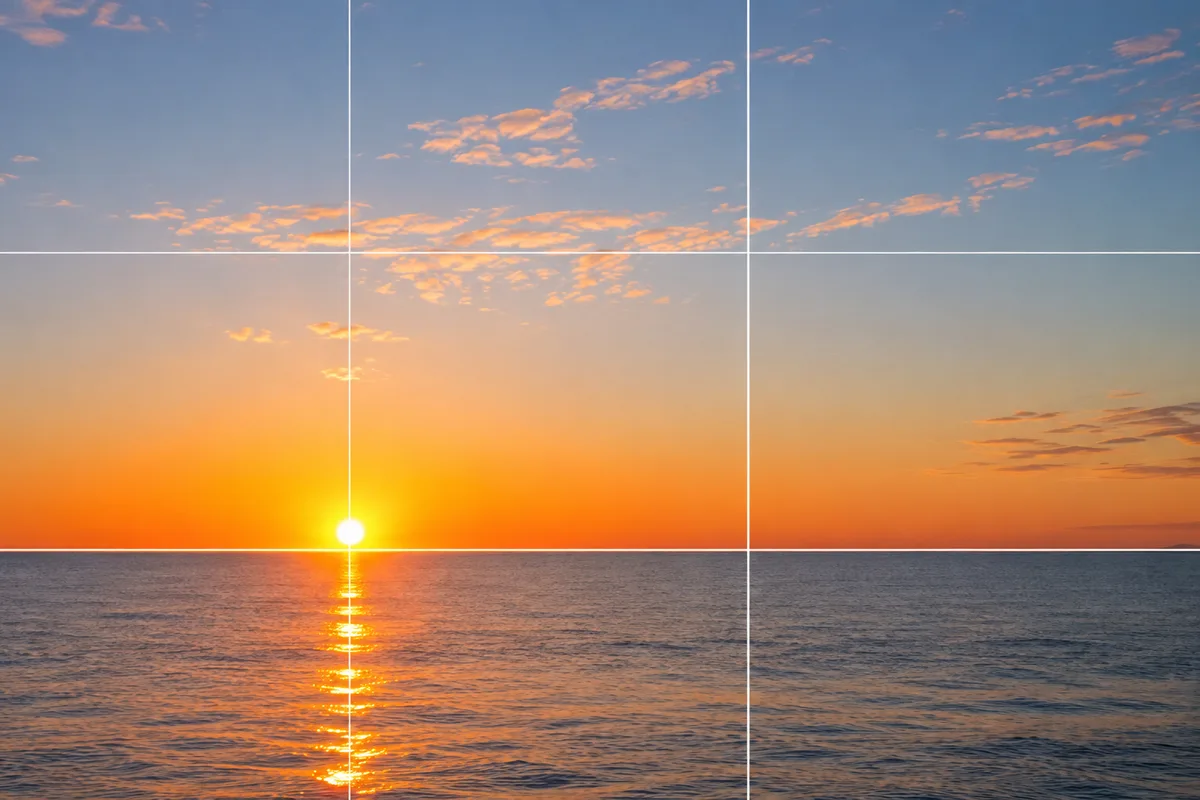
Making the sky the subject? Give it two-thirds. Want to show the town or the sea? Keep the sky to a third. Committing either way gives you a frame without hesitation. Line a horizontal grid line up with the boundary and the ratio takes care of itself (→ How to use grid lines / Rule of thirds).
Split it roughly in half and sky and ground end in a draw, and neither one comes through. Where a coastline or a road runs toward the sun, put that line in the frame to lead the eye to your subject (→ Leading lines).
 Composition guideRule of thirdsSee the full guide for this composition →
Build a subject from silhouette and space
For the silhouette, pick something with a clear outline — a bare branch, a torii gate, a Ferris wheel, two people holding hands. Dense shrubs or a tangle of power lines, on the other hand, collapse into an unreadable blob once you darken them.
Place the subject near a thirds intersection and leave sky around it as empty space for a quieter, lingering feel (→ Negative space). Dead center works too, as long as you tidy the background and keep to a single subject (→ Center composition). On a day when rays fan out through a break in the clouds, including the point they come from makes for a striking frame (→ Radial composition).
 Composition guideNegative spaceSee the full guide for this composition →
Stay past sunset
As the sky sinks into blue, there’s a brief moment when the city lights and the remaining sky brightness match. It’s the best the town will look all day. Camera shake creeps in here, so rest your phone against a railing or a wall to steady it. Once it’s fully dark, night mode takes over (→ How to photograph night views / Using night mode).
Just this to start
Tap the sky and go a little darker. Put one silhouette in front. Give the sky two-thirds. Those three turn “a photo with sky in it” into “a sunset with a subject in it.” Then hang on for ten more minutes after the sun goes down.
FAQ
My sunsets come out duller than what I saw.
The camera is usually brightening the whole frame, which washes out the sky's color. Tap a bright part of the screen, then lower the brightness a little and the color returns. Giving the sky more of the frame helps too.
When exactly is the magic hour?
Roughly the half hour on either side of sunset. Before sunset the light turns golden (the golden hour); after it, the sky moves from pink into deep blue (the blue hour). Your weather app has the sunset time, so aim to be in place about 40 minutes ahead.
A shot of just the sky feels like it's missing something.
There's no subject in it. Put a tree, a building or a person in front as a silhouette — the outline becomes the subject and the whole frame tightens up.
Example gallery
Related reading
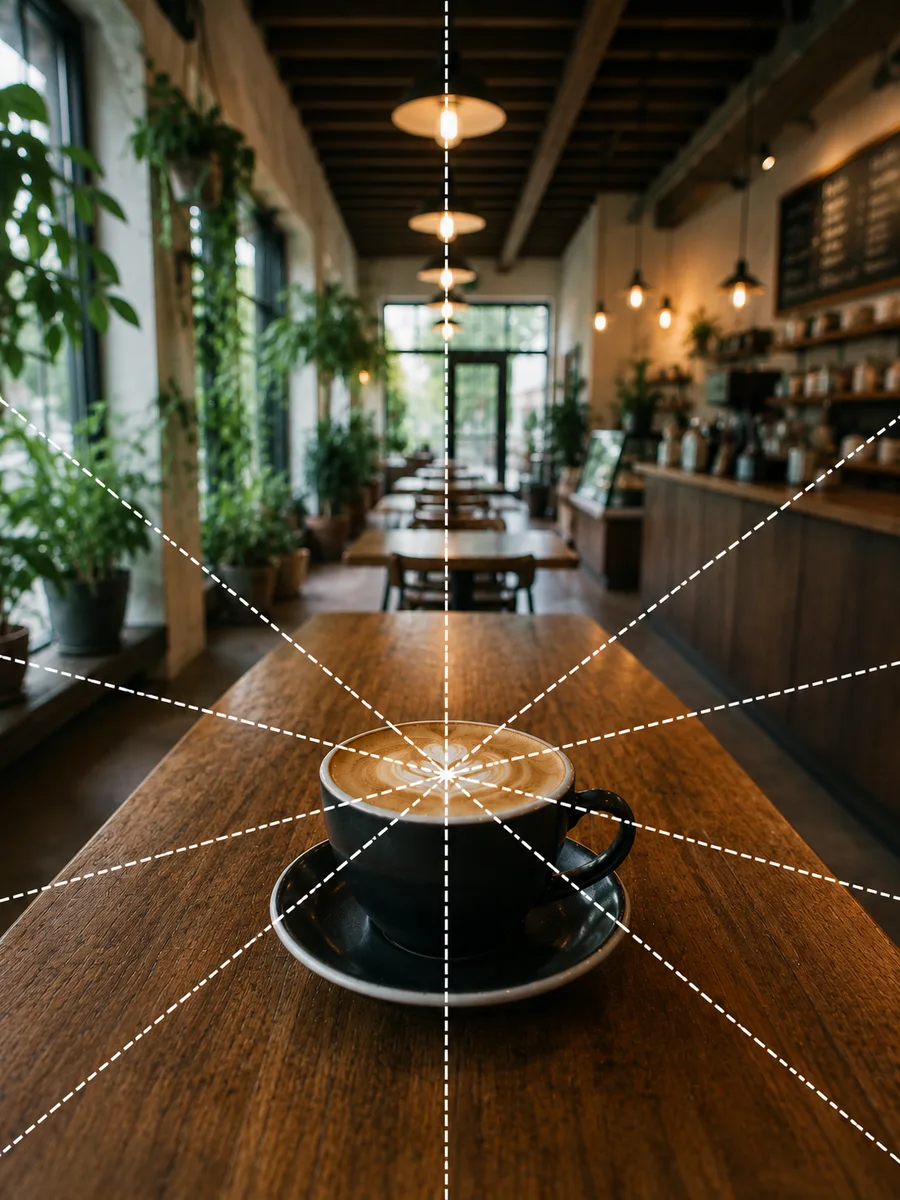
Compositions used
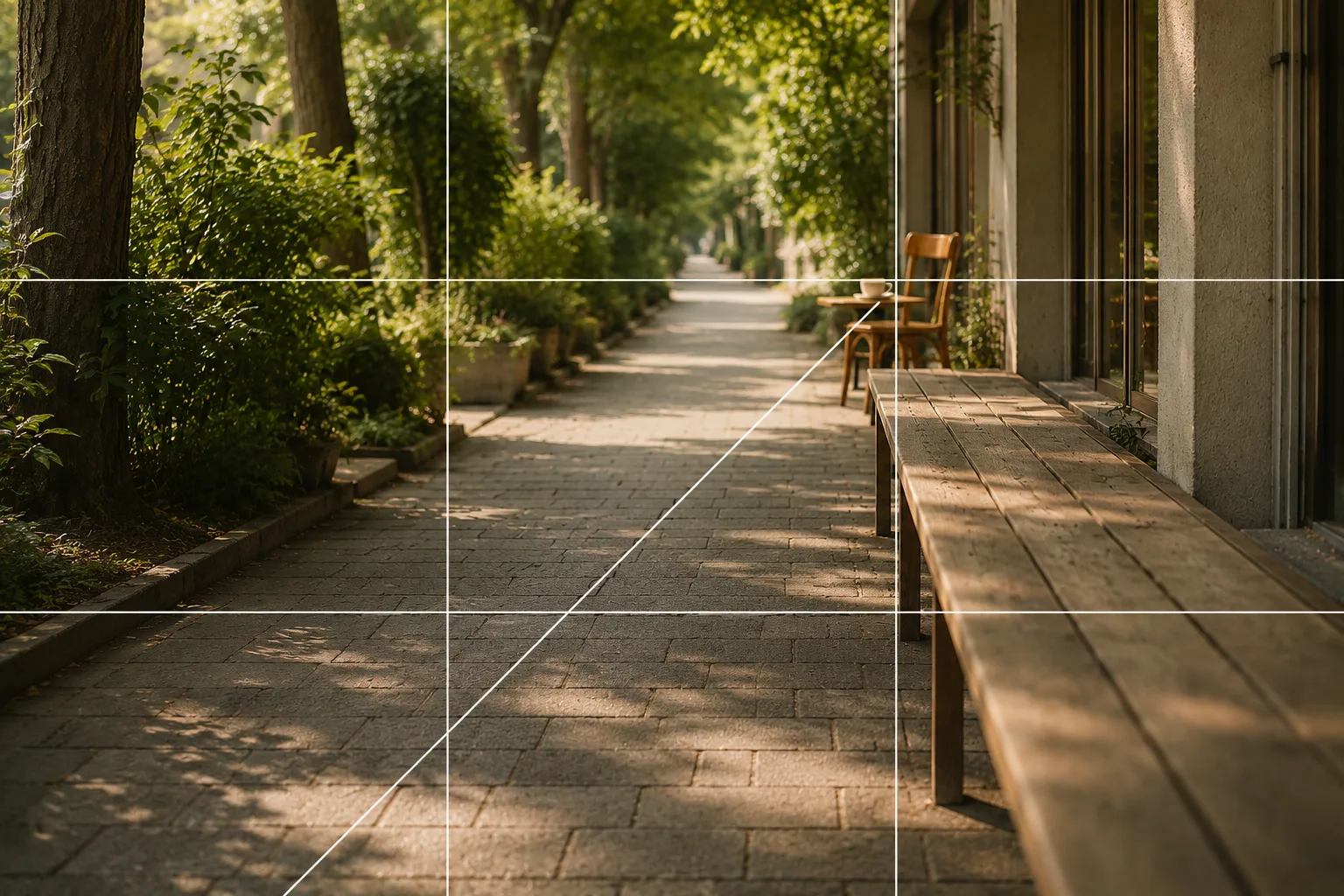
Related subject guides

Shooting Landscapes With Depth — Why They Look Flat and How to Level

Shooting Faces and Food Bright Even in Backlight — Why It Goes Dark and the Fix
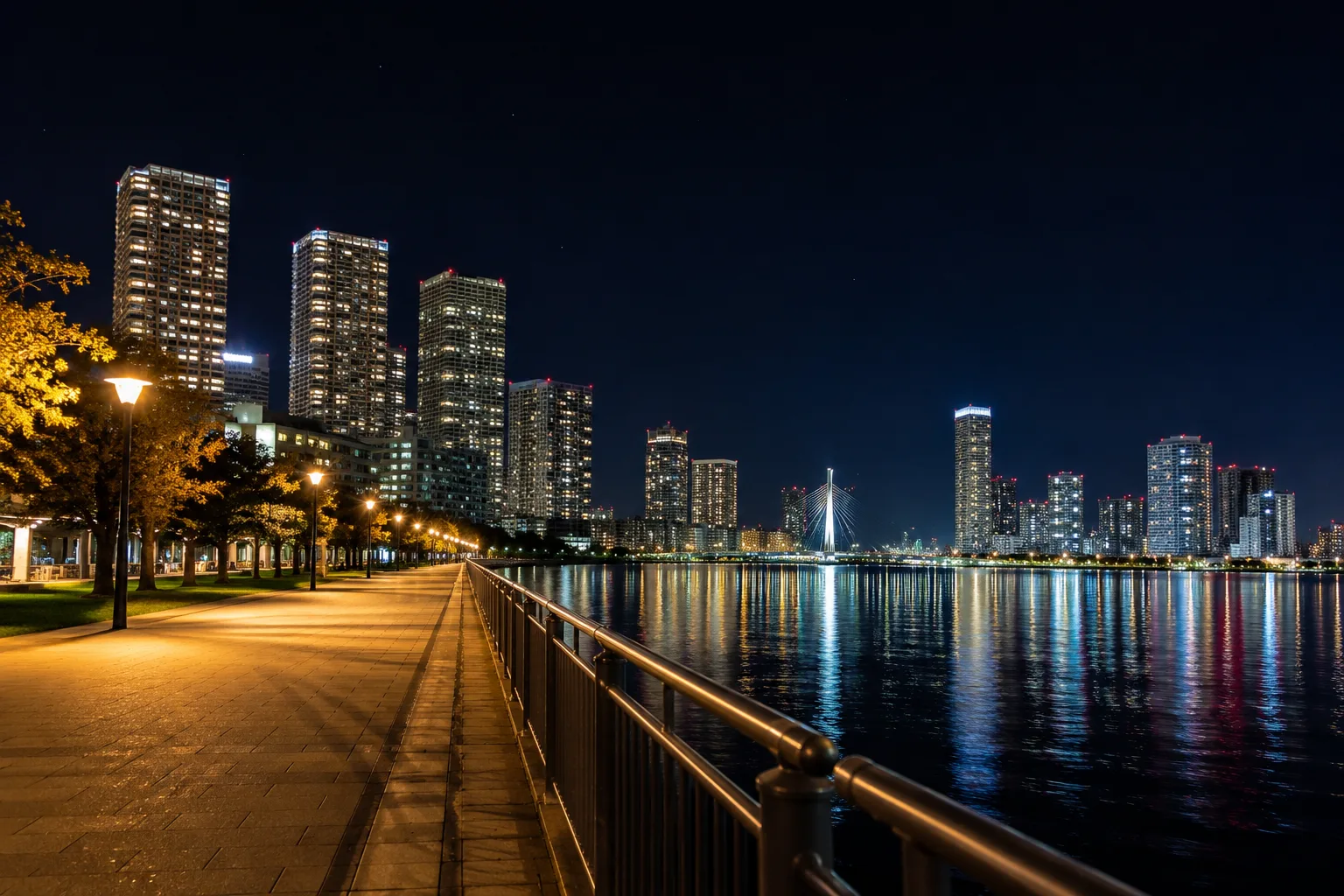
Shooting Night Views and Illuminations Crisp — Why They Blur, and Night Mode

Travel Photos Worth Remembering — Why They Look Like Postcards, and Cropping
Shooting the New Year's First Sunrise — Fixing the Blown-Out Sun and Tiny Sun
Shooting Fireworks Big and Crisp — Fixing Blur and Timing
Shooting the Moon Clearly — Why It Becomes a White Dot, and What a Phone Can Do
Summer Skies and Towering Clouds — Why They Shrink in the Frame
At the Beach — Why It Blows Out, and Fixing Level and Backlight
Photographing Ginkgo Avenues — Why They Look Flat and How to Use the Rows
Photographing Red Spider Lilies — Why the Red Blocks Up and How to Shoot Drifts