What Is Negative Space? Using "Emptiness" to Lift Your Subject
Published Jun 27, 2026

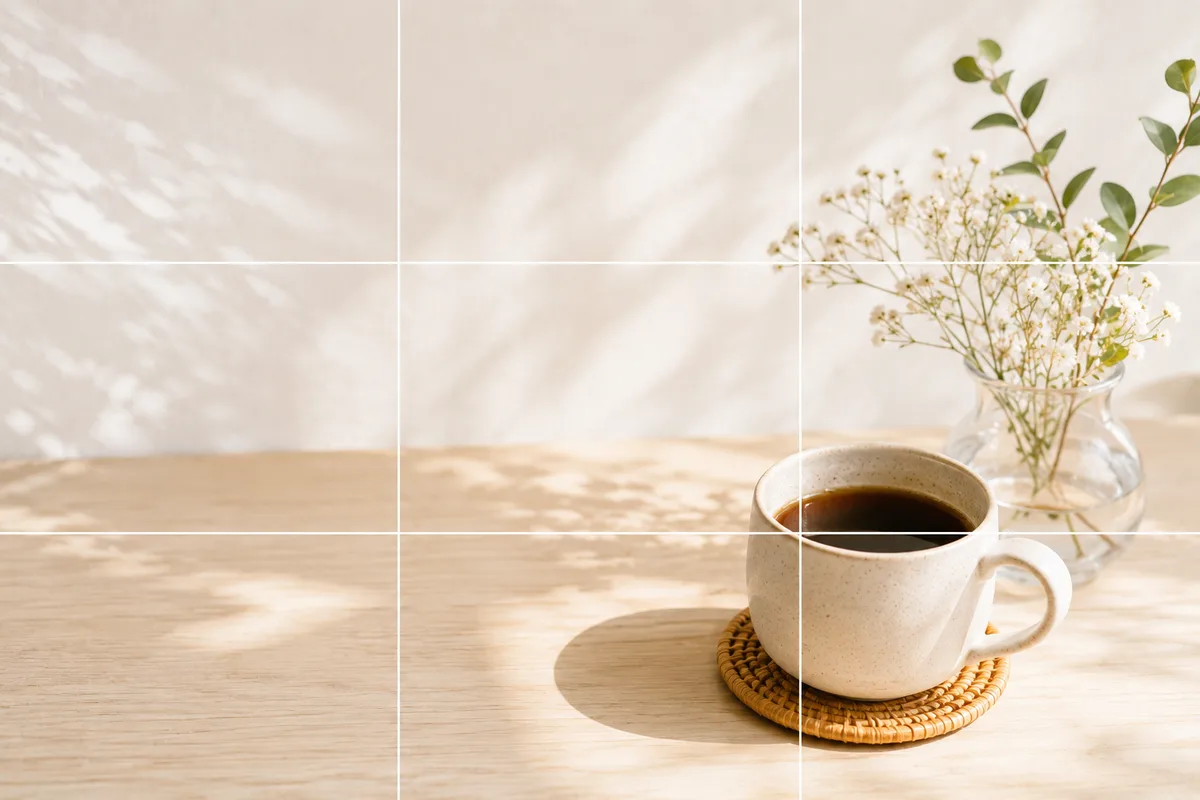
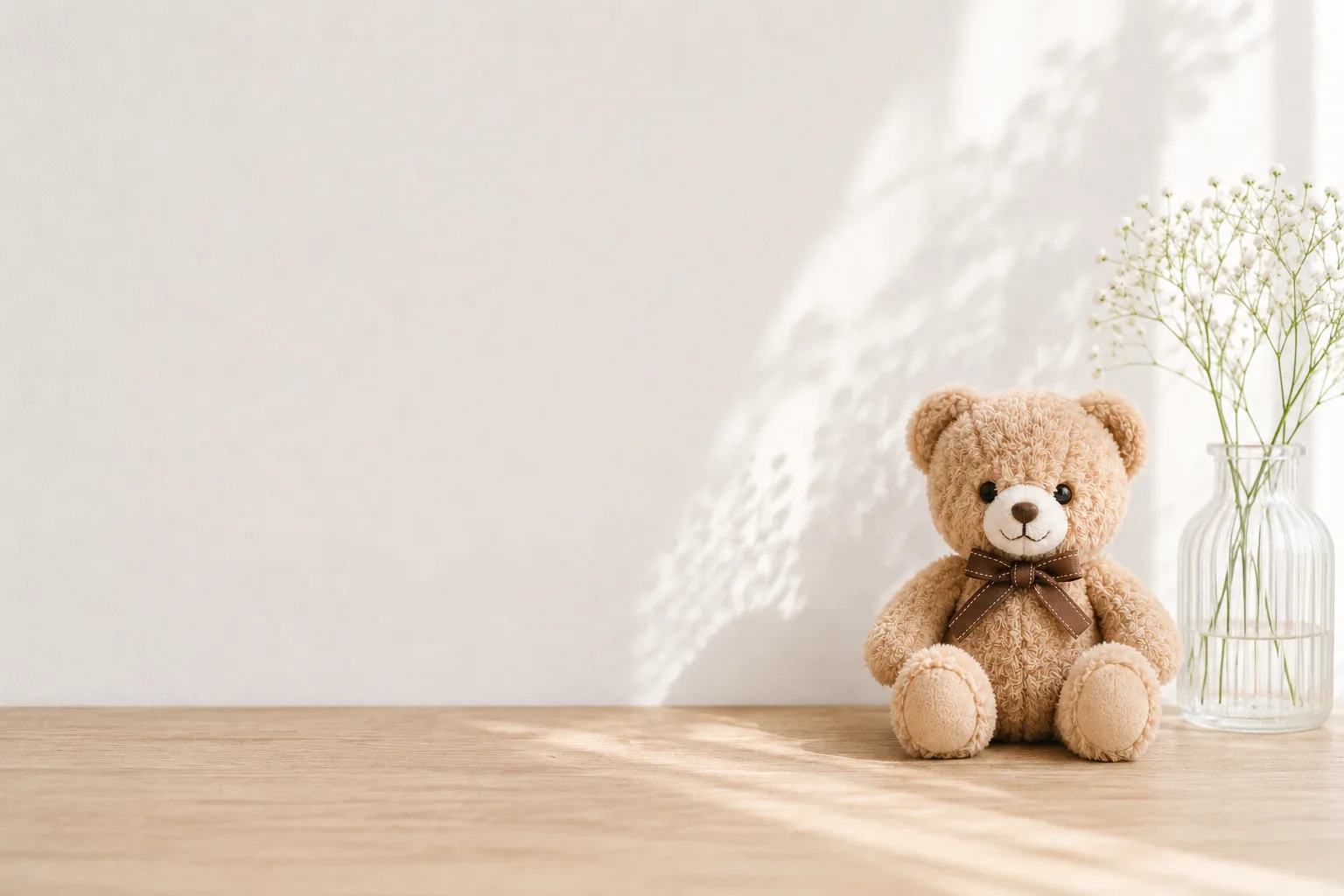
A negative-space composition deliberately leaves “empty nothing” around your subject. Empty space might sound like a lack, but it’s exactly what gathers the eye onto the subject and gives a photo a sense of openness and calm.
Why negative space works
Cram the frame full of subject matter and it’s hard to know where to look — it feels cramped. Open up the area around the subject and the eye is led there naturally, and the subject stands out. Negative space isn’t a “missing part”; it’s an active ingredient for making the subject prominent.
How to use it
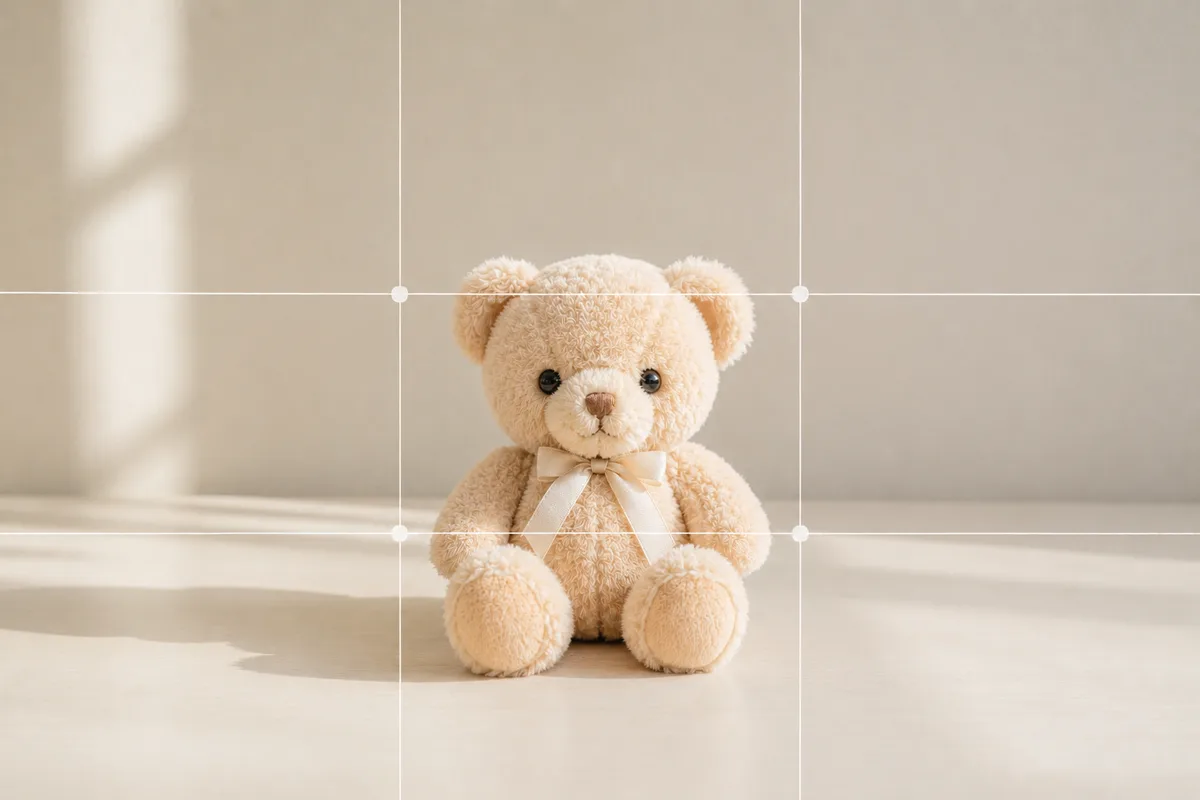
First, settle on one subject and clear as much else from the frame as you can. Then shift the subject slightly off-center and create space on the open side (→ Rule of thirds). Choose a plain background with few colors and the space works cleanly. At a café, the tabletop; for a product, a sheet of white paper — each doubles as ready-made negative space.
A note of caution
Too much space and the shot feels empty. So the subject doesn’t shrink too small, aim for roughly 30–40% subject and 60–70% space as a starting point. When you want the subject to read bold, a center composition — keeping the space tight and placing the subject in the middle — sometimes suits better.
Start with just this
Settle on one subject, tidy the surroundings, and shift the subject a little toward the edge to open up space. That alone turns a “cluttered-looking” photo into something far more refined.
FAQ
What is negative space in photography?
A negative-space composition deliberately leaves "empty nothing" around your subject. That emptiness is exactly what gathers the eye onto the subject and gives a photo a sense of openness and calm.
How is it different from the rule of thirds?
The rule of thirds places the subject on an intersection, and negative space is almost always used alongside it — the open area that appears on the other side once you shift the subject onto an intersection is exactly what functions as negative space.
Is more negative space always better?
Not necessarily. Leave so much that the subject looks lost and small, and the shot feels empty. As a rule of thumb, keep the subject to about 30–40% of the frame and leave the rest open.
What subjects suit negative space?
Ones with a clear subject — a café drink, small objects, products, people. Even in scenes where the background tends to get busy, keeping negative space in mind makes everything look tidier.
This composition across subjects
Related reading
Compositions used

What Is the Rule of Thirds? The Go-To Composition for Phone Photos
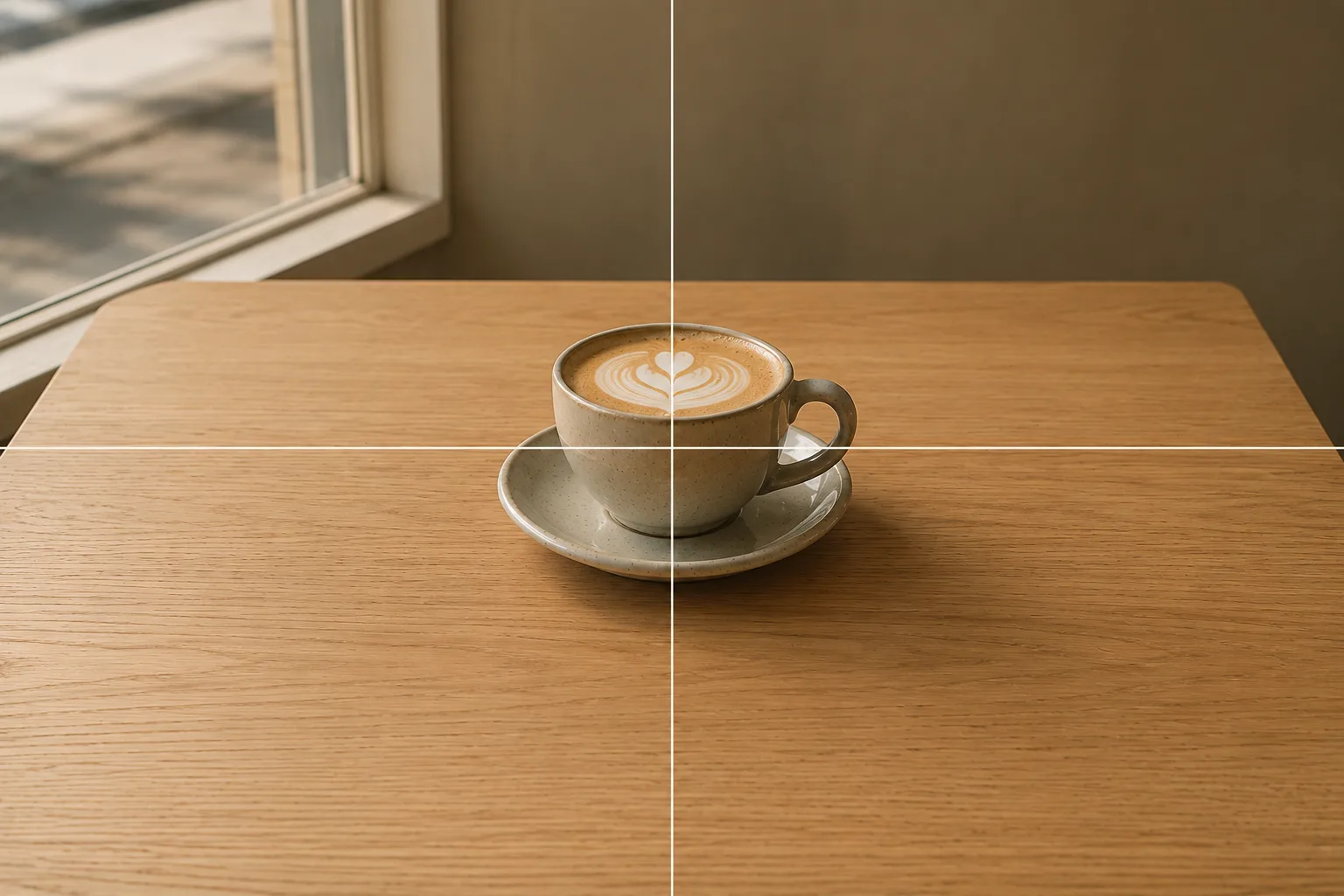
Centered Composition: When Putting Your Subject Dead Center Works
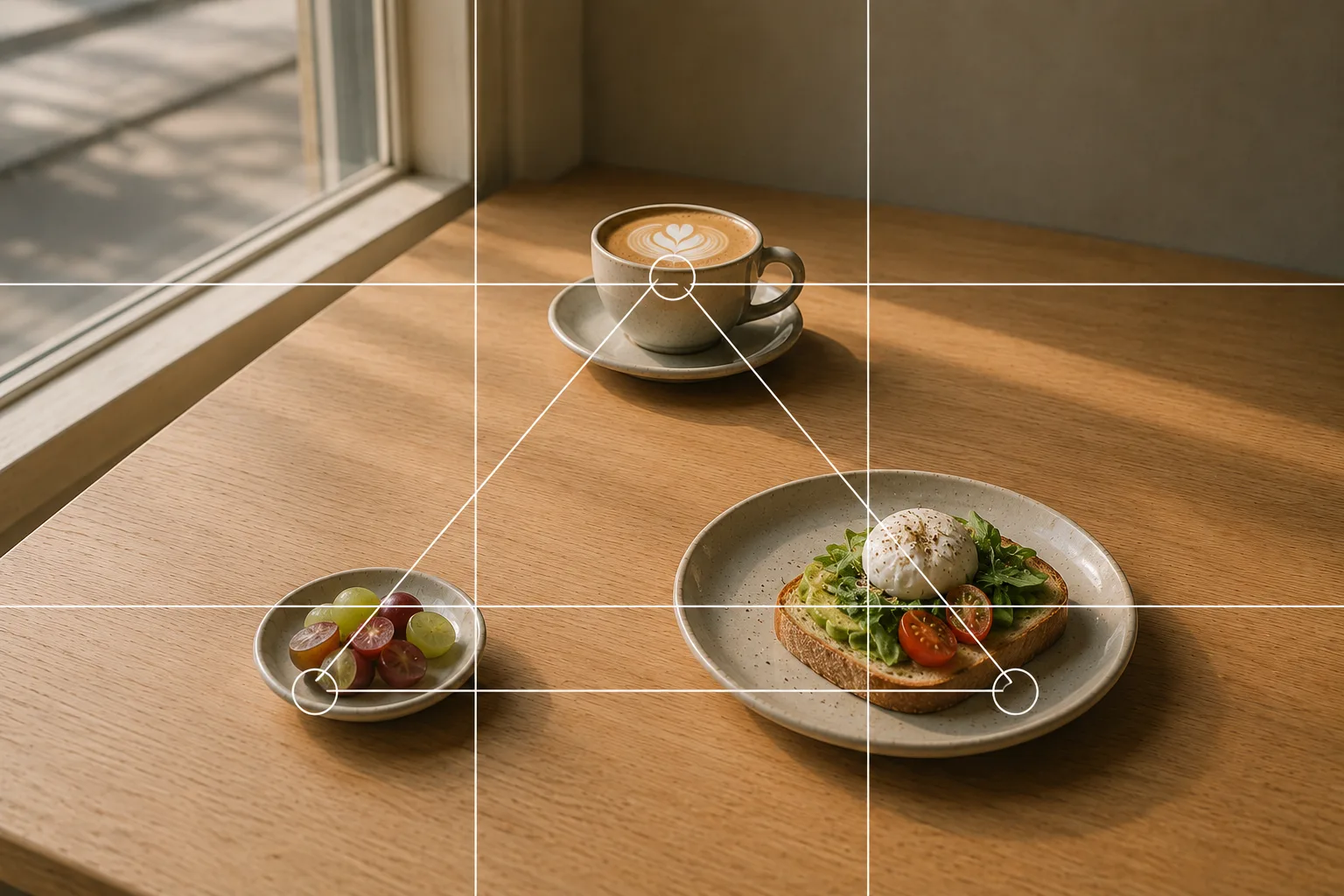
What Is a Triangle Composition? Bringing Stability and Cohesion to Phone Photos

Fill the Frame: Going in Close to Make Your Subject Big
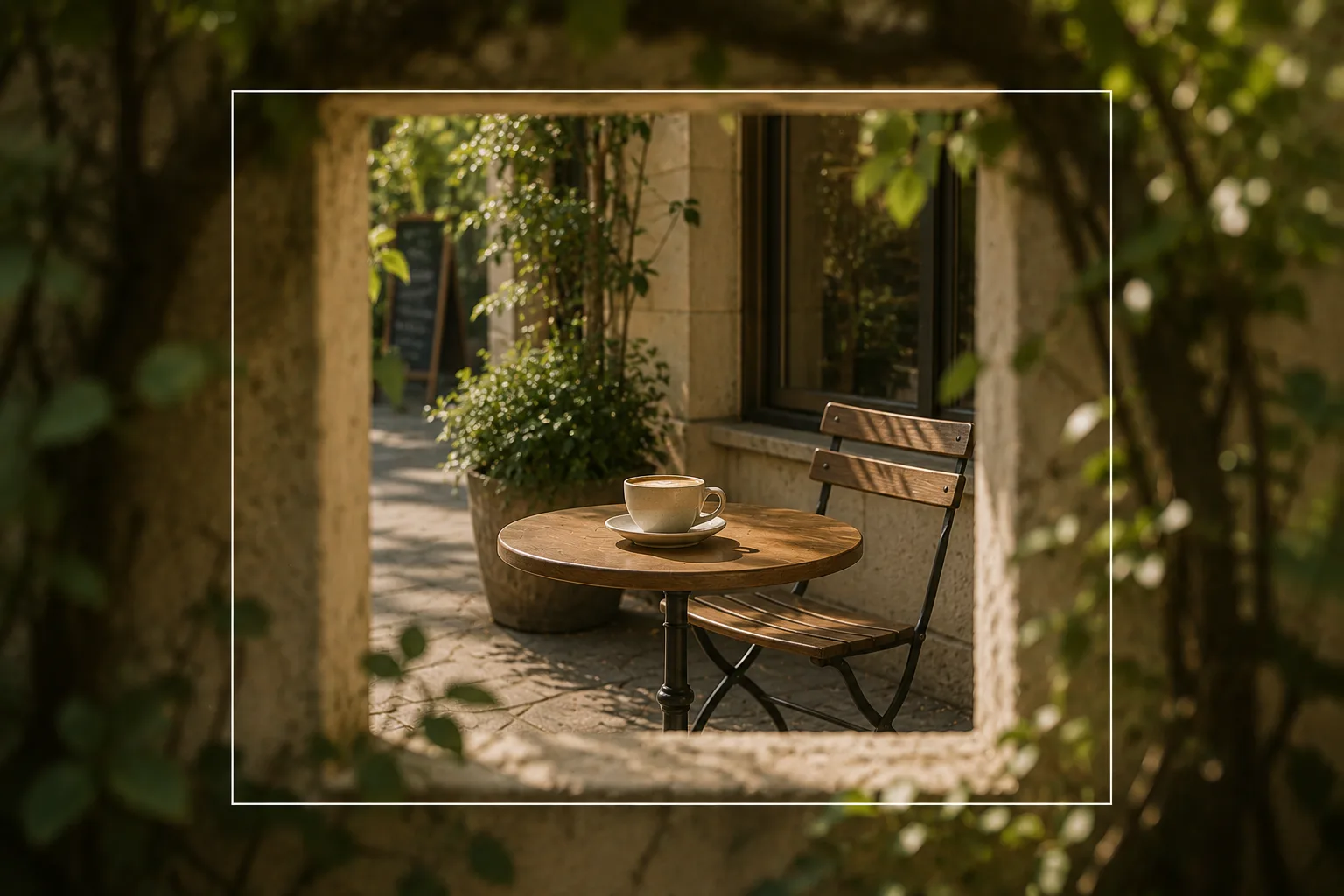
Framing Composition: Using a Foreground Frame to Lift Your Subject
Related subject guides
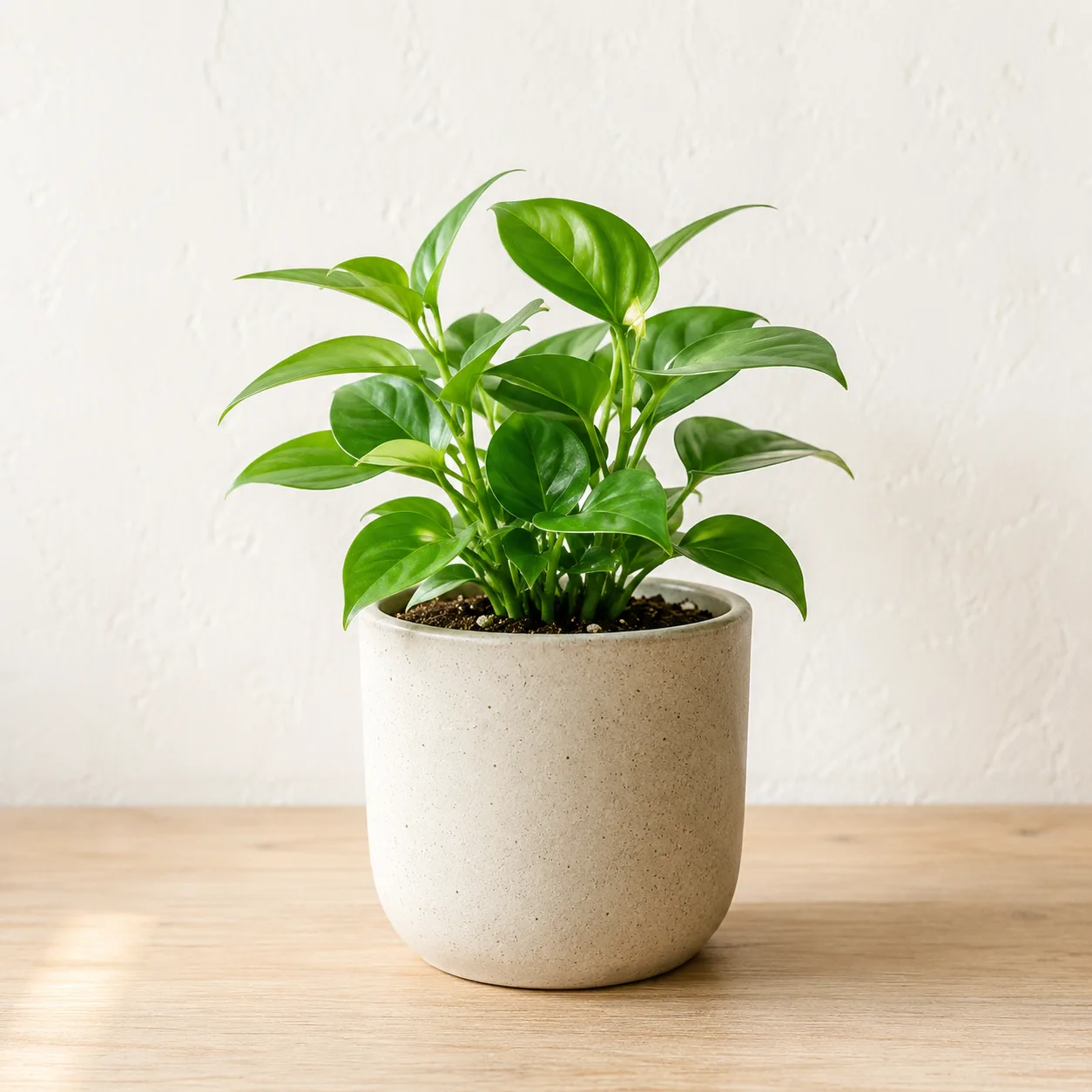
Composing a Polished Social Media Icon — Making a Good Impression
Photographing Fan Goods for Reselling — When Condition Doesn't Come Through
How to Photograph Fan Goods — Glare and Blur on Acrylic Stands & Photocards

Composing Stylish Café Photos — Why They Don't Pop and How to Fix It
Composing Marketplace Listing Photos That Sell — Clearing the Background

Shooting Faces and Food Bright Even in Backlight — Why It Goes Dark and the Fix
Shooting Clothing That Sells on Poshmark and Depop — Presentation and Background

Flattering Selfies, Naturally — Why They Look Awkward, Plus Angle and Light
Shooting Night Views and Illuminations Crisp — Why They Blur, and Night Mode

Making Drinks and Lattes Pop — Sorting Out Light and Composition

Shooting Handmade Pieces Beautifully for Etsy — Why They Look Cheap, and the Fix
Composing Small Items and Accessories — Why They Look Dull and How to Fix It

Composing Flowers That Stand Out — Closeness, Light and Background
Fix the "Almost There" in Phone Photos With Composition — Using SmaPhoto Tips
Shooting Fresh, Dewy Hydrangeas — Why They Look Hazy, and Bringing Out Color
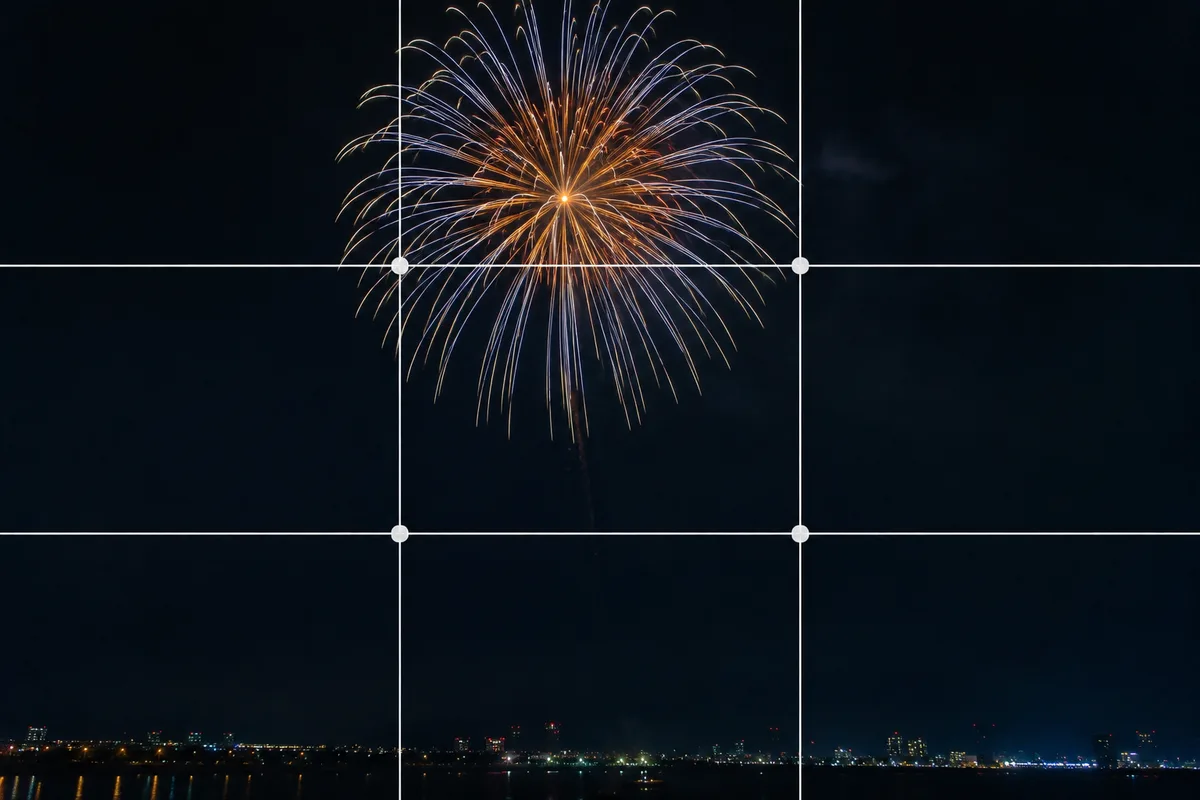
Shooting Fireworks Big and Crisp — Fixing Blur and Timing
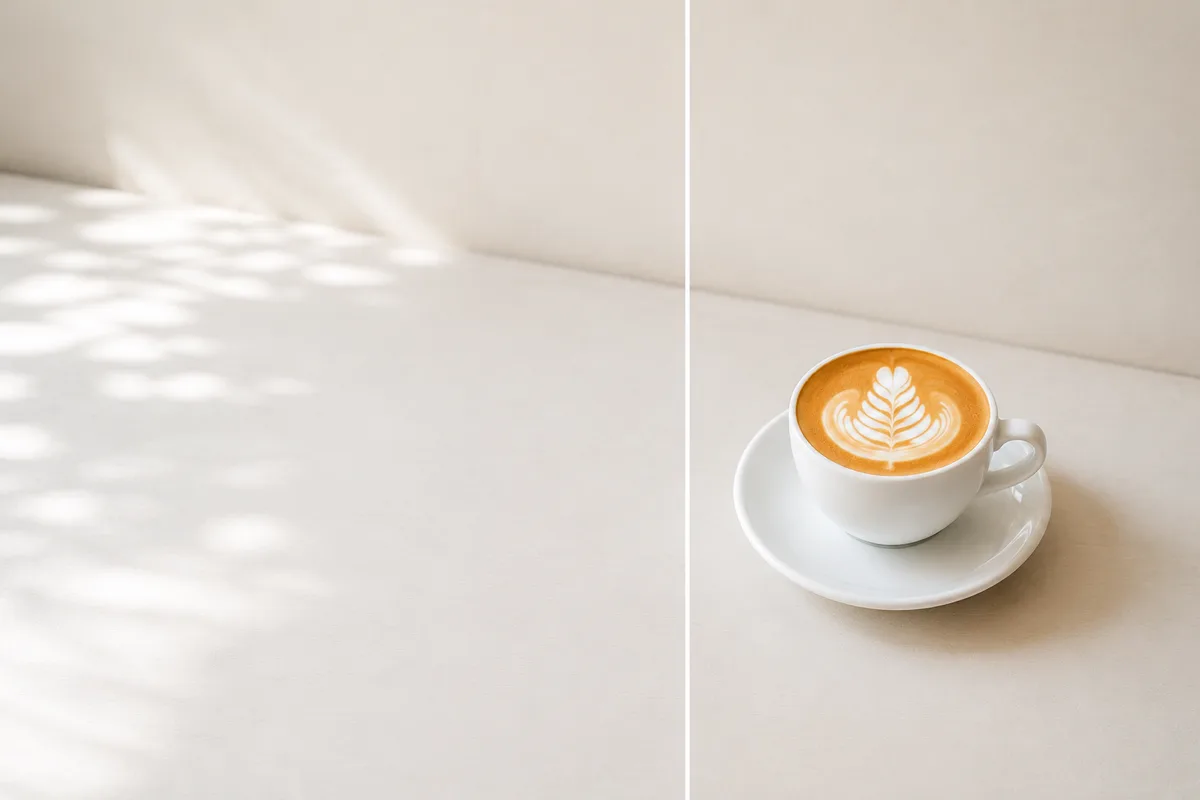
Café Photos Look Stylish with Negative Space — Clearing the Clutter
A Center Composition Is the Right Call for Social Icons
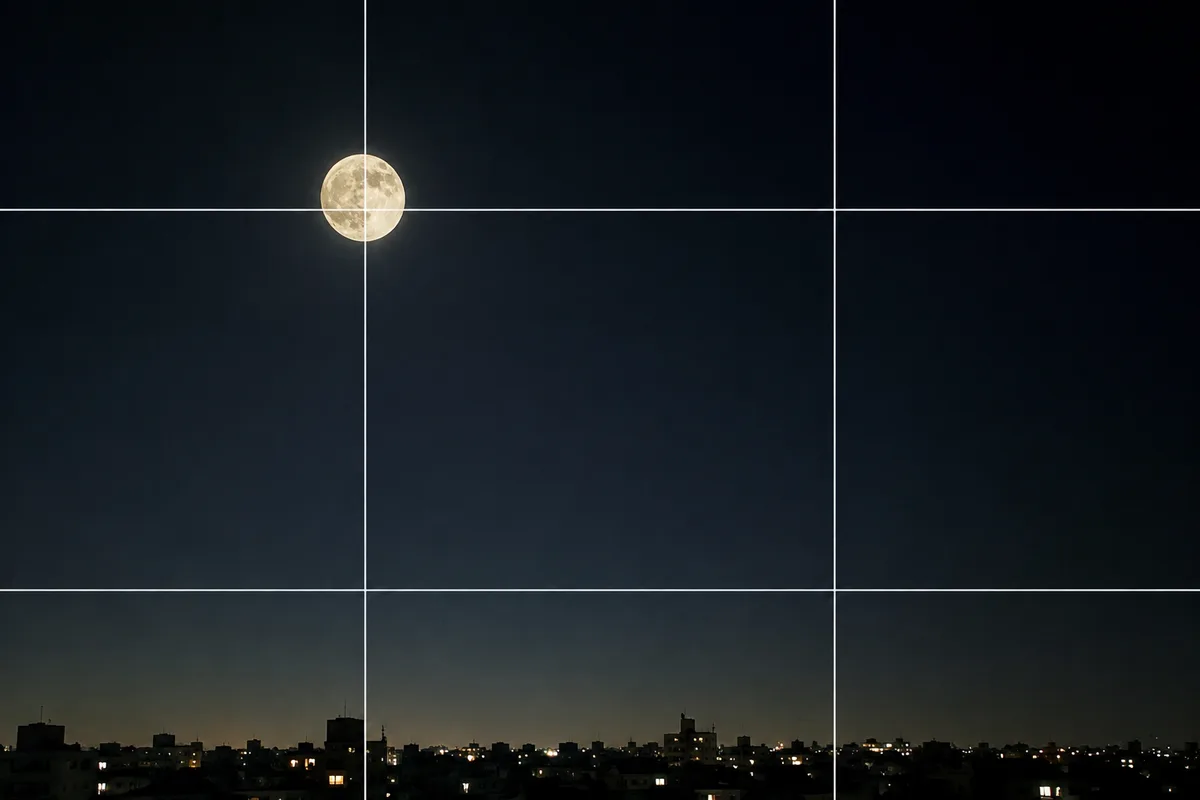
Shooting the Moon Clearly — Why It Becomes a White Dot, and What a Phone Can Do
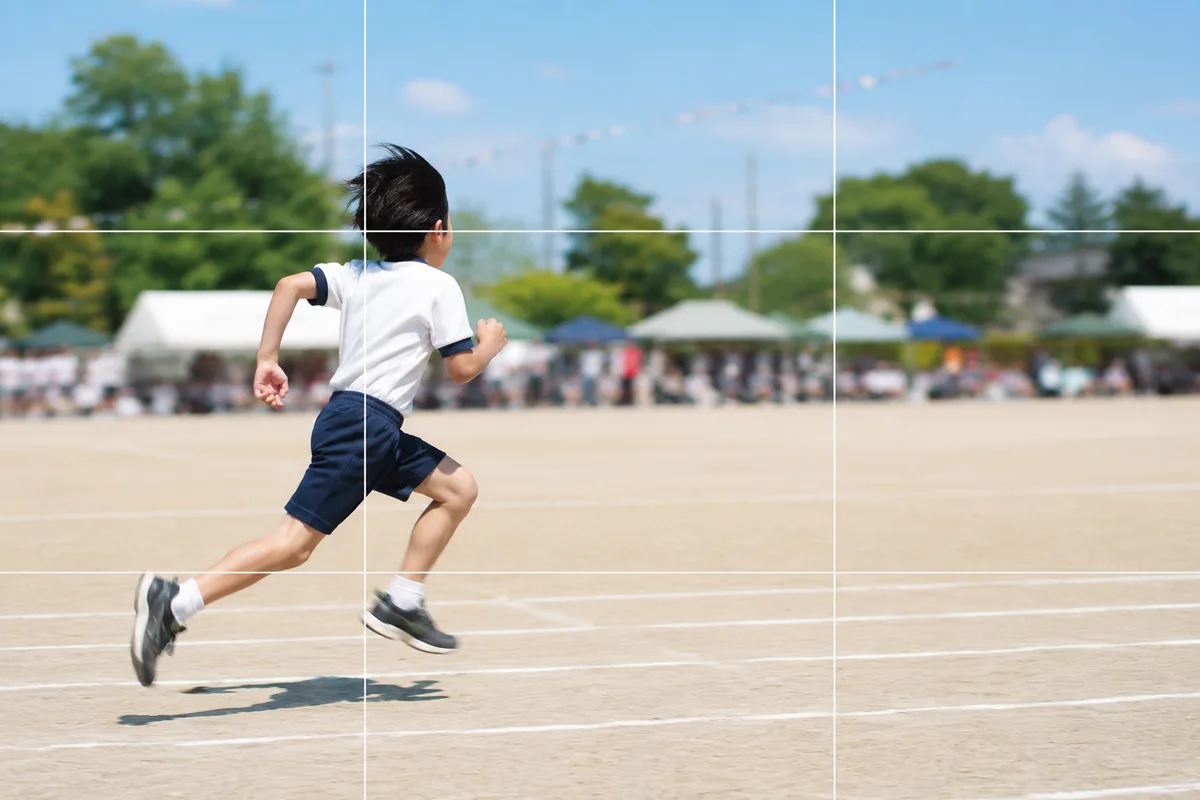
Shooting Kids Sharp at Sports Day — Fixing Blur, Distance and Backlight
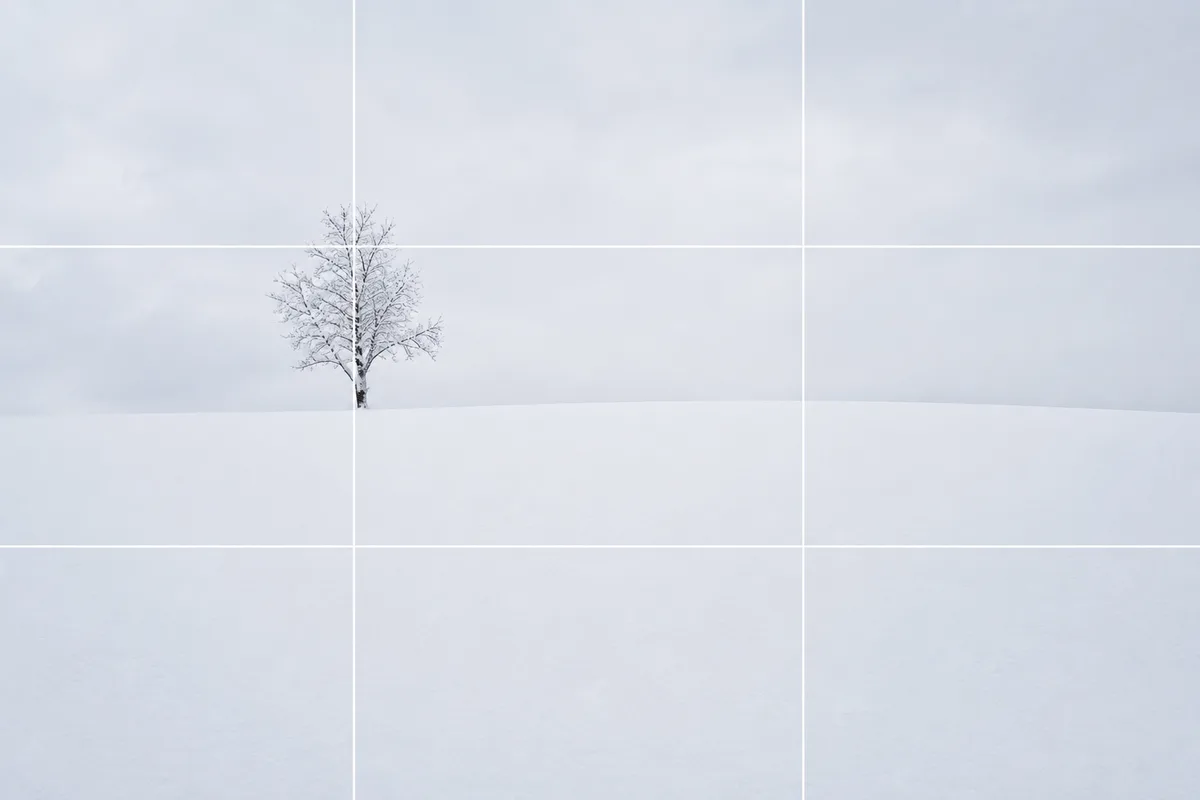
Shooting Snow Truly White — Why It Turns Gray, and the Fix
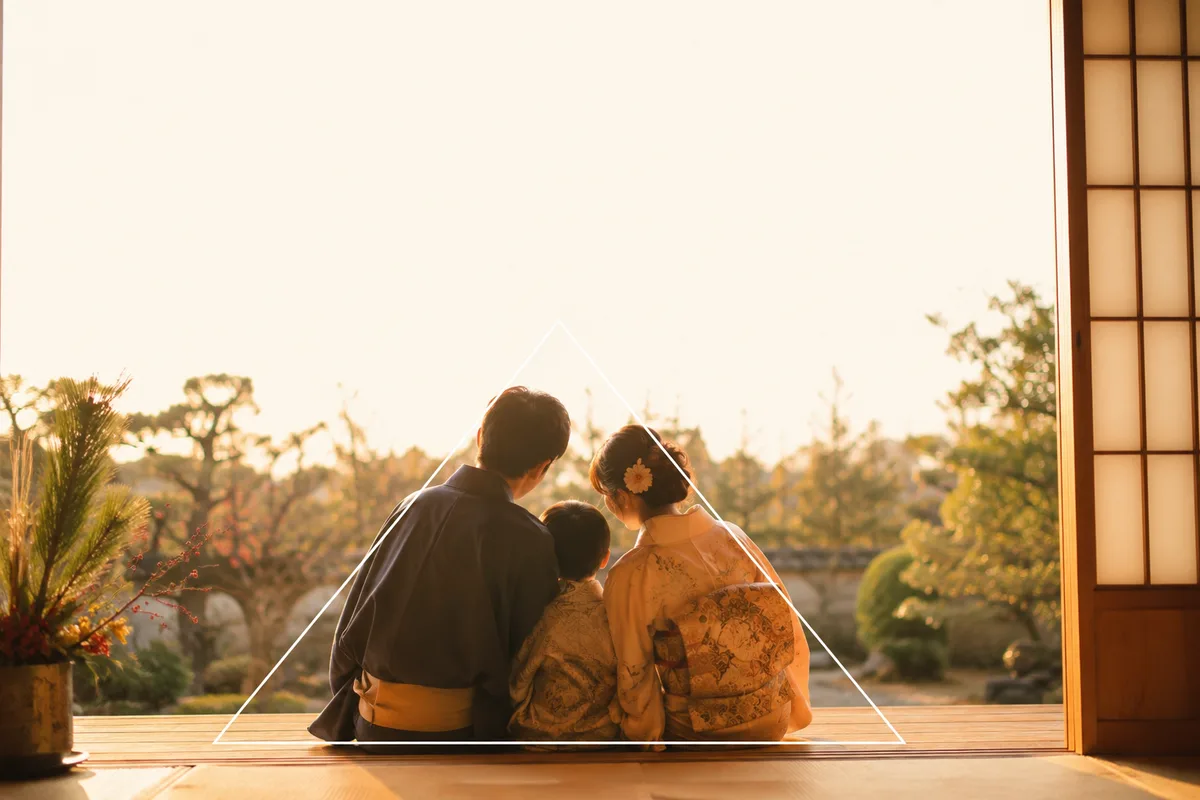
A Family Photo for New Year's Cards — Everyone In, Bright, with Room for Text

The 8-Photo Listing That Tells the Whole Story — What to Shoot, in What Order
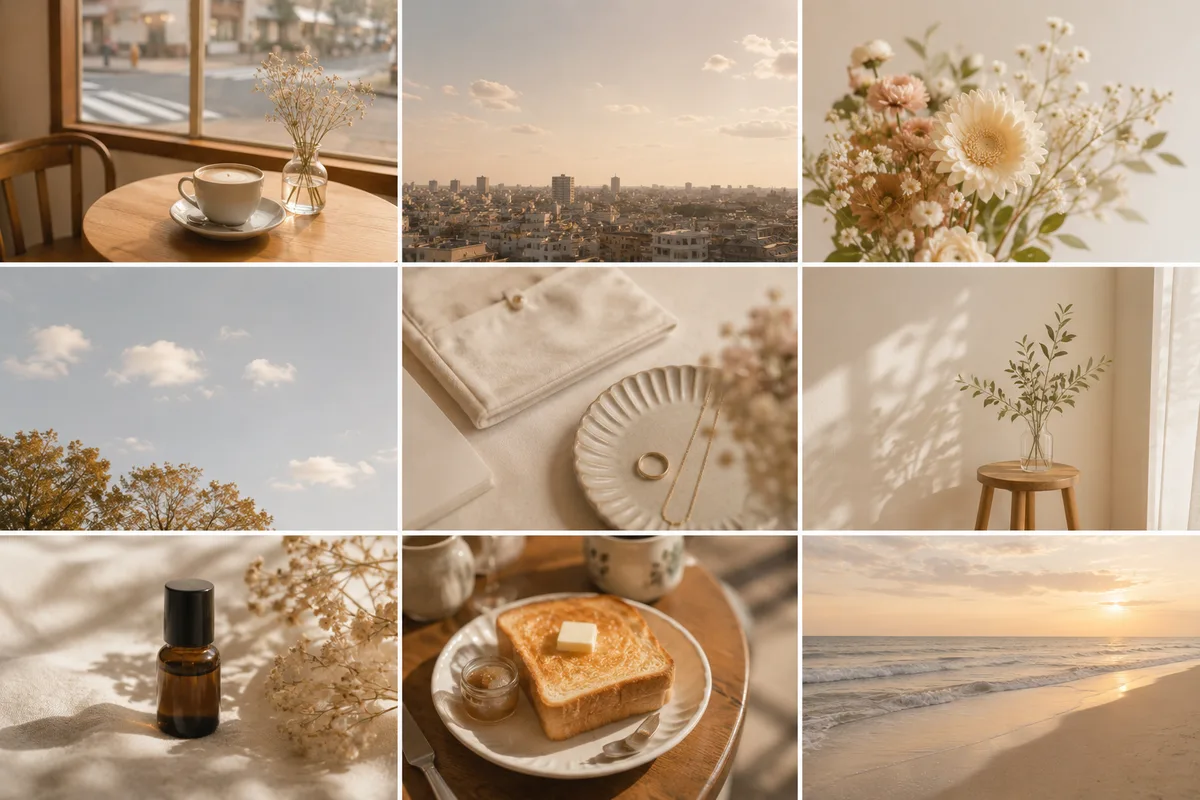
Shooting for a Beautiful Instagram Grid — Think in a "Nine-Photo Surface"
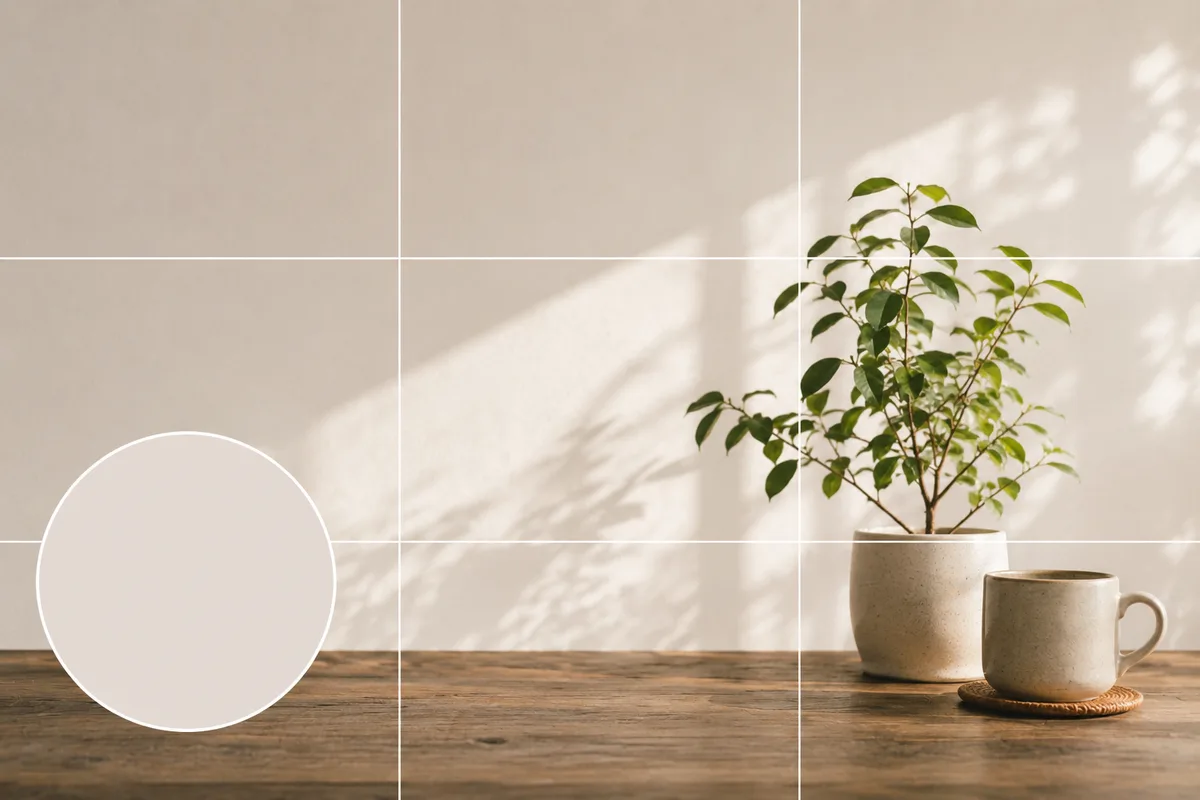
Shooting and Choosing an X Header Photo — Beat the Crop and the Icon Overlap
Shooting Photos for a note Eyecatch — Leave Room for the Title Text
Shooting at Aquariums and Zoos — Fixing Glass Reflections and the Dark Indoors
Shooting at Photo-OK Concerts — Fixing Black Frames, Blur, and the Tiny Stage
How to Make Your Plushie Pop at a Café — Busy Backgrounds and Lost Subjects
How to Photograph Plushies as the Star — Fixing Tiny, Blurry, Busy Shots
How to Photograph Plushies Cutely on a Table at Home — Taming Clutter
Photographing Trading Cards — Sleeve Glare and Lost Holo Shine, Fixed
Photographing Can Badges and Acrylic Charms — Glare and Reflections, Fixed
Photographing Silver Tape and Tickets — Dull Color and Lost Sparkle, Fixed
Shooting Sunsets — Why Sky-Only Shots Fall Flat and How to Catch the Magic Hour
Photographing Rainy Days — Why They Look Gloomy, and Droplets as the Subject
Kids and Pets in Motion — Why They Blur and How Burst Mode Fixes It
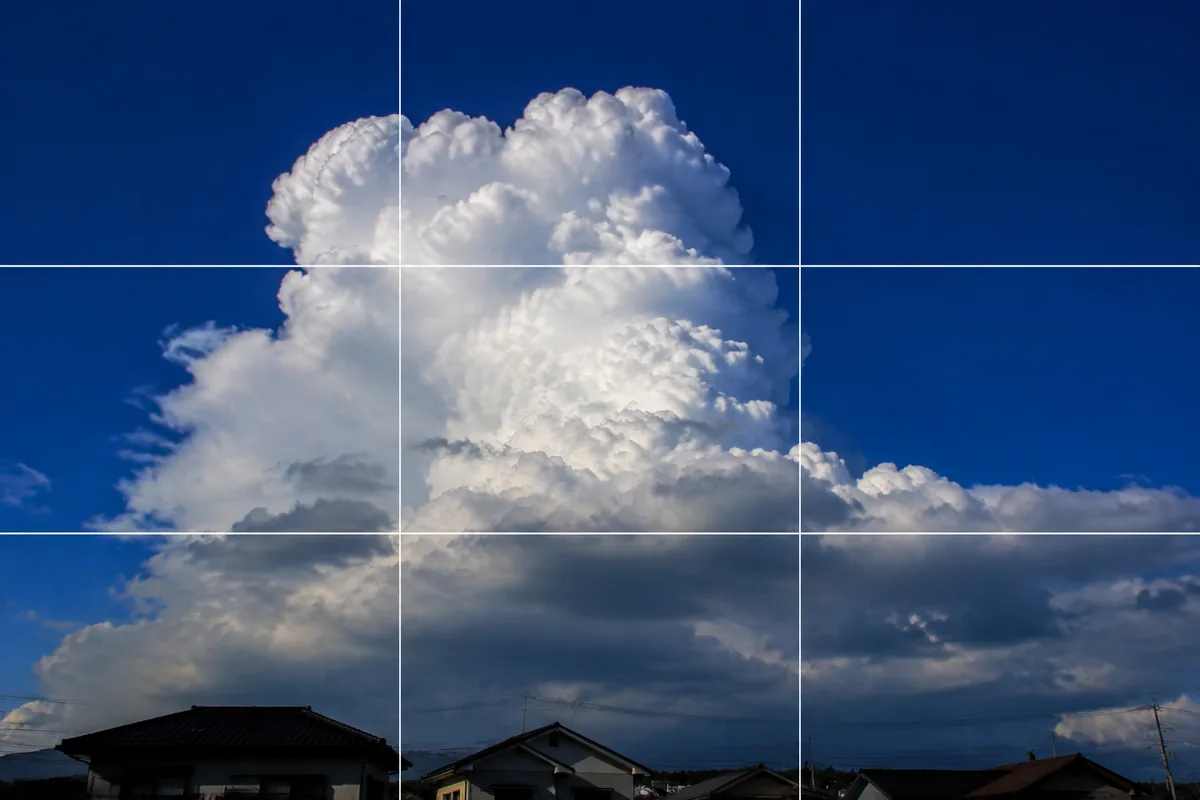
Summer Skies and Towering Clouds — Why They Shrink in the Frame
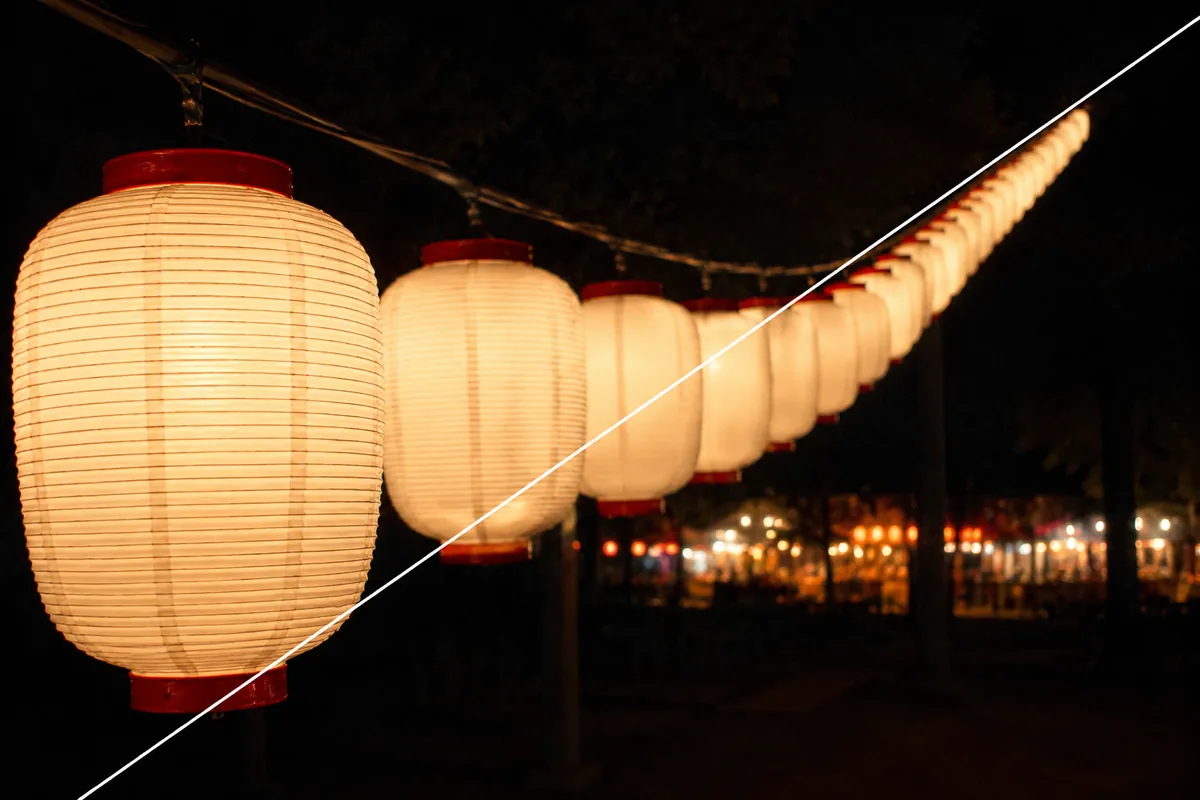
Summer Festivals — Why Night Shots Blur, and Shooting Lanterns and Stalls
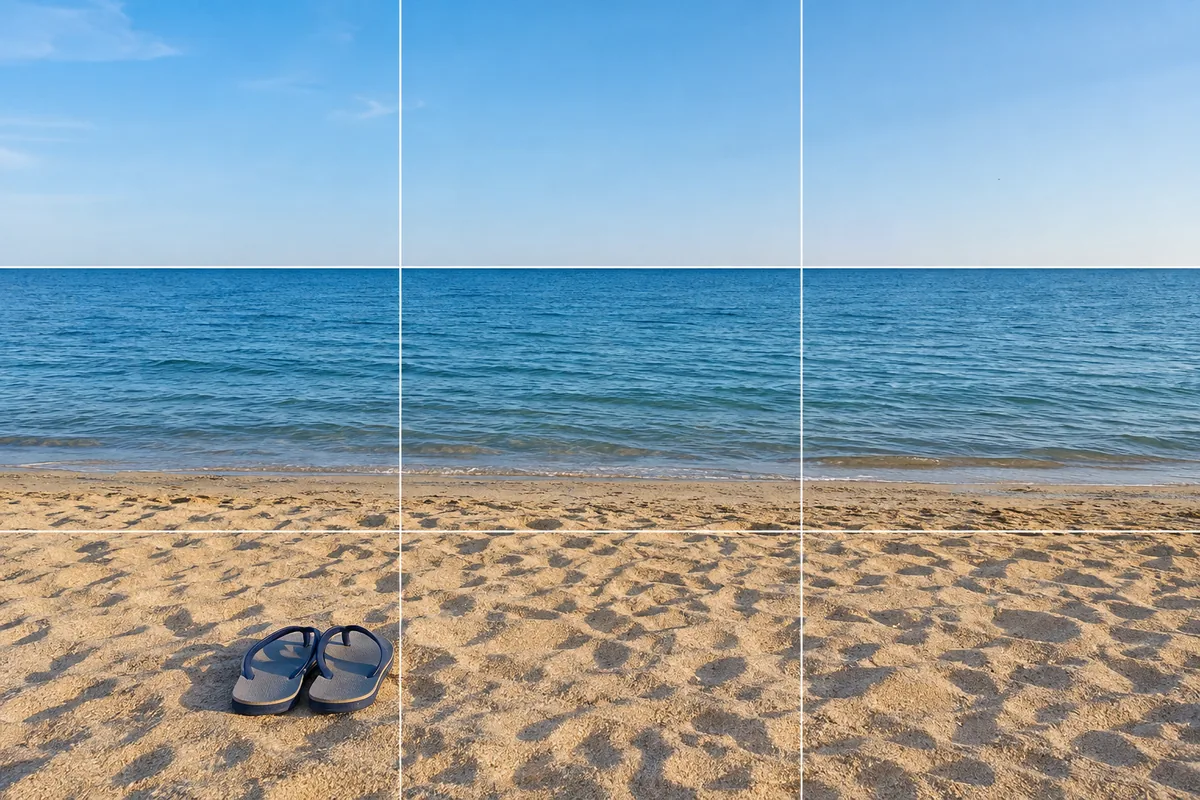
At the Beach — Why It Blows Out, and Fixing Level and Backlight
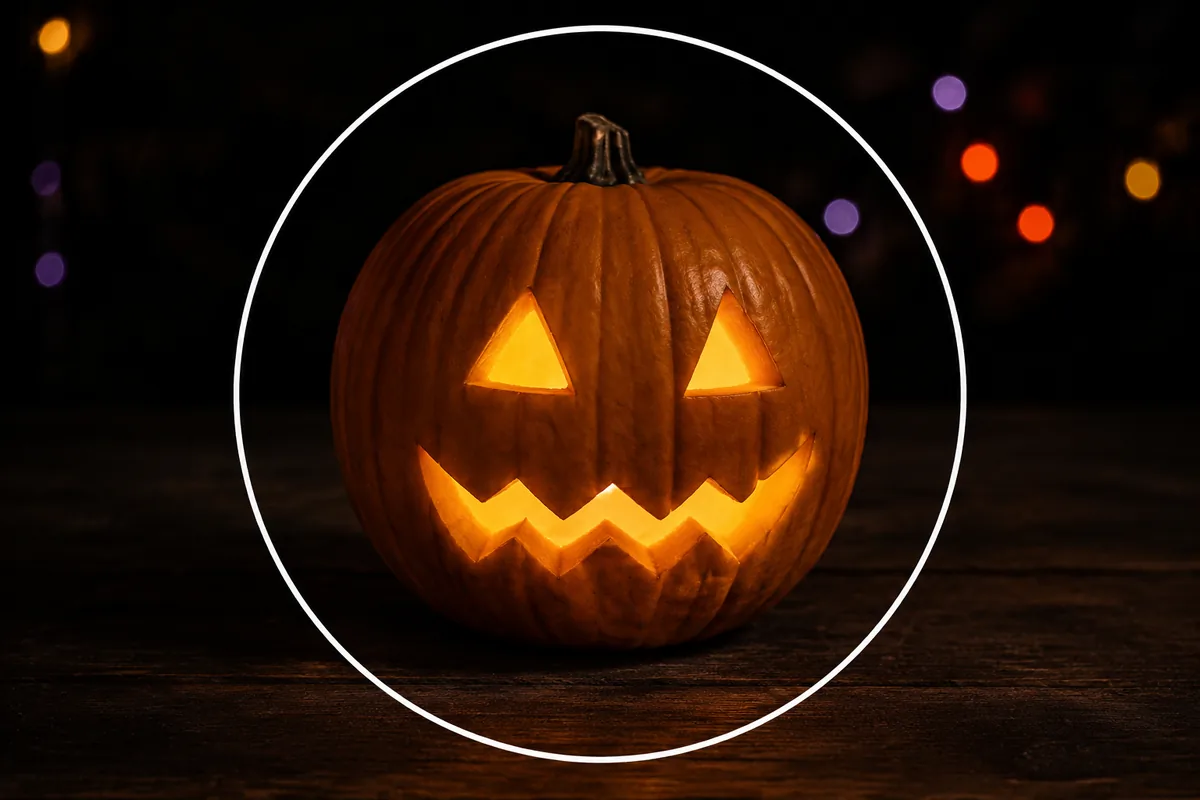
Halloween — Why It Looks Cluttered, and Shooting Decorations and Costumes
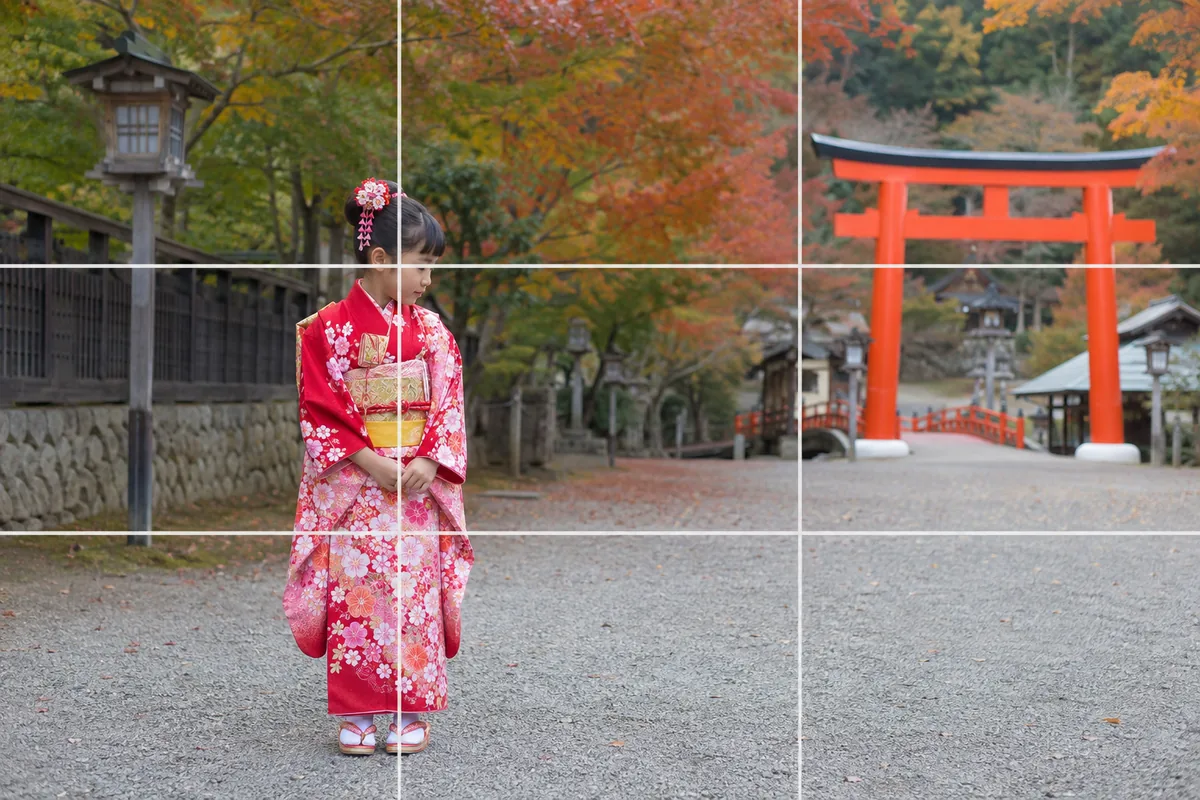
Photographing Shichi-Go-San — Why Faces Go Dark and How to Show the Kimono
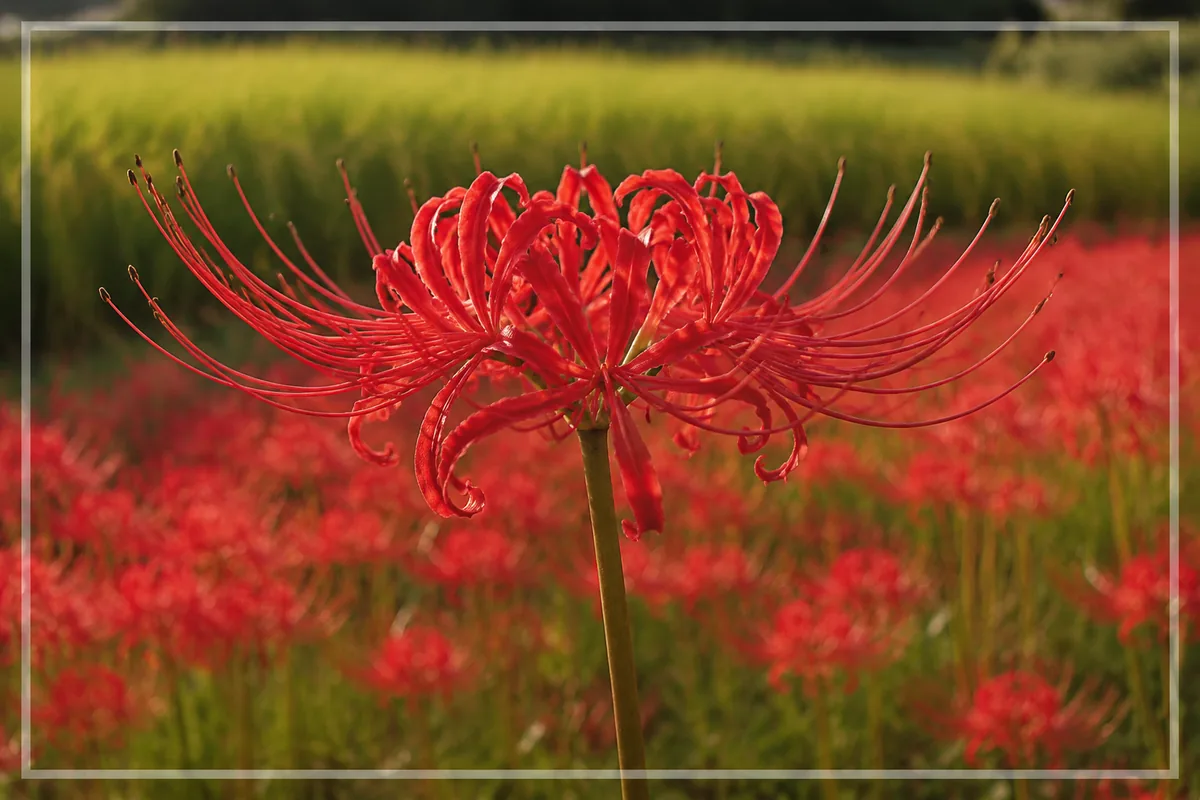
Photographing Red Spider Lilies — Why the Red Blocks Up and How to Shoot Drifts
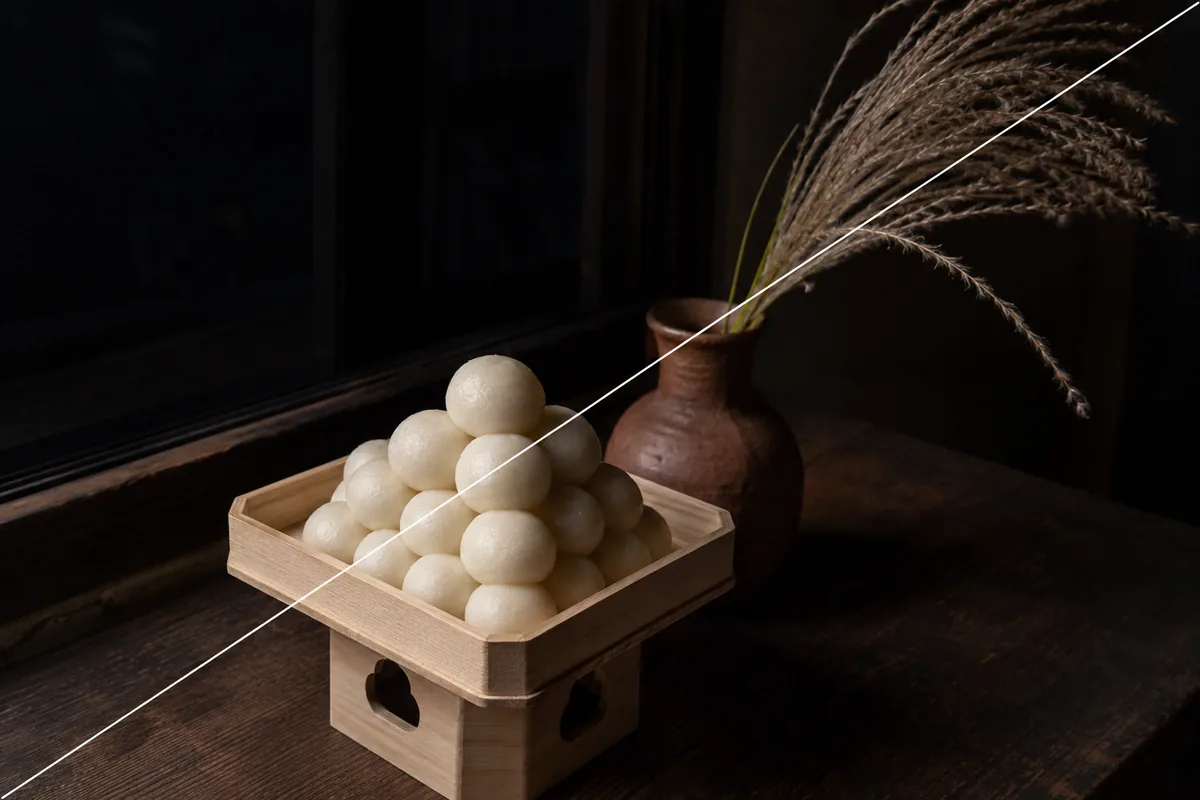
Photographing a Moon-Viewing Display — Why the Dumplings Blow Out