Photographing Shichi-Go-San — Why Faces Go Dark and How to Show the Kimono
Published Aug 27, 2026
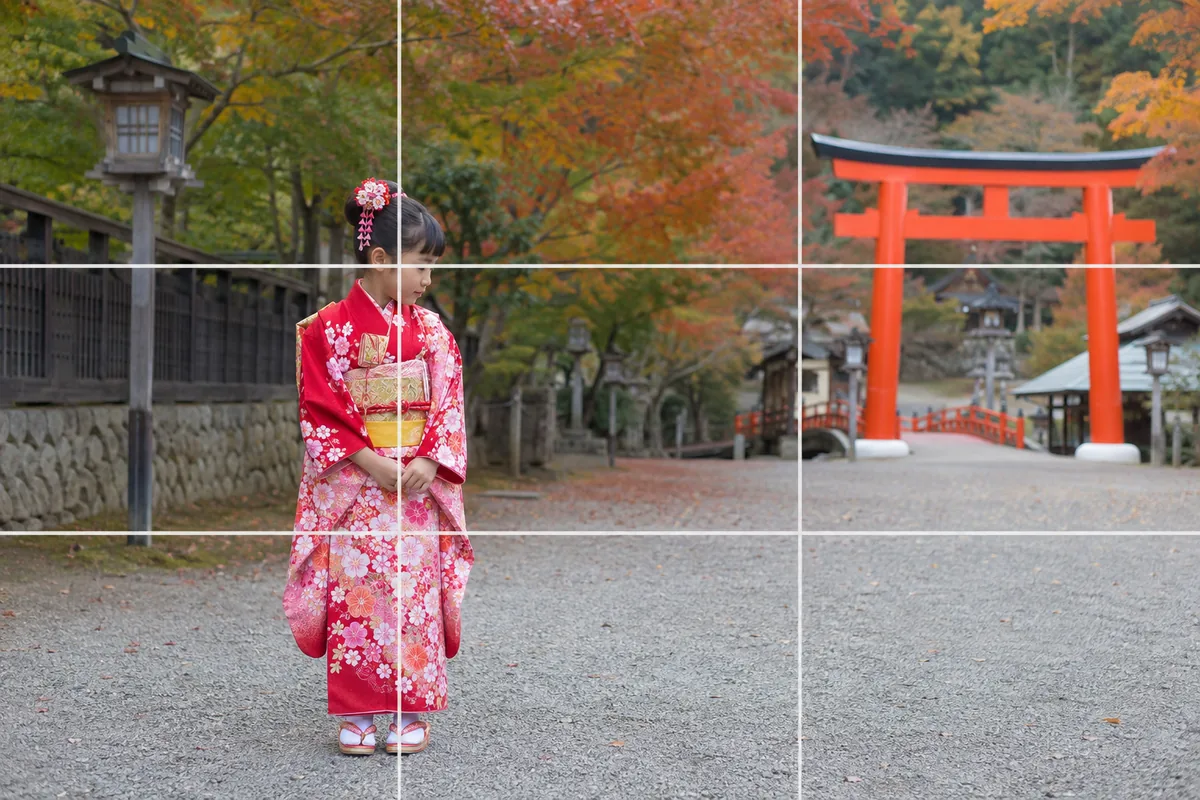
Shichi-Go-San is a once-a-year sight: a child dressed up for the shrine. Then you look at the photos and the face is dark, the kimono pattern is illegible, and the expression is frozen. None of that is about skill — it’s the light at a shrine and how you plan the set of frames.
Tap the face and lift the brightness
A shrine precinct pairs a bright sky and pale gravel with deep shade under trees and buildings. Left alone, the camera exposes for the bright parts and sinks the child’s face. Tap the face on screen, then swipe up or down to raise the brightness a little (→ Adjusting brightness).
Where you stand matters as much. Dappled light through leaves speckles a face, so move into even shade, beside a building for instance, and skin renders cleanly. Standing with a torii gate or hall behind puts you into backlight on a clear day, but tapping the face handles it (→ Shooting into the light).
Shoot the kimono as a set of three
One full-length frame leaves the pattern and the small details too small to see. Aim for these three and the outfit comes through when you look back.
- Full length: everything from above the head to the tips of the sandals. Step back and crouch to the child’s chest height
- Upper body and pattern: move in on the sleeve, the sash, the trim of the vest — whichever the outfit has. The face doesn’t have to be in it
- The feet: sandals and tabi socks, and the hand holding the pouch or fan
Frame the full-length shot a little wide so you don’t clip the head or the feet — you can tidy it up afterward (→ Fixing composition by cropping).
 Composition guideRule of thirdsSee the full guide for this composition →
One shrine element in the background
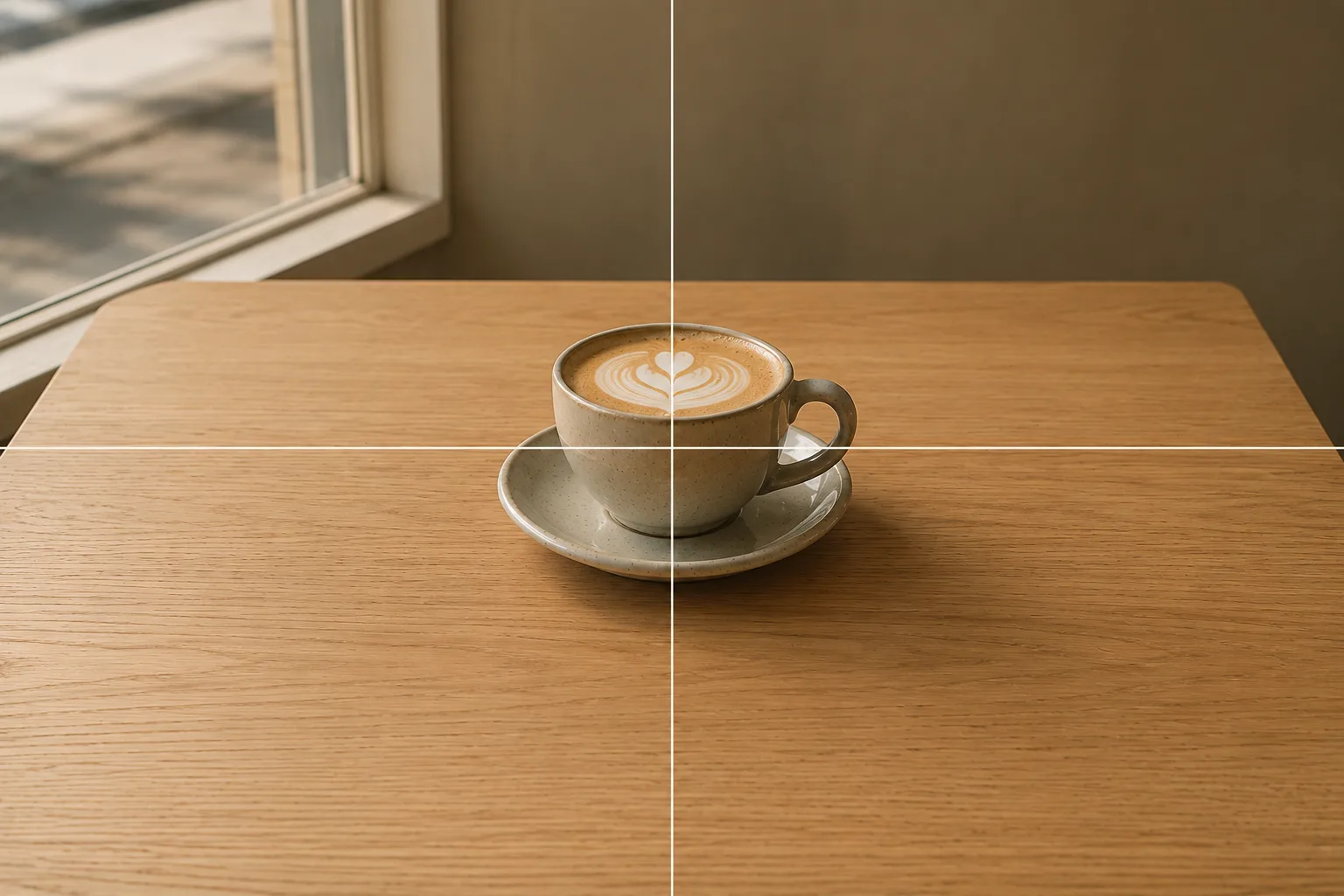
A torii gate, the purification fountain, a guardian lion-dog (komainu), the approach path, a ginkgo tree. One recognizable shrine element tells the viewer instantly what the occasion is. Cram in several and it turns busy — one per frame is the rule of thumb. It’s worth keeping one quiet frame too, against plain sky or a bare wall, where nothing competes with the expression (→ Negative space).
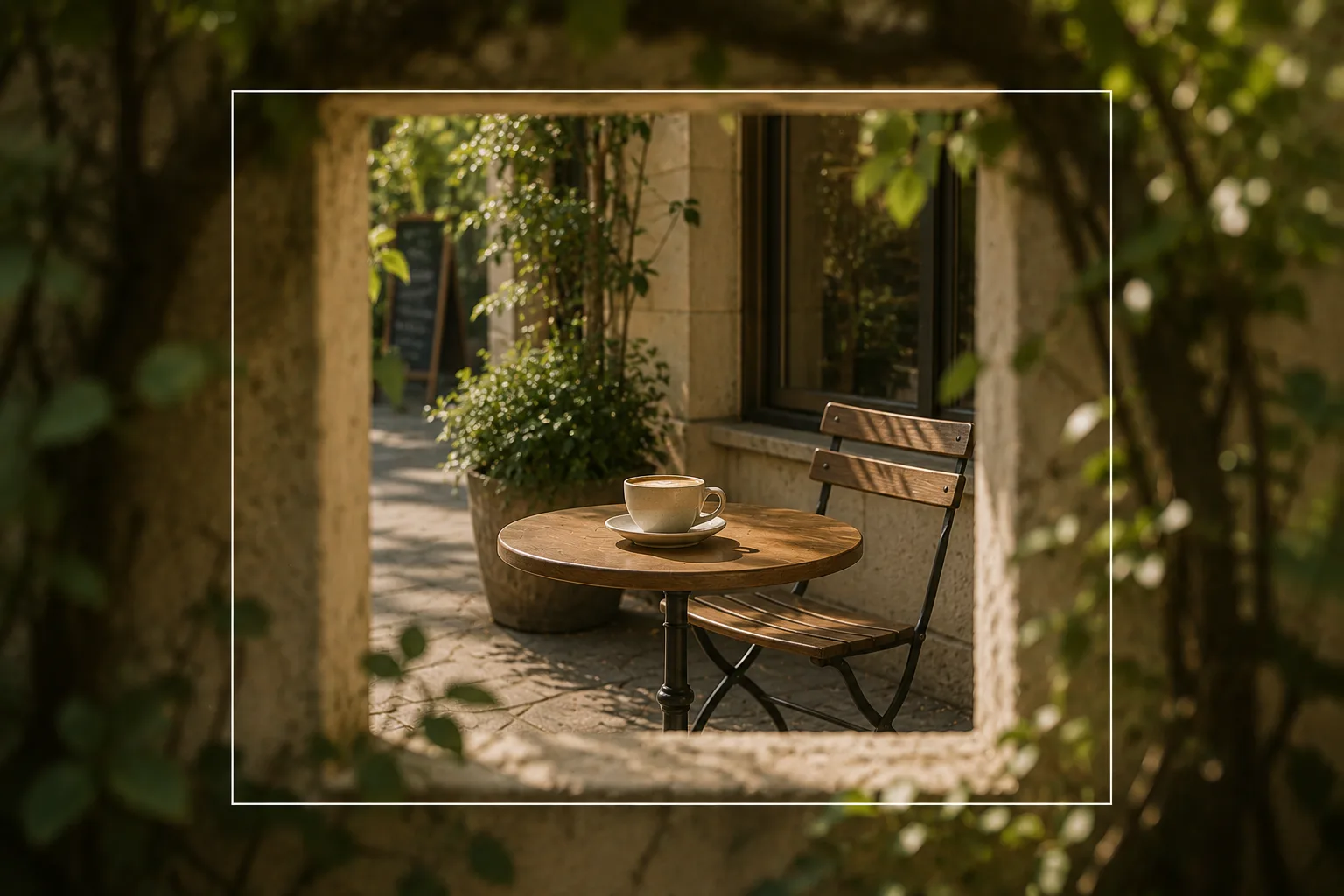
Standing the child beneath a gate and enclosing them in that frame works well (→ Framing). So does shooting them from behind as they walk along the side of the path, with the line of the path included.
Natural expressions come from not waiting
The longer you stand in front asking for a smile, the stiffer it gets. Step back and burst while they’re moving and the natural moments are in there (→ Using burst shooting / Photographing kids and pets in motion).
Walking, talking with family, peering into the bag of chitose-ame (the long good-luck candy). The frame where they aren’t looking at the camera is often the one that feels most like the day. And crouch to their eye level (→ How to photograph children).
Family shots without a tripod
For the frame with everyone in it, rest the phone on a railing or a stone step and use the self-timer (→ Using the self-timer). Set it to 10 seconds and decide who stands where first, so nobody has to rush in (→ How to shoot group photos). That shot doubles as a New Year card (→ Photos for New Year cards).
Shrine etiquette
A shrine is a place of worship. Whether you may photograph during the blessing itself varies by shrine, so follow the guidance at the office. The same thinking applies if you mark the day at a temple instead. The center of the approach path is traditionally left for the deity, so shoot from the side rather than lingering in the middle. Choosing an angle without other families in it is a small courtesy during a busy season.
Just this to start
Tap the face and raise the brightness. Stand in even shade. Take three frames: full length, pattern, feet. Those three change Shichi-Go-San photos completely. For expressions, don’t wait — burst.
FAQ
At the shrine, only my child's face comes out dark.
The bright sky and gravel are pulling the exposure. Tap the face on screen and raise the brightness. Moving out of dappled light into even shade, such as beside a building, helps too.
The kimono pattern doesn't show up.
A full-length frame renders the pattern small. Alongside the full shot, take one close frame of the sleeve, sash or vest trim, and one of the sandals and feet. Seen together, the outfit reads properly.
My child is too nervous to smile.
Stiff expressions are natural in unfamiliar clothes and surroundings. Instead of waiting head-on, step back and burst while they walk or talk with family — the natural moments are in there.
Example gallery
Related reading
Compositions used

Related subject guides
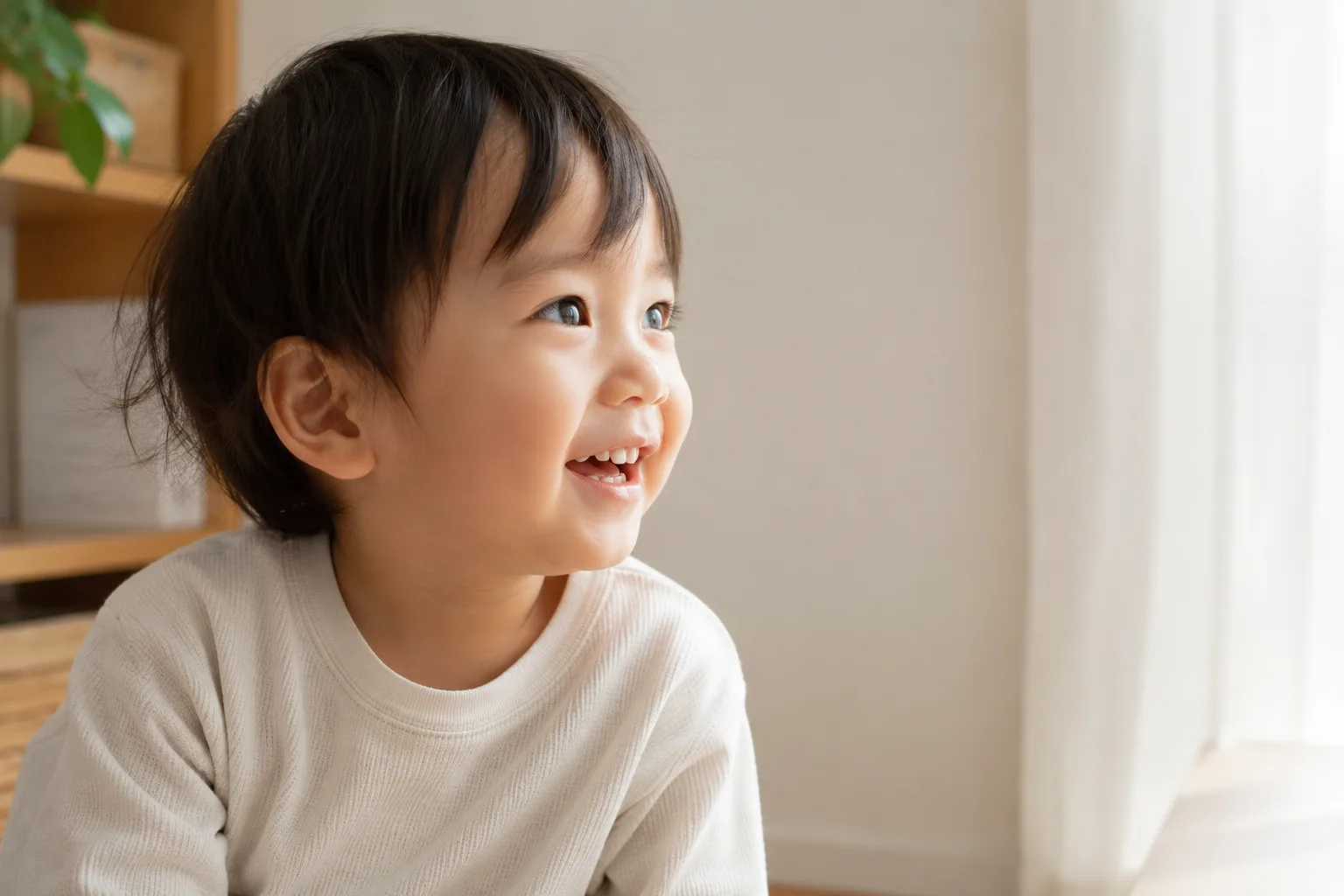
Capturing Kids' Natural Expressions — Fixing Blur and Darkness
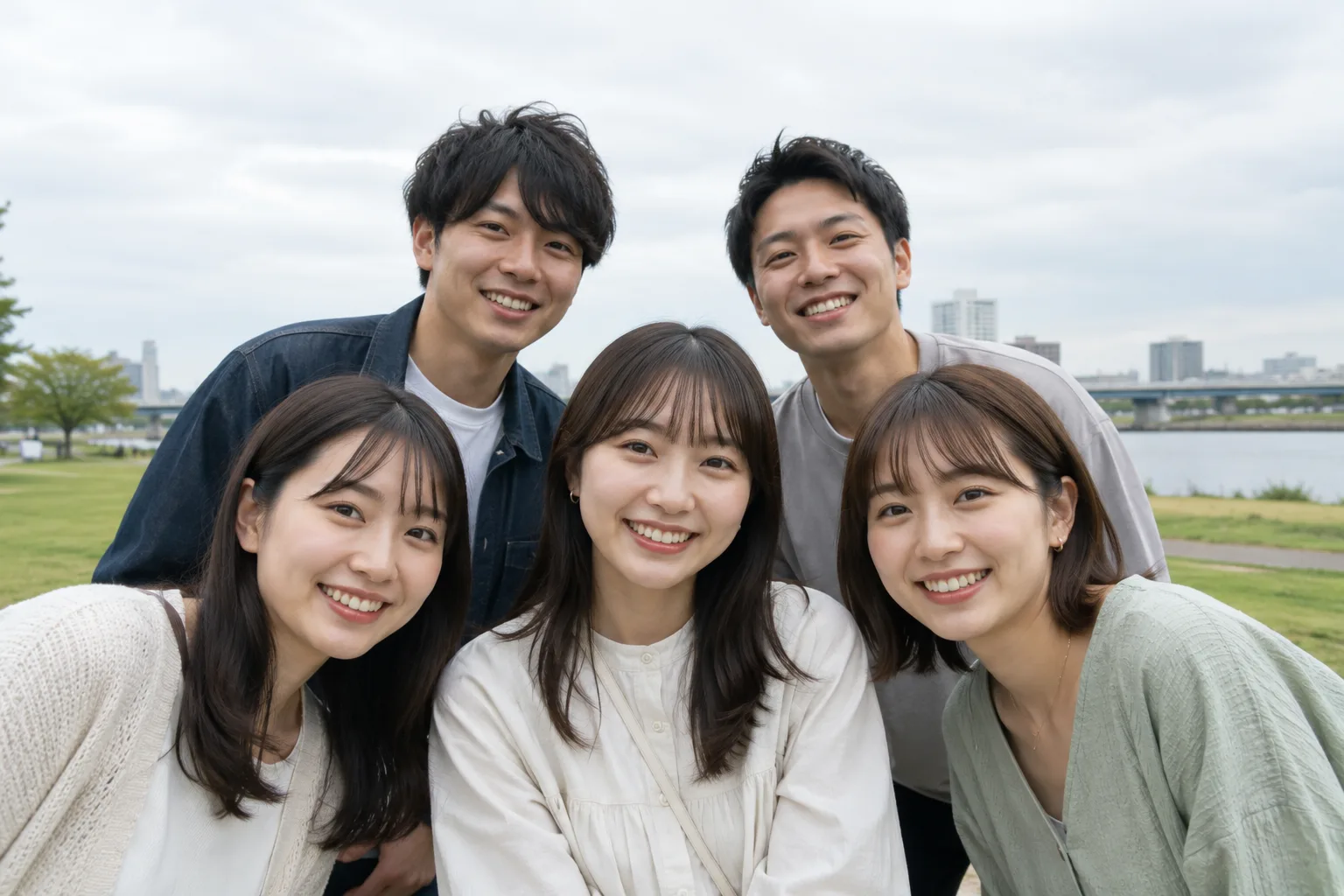
Fitting Everyone in a Group Photo — Fixing Tilt, Darkness and Framing
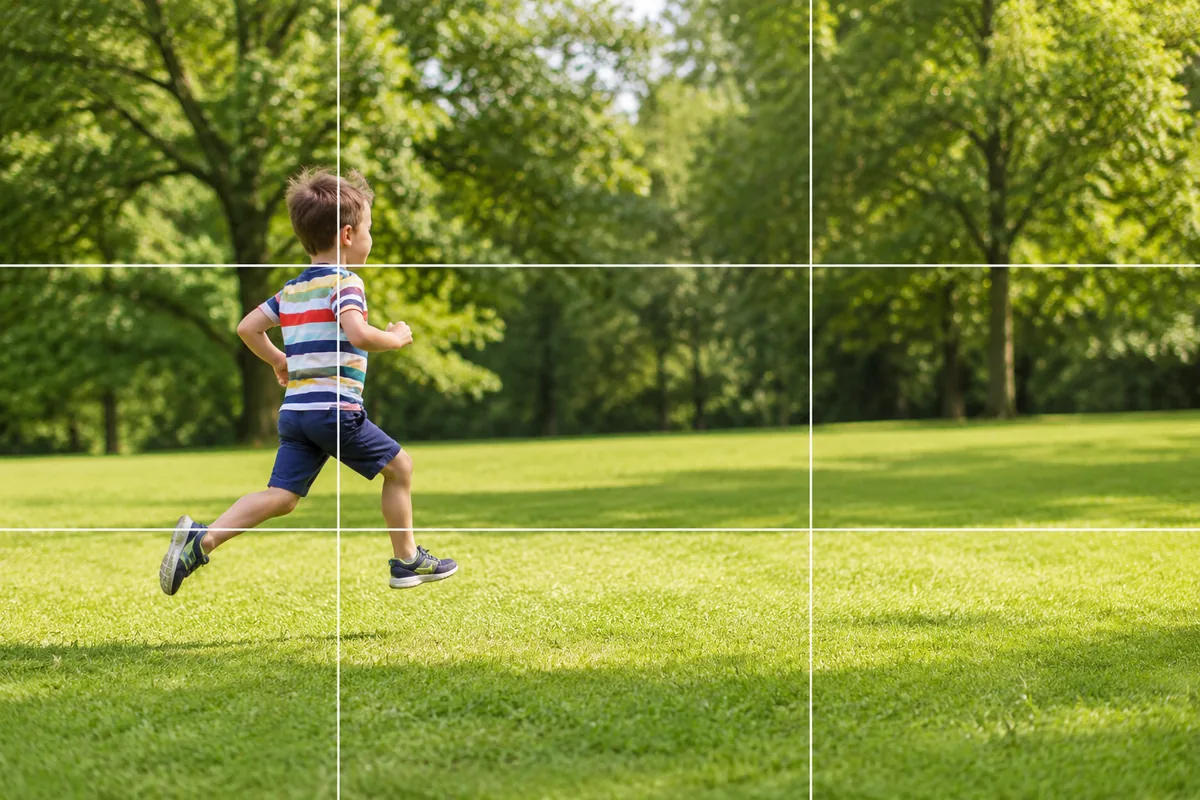
Kids and Pets in Motion — Why They Blur and How Burst Mode Fixes It

Travel Photos Worth Remembering — Why They Look Like Postcards, and Cropping

Shooting Faces and Food Bright Even in Backlight — Why It Goes Dark and the Fix
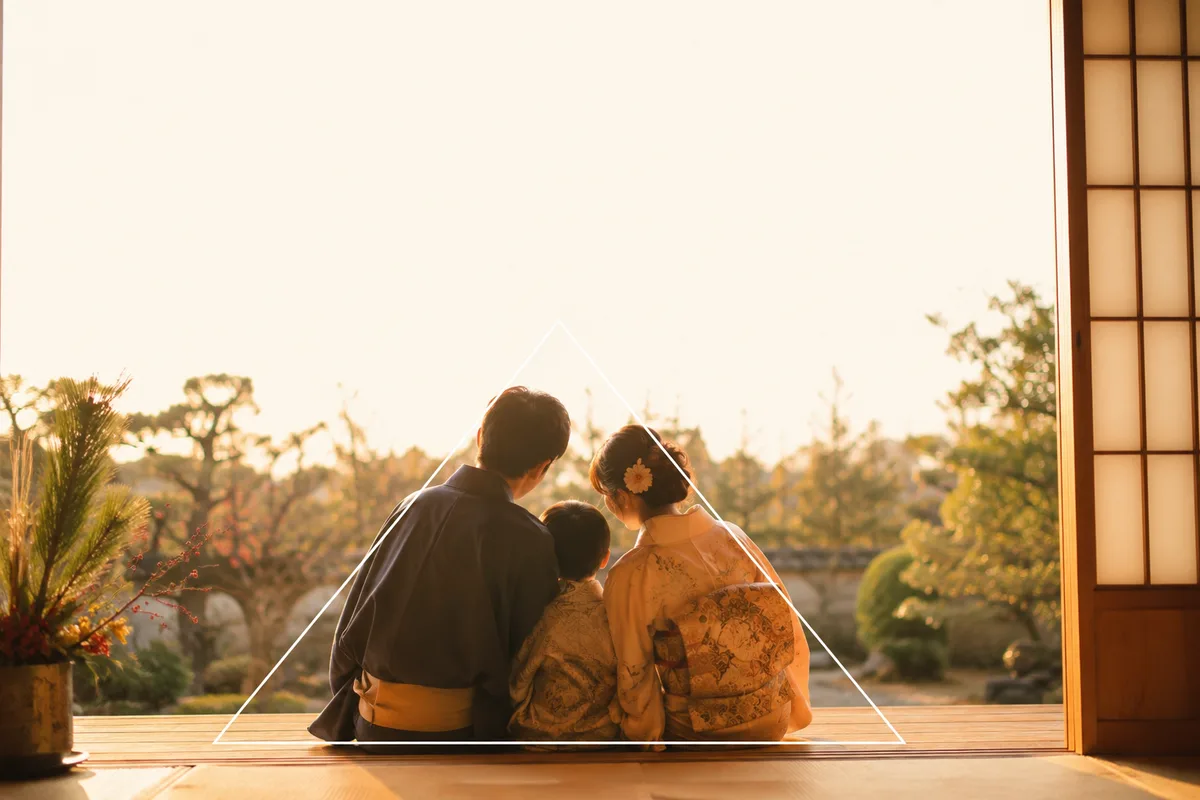
A Family Photo for New Year's Cards — Everyone In, Bright, with Room for Text