Framing Composition: Using a Foreground Frame to Lift Your Subject
Published Jun 27, 2026
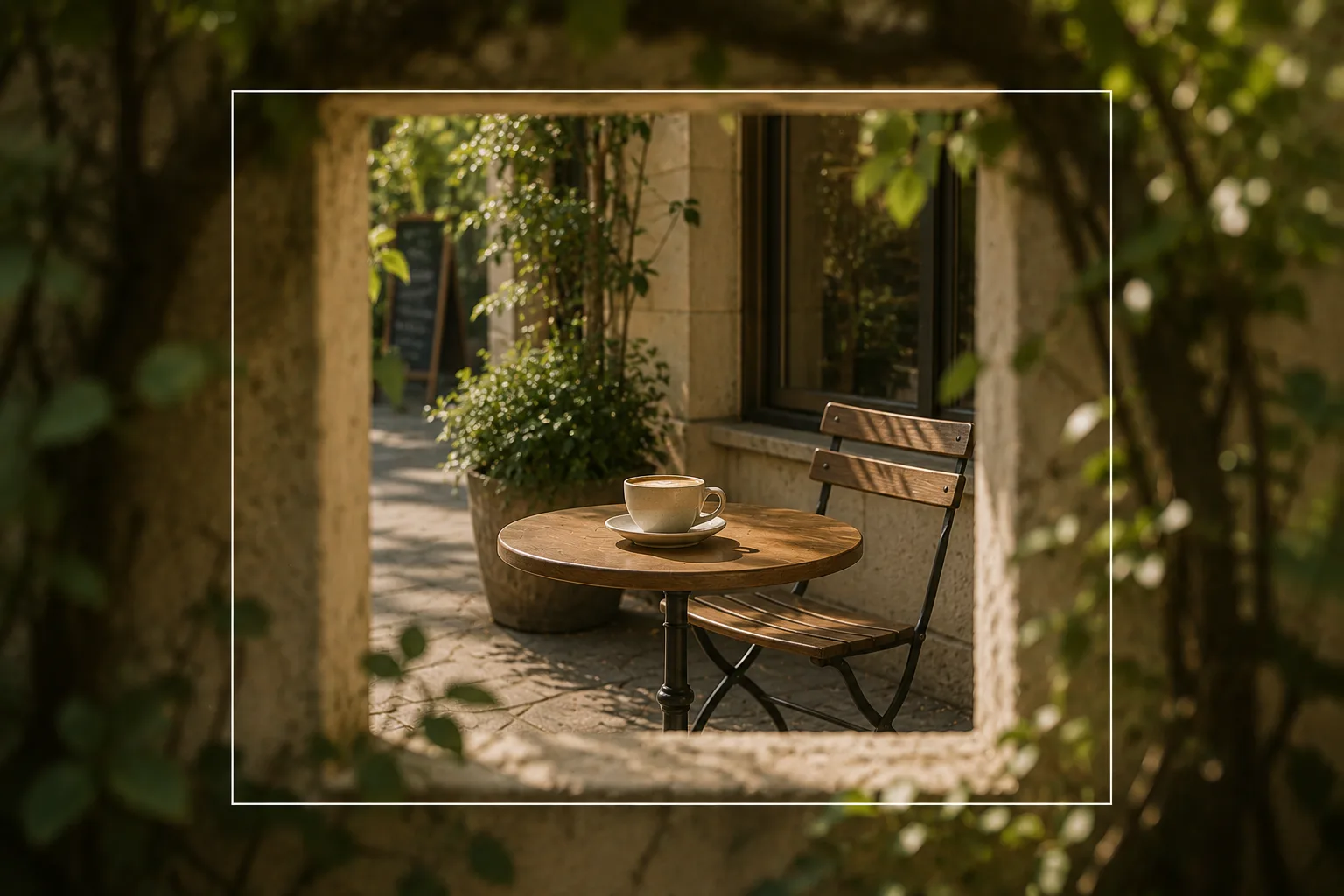
A framing composition uses something in the foreground as a “picture frame” to surround your subject. It gives a photo depth and a peek-through sense of story.
Why it lifts the subject
Surround the subject with a frame and the eye is naturally led inside it. Foreground, subject and background form distinct layers, so a phone photo that would read as flat gains depth. The frame also conveniently hides clutter in the background.
How to use it
Look for something that can surround the subject — a window, an arch, foreground branches and leaves. Place the subject beyond that frame and tap it to set focus (the frame can be softly blurred). Adjust where you stand so the frame runs along the edges of the photo, and it pulls together like a picture frame. Café windows, a view through autumn branches, or lights ringed by leaves or a fence all pair beautifully (→ Café photos / Photographing autumn leaves / Night views).
A note of caution
If the frame demands too much attention, the subject loses out. Keep the frame modest at the edges of the photo, and save plenty of light and space for the subject (→ Negative space). When the frame and subject differ in brightness, set the exposure for the subject.
Start with just this
Surround your subject with a foreground window or branches, and set focus and brightness on the subject. Keep the frame modest at the edges. That’s all it takes to make a layered, peek-through shot.
FAQ
What is a framing composition?
A framing composition uses something in the foreground as a "picture frame" to surround your subject. It gives a photo depth and a peek-through sense of story.
How is it different from the rule of thirds?
The rule of thirds decides where to place the subject using an intersection. A framing composition uses something in the foreground as a frame around the subject instead — a different aim. You can combine them by placing the subject, inside its frame, on a rule-of-thirds intersection.
What kinds of photos suit framing?
Scenes with something available to surround the subject — a window, an arch, foreground branches. Café windows, a gate or torii on a trip, or a view through cherry-blossom or autumn branches all work well when you want depth and a sense of story.
What can I use as a frame?
Windows, doors, arches, tunnels, foreground branches or leaves, a curtain, even over someone's shoulder — anything that can surround the subject becomes a frame. Look around and you'll find more than you'd expect.
Is it okay for the foreground frame to be blurred?
Yes. A softly blurred frame makes the subject stand out more and adds depth. Don't focus on the frame — tap the subject to set focus there instead.
This composition across subjects
Related reading
Compositions used

Related subject guides
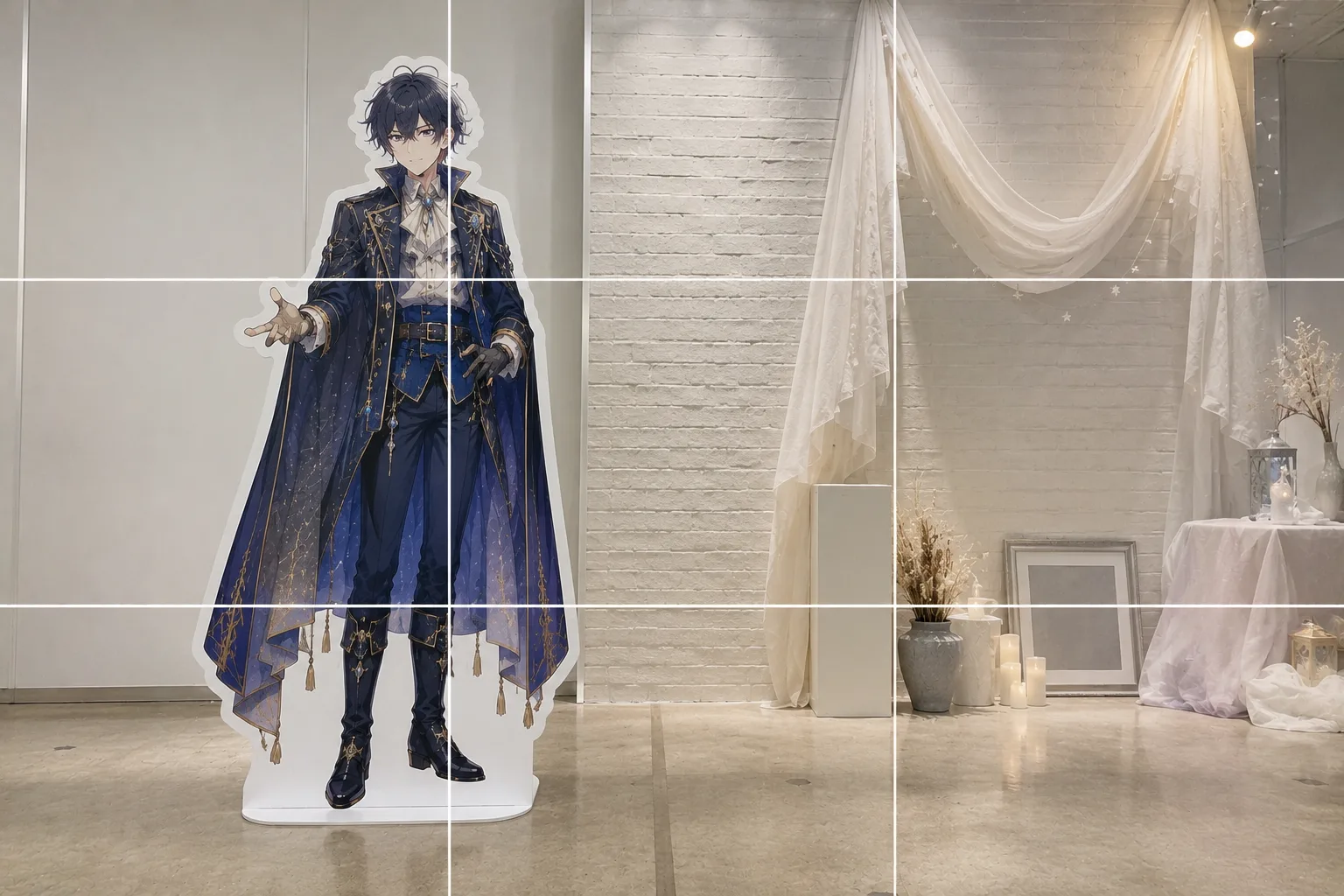
How to Pose With a Life-Size Standee — Tilt and Awkward Scale, Fixed

Composing Stylish Café Photos — Why They Don't Pop and How to Fix It

Shooting Vivid Autumn Leaves — Why They Look Flat, and Adding Dimension
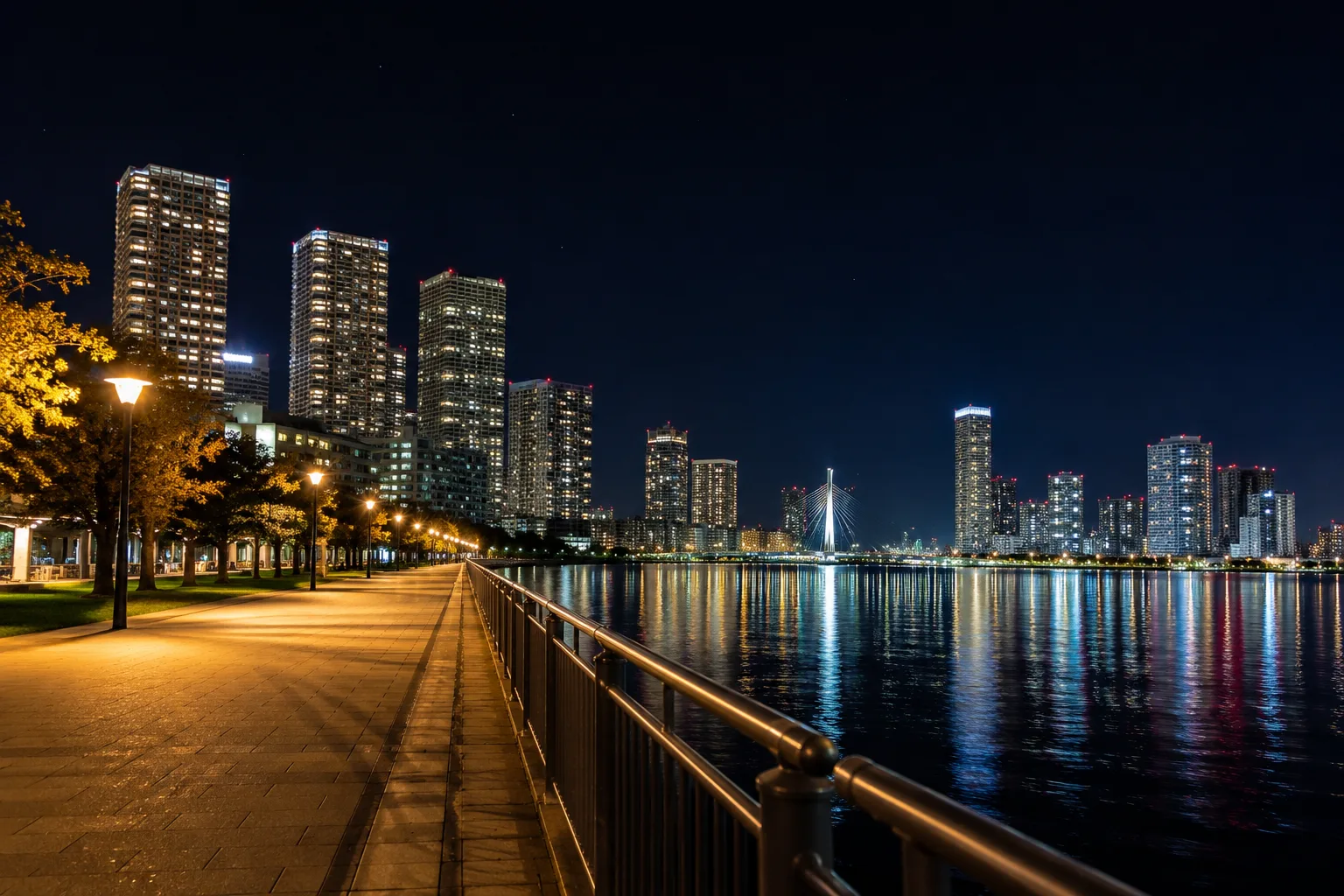
Shooting Night Views and Illuminations Crisp — Why They Blur, and Night Mode

Travel Photos Worth Remembering — Why They Look Like Postcards, and Cropping
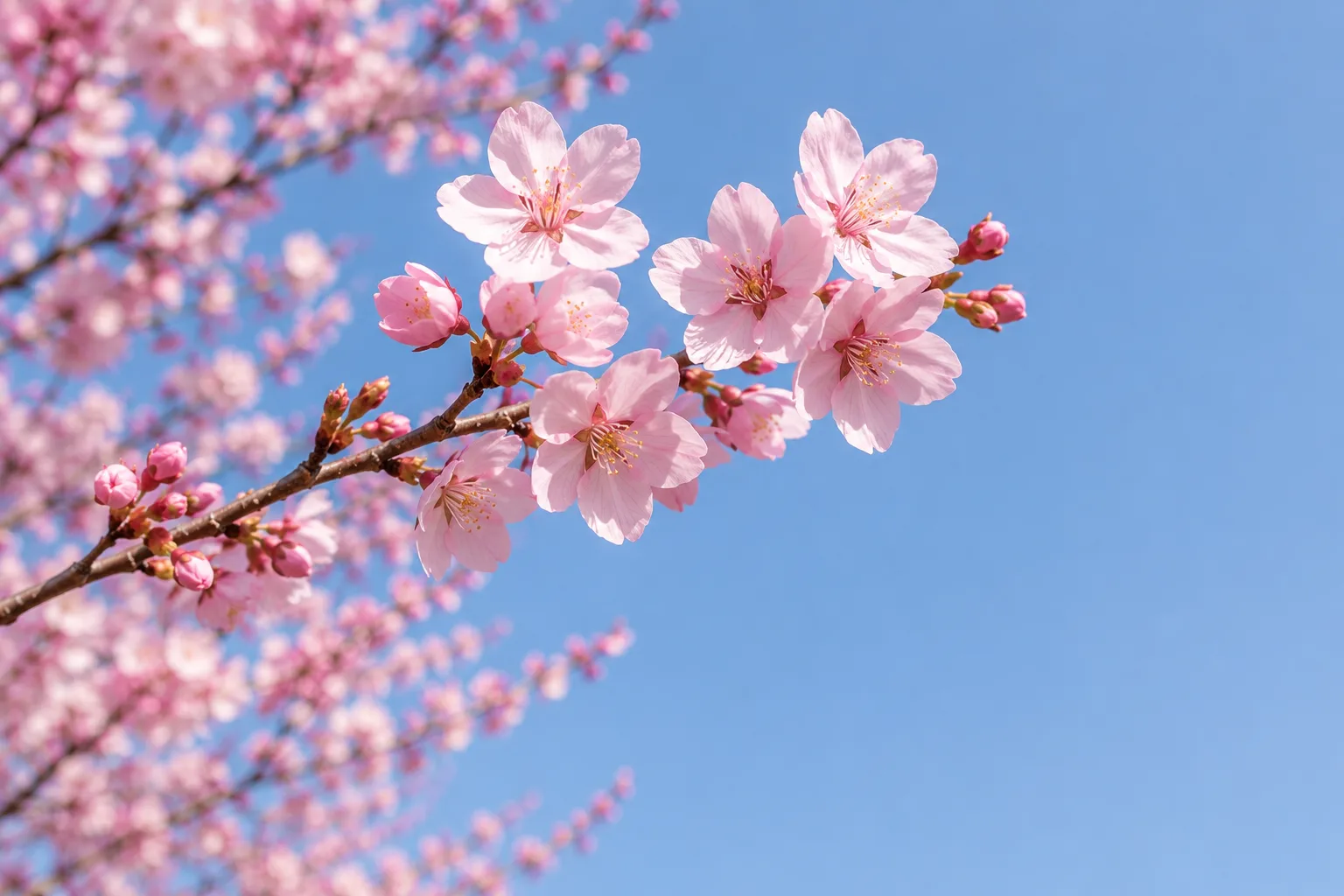
Shooting Cherry Blossoms Strikingly — Why They Wash Out, and Using Color and Sky

How to Photograph Plushies as the Star — Fixing Tiny, Blurry, Busy Shots
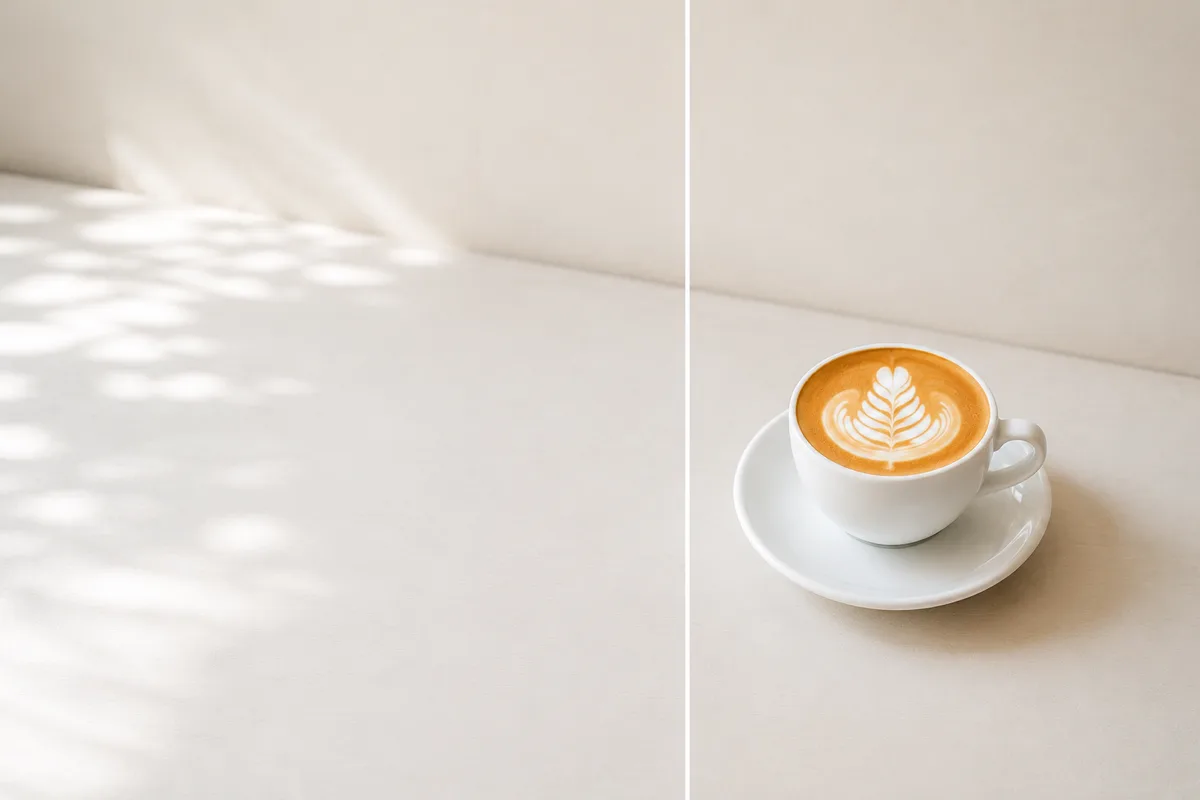
Café Photos Look Stylish with Negative Space — Clearing the Clutter
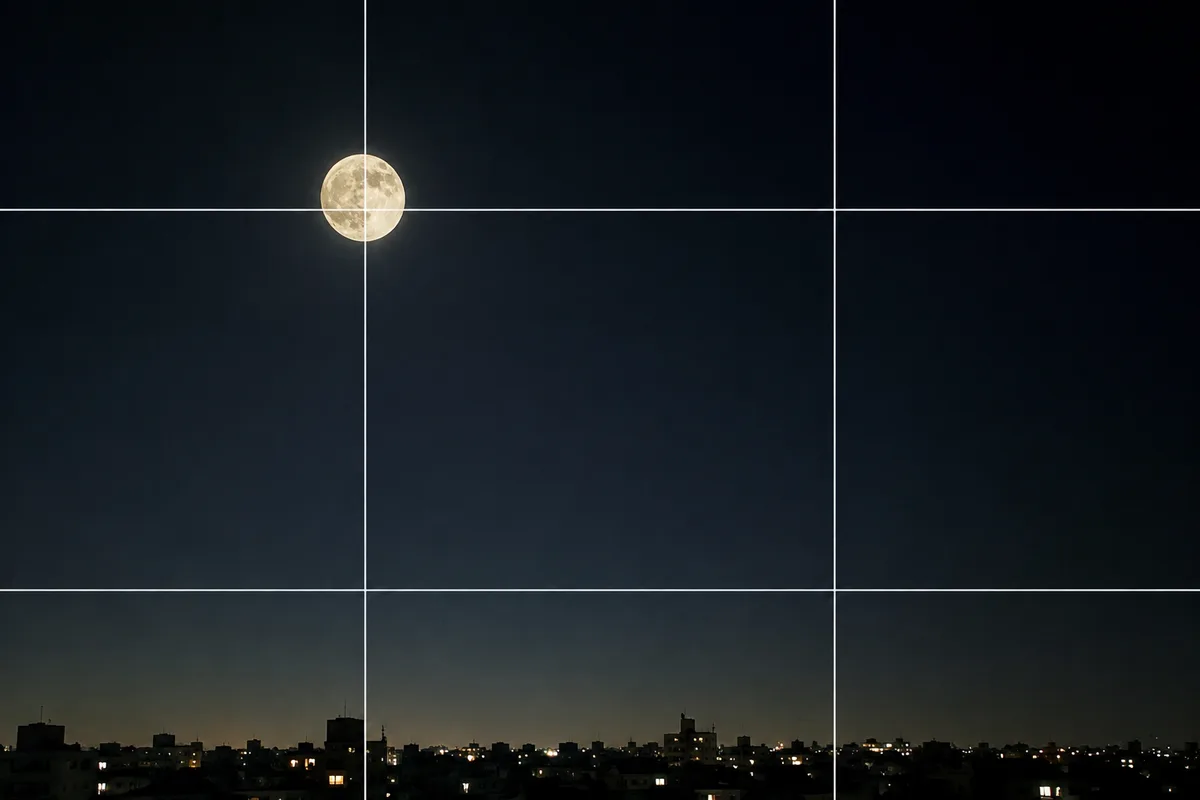
Shooting the Moon Clearly — Why It Becomes a White Dot, and What a Phone Can Do
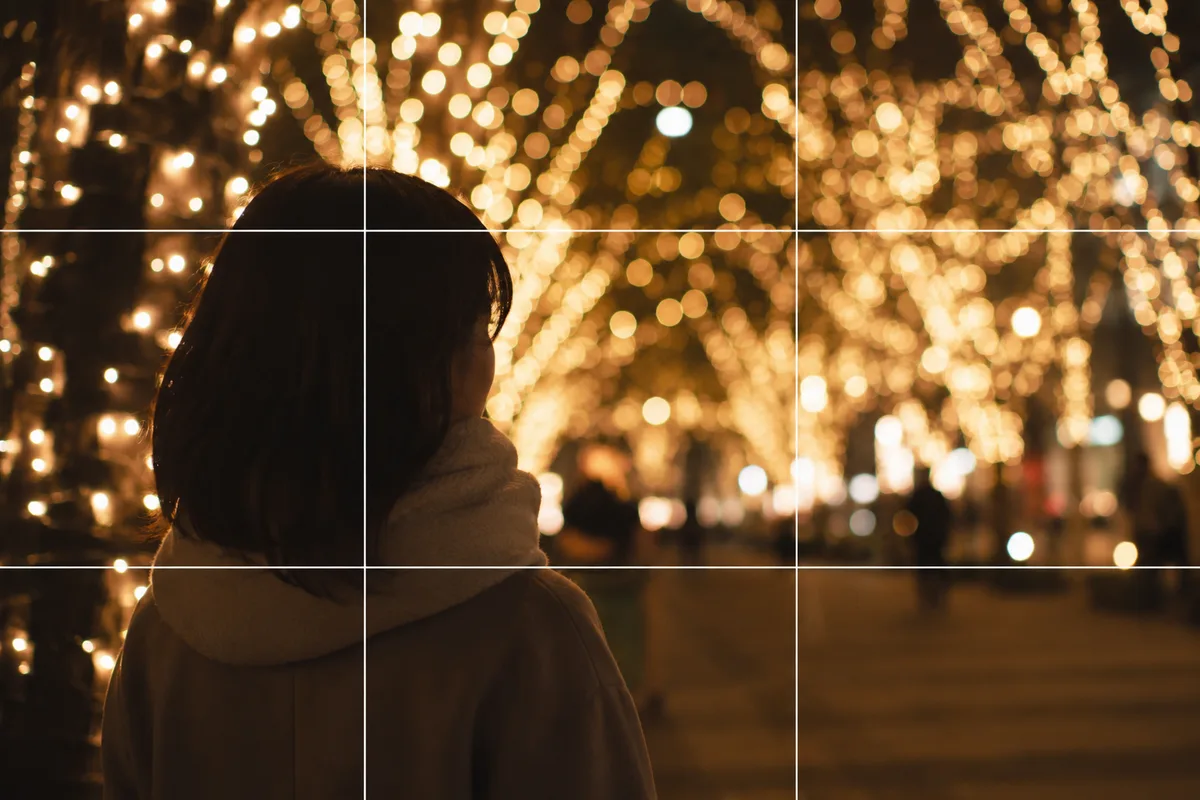
Shooting People with Holiday Lights — Fixing Dark Faces and Vanished Lights
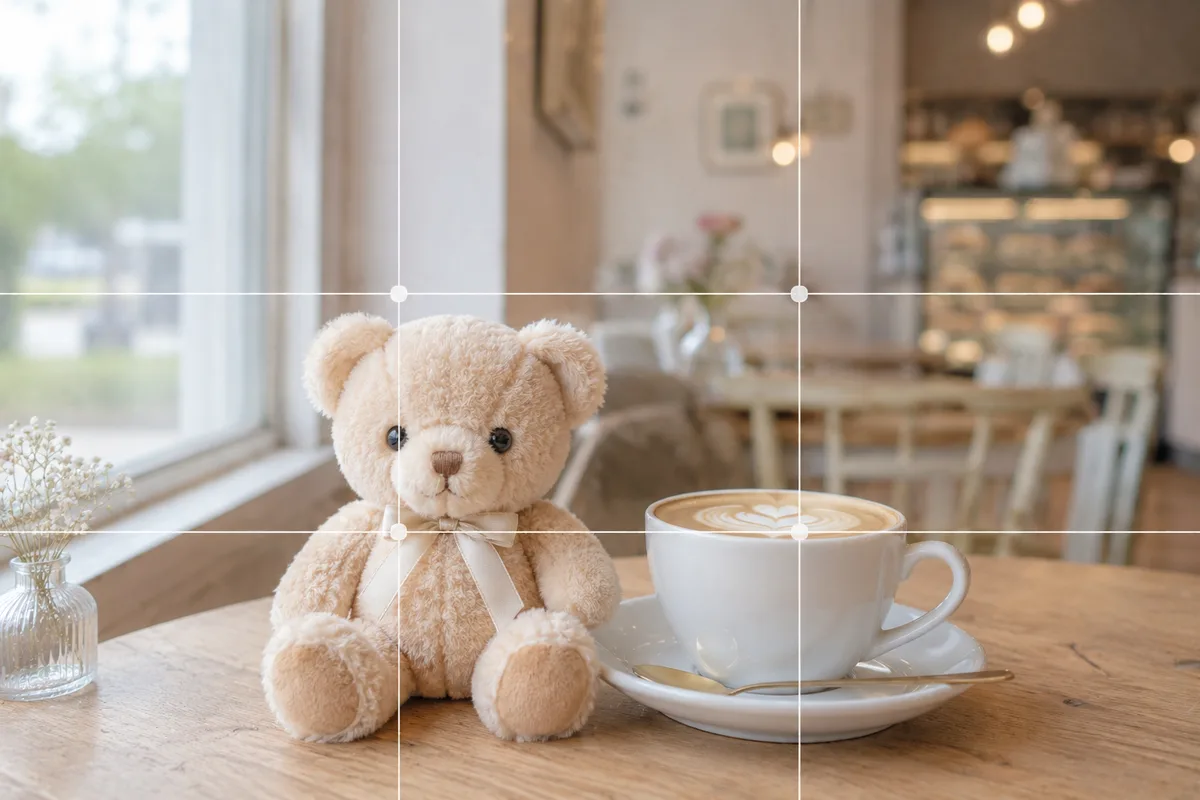
How to Make Your Plushie Pop at a Café — Busy Backgrounds and Lost Subjects
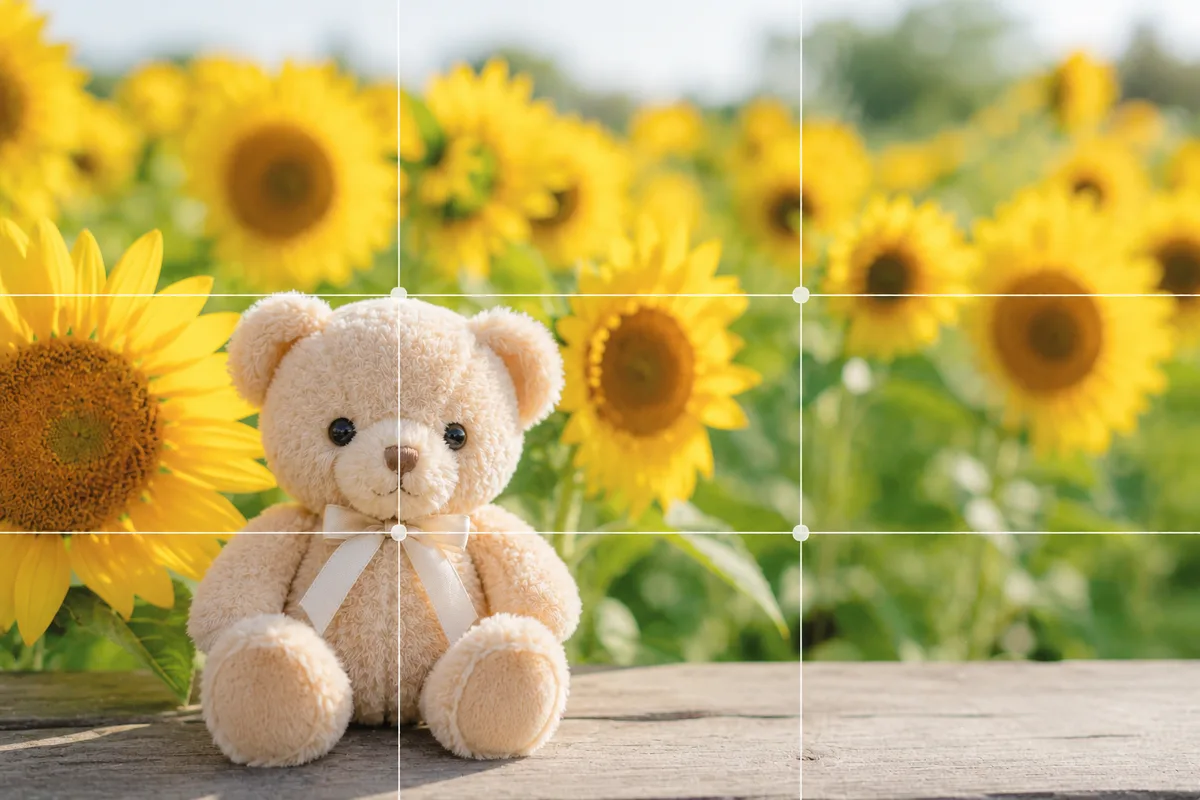
Photographing Plushies With Seasonal Flowers — When the Plush Gets Buried
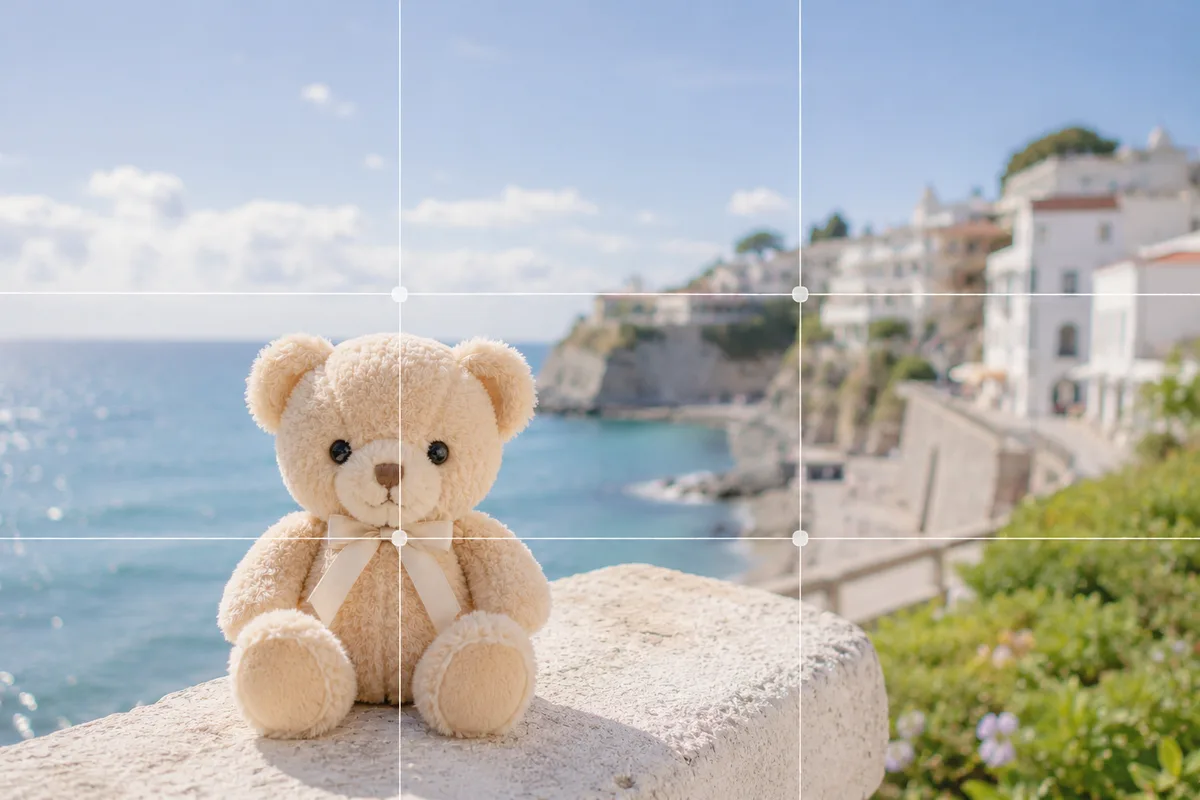
Plushie Photos While Traveling — When the Plush Loses to the Scenery or Tilts
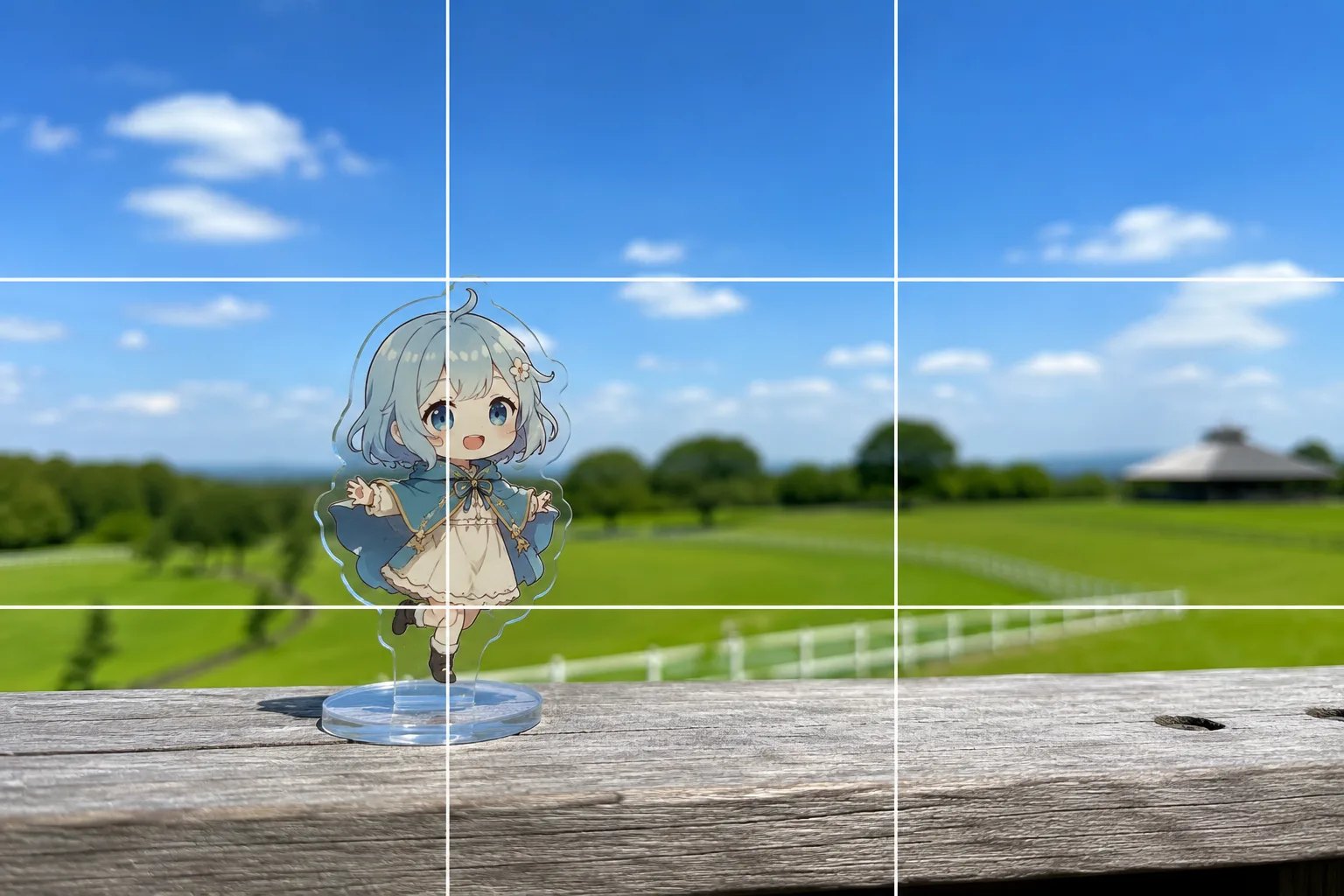
Acrylic Stand Photos With the Scenery — Focus Misses and Melting Edges, Fixed
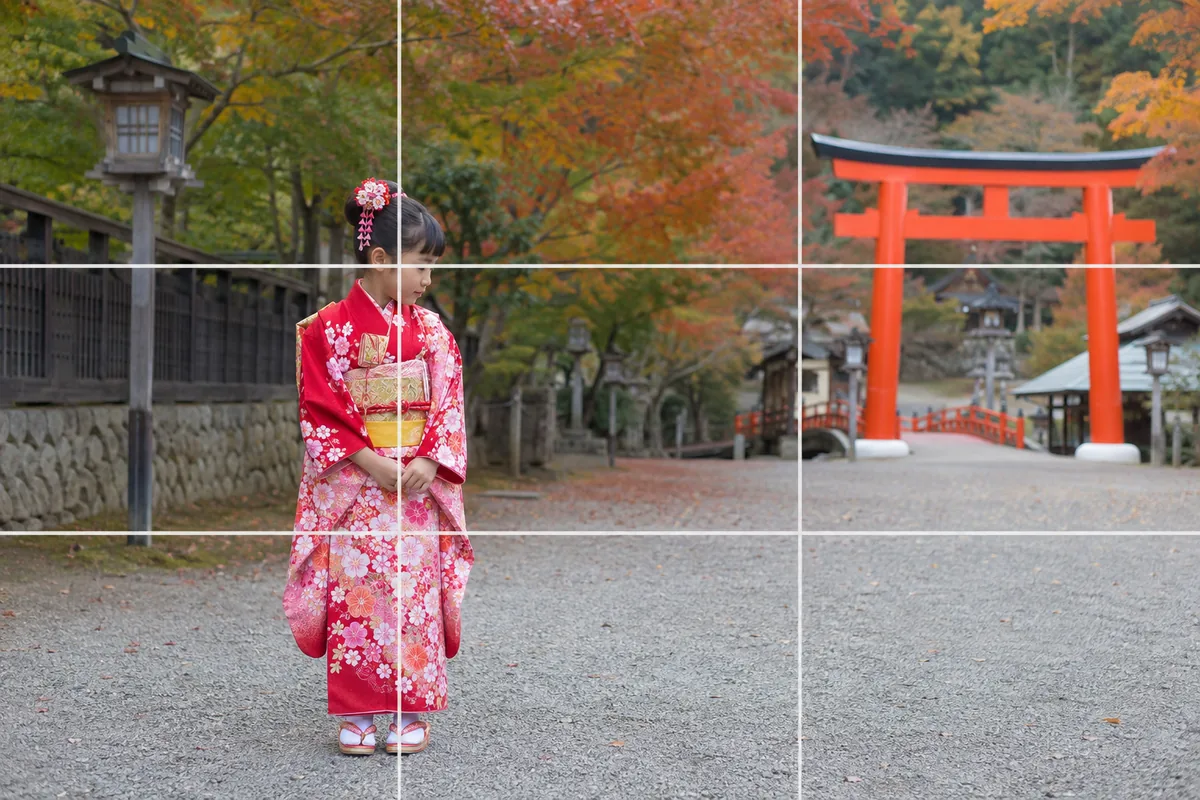
Photographing Shichi-Go-San — Why Faces Go Dark and How to Show the Kimono