Symmetry Composition: A Tip for Stability and Beauty
Published Jun 27, 2026
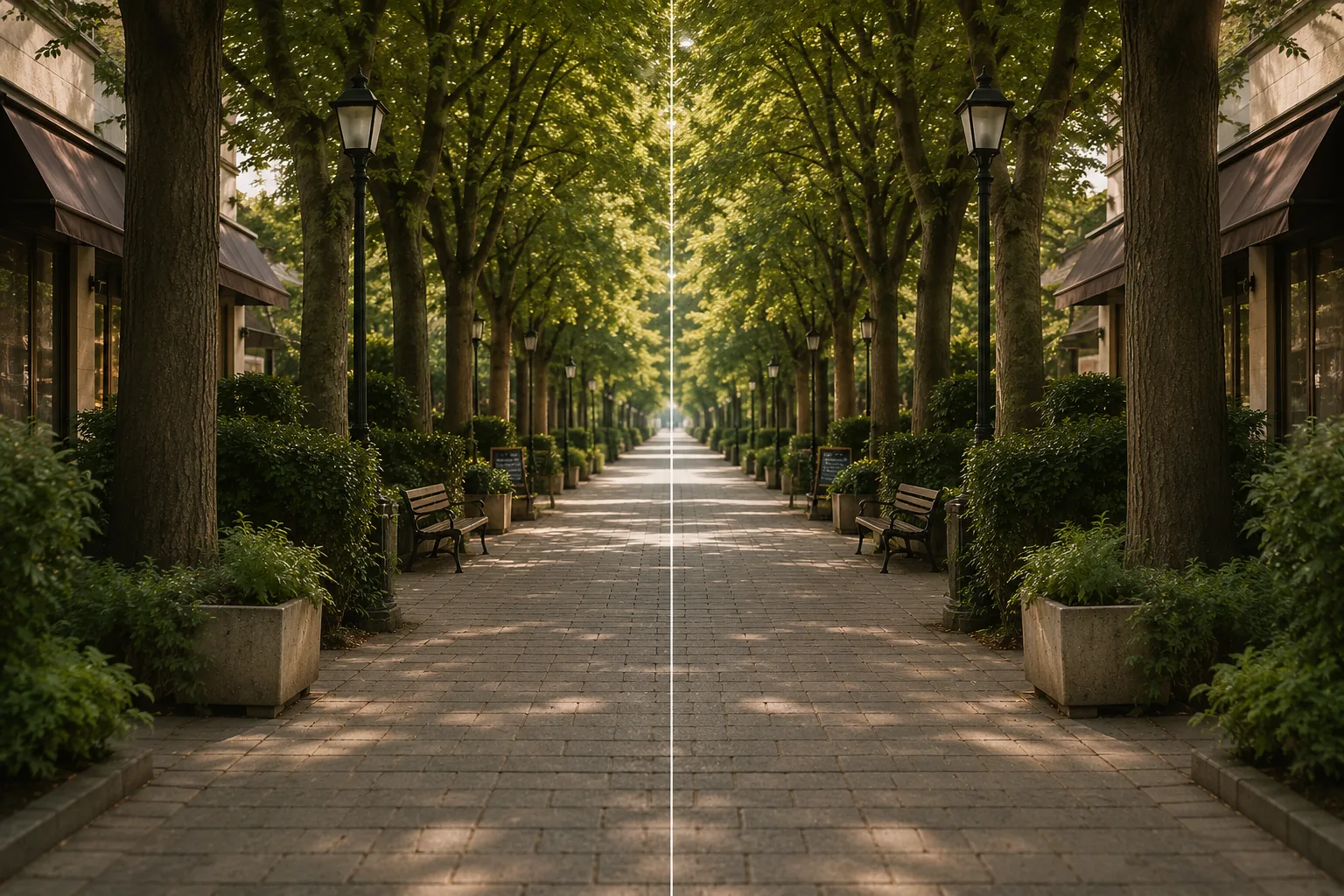
Want to try this composition live on your camera?
Try with this frame →A symmetry composition balances the frame as a mirror image, left to right (or top to bottom). It brings a sense of order, stability and grandeur that feels pleasing to the viewer.
Why it looks beautiful
The eye reads symmetry as “in order,” and that brings reassurance. When the two sides balance around a central axis, the frame gains both calm and strength. The more naturally symmetrical the subject — buildings, a row of trees — the more clearly the effect shows.
How to use it
First, turn on the grid and line the axis of symmetry (the center line) up with the middle of the frame. Fine-tune where you stand so the left and right (or top and bottom) margins are about equal. Getting horizontals and verticals straight makes the symmetry feel especially satisfying (→ How to use grid lines). Place a reflection on water or glass in the lower half for a striking top-to-bottom mirror.
A note of caution
Perfect symmetry is strong, but it can also turn monotonous. Place a single subject (a person or object) at the center, and a focal point appears within the symmetry to tighten it up. Even in group photos, working with a symmetrical background gives a put-together look (→ Group photos).
Start with just this
Center the axis, keep the left and right margins even, get horizontals and verticals straight, and place one subject at the middle. That brings out the pleasing calm of symmetry.
FAQ
What is a symmetry composition?
A symmetry composition balances the frame as a mirror image, left to right or top to bottom. It brings a sense of order, stability and grandeur that feels pleasing to the viewer.
How is it different from the rule of thirds?
The rule of thirds shifts the subject onto an intersection for movement and openness. Symmetry does the opposite — it centers the axis and balances both sides for stability and beauty. Think of it as "a composition that settles things" versus "a composition that moves things."
What subjects suit symmetry?
Buildings, hallways, tree-lined paths, bridges, reflections on water — anything that's already symmetrical. It also works when you lay out food or a table neatly from straight overhead.
Any tips for clean symmetry?
Line up the axis of symmetry (the center line) with the middle of the grid, and keep the left and right margins about equal. Getting horizontals and verticals truly straight makes the symmetry feel even more satisfying.
This composition across subjects
Related reading
Compositions used
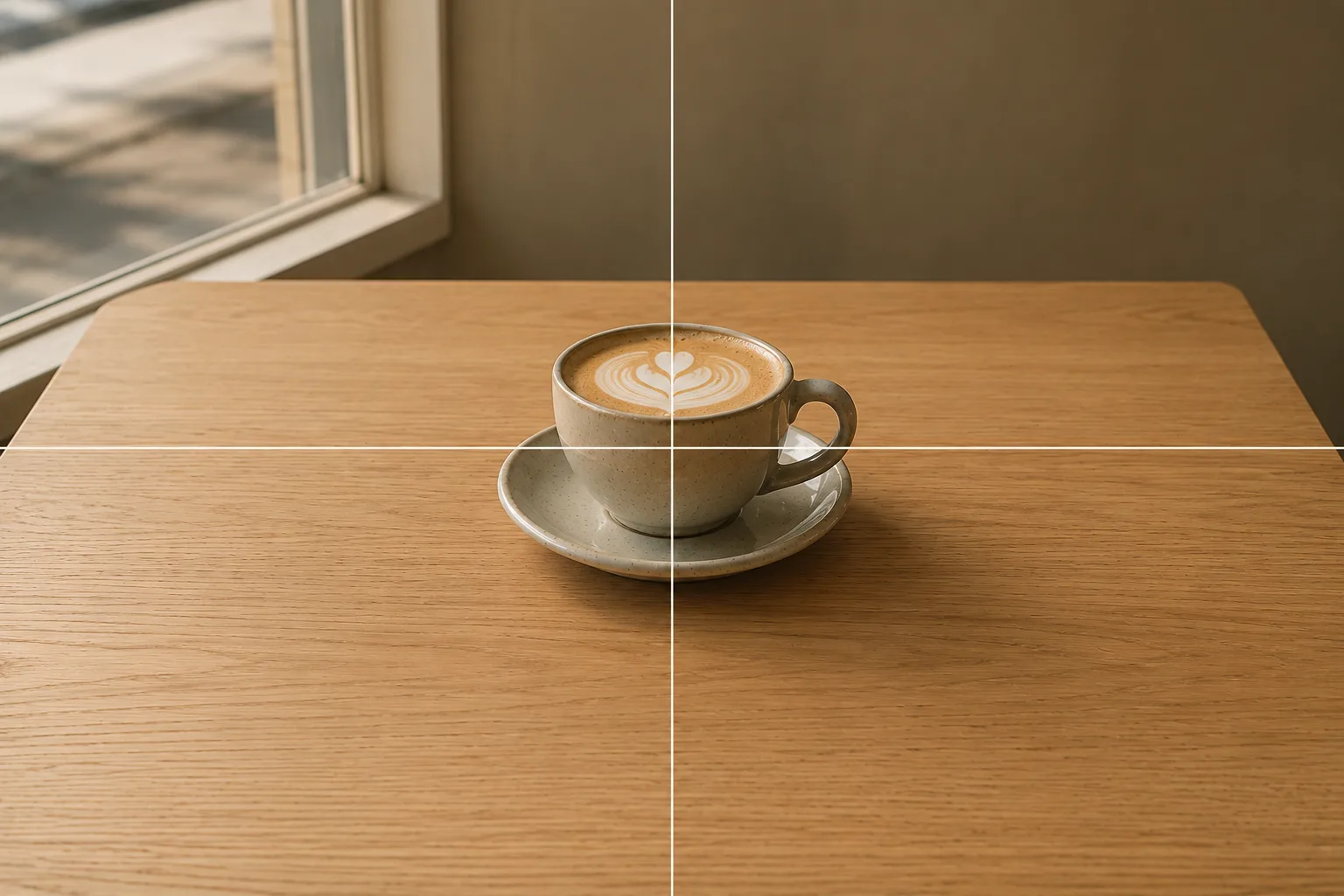
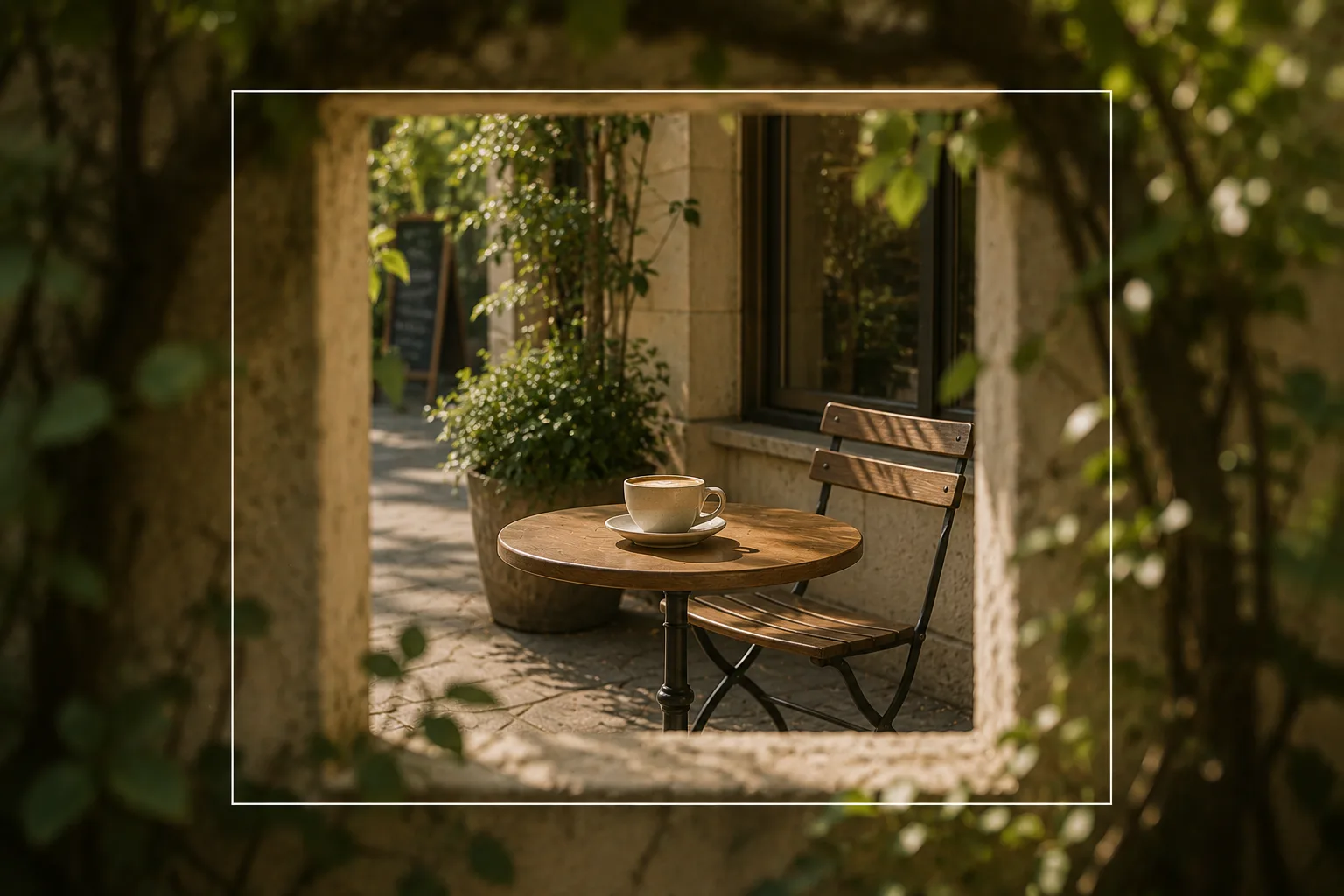

Related subject guides

How to Photograph an Ita Bag Cutely — Flat, Glare-y Shots and How to Show It Off
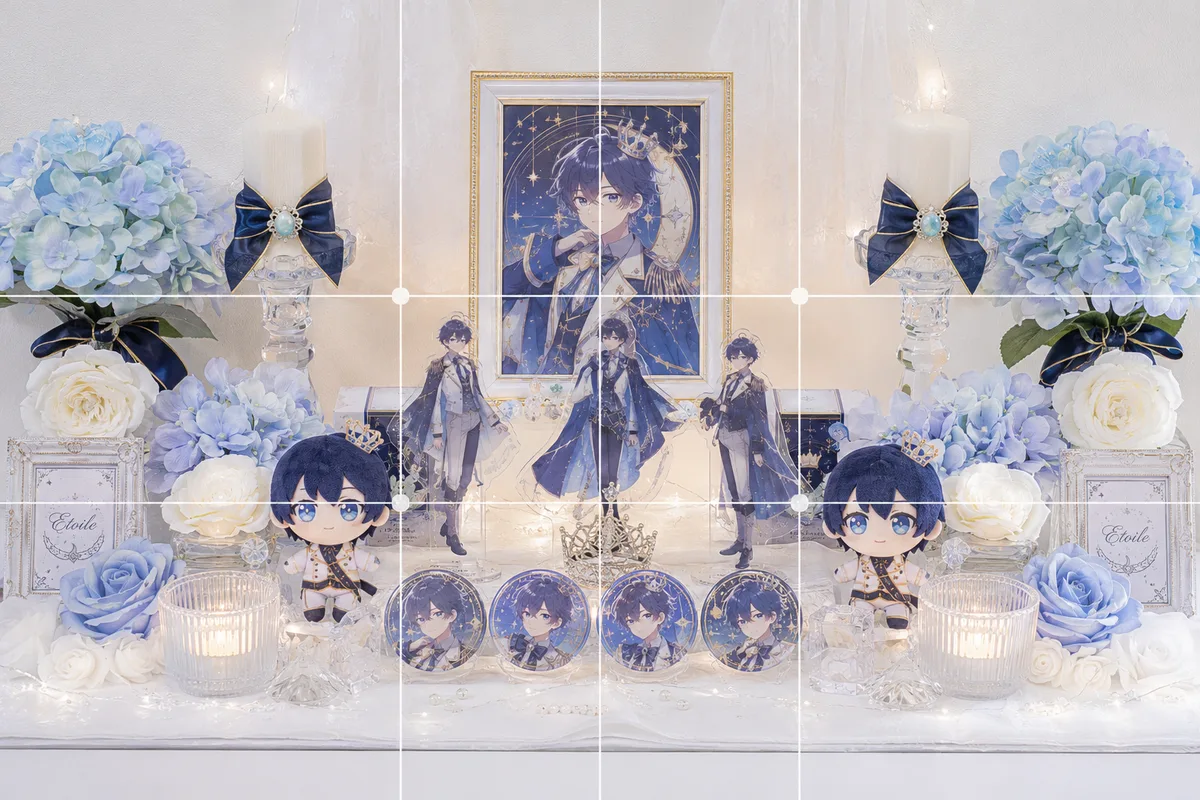
How to Photograph an Oshi Shrine Cleanly — Clutter, Darkness and Tilt

Composing Stylish Café Photos — Why They Don't Pop and How to Fix It

Shooting Night Views and Illuminations Crisp — Why They Blur, and Night Mode

Fitting Everyone in a Group Photo — Fixing Tilt, Darkness and Framing

Shooting Landscapes With Depth — Why They Look Flat and How to Level

Travel Photos Worth Remembering — Why They Look Like Postcards, and Cropping

How to Make Food Look Delicious — Why It Looks Bland and How to Fix It

Capturing Dogs' and Cats' Expressions — Fixing Motion, Darkness and Blur
A Center Composition Is the Right Call for Social Icons

Group Goods Photos at Fan Meetups — Clutter, Shadows, and Uneven Layouts, Fixed

Photographing Rainy Days — Why They Look Gloomy, and Droplets as the Subject
Summer Skies and Towering Clouds — Why They Shrink in the Frame

Photographing Ginkgo Avenues — Why They Look Flat and How to Use the Rows

Three-Generation Family Photos — Why Everyone Stiffens and How to Arrange Them