Composing Flowers That Stand Out — Closeness, Light and Background
Published Jun 27, 2026
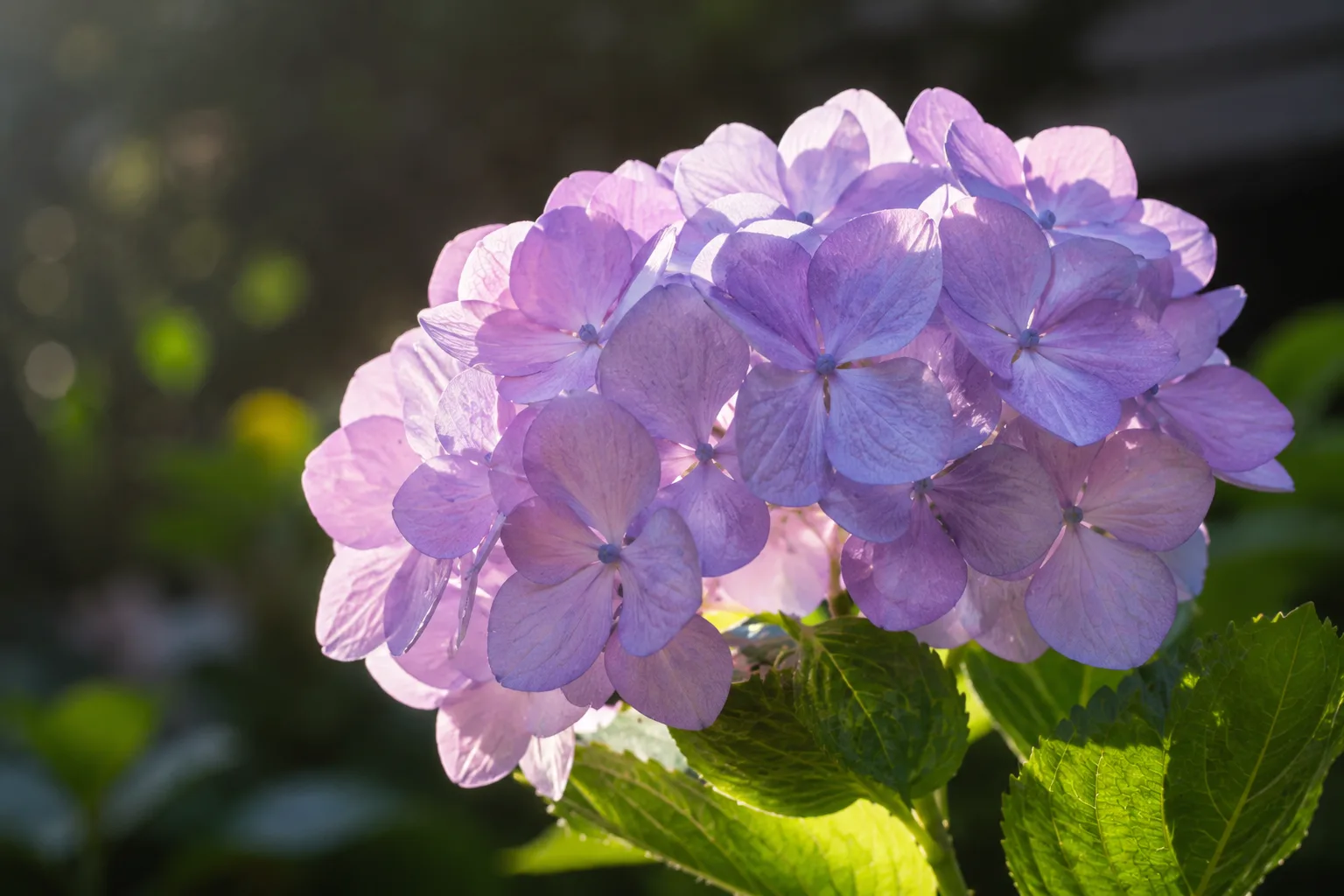
Flowers are beautiful in color and shape, but they tend to come out “plainer than reality” or “busy, with no clear subject.” The causes are closeness, background and light. Even on a phone, deciding a subject and choosing the light transforms them.
Seasonal subject. Different flowers bloom at different times by region, so use this when they’re in season near you.
Move in on one bloom to make a subject
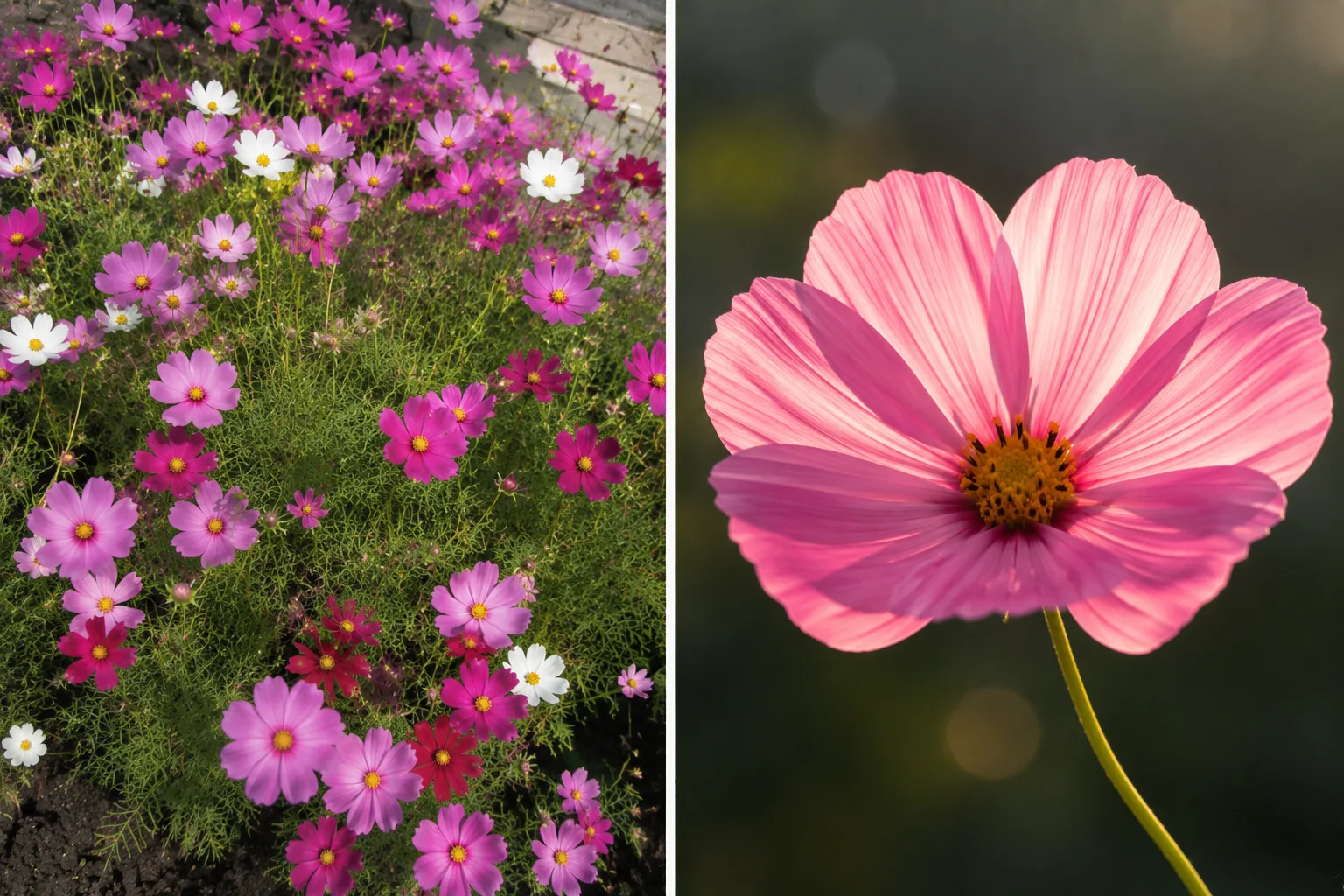
Fit a whole flower field or bed in and it’s unclear which is the subject. Move in and focus on a single bloom in front, blurring the rest, to make the subject clear (→ Fill the frame). When focus wanders, press and hold to lock it (→ Focus lock).
 Composition guideFill the frameSee the full guide for this composition →
Tidy the background
Leaves, a fence or people in the background bury the flower. Choose a direction with plenty of plain or dark background and leave space around the subject to lift it (→ Negative space). Blurring the background with Portrait mode is effective too (→ Portrait mode).
 Composition guideNegative spaceSee the full guide for this composition →
Bring out color with transmitted light
Front light makes a flower look flat. Aim for transmitted light coming through the back of the petals so the color glows from within. Find a slightly backlit position (→ Making the most of backlight).
Composition tips
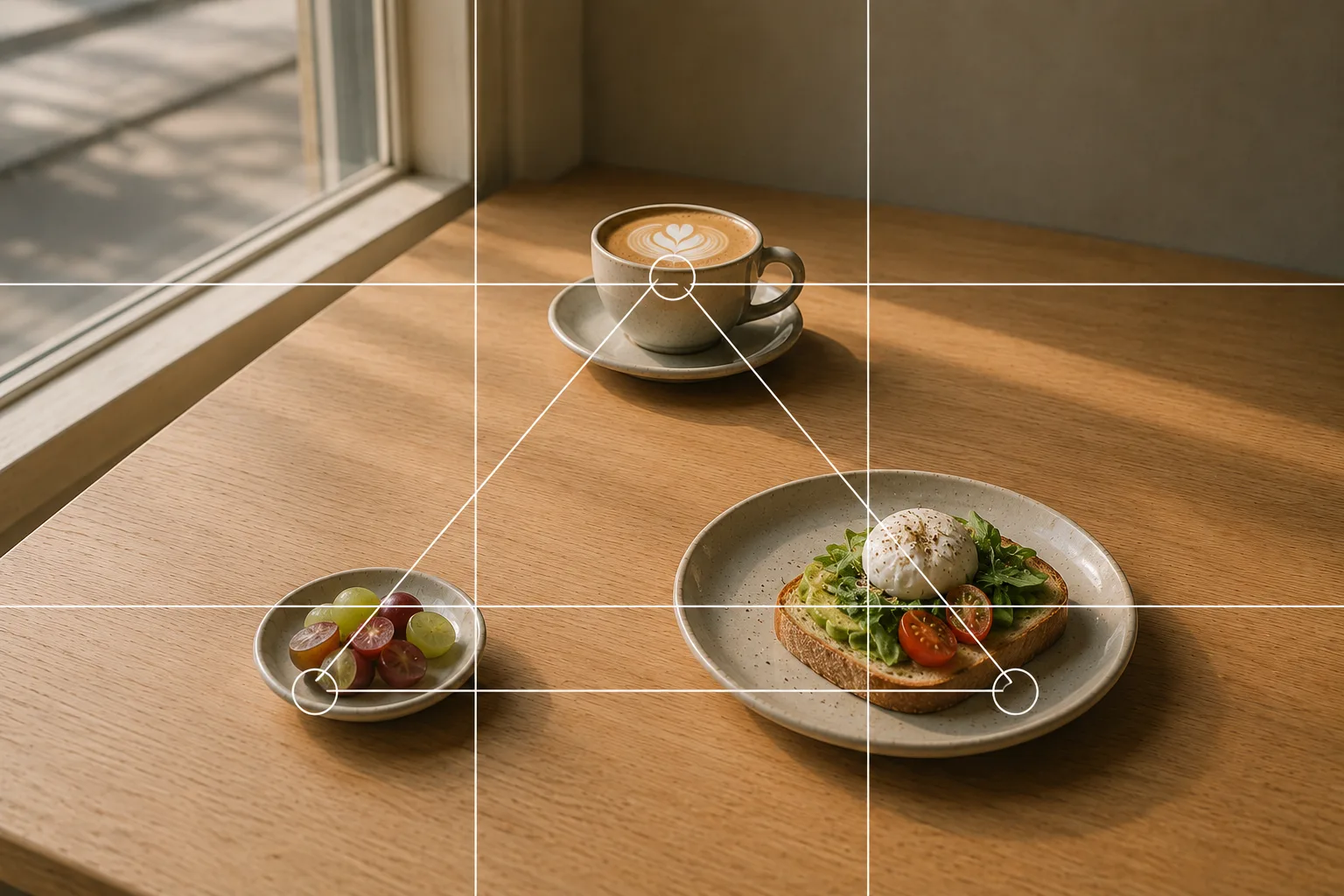
Place the main flower on an intersection and add a bud or leaf as a supporting element for story (→ Rule of thirds). Arranging the subject and its supporting points to form a triangle steadies the frame (→ Triangle composition). Varying single bloom, a few blooms, and the whole avoids monotony. For flowers whose petals curl inward, like a rose, the golden ratio — the flower’s heart at the eye of the spiral — works too (→ Golden ratio). The closeness and transmitted-light thinking is shared with seasonal subjects like autumn leaves (→ Photographing autumn leaves).
 Composition guideRule of thirdsSee the full guide for this composition →
Start with just this
Move in and lock focus on one bloom, tidy the background to plain or dark with space left, and bring out color with transmitted light. That cuts down a lot of “plain and busy” in flowers.
FAQ
My flower fields come out plain.
Rather than shooting the whole, move in and focus on a single bloom in front and blur the back, so the subject stands out. Varying single bloom, a few blooms, and the whole avoids monotony.
How do I make flower colors vivid?
Aim for "transmitted light" coming through the back of the petals, so the color glows from within. A dark or plain background defines the color. Don't over-brighten — keep it within the range where color isn't lost.
Related reading
Compositions used

Related subject guides
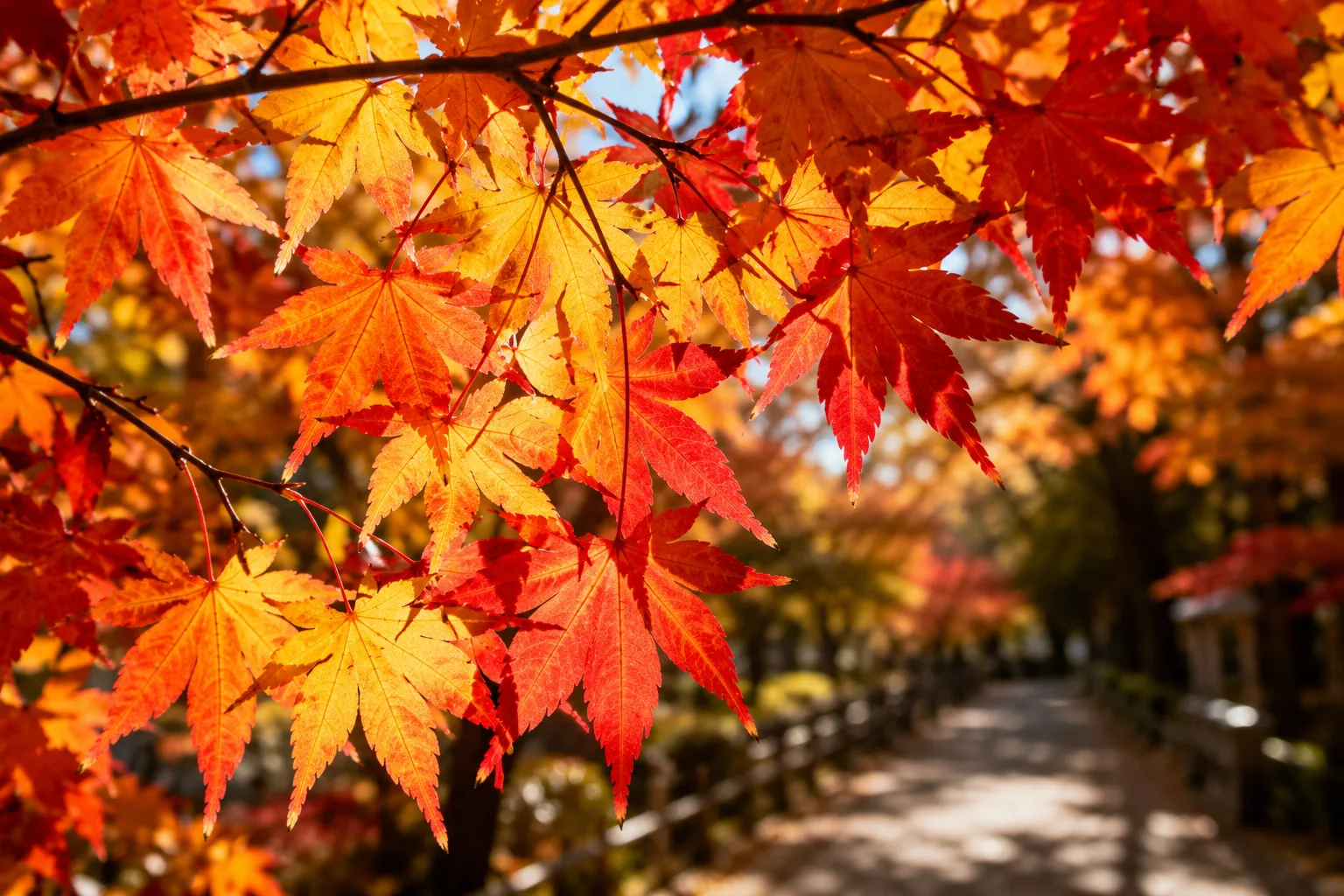
Shooting Vivid Autumn Leaves — Why They Look Flat, and Adding Dimension

Shooting Landscapes With Depth — Why They Look Flat and How to Level
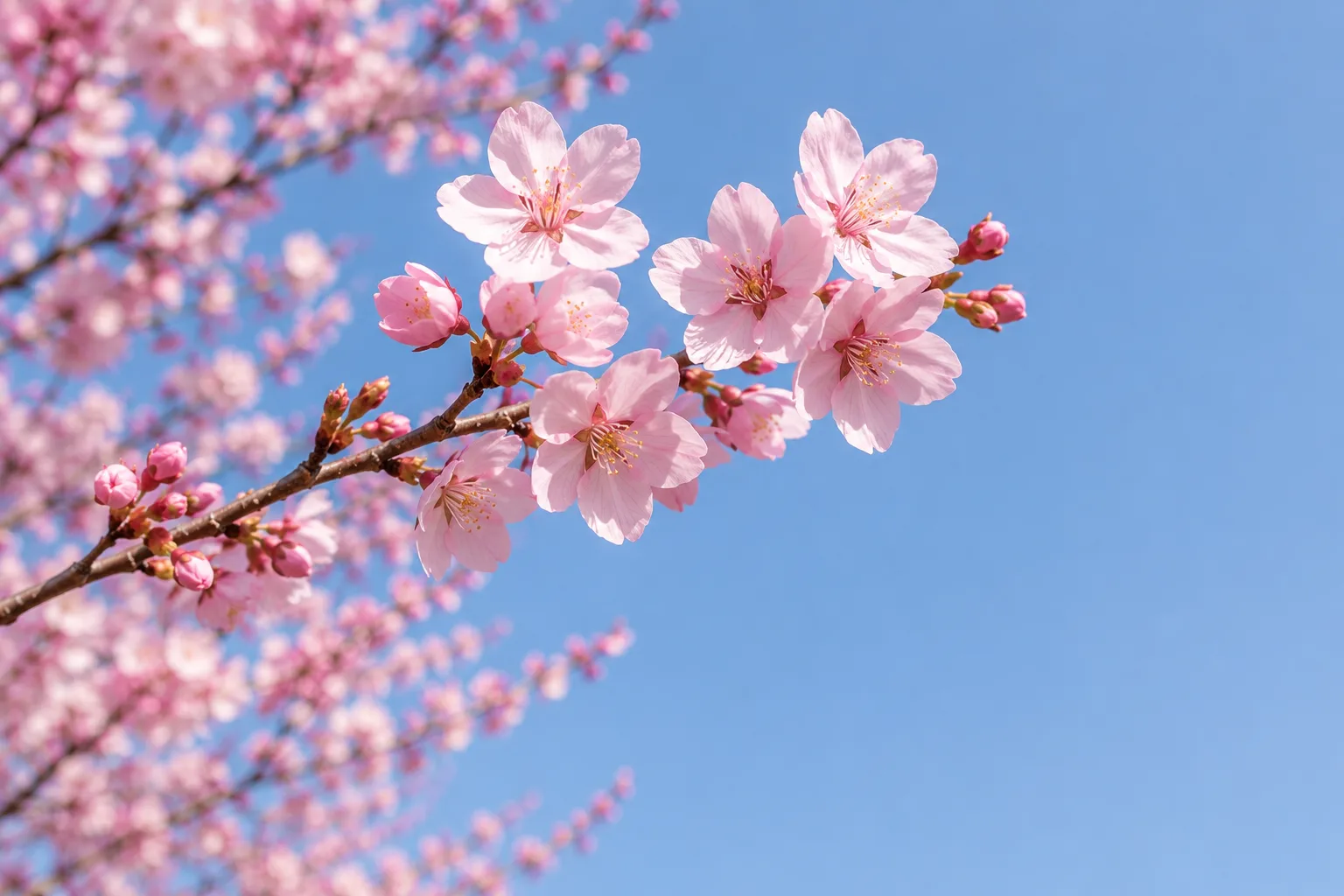
Shooting Cherry Blossoms Strikingly — Why They Wash Out, and Using Color and Sky
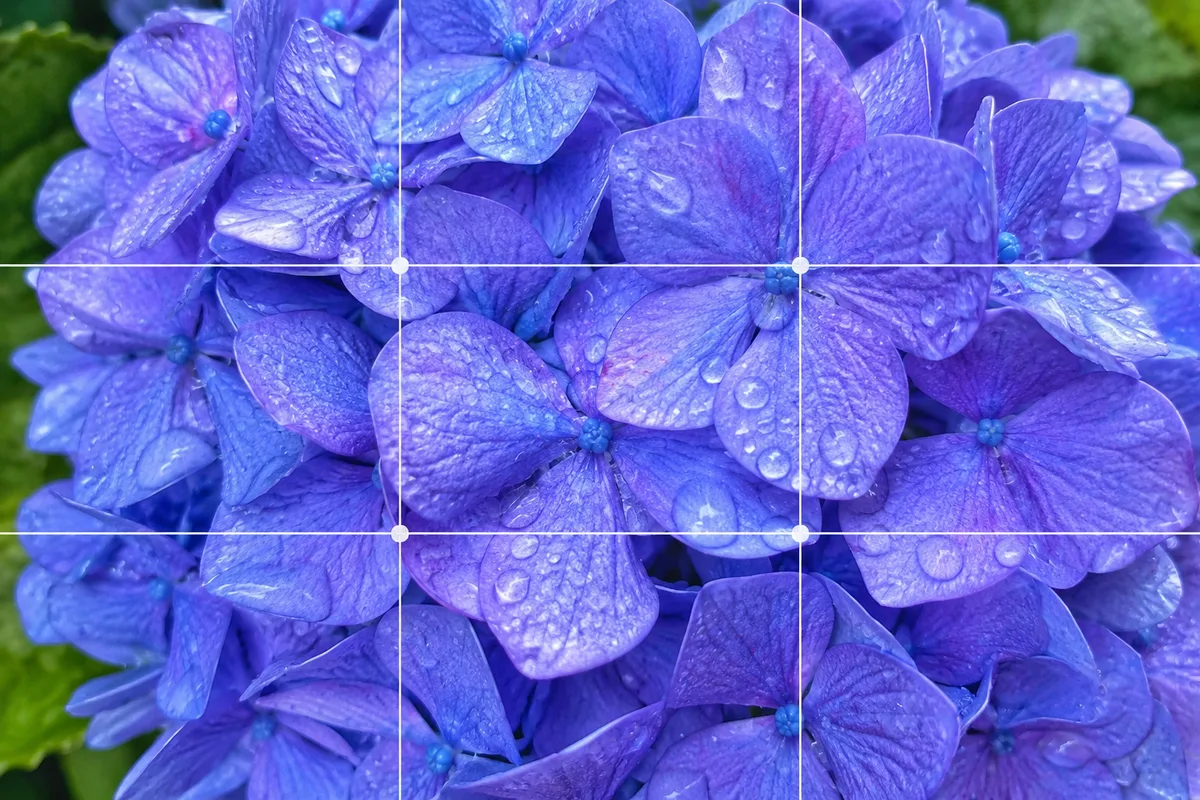
Shooting Fresh, Dewy Hydrangeas — Why They Look Hazy, and Bringing Out Color
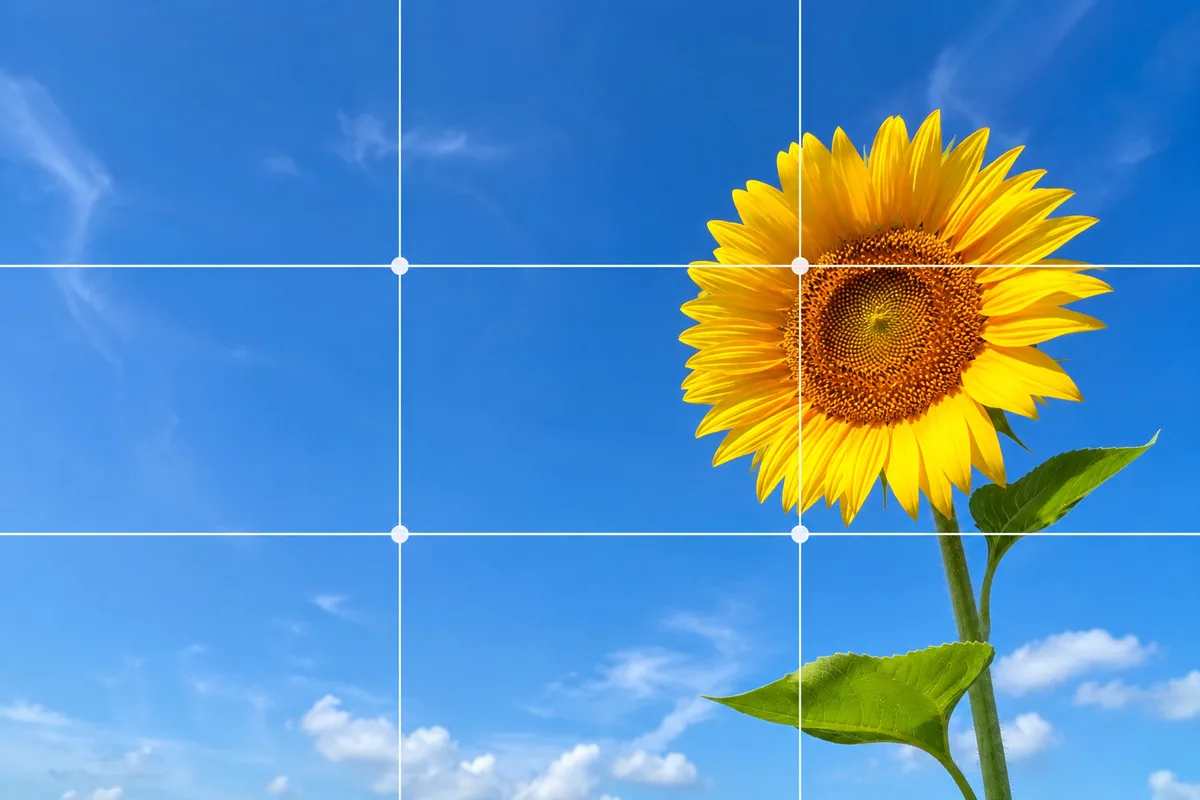
Shooting Sunflowers Full of Energy — Why They Look Plain, and Using Blue Sky
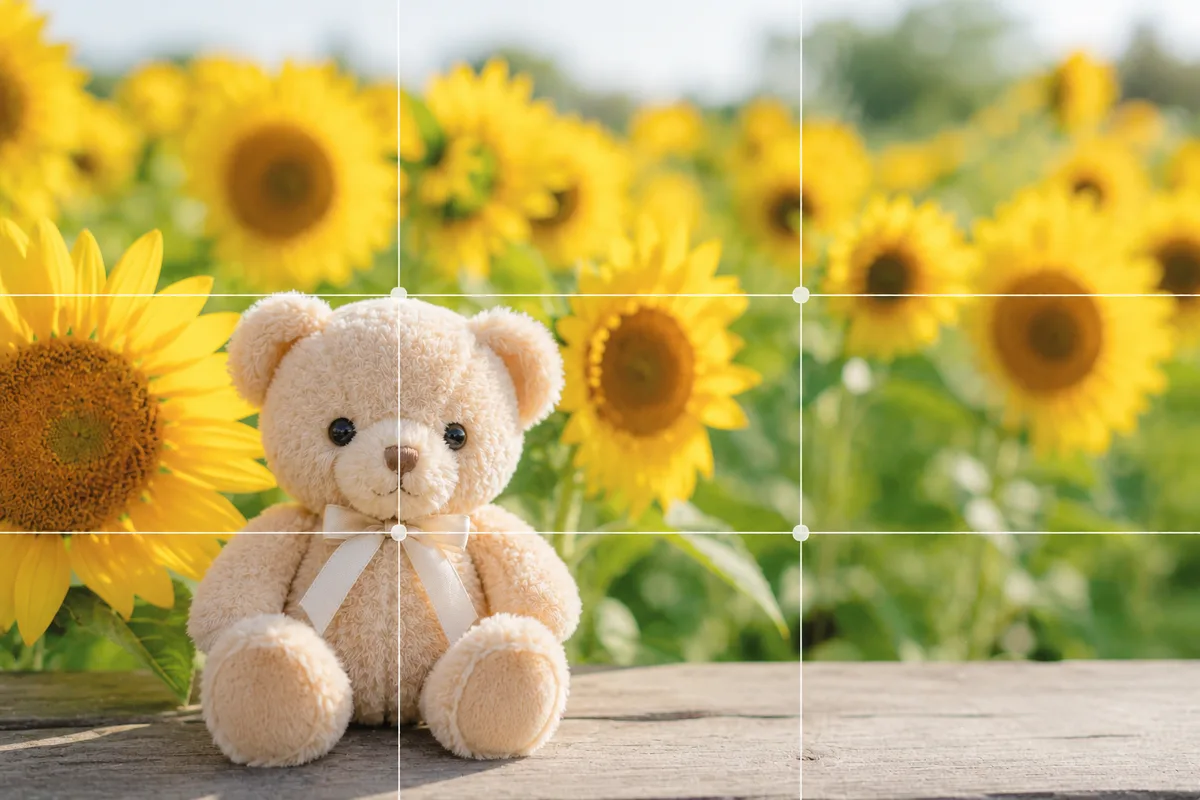
Photographing Plushies With Seasonal Flowers — When the Plush Gets Buried
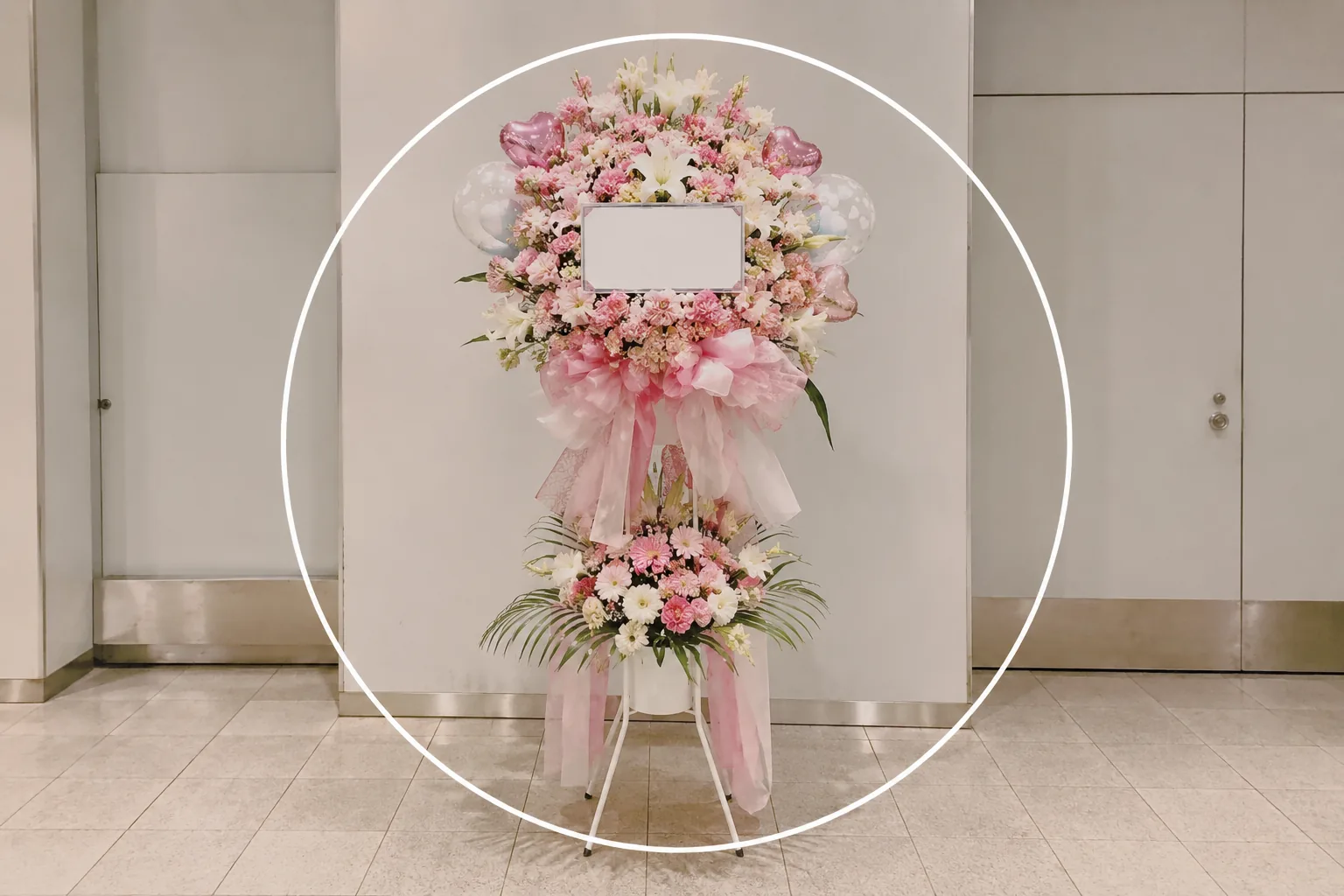
Photographing Fan Flower Stands — Won't Fit the Frame and Dull Colors, Fixed
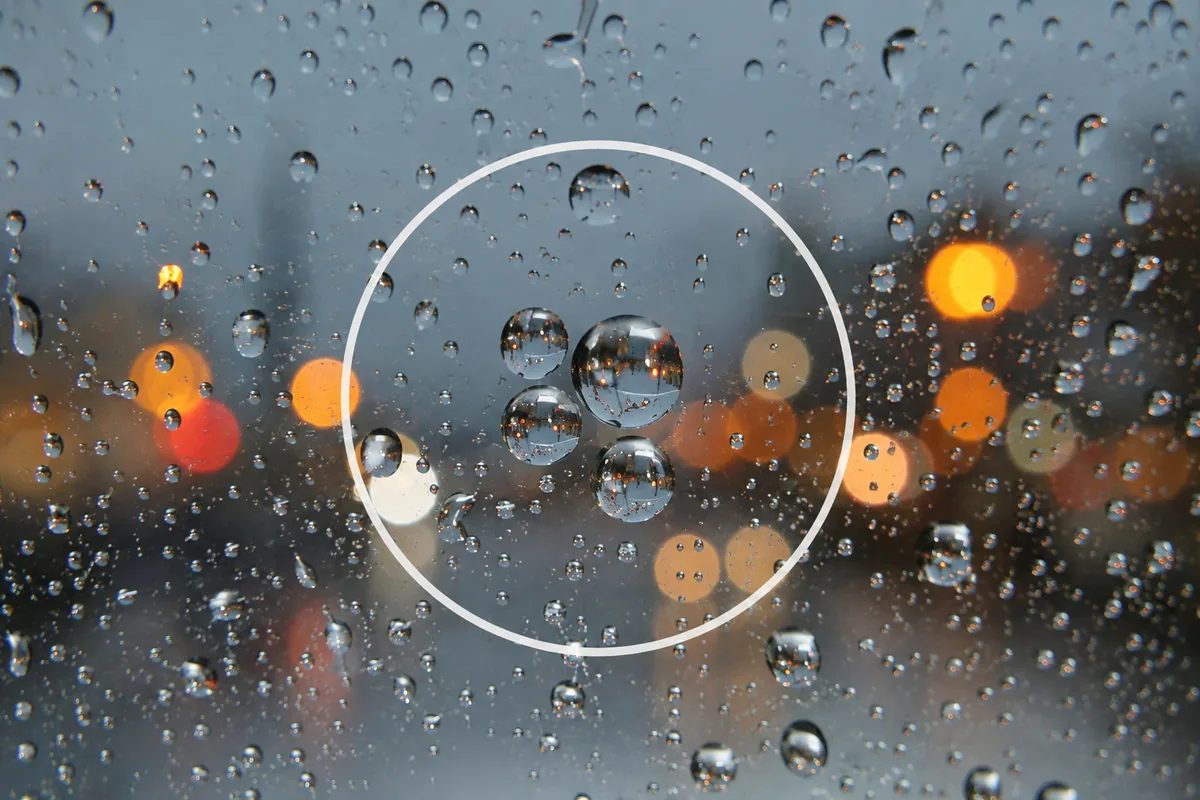
Photographing Rainy Days — Why They Look Gloomy, and Droplets as the Subject
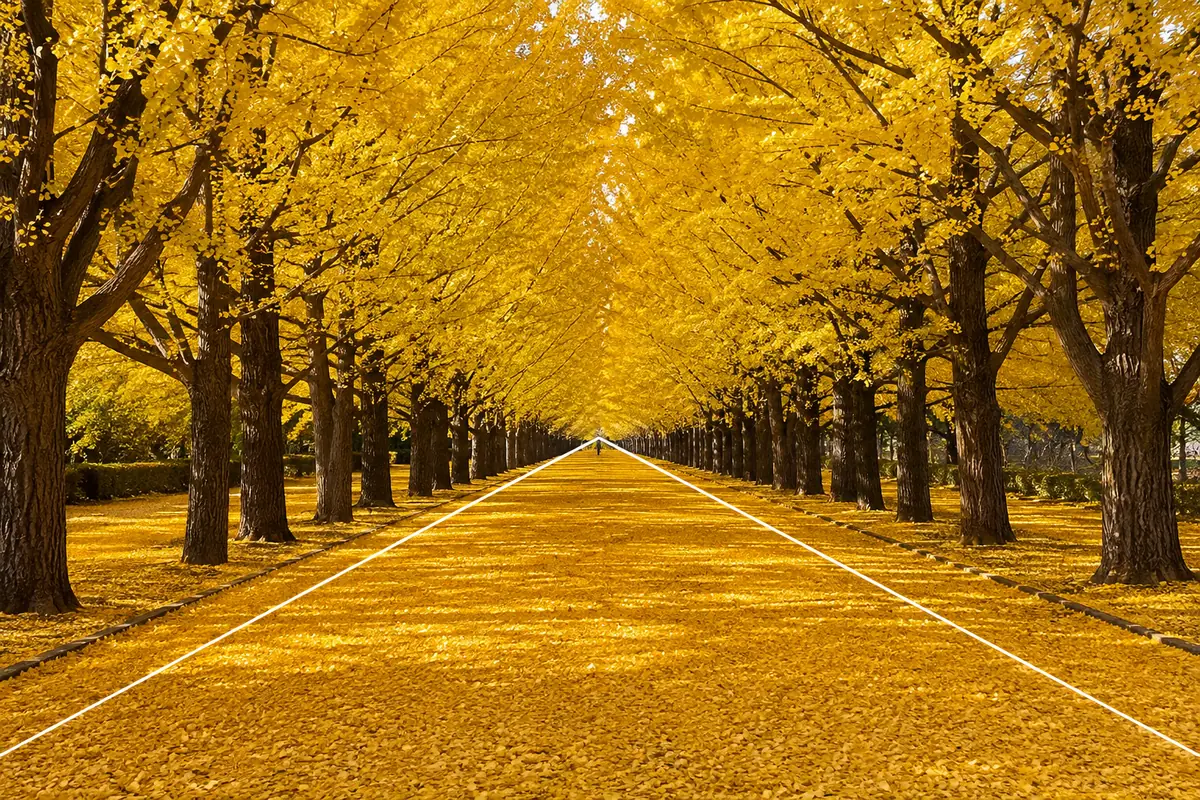
Photographing Ginkgo Avenues — Why They Look Flat and How to Use the Rows
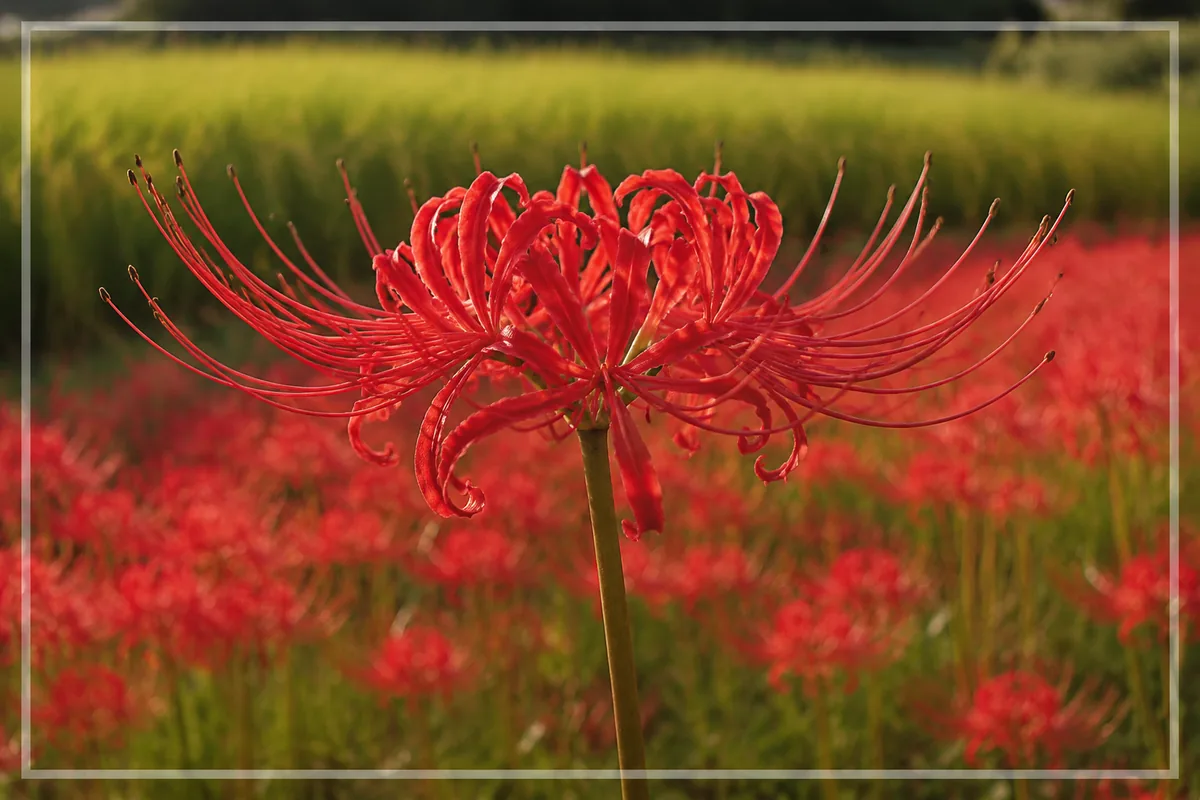
Photographing Red Spider Lilies — Why the Red Blocks Up and How to Shoot Drifts
Photographing a Moon-Viewing Display — Why the Dumplings Blow Out