Shooting Sunflowers Full of Energy — Why They Look Plain, and Using Blue Sky
Published Jun 27, 2026
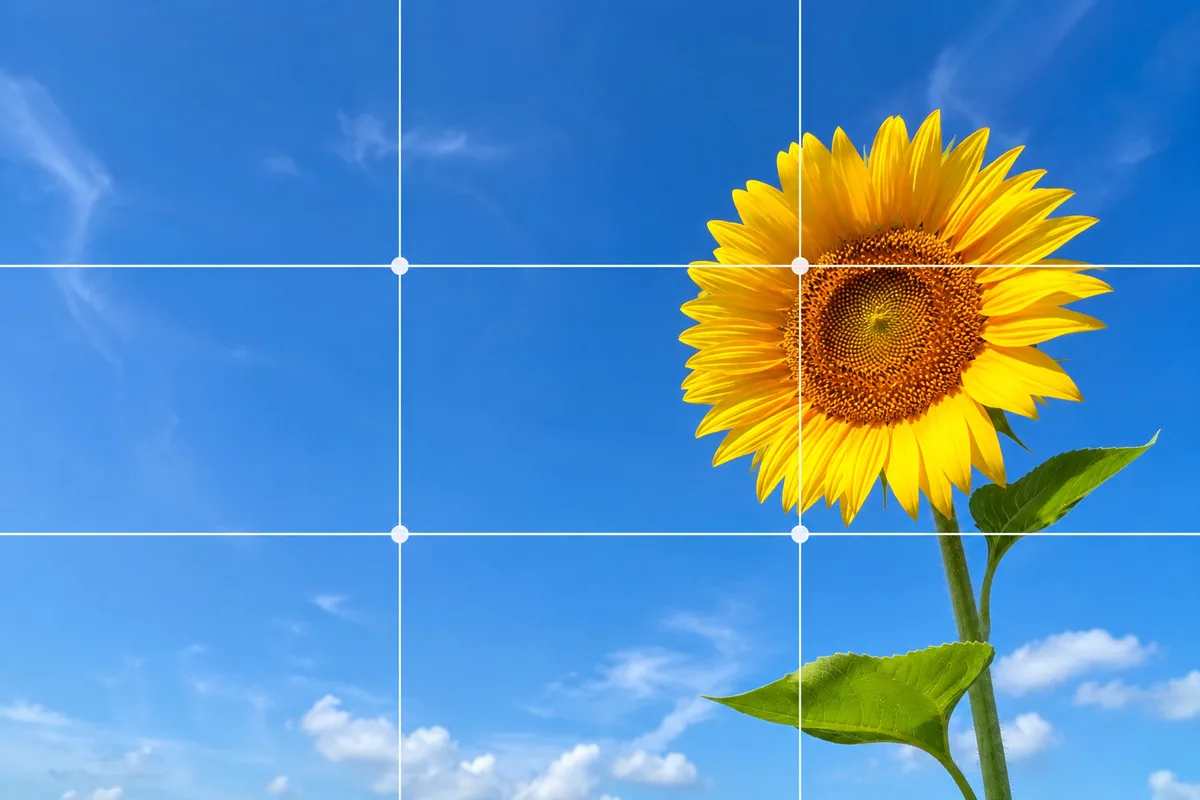
Sunflowers are the icon of summer. Such an energetic subject, yet your shots look “just taken” and plain. What makes sunflowers fall short mostly comes down to four things: light, exposure, subject and composition.
Seasonal subject. Sunflowers bloom in summer, at different times by region, so use this when they’re in season near you.
Change the light direction for dimension
Strong front sun erases the shadows in the petals and looks flat. Choosing light from the side or diagonal (semi-backlight) brings shadow into the petals for dimension. Slightly backlit, the petals glow translucent and lively.
Brighten the flower with exposure compensation
Shooting with blue sky included, the camera meters for the bright sky and the flower tends to sink dark. Tap the flower to set focus and raise the brightness a little for vivid yellow (→ Exposure compensation basics). The contrast of the sky’s blue and the flower’s yellow makes that sunflower energy.
Decide one star bloom and move in
Fit a whole field in and it’s unclear where to look. Moving in on a single bloom in front to make a subject is the basic. Running a row of flowers receding into the distance on a slant leads the eye inward, so breadth and depth both come through (→ Leading lines).
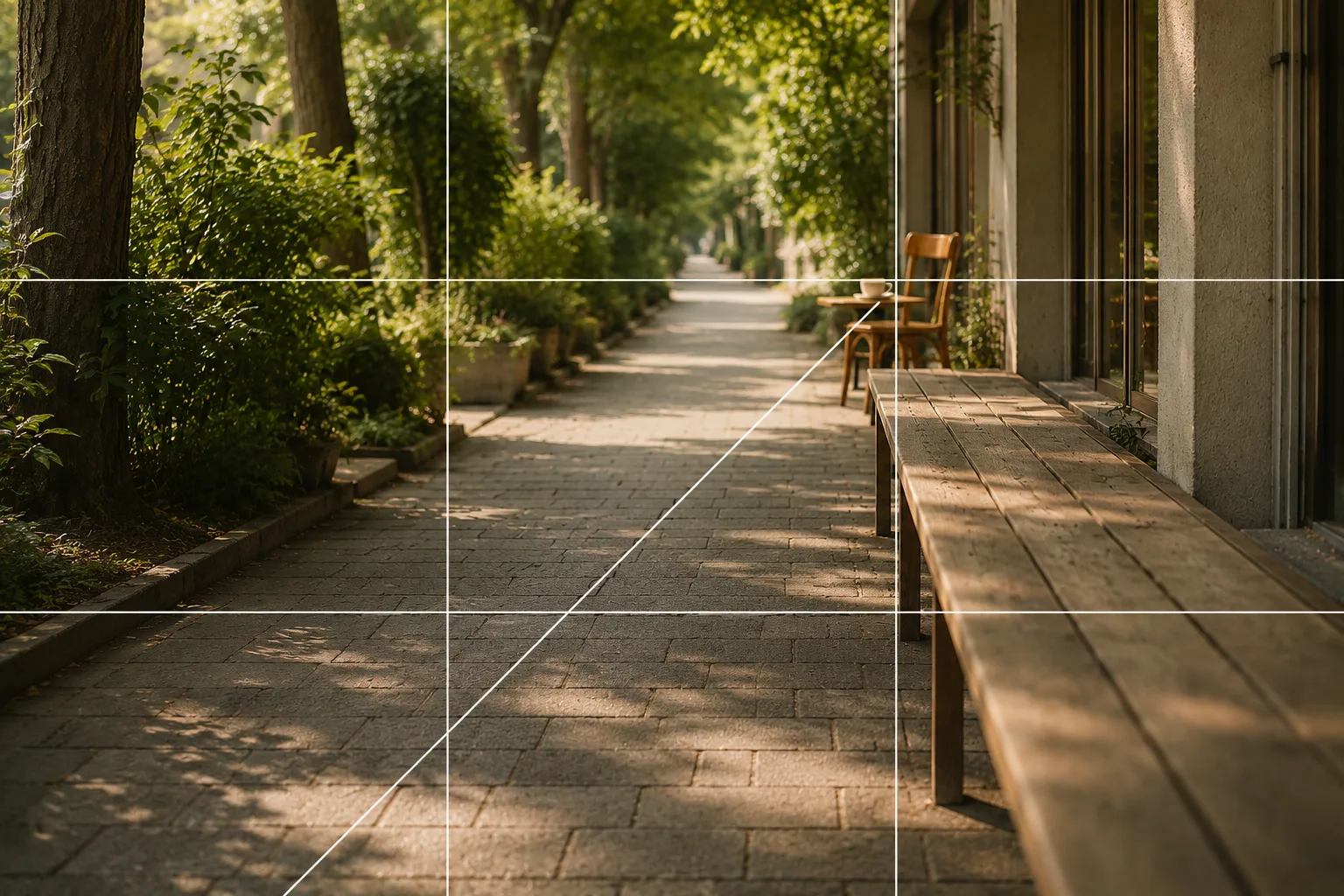 Composition guideLeading linesSee the full guide for this composition →
Shift to an intersection for openness
Because sunflowers have a clear shape, a center composition suits them well (→ Center composition). With petals spreading outward from the center, placing it in the middle also borrows the strength of radial composition (→ Radial composition). But always centering tends to go monotonous. Shift the subject slightly to an intersection and leave blue-sky space on the open side for openness (→ Rule of thirds). Switch as the scene calls for it. Incidentally, a sunflower’s seed pattern is a famous real-world example of the golden ratio (the Fibonacci spiral). When moving in close, placing the flower’s center at the eye of the spiral works too (→ Golden ratio).
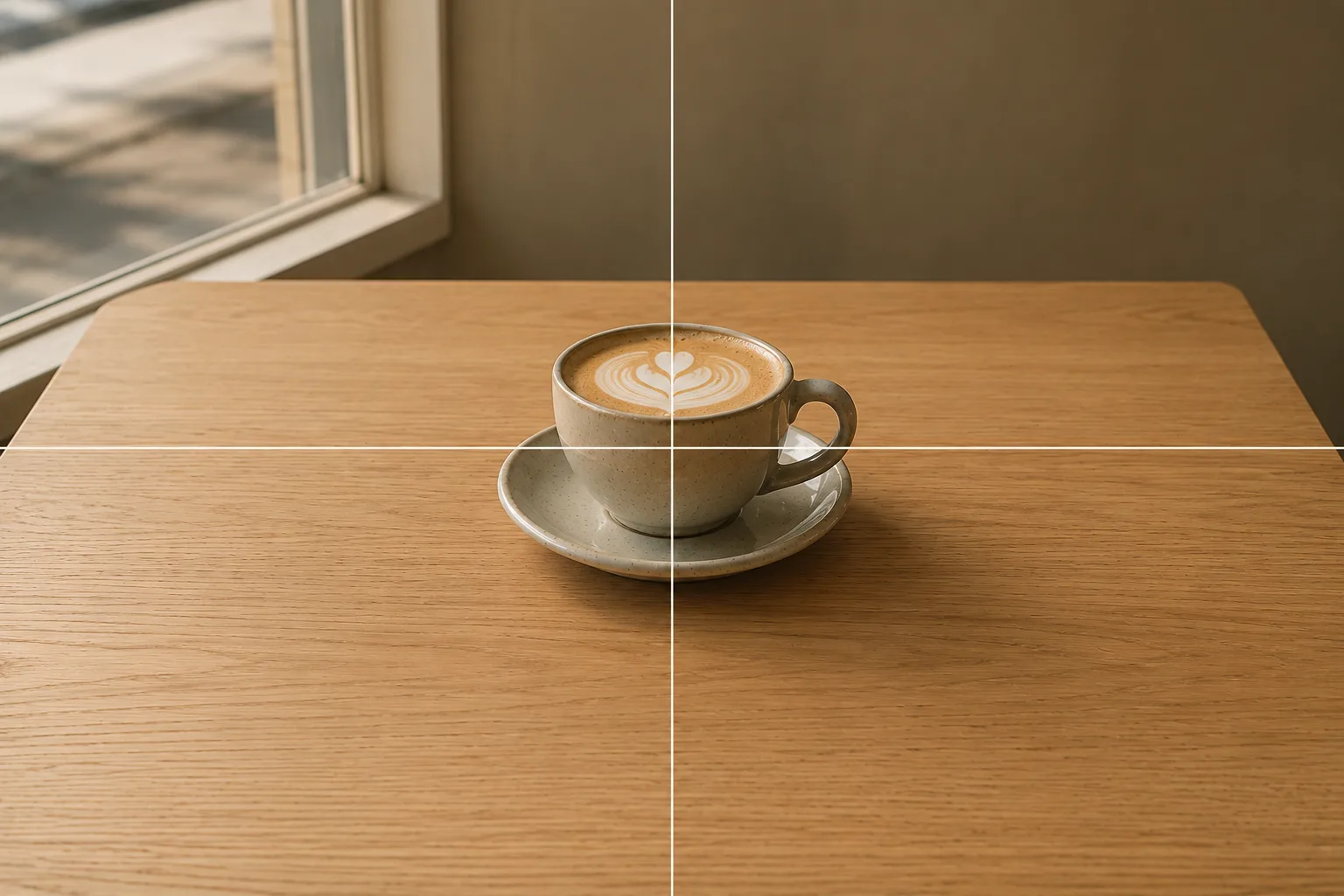 Composition guideCenter compositionSee the full guide for this composition →
 Composition guideRule of thirdsSee the full guide for this composition →
Start with just this
Choose side-to-diagonal light, set brightness for the flower to bring out yellow. Make a bloom in front the star, with blue sky behind, looking up a little. To show breadth, run a receding row on a slant. That turns sunflower “plain” into an energetic shot. The thinking is shared with flowers in general and seasonal subjects (→ Photographing flowers / Landscape photography).
FAQ
Should I include blue sky with sunflowers?
Blue sky is a good match that lifts a sunflower's yellow. Looking up a little to put sky behind defines the color for an energetic impression. Setting brightness for the flower keeps color in the sky.
How do I shoot a whole field of sunflowers nicely?
Fitting it all in tends to look plain. Move in on a bloom in front to make a subject, or run a row receding into the distance on a slant for depth, so breadth and subject both come through.
Example gallery
Related reading
Compositions used
Centered Composition: When Putting Your Subject Dead Center Works
What Is the Rule of Thirds? The Go-To Composition for Phone Photos

What Is a Radial Composition? Lines Fanning From a Point for Depth
What Are Leading Lines? Guiding the Eye to Your Subject on a Phone
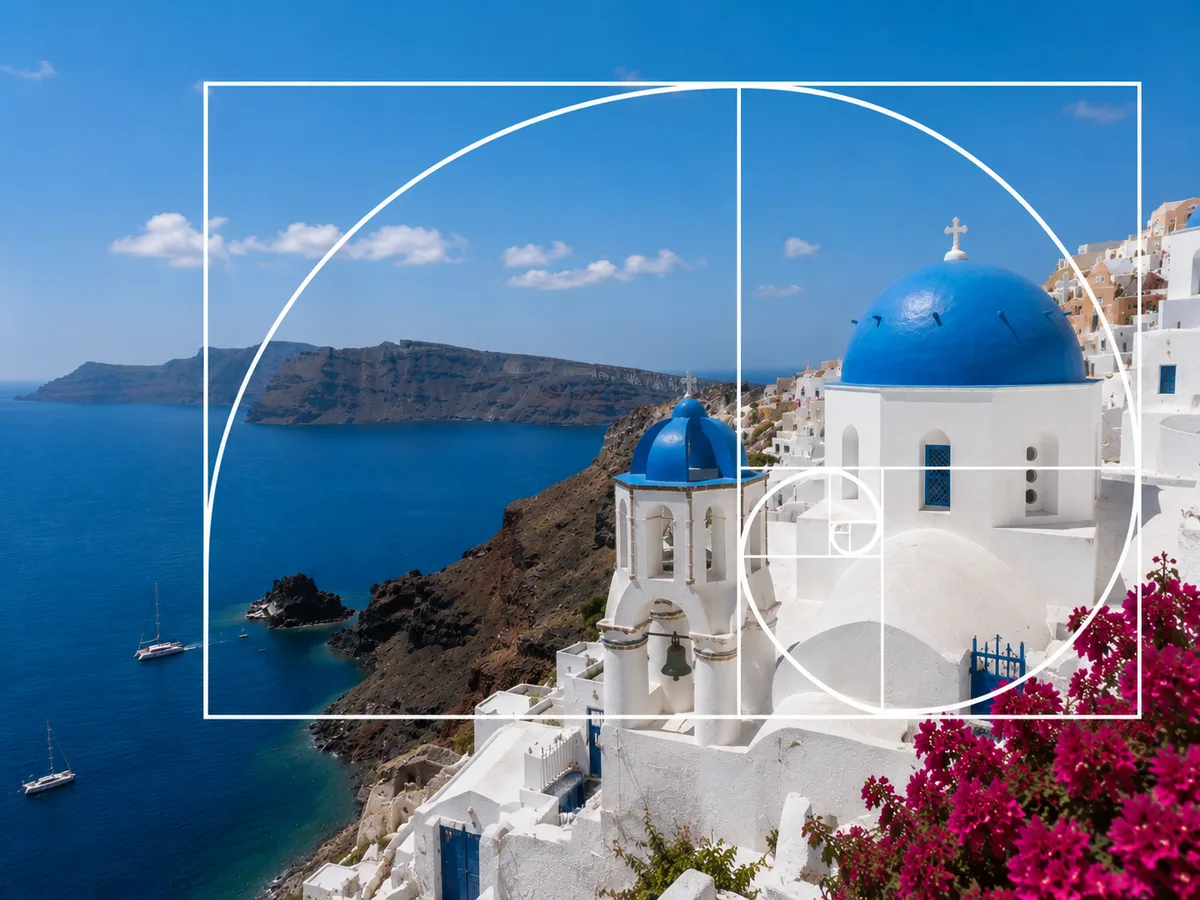
What Is the Golden Ratio? The "Beautiful Proportion" Beyond the Rule of Thirds
Related subject guides
Composing Flowers That Stand Out — Closeness, Light and Background

Shooting Landscapes With Depth — Why They Look Flat and How to Level
Shooting Cherry Blossoms Strikingly — Why They Wash Out, and Using Color and Sky
Photographing Plushies With Seasonal Flowers — When the Plush Gets Buried
What to Photograph in July: Today's Picks and a Seasonal Subject Calendar
Summer Skies and Towering Clouds — Why They Shrink in the Frame