Shooting Fresh, Dewy Hydrangeas — Why They Look Hazy, and Bringing Out Color
Published Jun 27, 2026
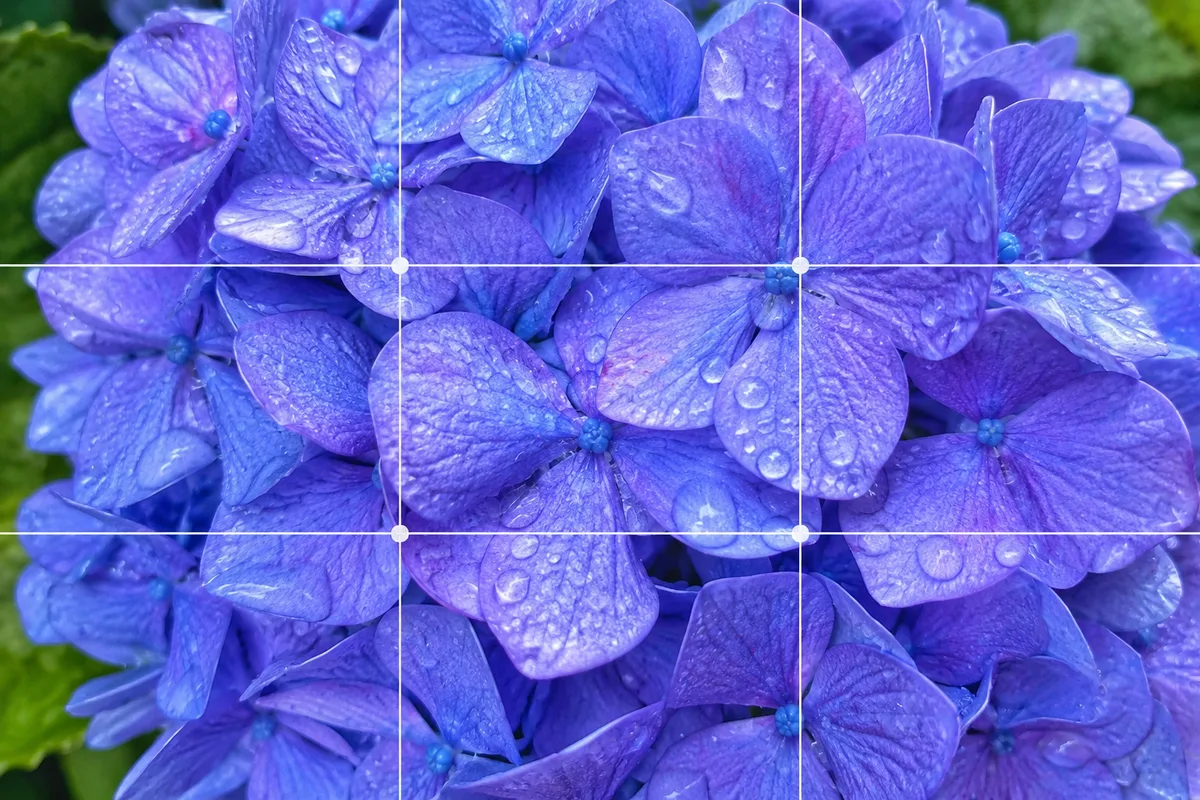
Hydrangeas color the rainy season. You think “how pretty,” but looking back it’s “somehow hazy.” What makes hydrangeas fall short mostly comes down to four things: exposure, closeness, background and color.
Seasonal subject. Hydrangeas bloom in early summer’s damp spells, at different times by region, so use this when they’re in season near you.
Lower the brightness to keep the color
Hydrangeas are often shot on overcast or rainy days, and when the camera exposes for the bright sky, the flower color washes out shallow. Tap the flower to set focus and lower the brightness a little, so the blues, purples and pinks stay rich and defined (→ Exposure compensation basics). The soft light of an overcast day is actually a good match for hydrangeas.
Move in on one cluster to make a subject
Fit a whole patch in and it’s unclear where to look. Move in and focus on one pretty cluster, blurring the back, so the gathering of tiny flowers and the color gradation stand out (→ Fill the frame). After rain, including water drops left on the petals conveys freshness.
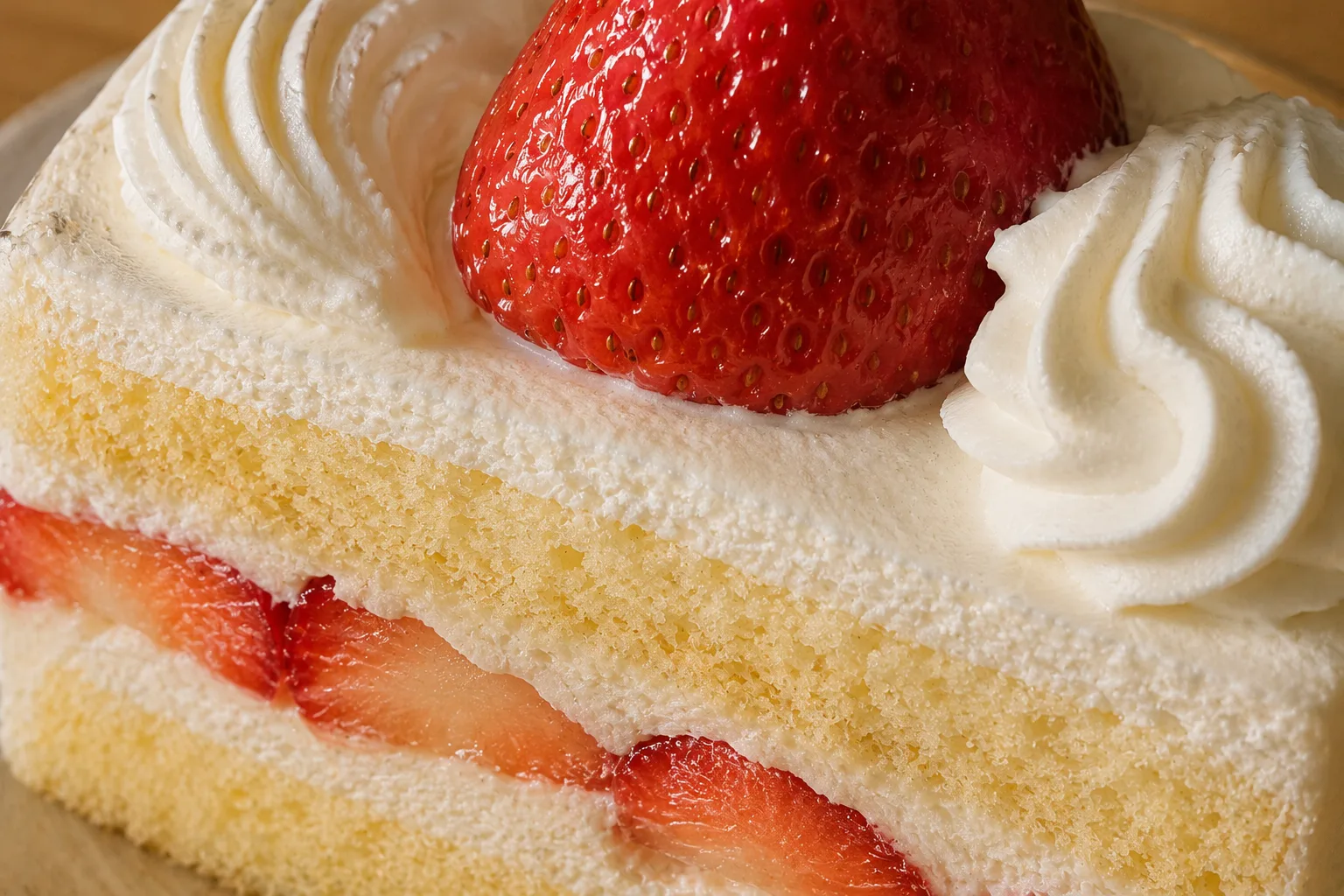 Composition guideFill the frameSee the full guide for this composition →
Tidy the background
In parks and temple grounds, fences, paths and people easily get into the background and bury the flower. Crouch a little and look up to put sky or deep green behind, or choose a darker shade as the background, to lift the subject. Shifting the subject off-center to leave space on the open side gives openness (→ Rule of thirds / Negative space).
 Composition guideRule of thirdsSee the full guide for this composition →
 Composition guideNegative spaceSee the full guide for this composition →
Make use of water drops and color
A hydrangea’s color shifts with soil and variety, but the top reason it goes dull in photos is light and exposure. Soft light from overcast or shade renders blues and purples better than direct sun. A darker background makes the flower color feel more vivid.
Start with just this
Tap the flower and lower the brightness a little, and move in on one pretty cluster. Choose sky, deep green or a darker shade behind, and leave space on the open side. After rain, use the water drops. That sharply cuts down the “hazy” in hydrangeas. The thinking is shared with flowers in general and seasonal subjects like cherry blossoms and autumn leaves (→ Photographing flowers / Photographing cherry blossoms).
FAQ
Are hydrangeas easier to shoot in sun or rain?
Hydrangeas suit soft light, so overcast or just-after-rain actually works well. Making use of water drops on the petals conveys freshness.
What if the color comes out dull?
Usually the exposure is being pulled to a bright sky. Tap the flower to set focus and lower the brightness a little, so the blues and purples look more defined.
Related reading
Compositions used
Related subject guides
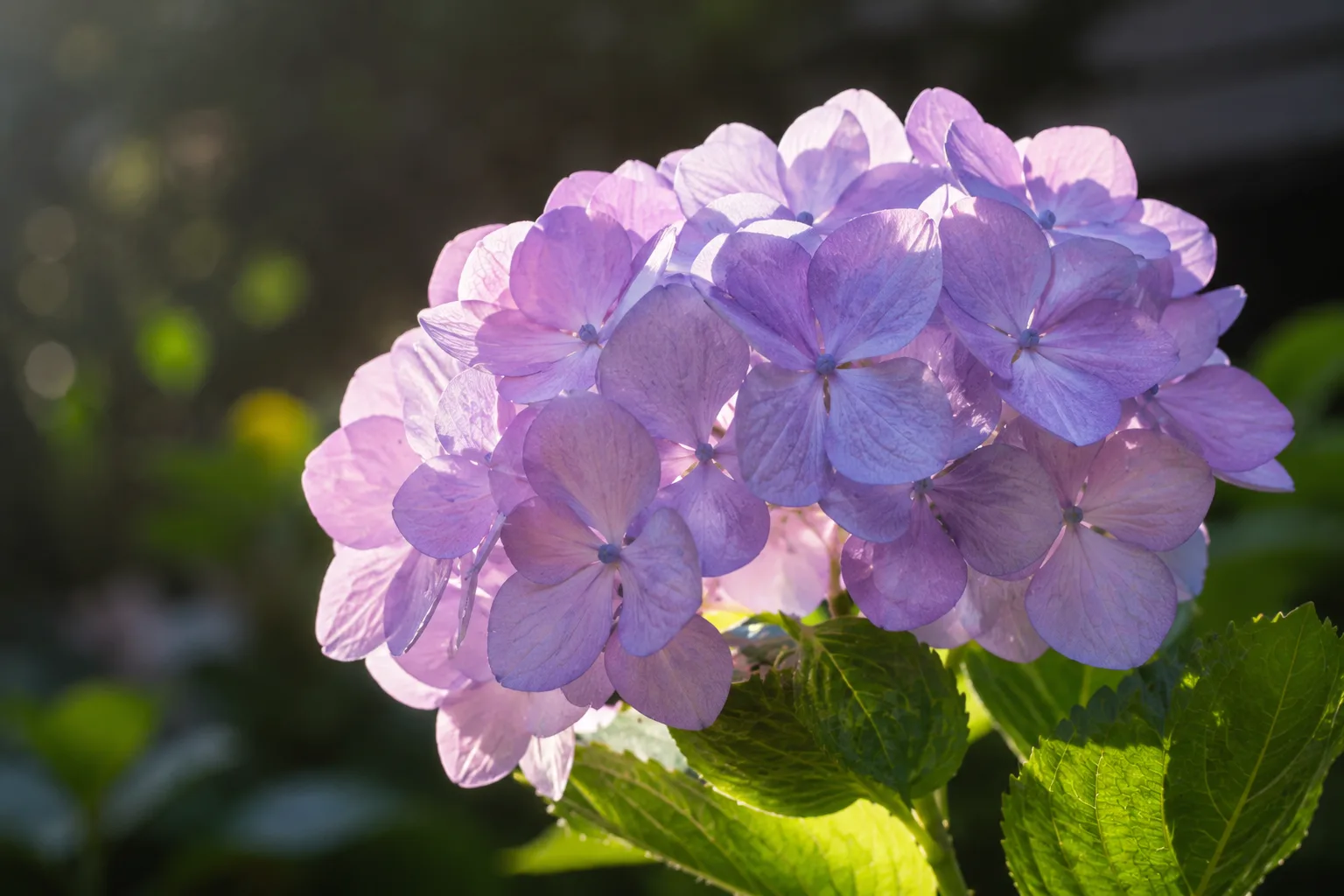
Composing Flowers That Stand Out — Closeness, Light and Background
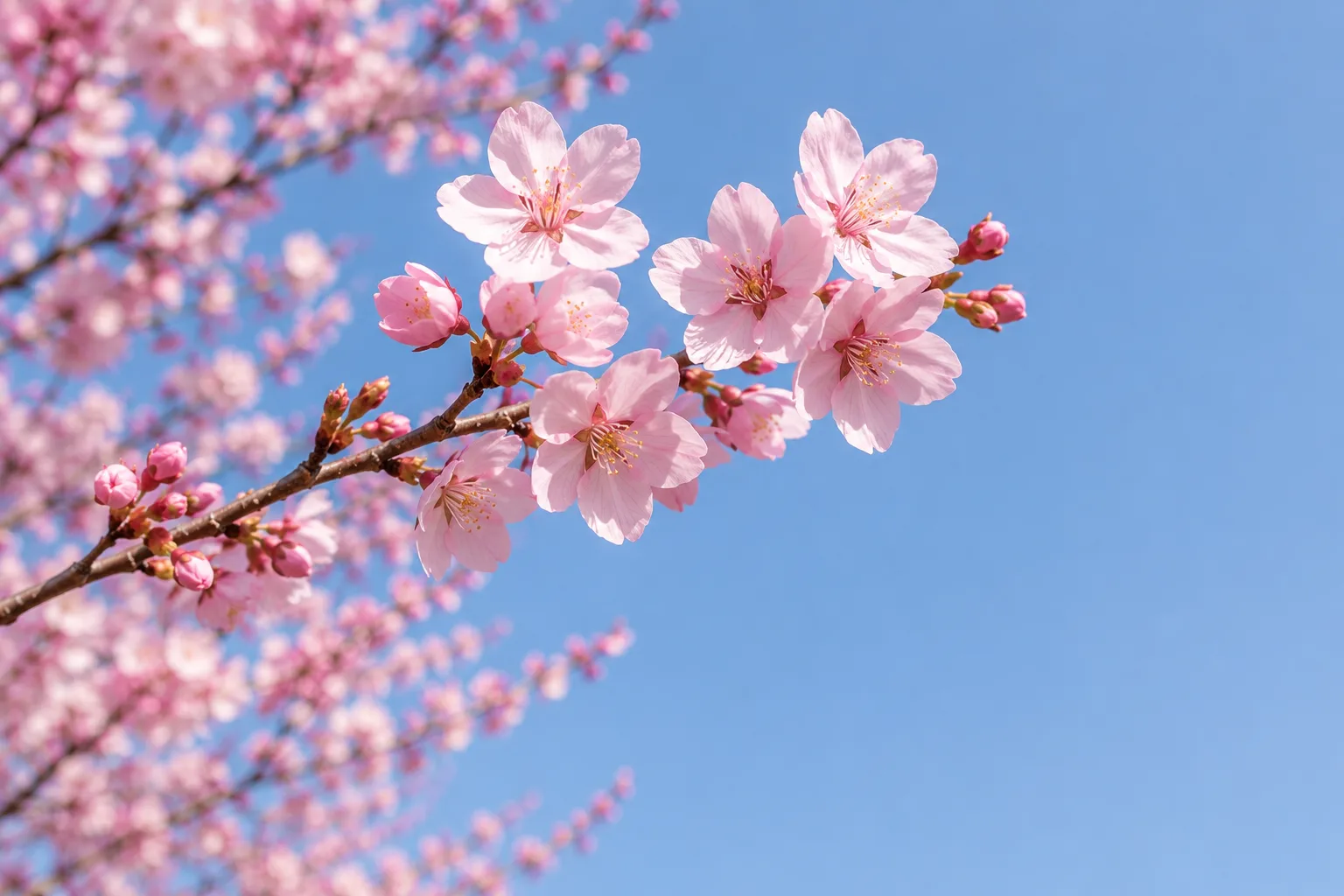
Shooting Cherry Blossoms Strikingly — Why They Wash Out, and Using Color and Sky
Shooting Vivid Autumn Leaves — Why They Look Flat, and Adding Dimension

Shooting Faces and Food Bright Even in Backlight — Why It Goes Dark and the Fix
Photographing Plushies With Seasonal Flowers — When the Plush Gets Buried
Photographing Rainy Days — Why They Look Gloomy, and Droplets as the Subject
Photographing Red Spider Lilies — Why the Red Blocks Up and How to Shoot Drifts