Photographing Red Spider Lilies — Why the Red Blocks Up and How to Shoot Drifts
Published Aug 27, 2026
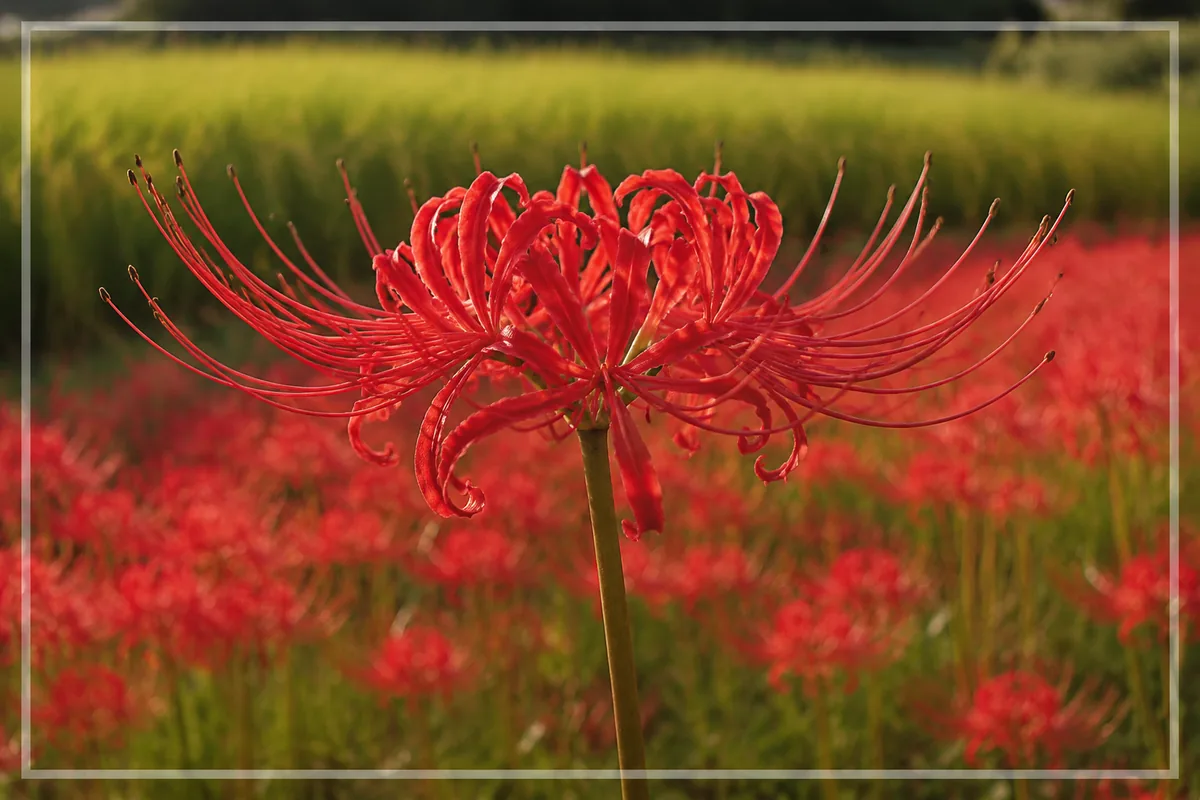
Around the autumn equinox, the banks of rice paddies and riversides turn red almost overnight. Then the photo comes back with the red blocked up, or a whole field of it looking oddly flat. With red spider lilies, the color is so strong that brightness and choosing a subject decide almost everything.
A step darker brings the texture back
Vivid red is the color a camera saturates most easily. Expose it brightly and the veins and shadowing in the petals vanish into one solid mass.
Tap the flower, then swipe up or down to go a step darker and the individual petals and the fine curl of the stamens return (→ Adjusting brightness). Slightly darker than feels right is usually right for red.
Backlight the petals
Red spider lily petals are thin and pass light through. Put the sun behind the flower and the red glows like stained glass — the same principle as maples and ginkgo (→ How to photograph autumn leaves).
Low morning or late-afternoon light comes in from the side and makes that glow easy to catch. Midday sun from overhead blows the color out and hardens the shadows, so pick your time if you can (→ Shooting sunsets). Overcast days are quietly excellent — the color renders deep.
Get low, and make one bloom the subject
Photograph a whole field as it is and there’s nothing to look at. Pick one bloom in front and crouch to its level. The drift behind turns into red bokeh that sets the subject off (→ Filling the frame / How to photograph flowers).
These flowers bloom on bare stems — the leaves don’t appear until after the flowering is over. To show off that shape, shoot up at them against the sky — the radiating petals read clearly from below.
 Composition guideFill the frameSee the full guide for this composition →
Use a drift as a line
In a large planting, look for where the red runs in a band: a path between paddies, a river bank, a flight of steps, the edge of a terrace. Put that band in the frame as a line running into the distance and the eye follows it, carrying the scale (→ Leading lines).
Place a tree, a small shrine or a distant figure where the line arrives and it settles as a landscape (→ How to photograph landscapes).
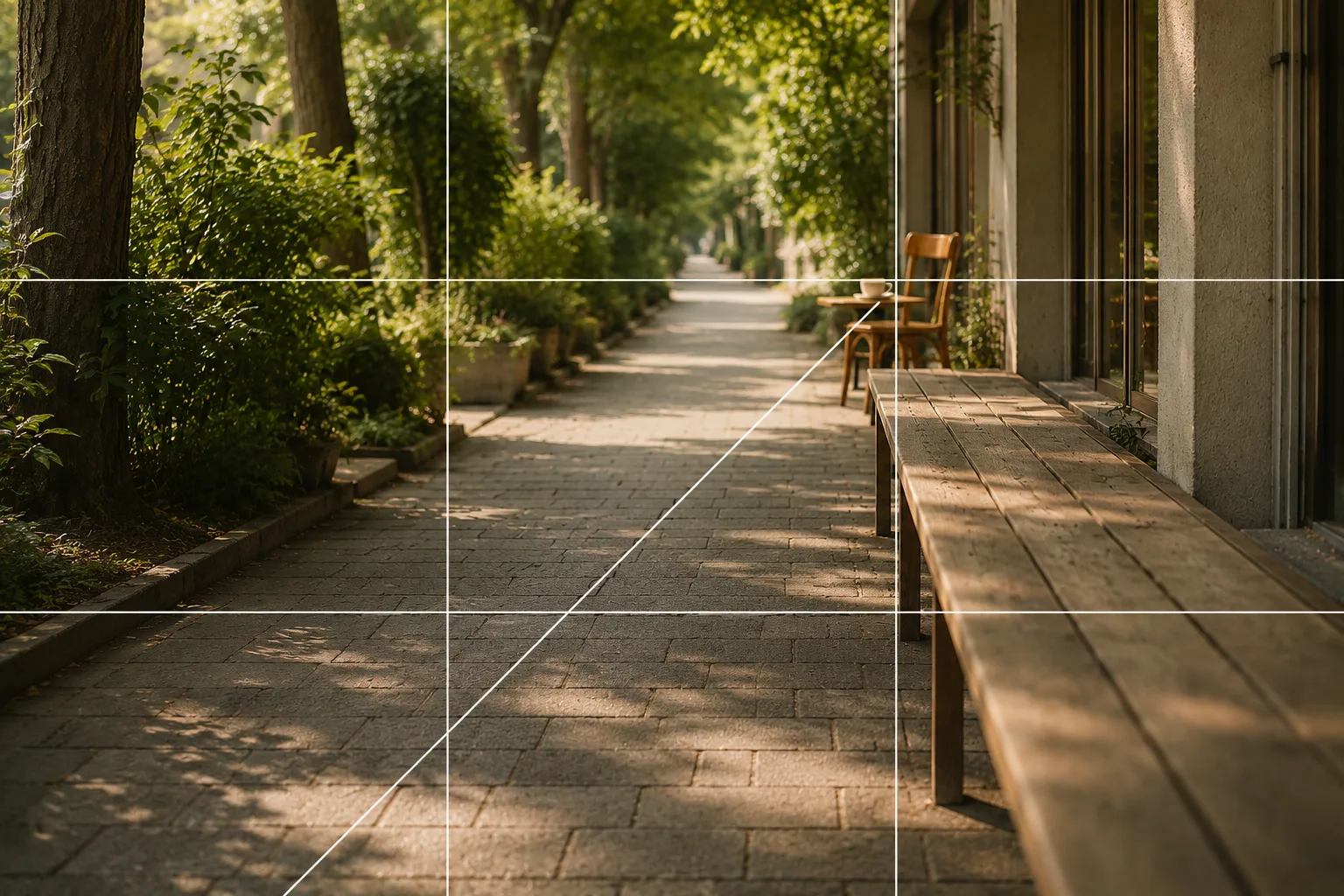 Composition guideLeading linesSee the full guide for this composition →
White and yellow ones too
Some places have related white or pale yellow lilies flowering at the same time. White blooms blow out if you brighten them too, so a step darker suits them just as it does the red. Find a single white one standing in a field of red and you have a photo with a story (→ Negative space).
Where you step, and what not to touch
Red spider lilies have toxic bulbs. Don’t pick them or dig them up — photograph and leave them. Wash your hands before eating if you’ve handled the plants.
Most drifts grow on the banks of working rice paddies and on land somebody tends. Check which paths are open to walk on, and keep off the rice and the banks themselves. If you’re using a tripod, keep the path clear. Popular spots often have set routes and photography rules — following them keeps everyone happy.
Just this to start
Tap the flower and drop the brightness a step. Crouch and move in on one bloom. Those two turn the red from a solid block into something with light in it. For the drifts, look for where the red runs in a line.
FAQ
The red blocks up into a flat mass.
Vivid red is the color cameras handle worst, and once it's too bright the veins in the petals disappear. Tap the flower and drop the brightness a step, and the texture and gradation come back.
A whole drift of them just looks busy.
A field of red with no subject gives the eye nowhere to go. Move in on one bloom in front and let the drift behind blur into red. A path or a bank where the red runs in a line works too.
When are they in bloom?
Around the autumn equinox — roughly mid-September to early October. It shifts a week or two with the region and the year's temperatures, so check bloom reports before traveling. The flowering window is short, about a week.
Example gallery
Related reading
Compositions used


Related subject guides
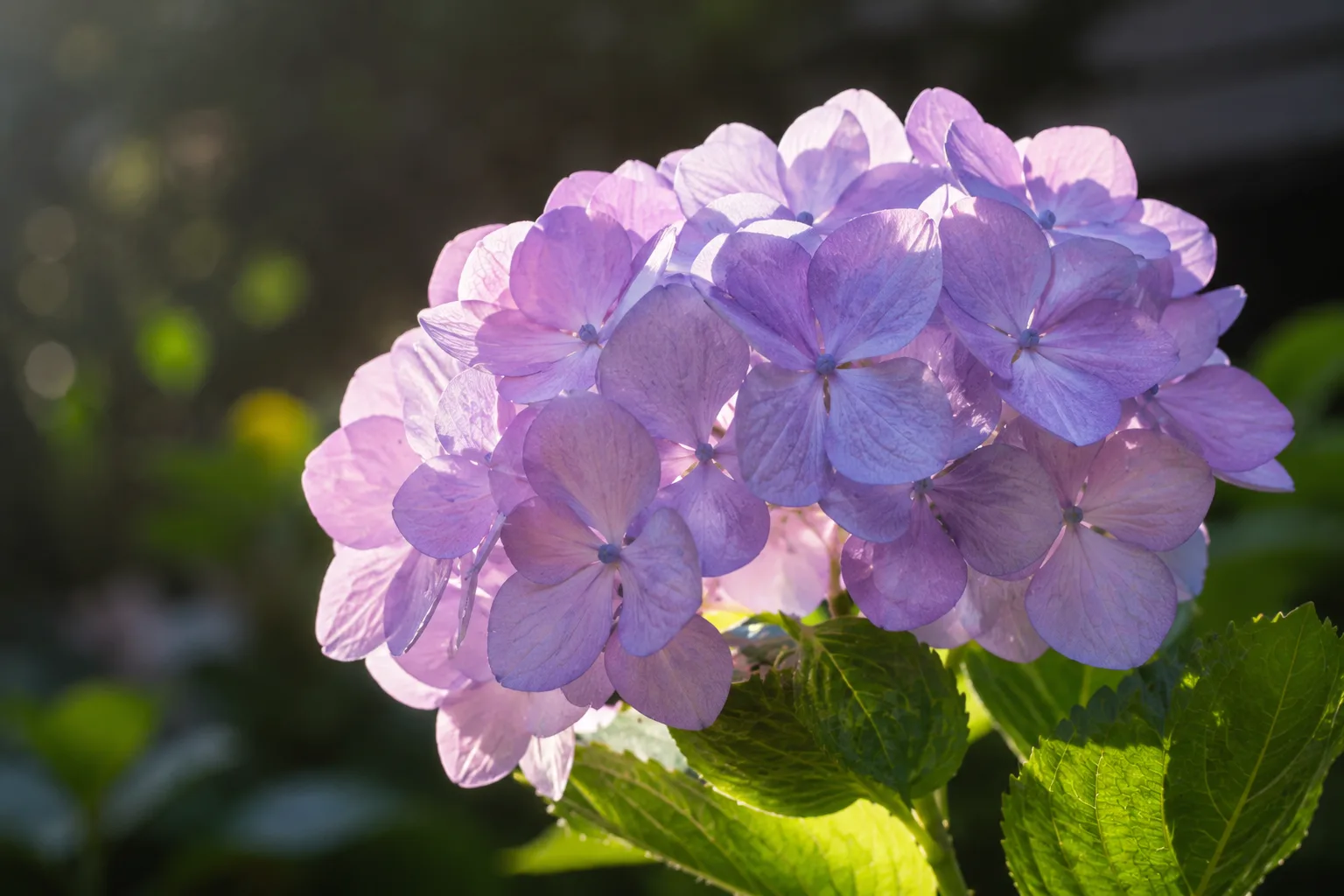
Composing Flowers That Stand Out — Closeness, Light and Background
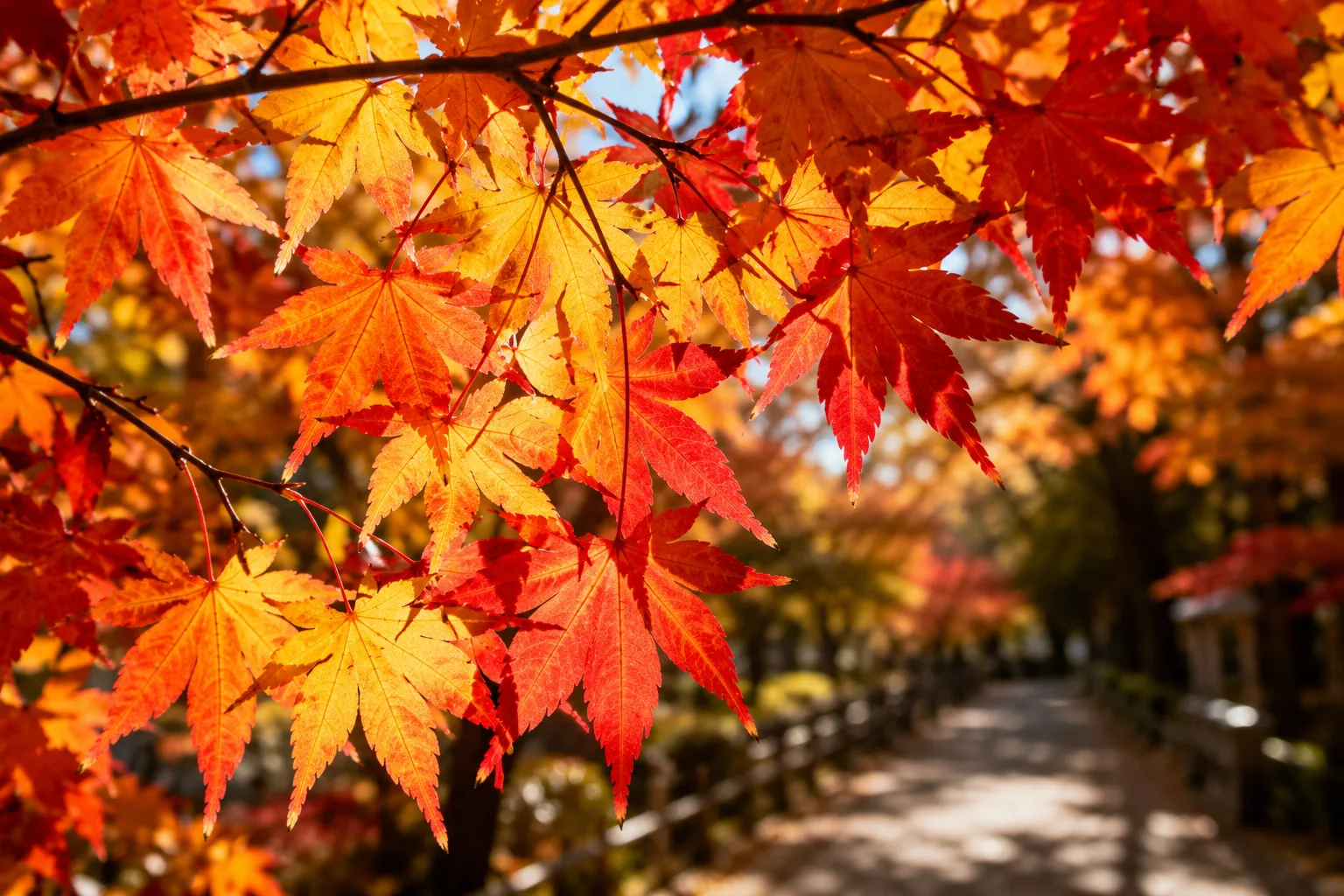
Shooting Vivid Autumn Leaves — Why They Look Flat, and Adding Dimension
Shooting Landscapes With Depth — Why They Look Flat and How to Level
Travel Photos Worth Remembering — Why They Look Like Postcards, and Cropping
Shooting Sunsets — Why Sky-Only Shots Fall Flat and How to Catch the Magic Hour
Shooting Fresh, Dewy Hydrangeas — Why They Look Hazy, and Bringing Out Color