Shooting Fireworks Big and Crisp — Fixing Blur and Timing
Published Jun 27, 2026
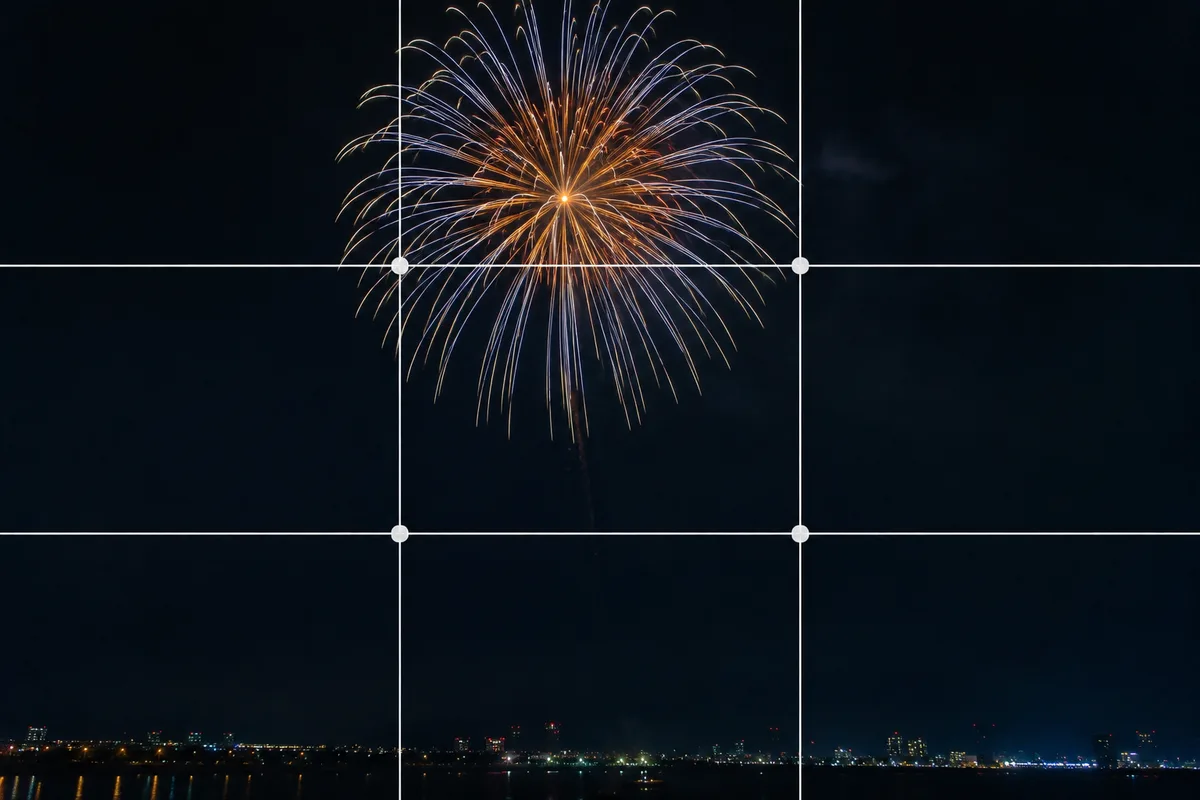
Fireworks against the night sky. You want to keep them beautifully, but your shots come out blurry, or small and smeared. What makes fireworks fall short mostly comes down to four things: shake, timing, darkness and pulling back too far.
Seasonal subject. Fireworks displays happen at different times by region — summer festivals, July 4th, New Year — so use this when there’s one near you.
Fix the phone
Fireworks keep the shutter open a while in the dark, so handheld, the light streaks and blurs. Fix the phone on a stand or railing and use the self-timer (e.g. 3 seconds) to avoid the vibration of pressing the shutter, for far more stability (→ How to use the self-timer). A tripod is even more reliable.
Time it and shoot a burst
A firework’s burst is an instant. Press the shutter late and you catch it fading. Watching the rising sound and trail and pressing just before it fully opens lands it right. If that’s hard, shoot a burst of several frames and pick the most-open one (→ Burst mode for moving moments).
Handle it with Night mode and a wiped lens
In dark places, Night mode leaves the light trails beautifully (fixing the phone is required → How to use Night mode). And if the lens is fogged with oil or moisture, the light smears, so a quick wipe before shooting changes the crispness (→ Cleaning the lens).
Frame it to capture them big
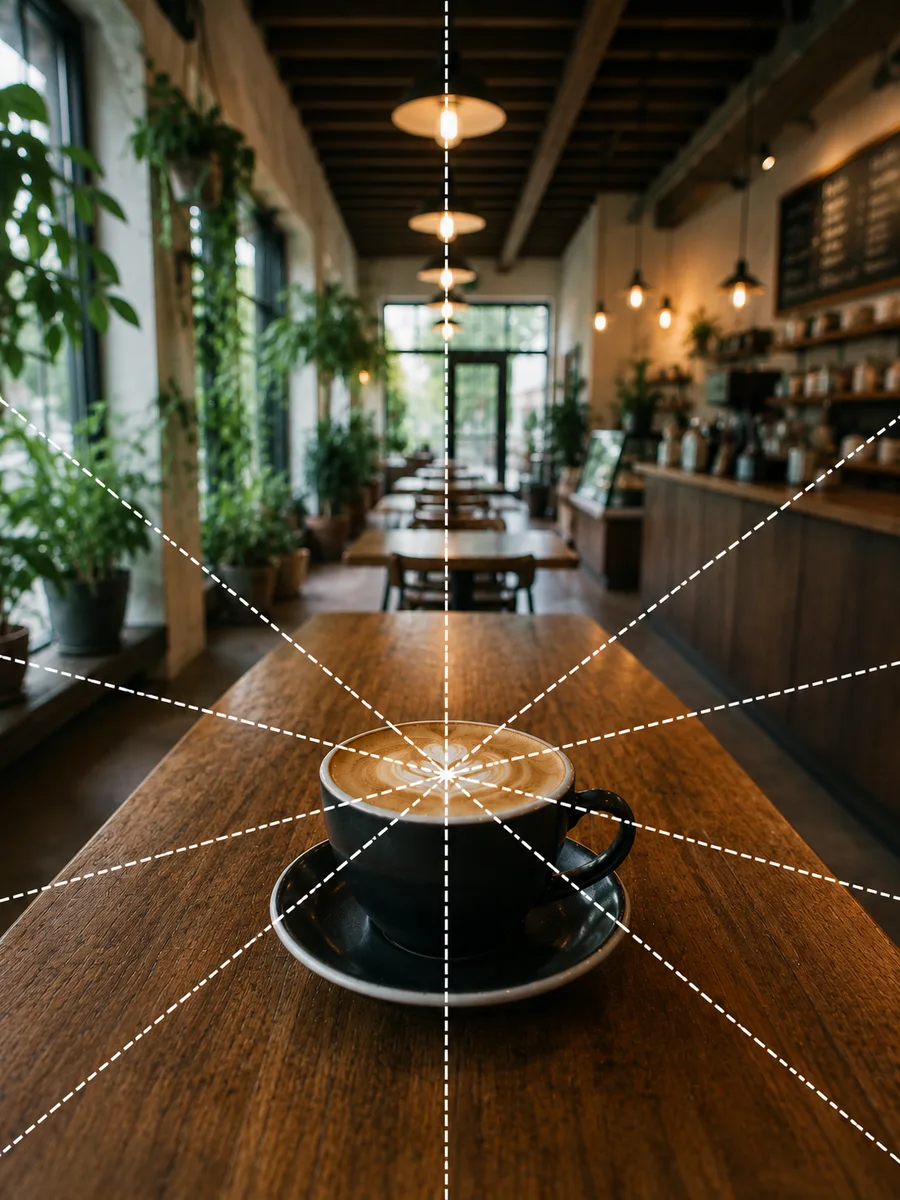
Fit the whole venue in and the fireworks themselves shrink. Place the main burst large in the upper part of the frame and use the dark sky as space for impact (→ Negative space). Including a little of a building, water or a person’s silhouette in front conveys the scale and atmosphere (→ Rule of thirds). A firework at the moment of bursting is radial composition itself — light spreading outward from a center. Set that center where the subject belongs and the energy carries straight through (→ Radial composition).
 Composition guideNegative spaceSee the full guide for this composition →
 Composition guideRule of thirdsSee the full guide for this composition →
Start with just this
Fix it on a stand or railing and shoot with the self-timer or burst. Time it just before full bloom, and crisp the light with Night mode and a wiped lens. Shoot fireworks big, using the night-sky space. That cuts down a lot of “blurry and small.” Since night views share much with this, reading both deepens your understanding (→ Night views and illuminations).
FAQ
Can I shoot fireworks well on a phone?
Yes. The two tricks are "fix it to prevent shake" and "time it to the burst." Resting the phone on a stand or railing and using the self-timer or burst raises your success rate.
Night mode or burst — which should I use?
To leave long, clean light trails, Night mode (fixing the phone is required); to reliably catch the instant of the burst, burst mode. Switch between them as the scene calls for it.
Related reading
Compositions used
Related subject guides
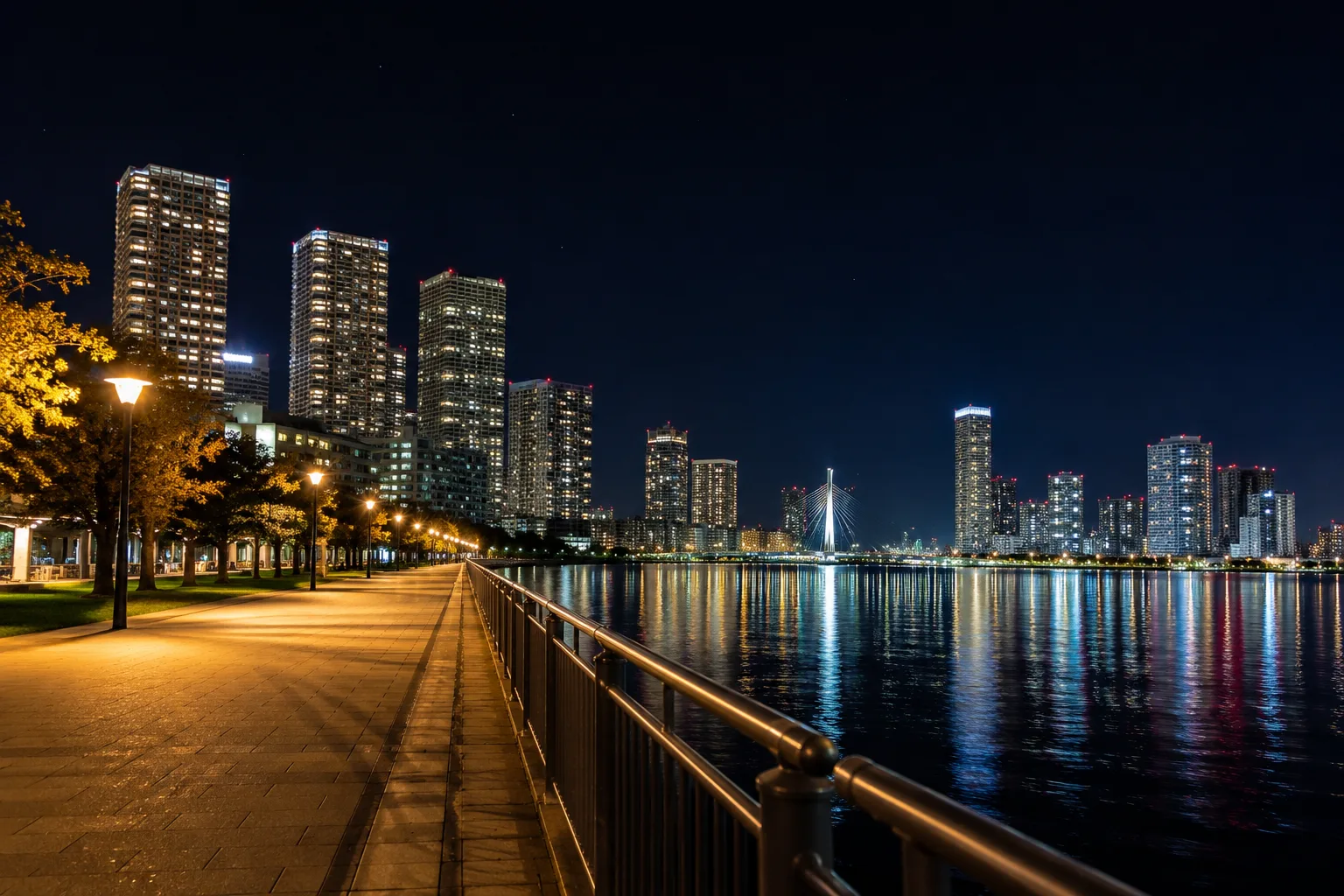
Shooting Night Views and Illuminations Crisp — Why They Blur, and Night Mode
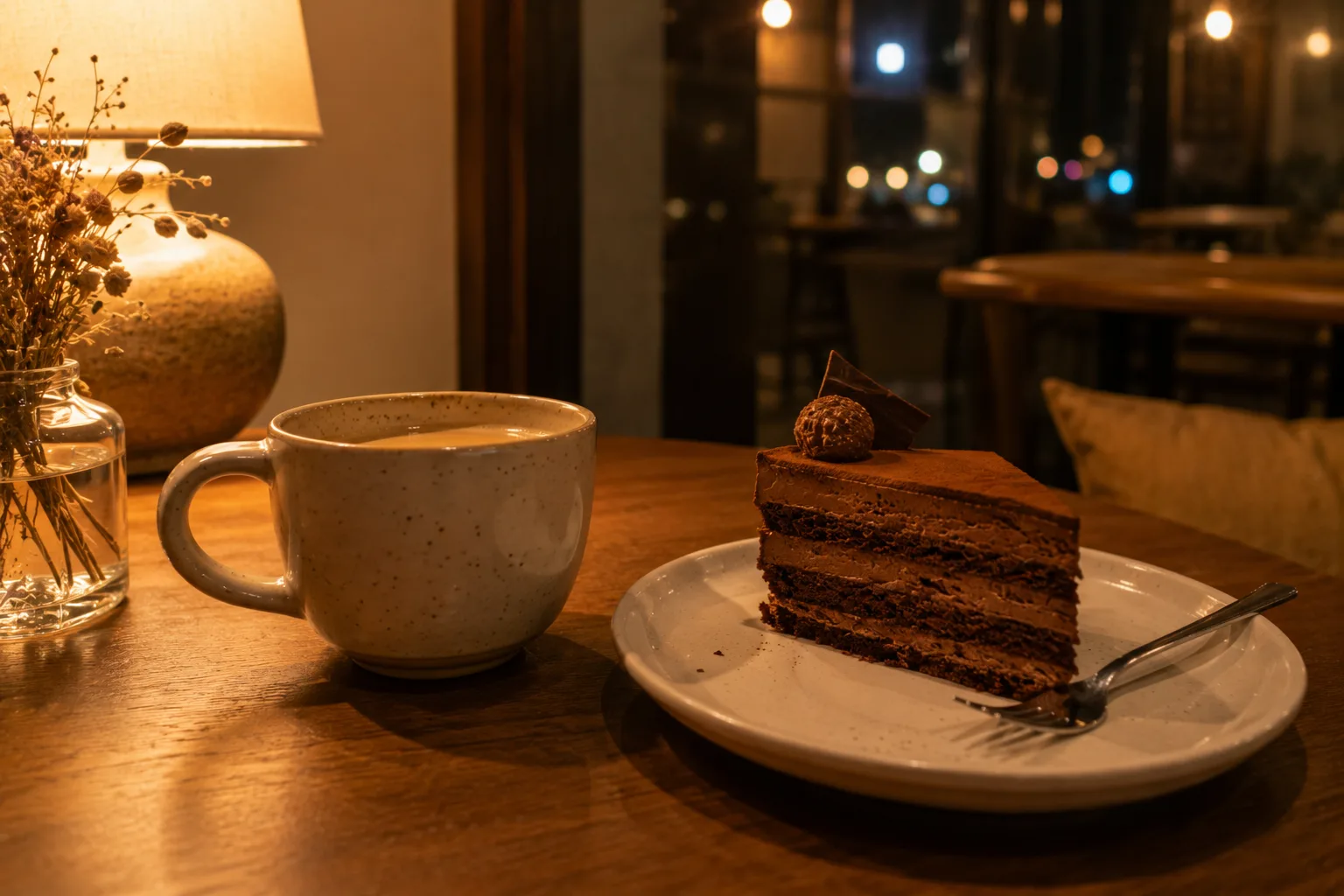
Shooting Cleanly in a Dark Room — Why It Blurs and Goes Dark, and the Fix

Shooting Landscapes With Depth — Why They Look Flat and How to Level
Shooting the Moon Clearly — Why It Becomes a White Dot, and What a Phone Can Do
What to Photograph in July: Today's Picks and a Seasonal Subject Calendar
Shooting Sunsets — Why Sky-Only Shots Fall Flat and How to Catch the Magic Hour
Summer Skies and Towering Clouds — Why They Shrink in the Frame
Summer Festivals — Why Night Shots Blur, and Shooting Lanterns and Stalls