Shooting the New Year's First Sunrise — Fixing the Blown-Out Sun and Tiny Sun
Published Jul 5, 2026
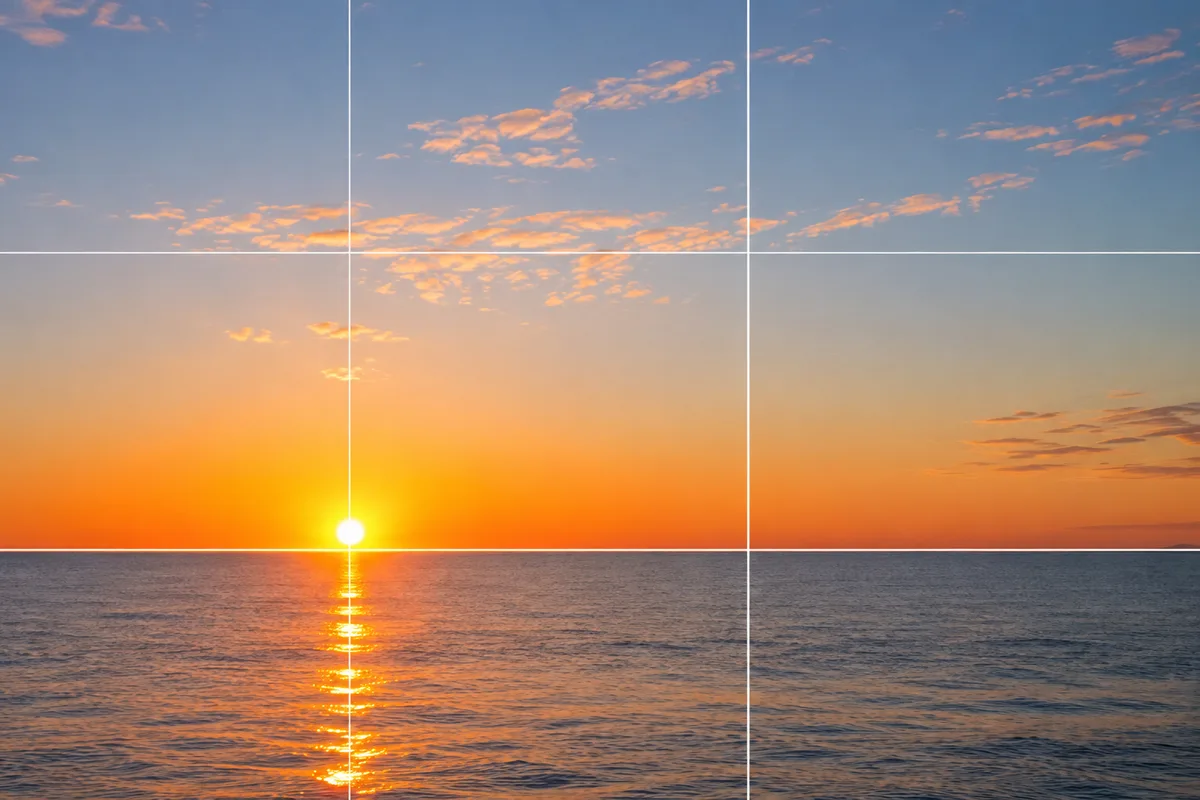
The first sunrise of the year. But in your photos, the sun is a white blob with the sky’s colors gone — or a tiny dot. The causes are auto brightness and the lens’s field of view. It’s a once-a-year chance, so let’s prepare, logistics included.
A seasonal subject. Sunrise time on New Year’s Day varies by location — check it the day before. (In Japan, greeting the year’s first sunrise — hatsuhinode — is a New Year tradition.)
Lower the brightness to keep the dawn colors
In the dim early hour, the camera tries to brighten the frame, blowing out the sun and its surroundings. Tap the sky near the sun, then swipe the sun icon down until the orange you actually see returns (→ Adjusting brightness). People and scenery in front go dark as silhouettes — and that’s exactly what you want.
Make silhouettes the star
The first sunrise’s best supporting cast: figures with hands together, a family from behind, a shrine gate or trees in silhouette. Dark shapes floating against the colored sky give the photo a story, even with a small sun. This is backlight used as staging, not as a problem (→ Fixing backlight).
Compose with the horizon and the light path
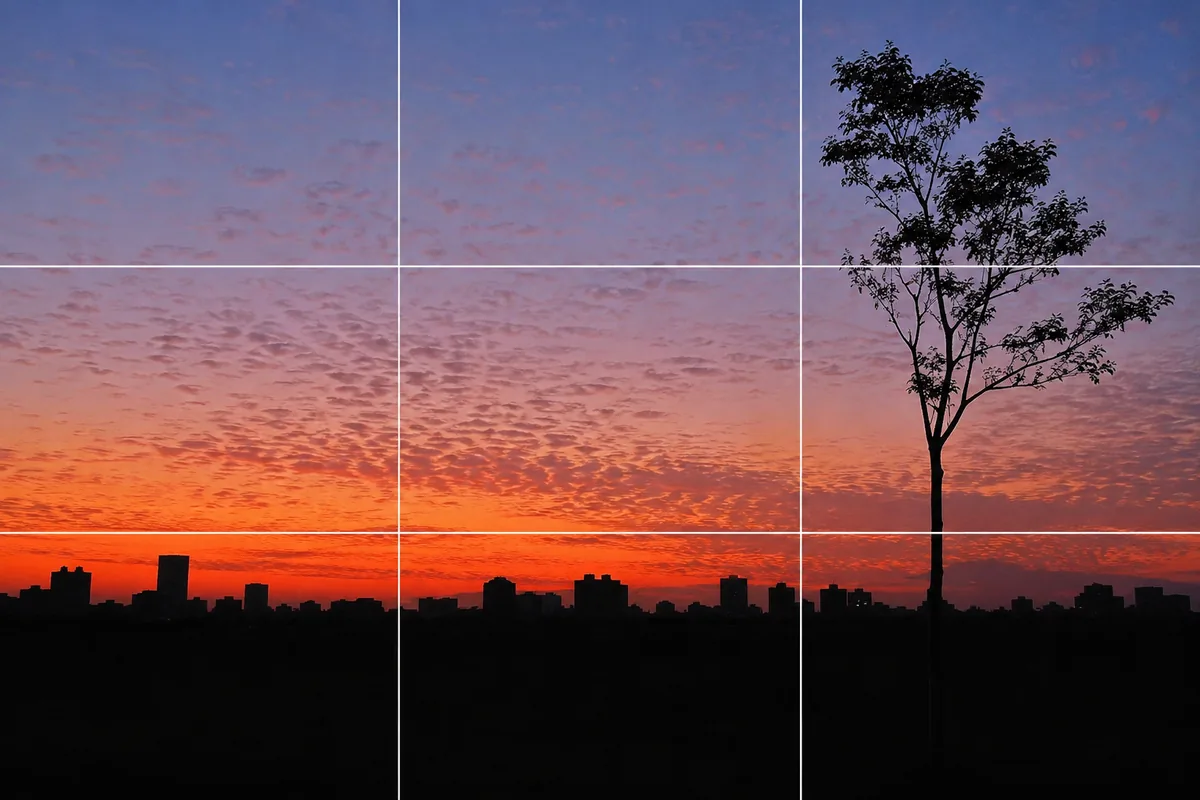
Turn on the grid and set the horizon on the lower third line of the rule of thirds to show plenty of sky (watch the tilt → Landscape photos). By the sea, run the light path on the water — stretching from the sun toward you — vertically through the frame, and the eye travels straight to the sun (→ Leading lines). Since the sun itself won’t photograph big, color and line are the phone’s winning moves.
 Composition guideRule of thirdsSee the full guide for this composition →
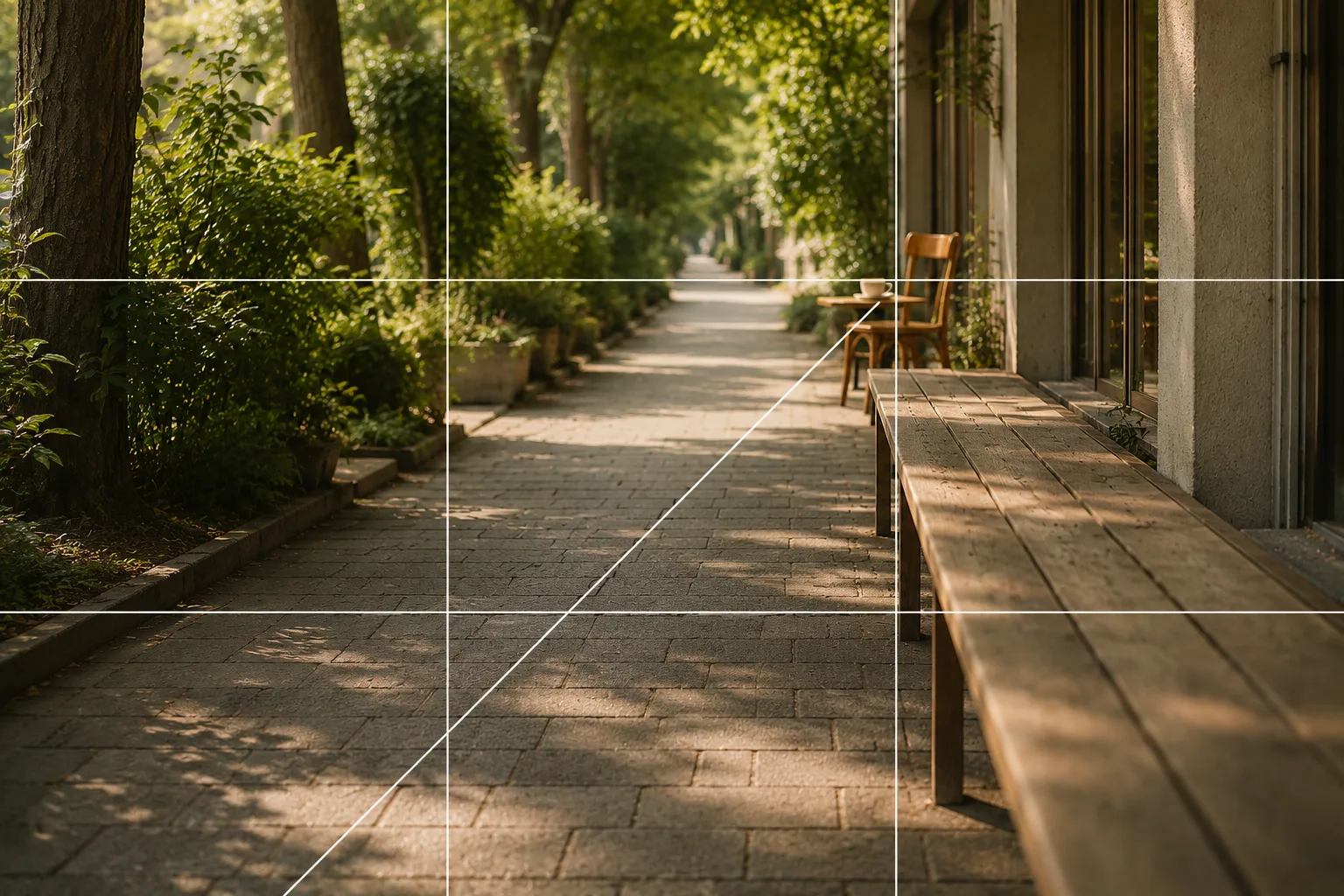 Composition guideLeading linesSee the full guide for this composition →
Burst for the moment it crests
The moment the sun breaks the horizon lasts a few minutes, and its position shifts constantly. Shoot a burst and choose the best height afterward (→ How to use burst mode). Start shooting a little before sunrise, when the sky burns most. Cold drains batteries fast — keep the phone in a pocket until the last moment.

Start with just this
Arrive 30 minutes early. Grid on, horizon on the lower third line, tap the sky near the sun and lower the brightness. Burst as it crests. Add a silhouette and the light path on the sea, and even a small sun makes a photo that carries the morning.
FAQ
The sun becomes a white blob and the sky's colors disappear.
The camera brightens for the dark surroundings, blowing out the area around the sun. Tap the sky near the sun and swipe the sun icon down to lower the brightness — the dawn colors come back.
Can I make the sun look big?
Honestly, with a phone's standard lens the sun photographs quite small. Zoom enlarges it somewhat at the cost of grain. Rather than size, let the sky's colors, the light path on the water, and people's silhouettes carry the picture.
How early should I arrive?
Arriving about 30 minutes before sunrise is ideal. The sky burns most intensely just before and after sunrise, and the moment the sun crests lasts only minutes. Decide your composition and have burst ready in advance.
Related reading
Compositions used
Related subject guides
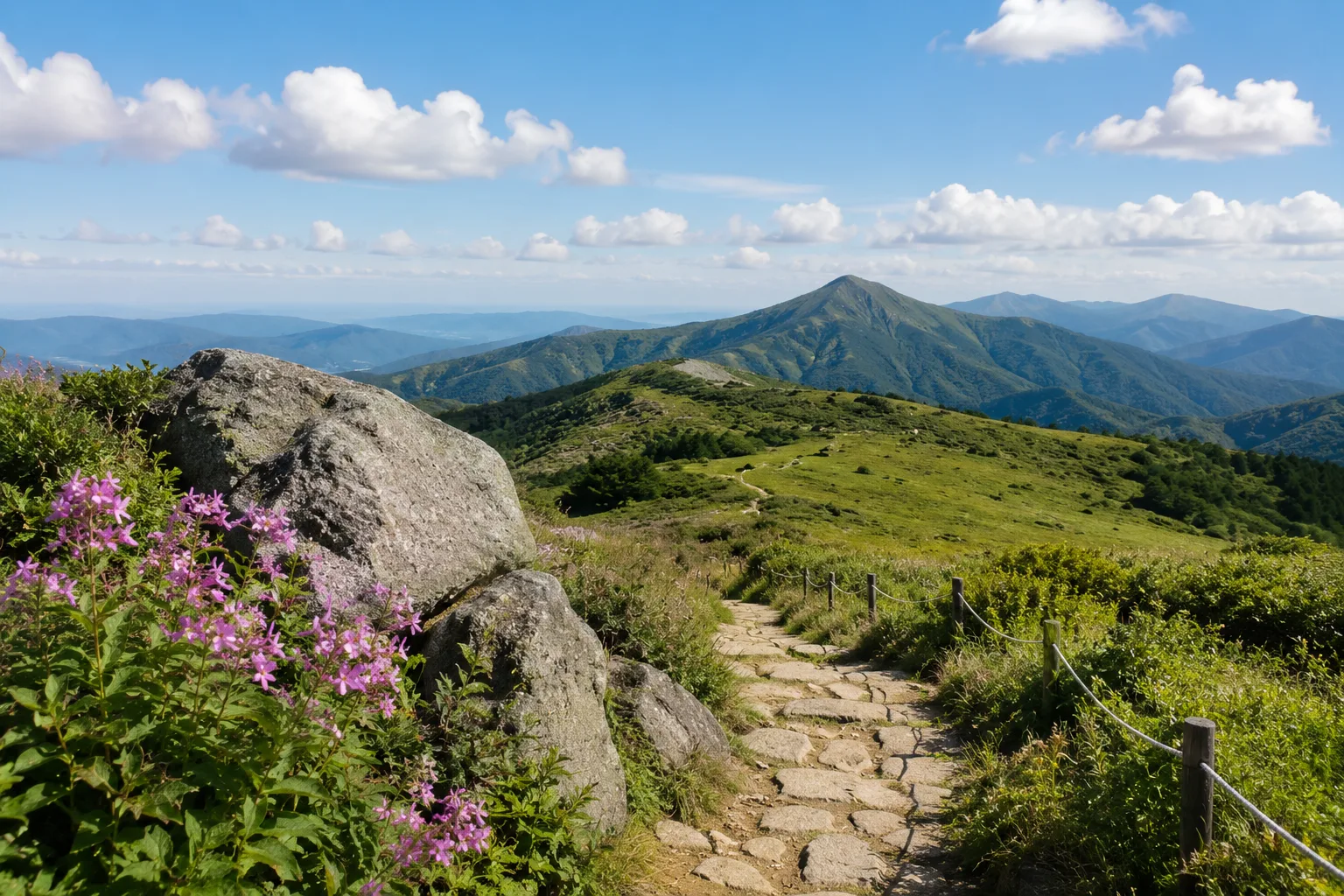
Shooting Landscapes With Depth — Why They Look Flat and How to Level

Shooting Faces and Food Bright Even in Backlight — Why It Goes Dark and the Fix
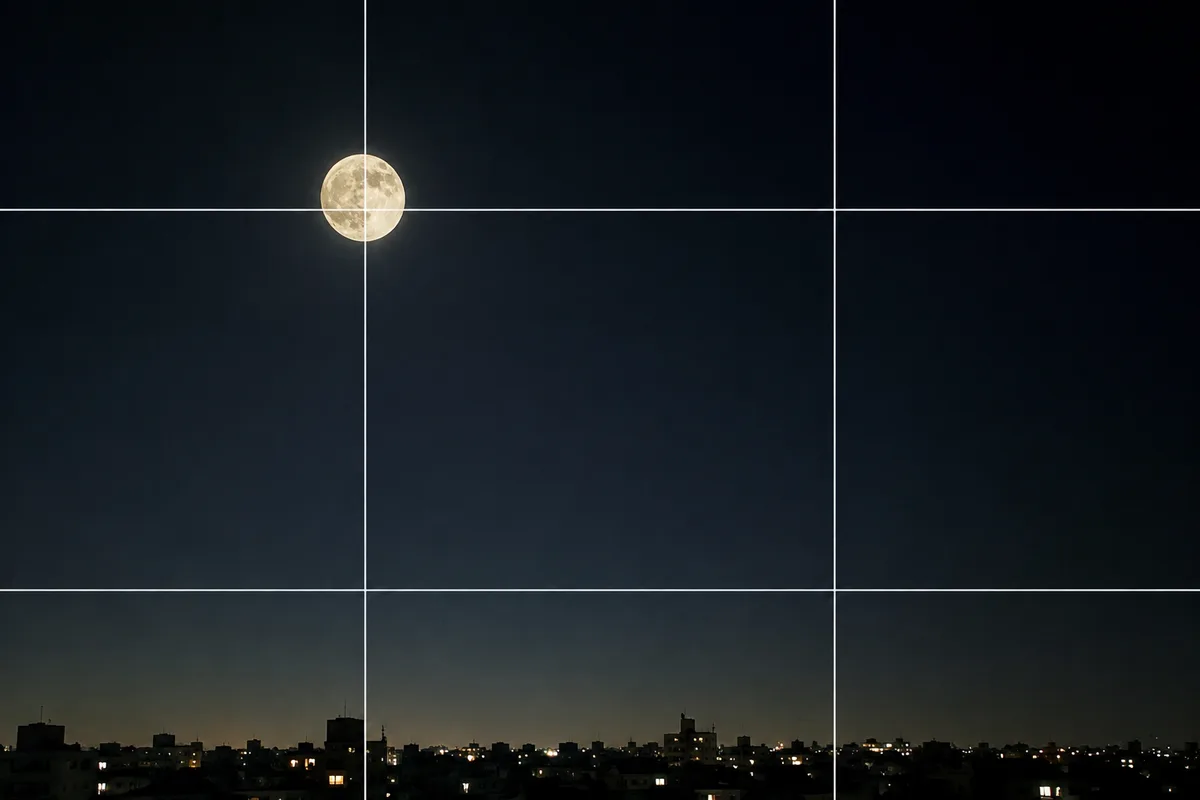
Shooting the Moon Clearly — Why It Becomes a White Dot, and What a Phone Can Do
Shooting Sunsets — Why Sky-Only Shots Fall Flat and How to Catch the Magic Hour
Summer Skies and Towering Clouds — Why They Shrink in the Frame