Phone Camera Specs: What Should Beginners Look At? More Than Megapixels
Published Jun 27, 2026
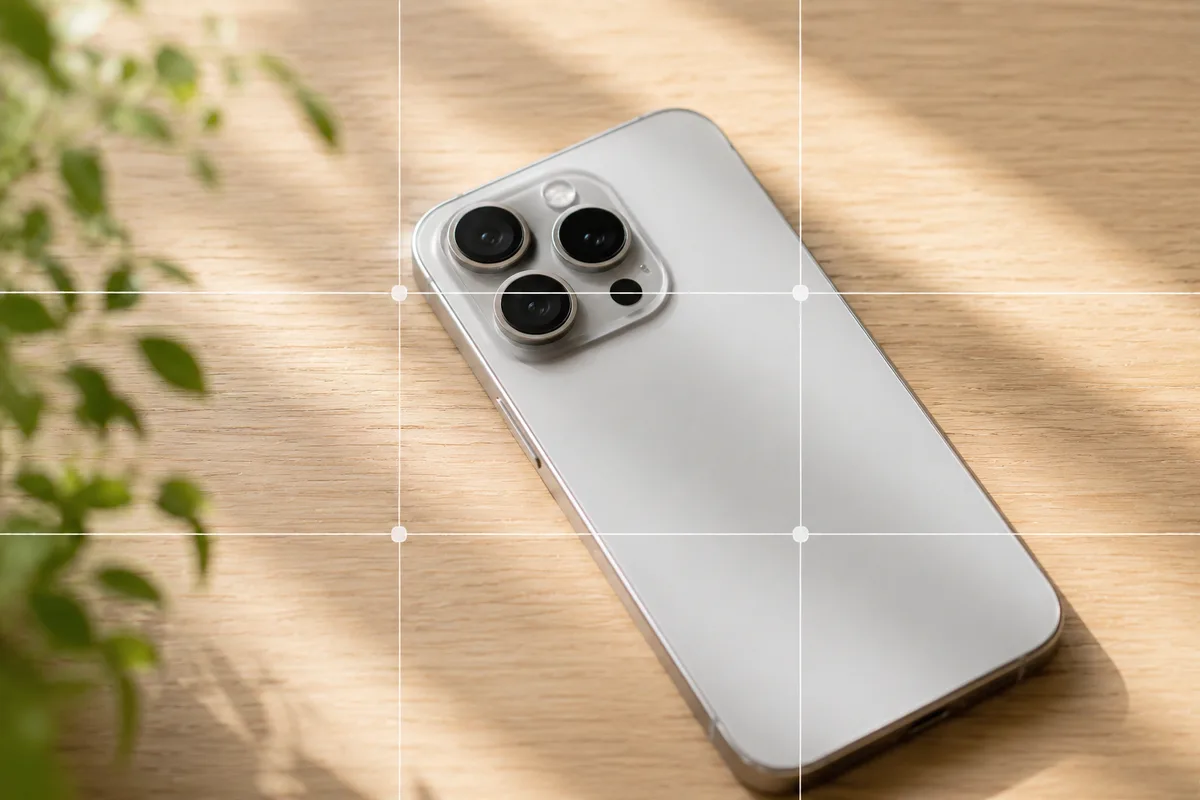
Once you’re comfortable with composition and start taking good photos, the next thing you wonder about is “camera performance.” That’s a very natural progression. Knowing the specs after you’ve built a foundation makes both choosing a model and getting the most from your current phone much clearer. Here, regardless of model, we’ll sort out just the points a beginner should look at.
Megapixels aren’t “more is better”
The spec that stands out most is the megapixel count, but in everyday photos you rarely feel the difference. Light and composition affect the result far more. Megapixels matter only when you print large or crop out part of a photo to use. For now, it’s enough to know that “more isn’t automatically better.”
Phone announcements make headlines out of numbers like “200 megapixels,” but megapixels are essentially room to crop. A bigger number simply means you can cut further into a frame before it starts to soften. For anything headed to social media, the phone you already own has had enough resolution for years (→ Fixing composition by cropping).
If anything, more megapixels means heavier files and storage filling up faster. Most phones default to combining pixels for a brighter, cleaner result, with full-resolution shooting tucked away in a separate menu. Leaving the default alone is the safer choice day to day.
For the dark, what matters is “sensor size” and a “bright lens”
Whether you can shoot cleanly at night or indoors is decided less by megapixels and more by sensor size and lens brightness (a small f-number). The larger the sensor and the smaller the f-number, the more light it takes in even in dark places, with less noise. That said, before agonizing over settings, brightness adjustment and Night mode cover plenty (→ Tips for shooting in a dark room, Photographing night views).
The type of lens changes “the shot you can take”
Recent phones carry multiple lenses. Roughly: ultra-wide fits a broad area, standard looks natural, telephoto pulls in the distant, and macro gets right up close. Want a landscape to look grand? Ultra-wide (→ Landscape photography). Want a small object’s texture? Move in with macro (→ Small items and accessories, Filling the frame). You choose the lens by “what you want to shoot.”
Zoom: “optical” and “digital” are different things
The same “×N zoom” can mean different things inside. Optical zoom, which moves in by switching lenses, holds quality; digital zoom, which enlarges the image, gets rough. Being aware of whether the displayed magnification stays within the optical range keeps quality up even for distant subjects. When you can move in, stepping closer yourself beats zooming. For how to spot that line on your own phone, and when zooming is actually the better call, see (→ Optical vs digital zoom).
Stabilization and Night mode are “nice to have”
What kicks in for low light and telephoto are image stabilization (optical is stronger) and Night mode, which merges multiple frames to shoot brighter. These are where performance gaps show, but you can make up plenty with technique — resting the phone on a surface, tucking your elbows in.
Start with just this
Don’t get pulled around by the megapixel number. Cover just three things — “is it strong in the dark (sensor, f-number),” “what lenses does it have,” and “is the zoom within the optical range” — and you can read most of the spec talk. And what matters is that specs are only a “next step.” Even with a great phone, light and composition decide the photo in the end. Now that specs are on your mind is the perfect time to return to the basics of shooting (→ How to use SmaPhoto Tips), and both your gear and your composition will grow.
FAQ
Do cameras with more megapixels take better photos?
For everyday photos, light and composition matter far more than the megapixel difference. Megapixels count when you print large or crop out part of a photo to use.
How much zoom is okay to use?
Within the "optical zoom" range, where the lens switches, quality holds. Beyond that, "digital zoom" is just enlargement, so it gets rough. When you can, stepping in yourself looks best.
Related reading
Compositions used

Related subject guides
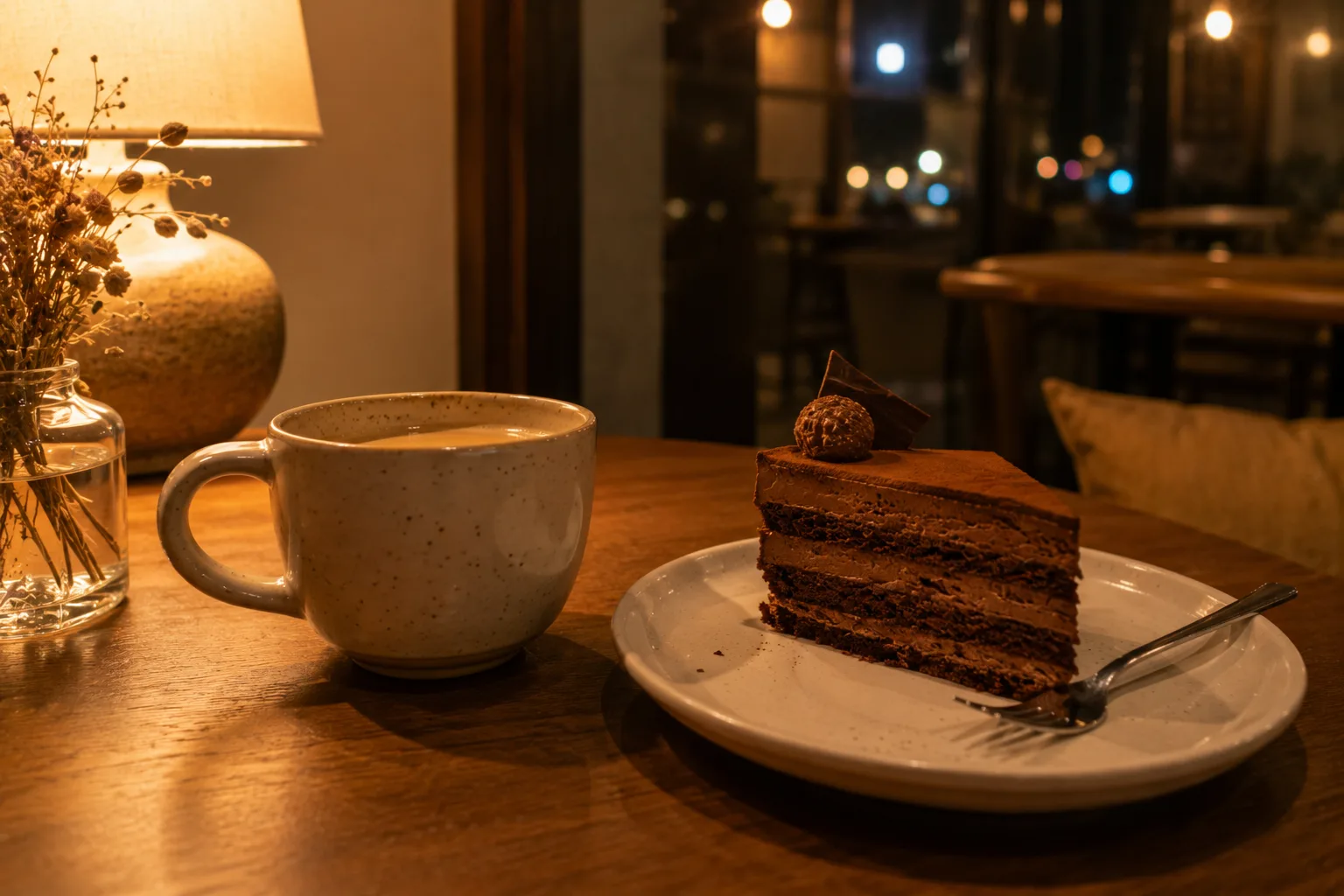
Shooting Cleanly in a Dark Room — Why It Blurs and Goes Dark, and the Fix
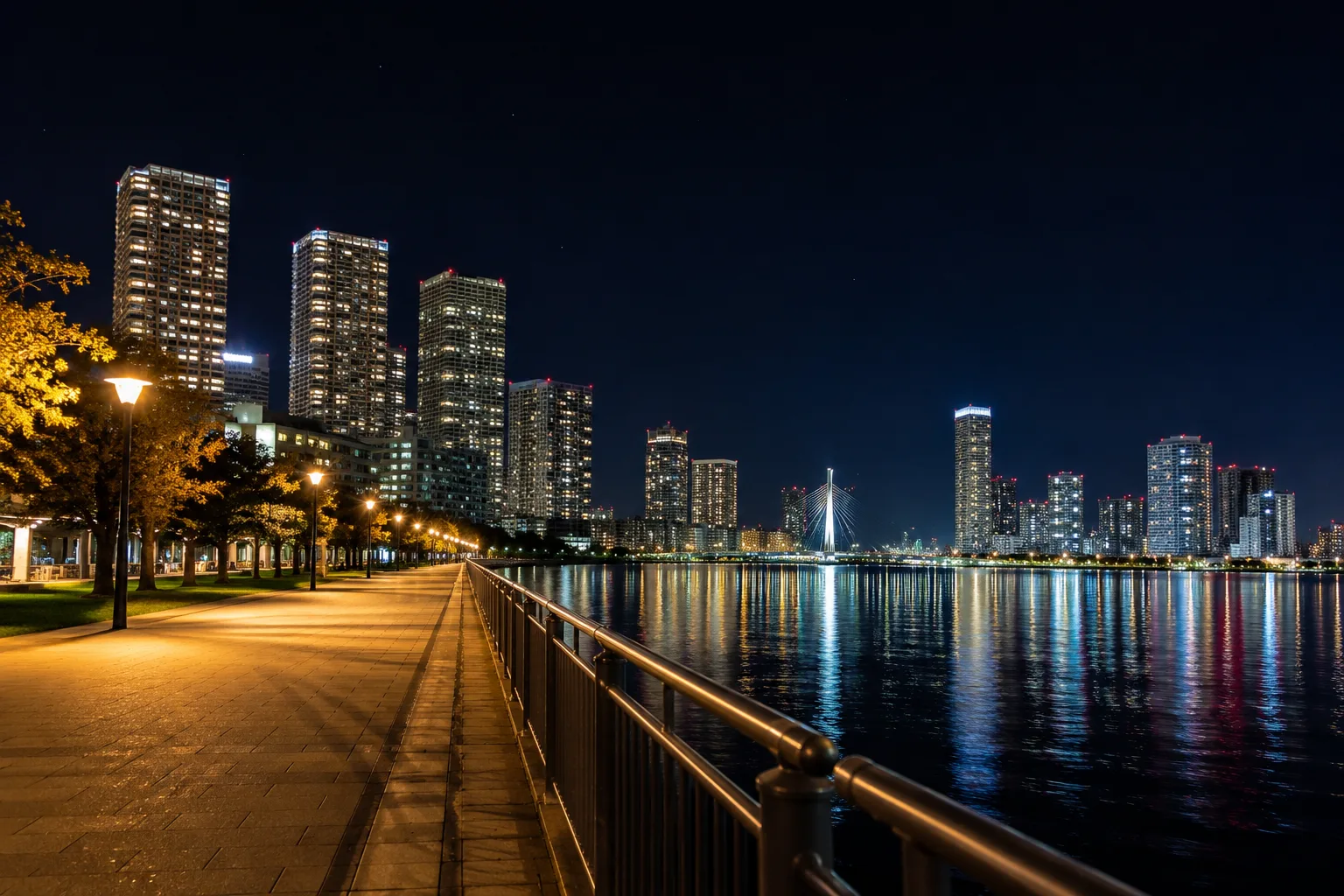
Shooting Night Views and Illuminations Crisp — Why They Blur, and Night Mode
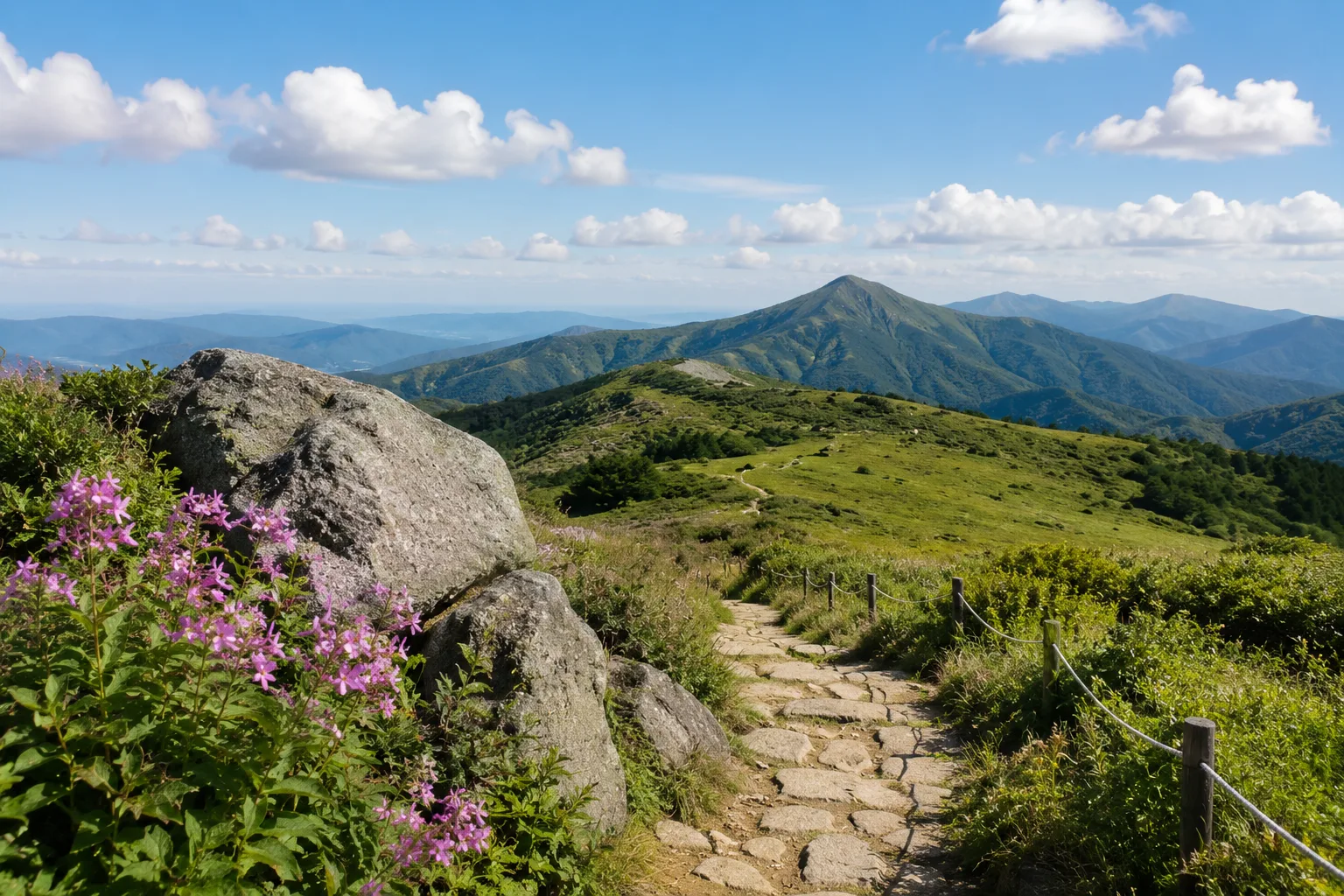
Shooting Landscapes With Depth — Why They Look Flat and How to Level
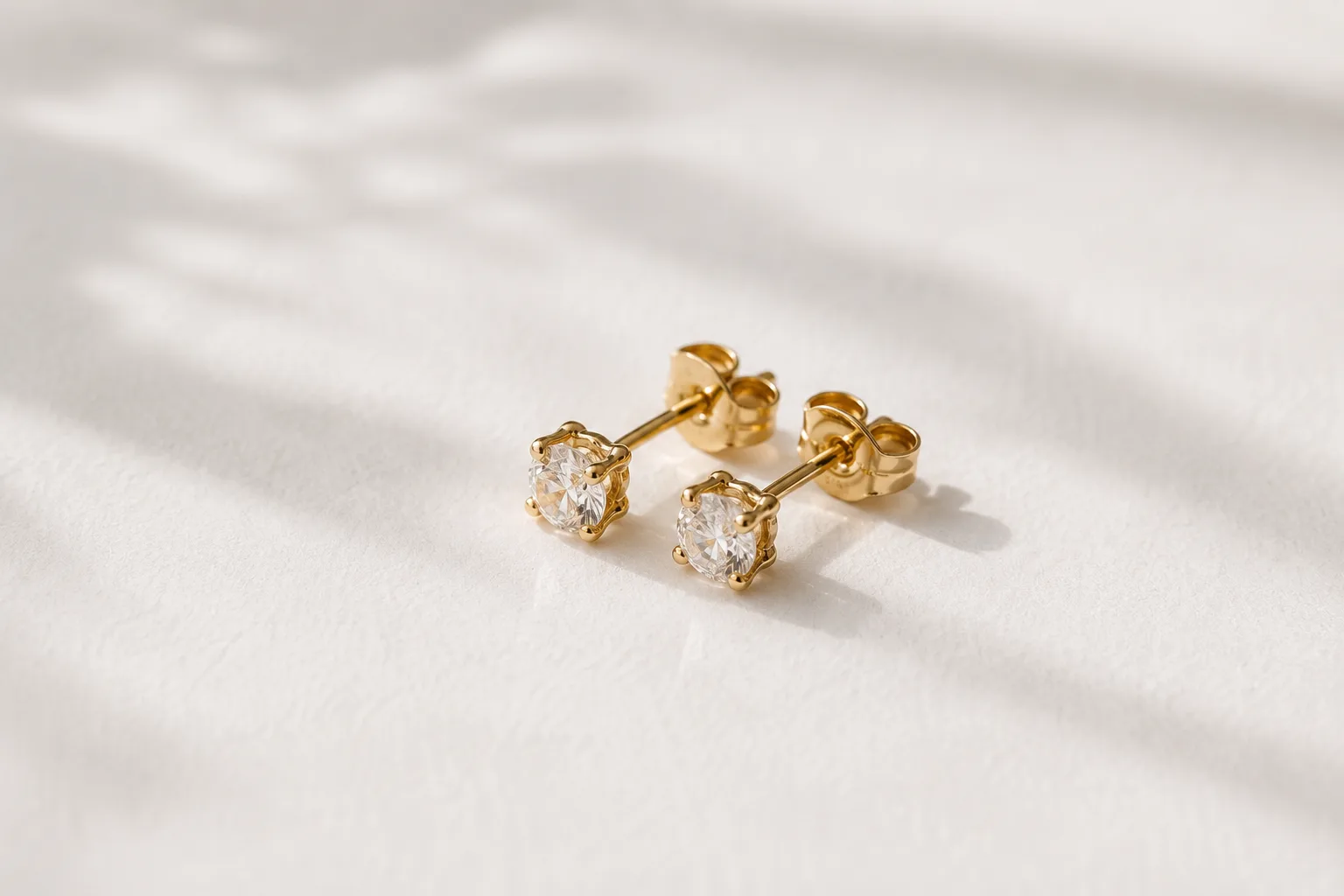
Composing Small Items and Accessories — Why They Look Dull and How to Fix It
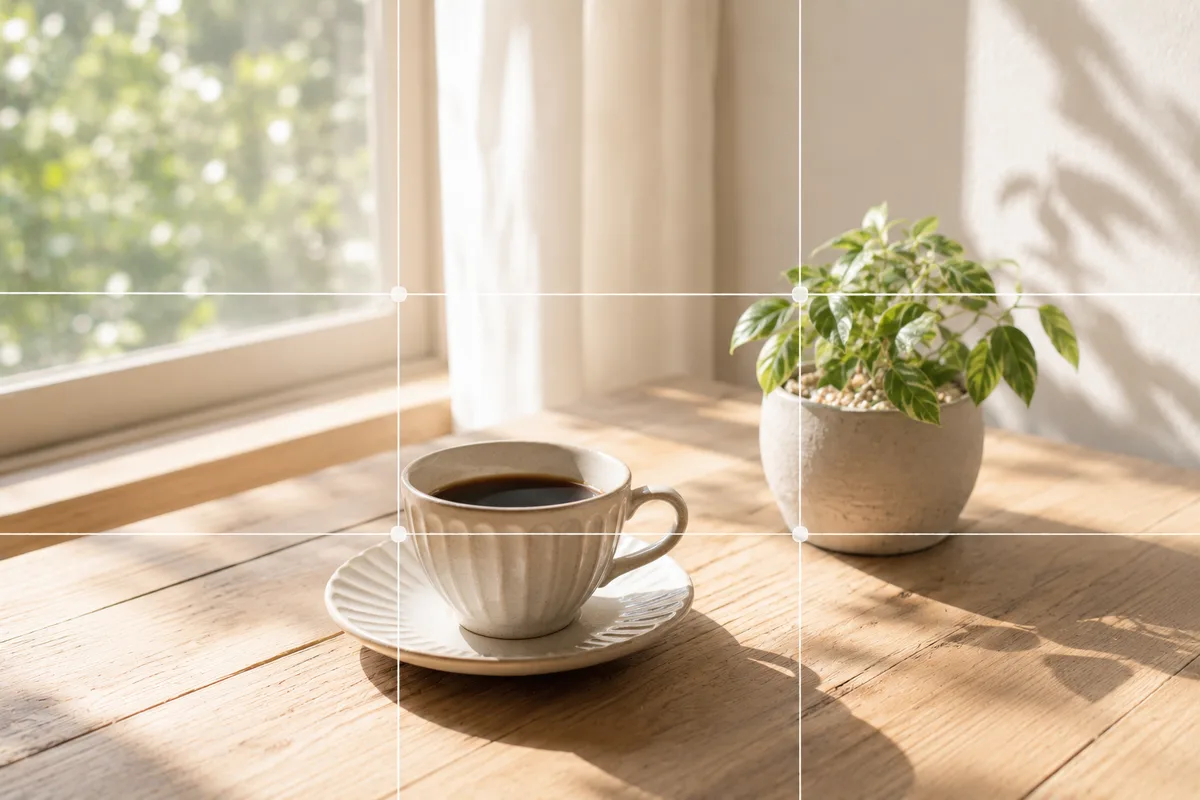
Fix the "Almost There" in Phone Photos With Composition — Using SmaPhoto Tips
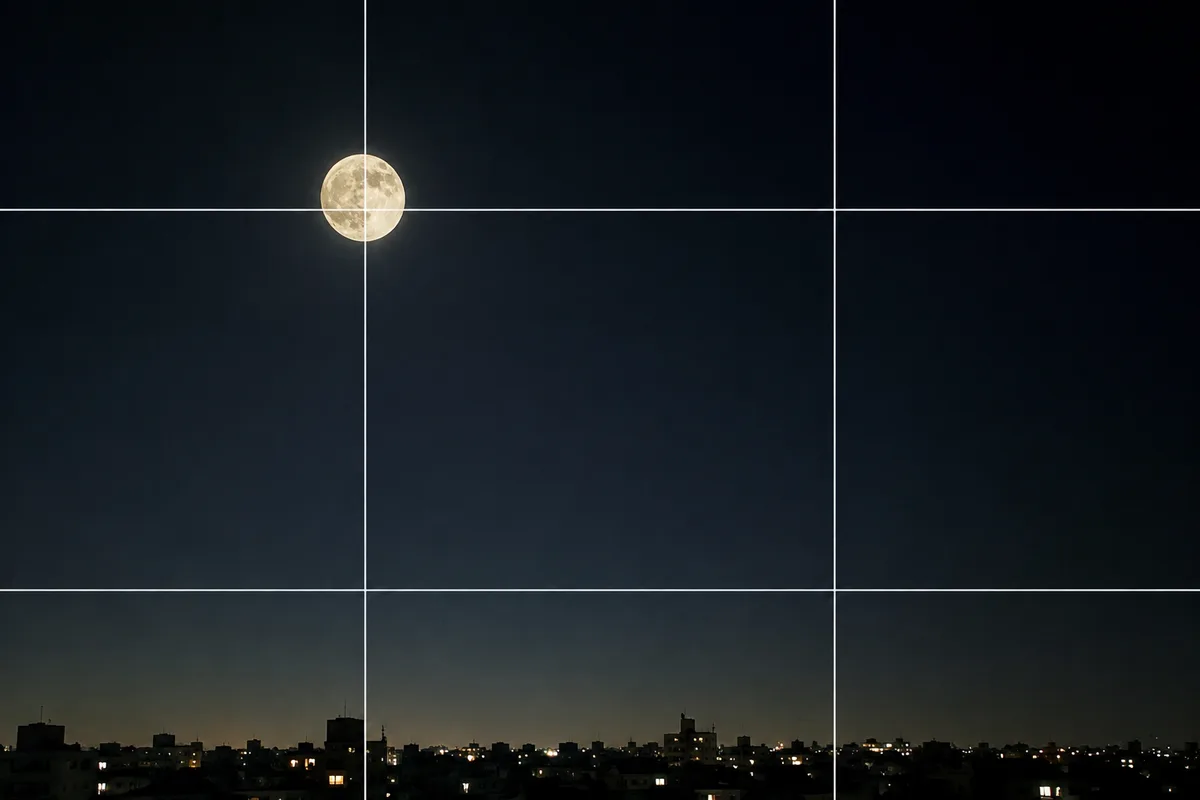
Shooting the Moon Clearly — Why It Becomes a White Dot, and What a Phone Can Do
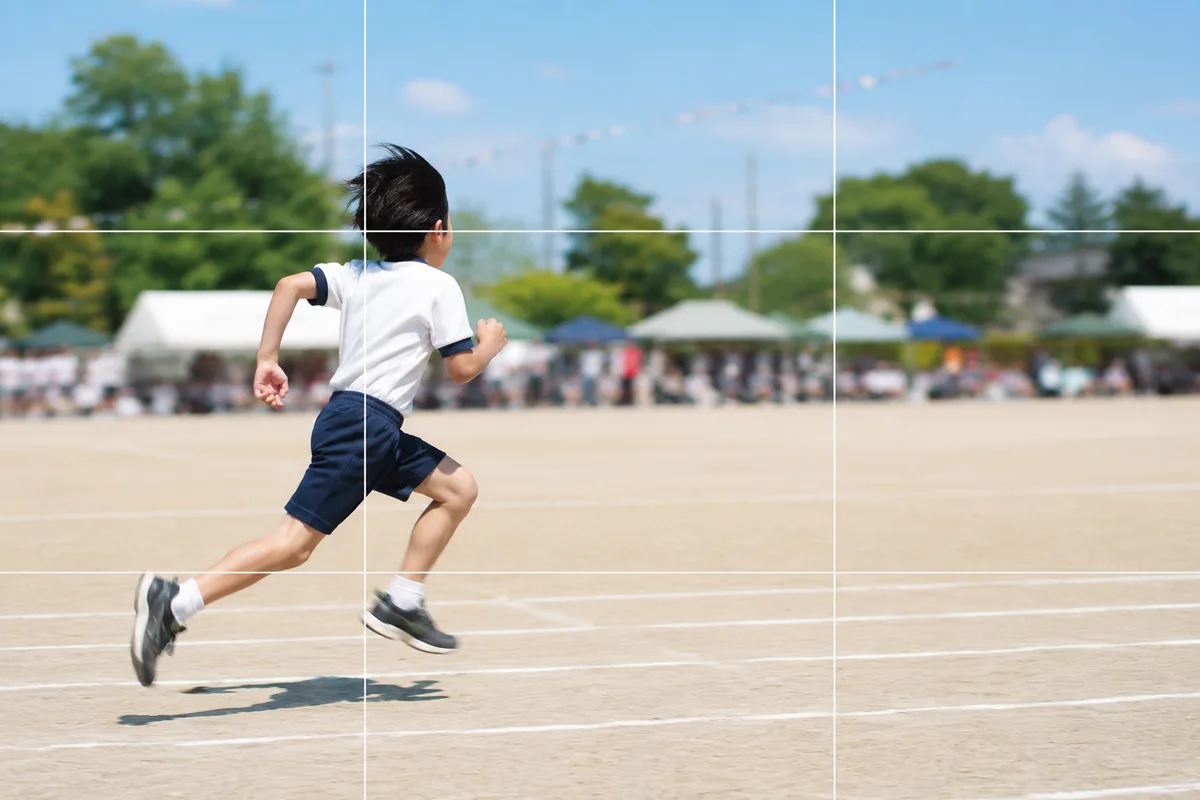
Shooting Kids Sharp at Sports Day — Fixing Blur, Distance and Backlight
Shooting at Aquariums and Zoos — Fixing Glass Reflections and the Dark Indoors
Shooting at Photo-OK Concerts — Fixing Black Frames, Blur, and the Tiny Stage